Commercial Roof Seam Failure Repair in Newport News, VA
Commercial roof seam repair in Newport News, VA, for open membrane laps, metal joints and failed field connections that allow water entry.
Home / Roof Damage Repair / Commercial Roof Seam Failure Repair
Commercial Roof Seam Failure Repair
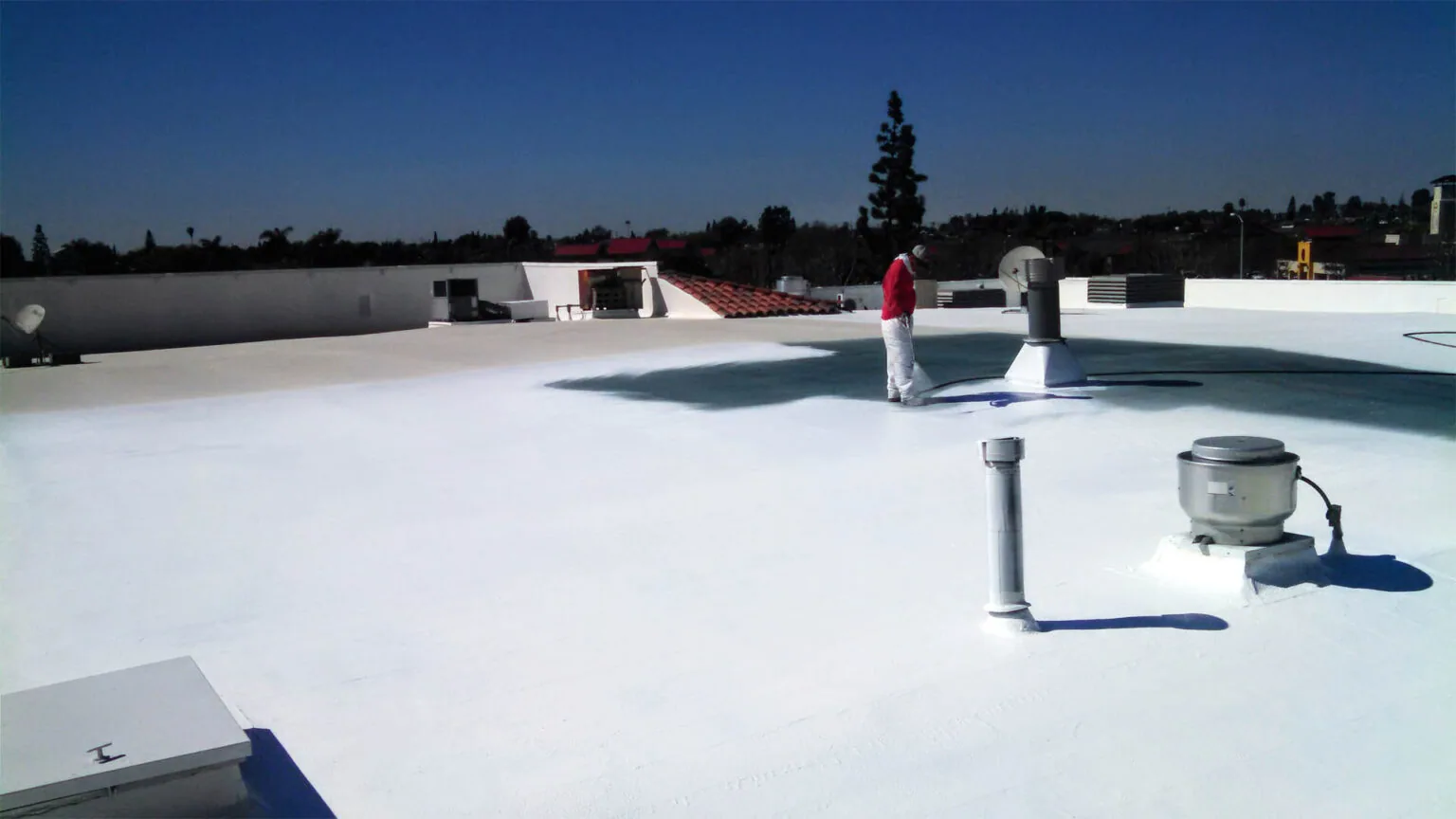
A seam that has started to split can admit water before the opening is easy to see from the ground. In Newport News, VA, we inspect the length of the joint, nearby fasteners and the roof area around it, then mark the section that needs repair. The scope records the measured boundary and whether insulation or substrate testing is still required. That keeps the repair tied to the connection that failed.
Local rain, wind and seasonal temperature swings put attention on seam terminations and perimeter hold; inspection still determines whether the joint or a nearby detail failed. Those conditions make seam and edge attachment useful points to inspect, but they do not establish why a particular lap opened. A roof near City Center or the Port of Virginia has its own system, exposure and access requirements, which we confirm on site.
Determine Why the Joint Opened
Different roof systems join at different seams. A thermoplastic membrane may have a welded lap; EPDM may use an adhesive or tape connection; a metal roof relies on formed panels and mechanical joints. We identify the installed material before selecting a repair and inspect whether the opening follows a weak bond, movement, puncture, poor prior repair or broader material deterioration.
We check both sides of the seam, nearby penetrations and drainage direction. If water has moved under the membrane, the interior mark may not sit below the split. Photographs and a roof plan show the observed opening and surrounding condition. A commercial inspection can also document other concerns that affect whether the repair stays local.
When the lap is inaccessible or moisture appears to extend beneath it, we identify the testing or opening needed to confirm the repair area. We do not describe a suspected zone as measured damage. The report notes what was visible, what was tested and which question remains for the owner or facilities contact. If a seam looks tight when dry but opens after rain, we can compare the roof detail and event timing before choosing a repair material.
Restore the Seam for the Existing System
A repair must suit the material and connection. On a heat-welded membrane, preparation and weld quality matter; on an adhered system, the surface and adhesive compatibility matter; on metal, panel movement and joint design matter. We prepare the area, install compatible materials and check that the seam connects to sound substrate beyond the failed point.
Adding sealant over an open lap may hide the gap without restoring the joint. We inspect the repair edge and adjacent details, including flashing and penetrations, to determine whether a separate item contributes to water entry. If the roof's condition is too broad for a local repair, the proposal explains what further inspection or renewal option should be considered.
Where water enters at another roof detail, flashing failure repair may be needed with the seam work. A seam split caused by wind may also lead us to inspect the perimeter through wind damage roof repair. We keep these tasks distinct so the building file shows the work each condition required.
Inspect the Open Seam Before It Spreads
Send the Newport News address, roof material if known, seam location and leak report. We will document the failed joint and define the repair scope.
Check the Repair Against the Roof Condition
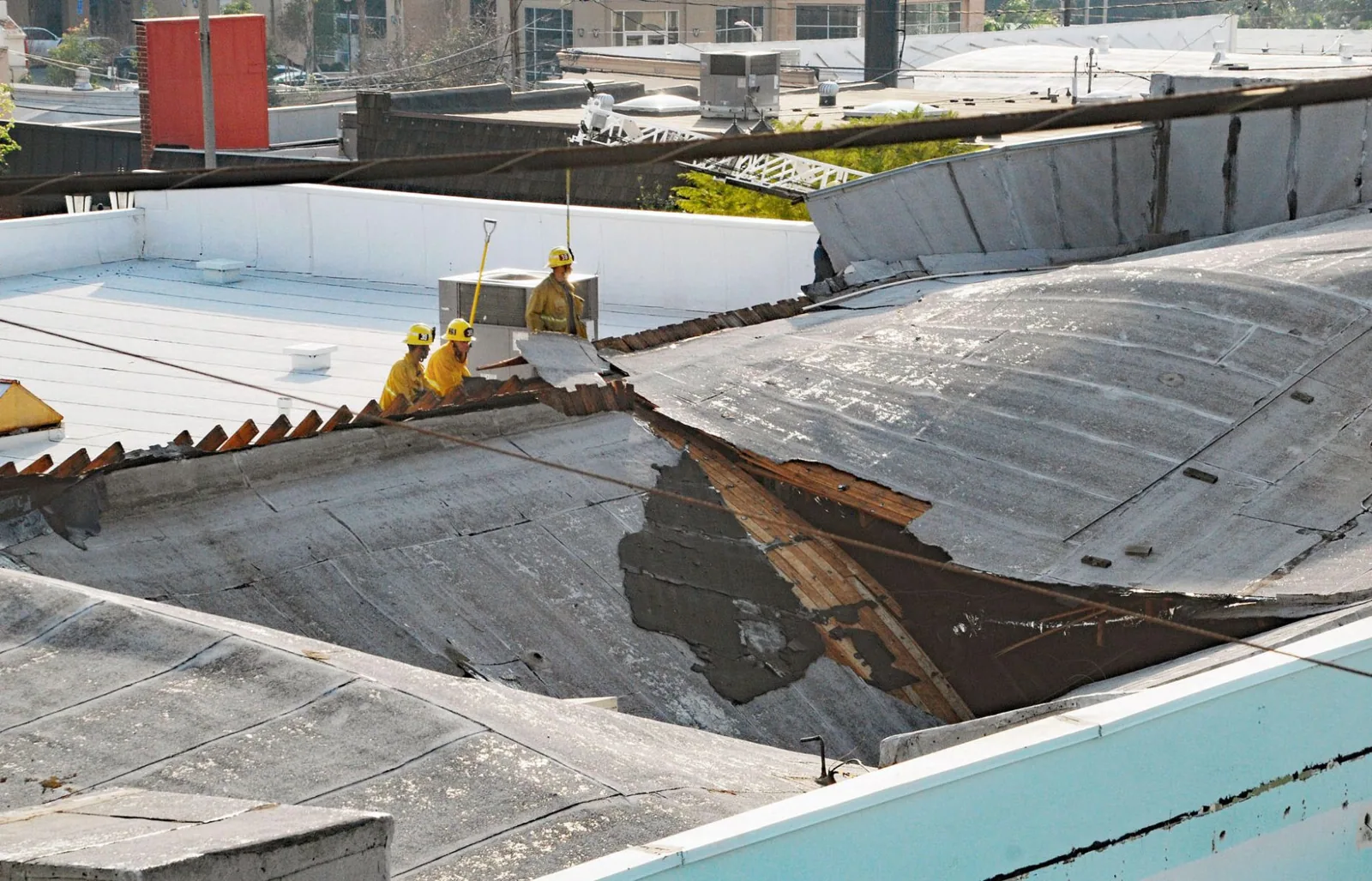
If one seam has opened and nearby material remains sound, a local repair may be appropriate. Repeated separation across a field can point to movement, attachment or material aging that a patch will not resolve. We record how many locations were inspected, whether defects are isolated and what condition was observed between them. The recommendation follows those findings rather than a general system preference.
Coating, recover and replacement each require a broader suitability check. Coating does not restore a failed connection unless the underlying seam and substrate are sound. Recover or replacement may provide a new assembly, but requires review of existing layers, attachment and applicable building requirements. We separate an immediate repair scope from any project that needs design or capital review.
Virginia Construction Code Chapter 16 supplies design criteria referenced by Newport News for nonresidential buildings. If the planned repair changes roof assembly or attachment, project review may be necessary. We define the work and identify assumptions so the owner can determine the relevant permit and design steps.
Set Access and Weather Timing
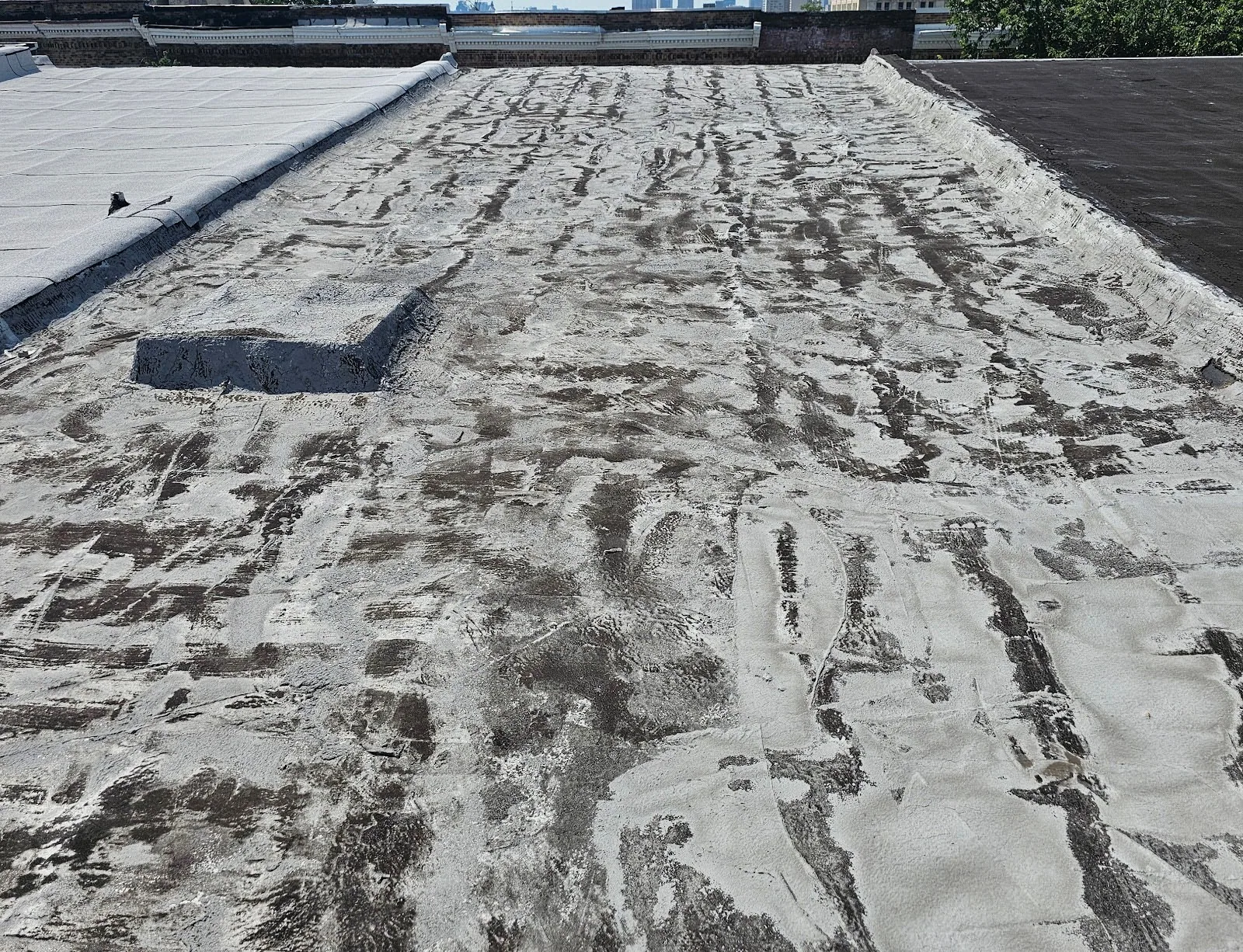
A seam repair needs dry access and a work window suitable for the material and repair method. We coordinate roof entry, staging and any facility schedule with the building contact.If water is entering at a seam, owners can call for help overnight, on weekends or holidays; we separate temporary protection from the lasting weld repair.
Greater Oyster Point combines healthcare, research, offices and retail near the city's central business district. Across town, Oakland Industrial Park contains heavier manufacturing. We set roof-entry and staging plans from each address and its actual loading route.
For a multi-building owner, condition reports can identify each seam, repair length and follow-up item. When a membrane repair involves a section of roof rather than one joint, recover and overlay options can be reviewed only after the current assembly is inspected.
Mark the Repaired Seam
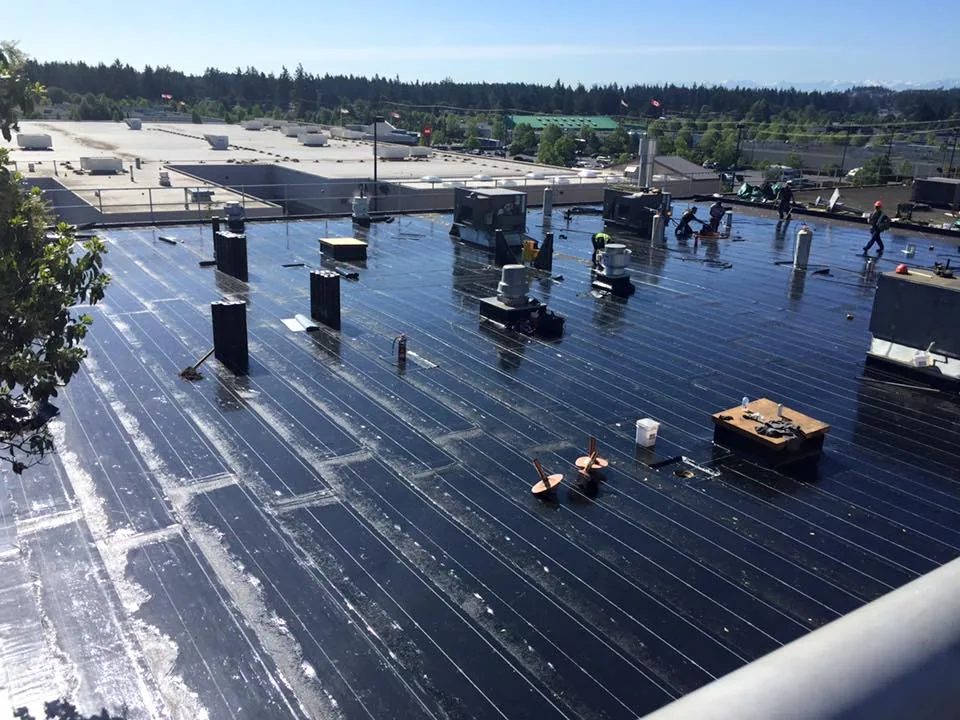
At closeout, we can photograph the repaired lap, note the system material and mark the section treated. If nearby seams were inspected but not included, the record says so. That gives maintenance staff a reference to compare with a future report and shows whether the same connection or another roof detail needs attention.
Provide the Newport News address, roof system if known, seam location and any interior water report. We will inspect the joint, define the repair and identify any test needed before scope can be confirmed. Emergency response is available around the clock for active roof leaks, including weekends and holidays. The inspection record can also be added to the property maintenance file.
A seam opening can reflect poor preparation, movement, incompatible repair material or repeated stress near a curb or edge. Inspect the length of the separation and adjoining field before choosing a patch. For heat-welded membranes, the repair must use compatible material and suitable preparation, followed by an appropriate probe or verification step. Record the seam location, repair length and any nearby condition that may have contributed so a future inspection can check whether the failure recurs.
Use a consistent location reference for the seam and photograph the finished detail. The next inspection can then verify whether the separation remains closed.
Questions About Commercial Roof Seam Failure Repair
Can an open roof seam be repaired without replacing the membrane?
Often, if the defect is limited and the surrounding membrane and substrate remain sound. We inspect adjacent material and identify whether the split is isolated or part of a wider pattern.
Why does the roof material matter for a seam repair?
A welded thermoplastic lap, an adhered EPDM joint and a formed metal panel use different connection methods. We identify the existing system before selecting compatible repair materials.
Will sealant stop water at a split seam?
Sealant alone may not restore a failed joint. The repair needs to address the connection and its substrate, with nearby flashing or membrane checked for a related opening.
How do you confirm whether moisture traveled beneath the seam?
We inspect the area and mark suspected moisture for testing or opening when needed. The report keeps confirmed repair quantities separate from an unverified wet area.
Can you repair seams during a leak emergency?
We can respond around the clock, including weekends and holidays, and address urgent water entry when safe access and conditions allow. Temporary protection is recorded separately from permanent repair.