Commercial Roofing for Logistics and 3PL Facilities in Newport News, VA
Commercial roof repair and replacement for Newport News warehouses and logistics operators, planned around loading, vehicle access and dispatch schedules.
Home / Industries We Serve / Logistics and 3PL
Logistics and 3PL
A roof repair can compete with the same dock space used for inbound freight. For logistics and third-party operators in Newport News, VA, the first task is to mark the affected roof area and show how material, lifts and crews will reach it without blocking the operating route. We inspect the reported condition, identify drains and transitions nearby, and describe the repair boundary. The site contact can then compare the work window with dispatch and loading activity.
Newport News has industrial properties tied to maritime freight, manufacturing and distribution. Copeland Industrial Park sits near the Port of Virginia, and the Patrick Henry Corridor includes the airport and major retail destinations. Each location brings its own traffic pattern; the roof visit still begins with the building itself.
Trace the Leak Across the Roof Zone
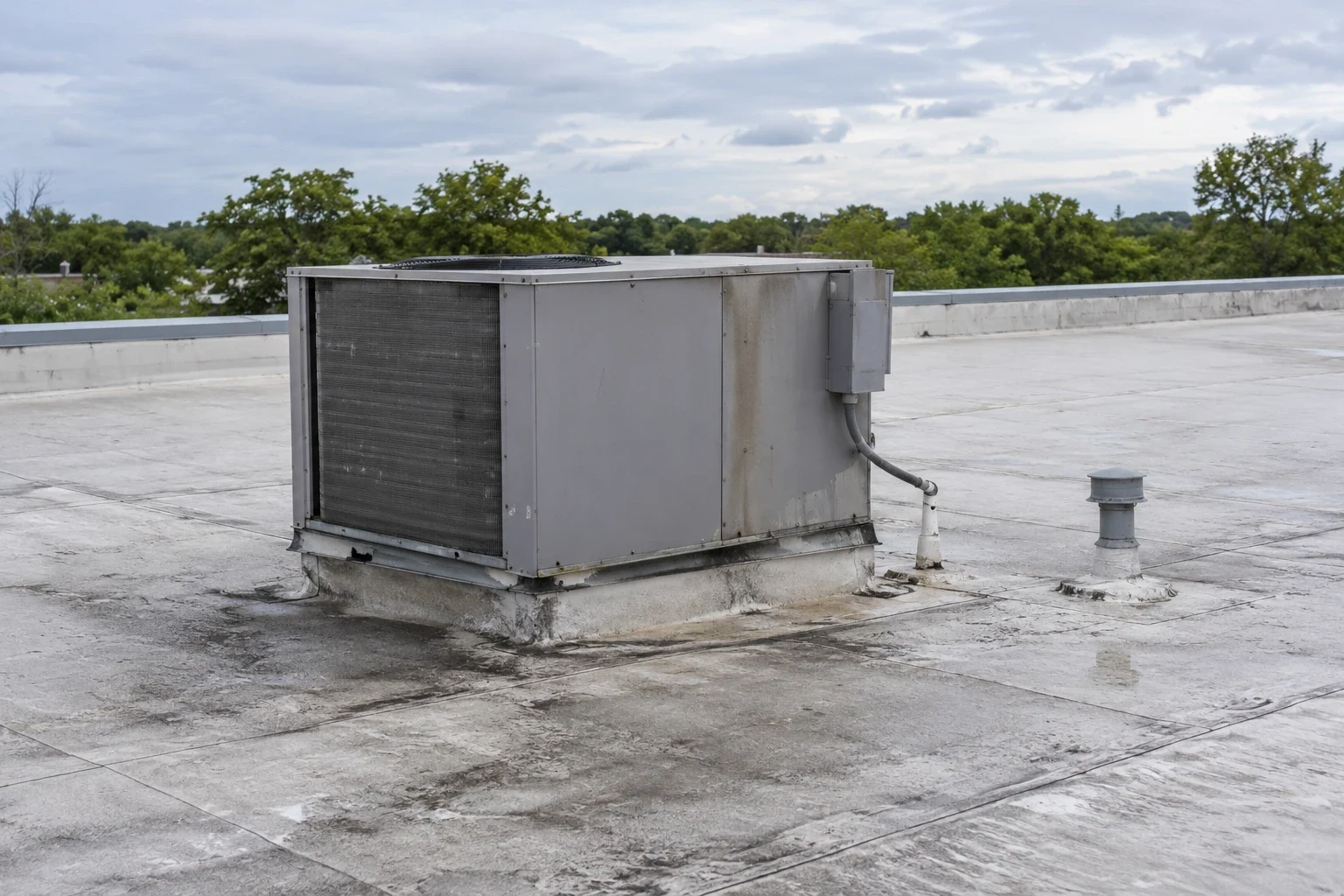
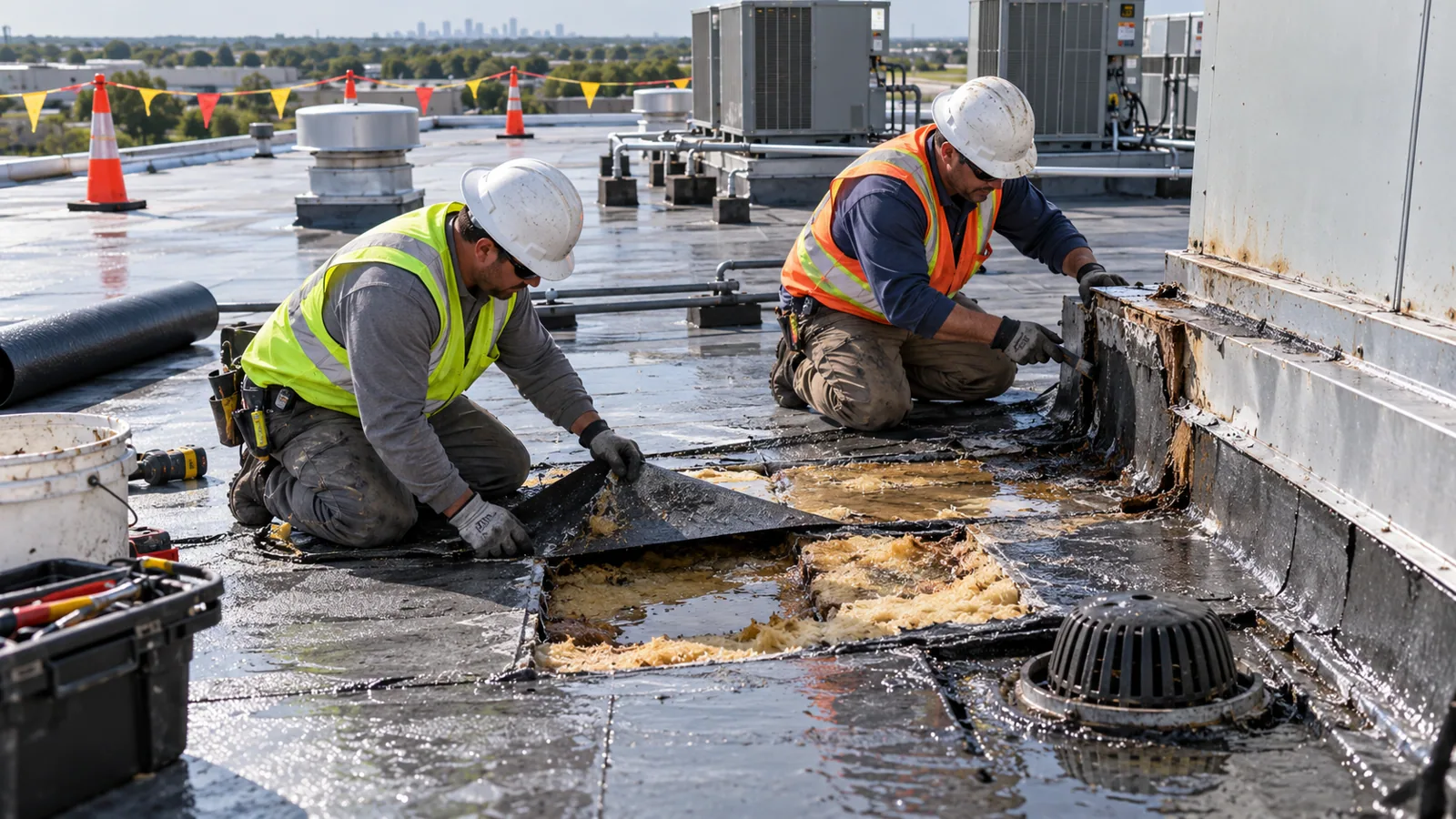
On a large warehouse, the interior drip may be far from the membrane opening. We check the roof above the report, then follow seams, penetrations, drains and changes in plane that could carry water. Rooftop units and exhausts can add flashing details, while frequent traffic near service paths can leave punctures or disturbed patches. We record what is visible and identify any suspected wet insulation that needs additional testing.
Our commercial inspection can provide photos and a marked location plan for the facilities file. Drone imagery may help establish the roof layout; infrared moisture survey work can point to areas for confirmation when conditions support it. We keep the known repair area separate from suspected moisture so a proposal does not turn an estimate into a claim about concealed conditions.
An active leak can receive emergency response at any hour, including weekends and holidays. If a dock, truck court or yard entrance affects roof access, tell us which route must stay open. We will identify the equipment and material path for the work plan, then coordinate with the site's operations contact.
Repair the Roof Without Losing the Route
A limited puncture or seam defect may be repaired without disturbing a sound surrounding field. More extensive wet insulation, recurring seam failure or deteriorated flashing can require a larger scope. We show the boundary that is measured and note the areas where testing could change the quantity. The work description should also state whether curb details, edge metal, drains or adjacent transitions are included.
For a broader roof project, coating, recover and replacement are not interchangeable choices. The existing membrane, substrate, moisture and assembly requirements determine whether another system is suitable. A recover may avoid full removal in some conditions but still needs compatible materials and code review. When deterioration is widespread or the assembly cannot support another layer, replacement may be the more defensible option.
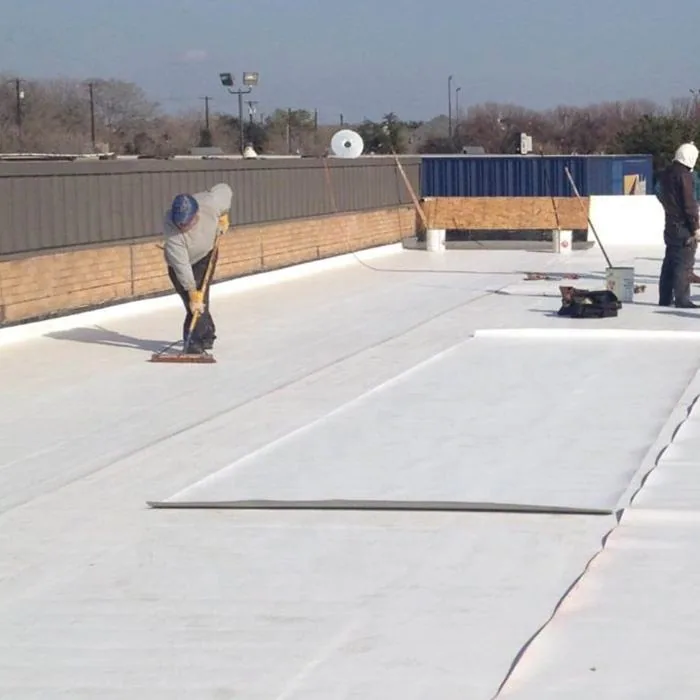
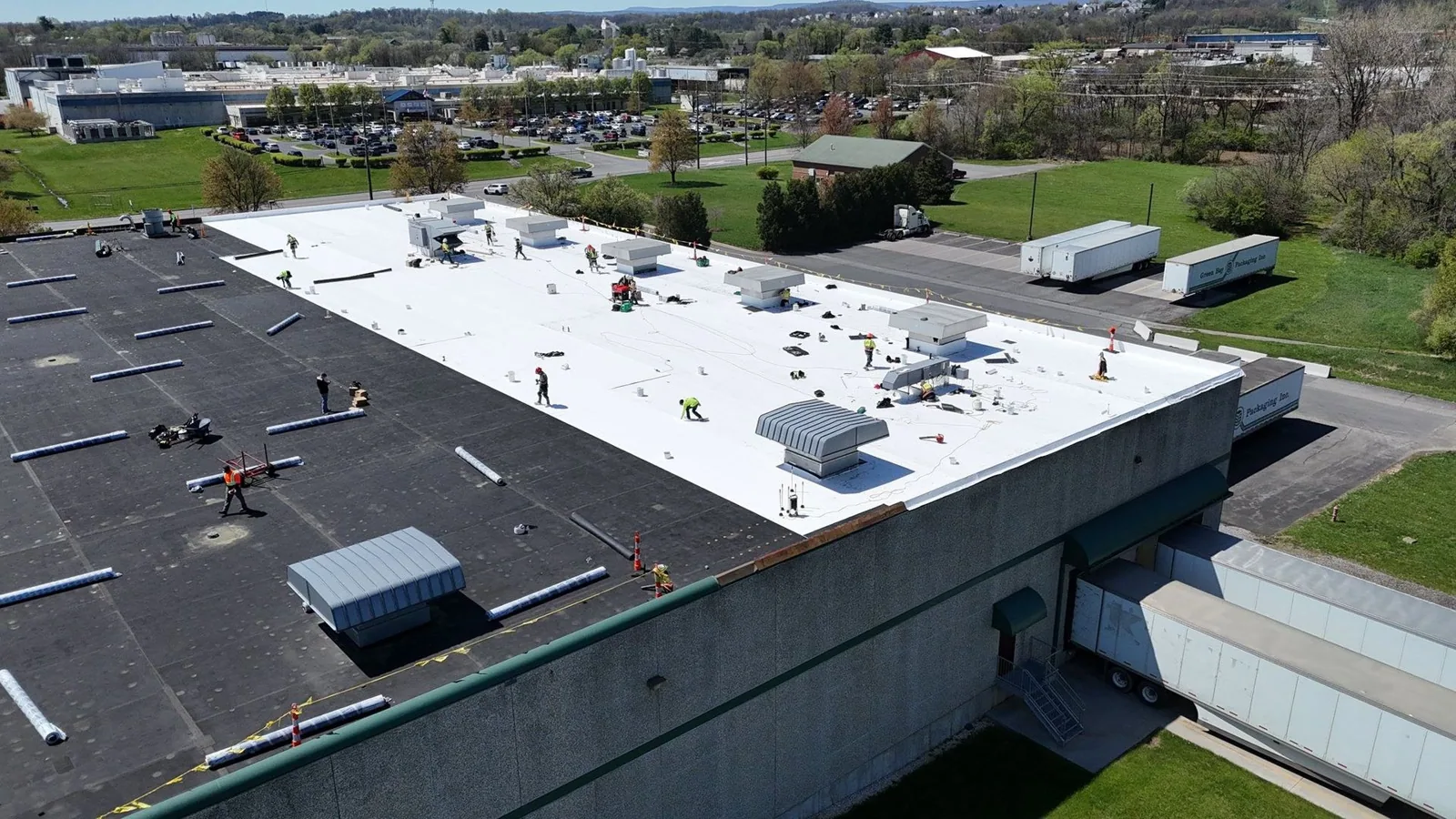
Phased reroofing can divide a large logistics roof into zones and define how loading or vehicle access will be protected during each stage. The sequence depends on available staging, weather and the way crews can reach the building. We state those conditions early so the operator can review them with dispatch staff.
Keep Roof Work Moving with Freight
Send the Newport News facility address, repair concern, dock hours and access route. We will document the condition and coordinate staging with your site contact.
Stage Work Around Freight Movement
Before scheduling, we need the facility address, roof access point, loading hours and any route that cannot be obstructed. The work plan identifies where materials can be unloaded, where a lift may operate and which doors or lanes are affected. If dispatch peaks or carrier appointments restrict access, those windows can be considered when assigning phases.
Copeland Industrial Park houses manufacturing operations near the Port of Virginia and straddles the Newport News-Hampton line. An operator there may coordinate roof access with both yard movement and plant activity. Patrick Henry Corridor contains the airport and retail destinations, so traffic and delivery routes can be different again. We use these place facts to frame the coordination questions, not to assume a schedule at any property.
For multi-location operators, multi-site roof records can list each facility's system, condition, leak reports and work status. Property managers can use that format to review building priorities across tenants. A manufacturing facility roof scope may include production limits that differ from a distribution center's dock schedule. We keep those operating assumptions attached to the correct address.
Measure Work and State the Assumptions
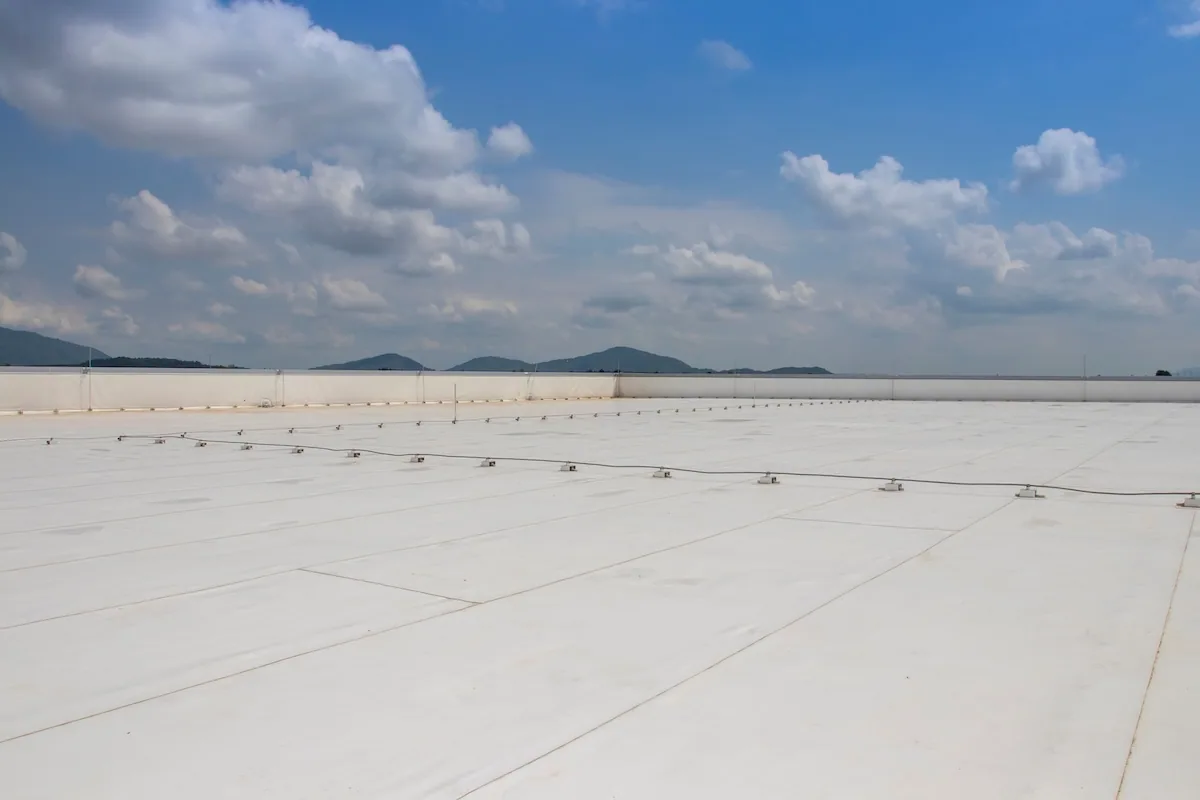
Roofing cost varies with system type, repair area, insulation, flashing, edge details, tear-off, disposal, equipment, staging and work hours. We measure the roof area and material quantities for the specific building before pricing replacement. We measure the confirmed area, identify where testing is needed and state whether the proposal assumes a clear route or a restricted delivery window.
Newport News design-weather records include intense rainfall, high basic wind and recurring freeze-thaw cycles. Warehouse operators should have drains, edges and seams checked because those are important water and attachment paths. We inspect the distribution roof and set scope from field findings and project criteria.
We can group immediate leak work separately from preventive repairs and planned replacement. Capital planning can show the condition and access reason behind each proposed phase. If the roof has a warranty record, we can document visible work areas and existing conditions so the owner can review the applicable terms before approving a repair.
Carry the Repair Record Forward
Closeout should identify the repaired section, photos and any adjacent issue excluded from the work. That lets a later shift or property manager see what has been completed without relying on a verbal handoff. If another report comes from the same bay, the roof plan can show whether it is a repeat symptom or a separate area that has not yet been inspected.
Maintenance visits can check drains, seams, rooftop equipment flashings and edge conditions before freight operations are affected by a larger leak. We state which roof sections were accessed and flag any location that needs a closer test.
Send the Newport News facility address, roof concern, dock schedule and access instructions. We can inspect, photograph the affected area and return a scope with measured work, staging assumptions and any open questions your operations team should settle before scheduling.
A logistics operator can help set a practical sequence by identifying dispatch peaks, trailer dwell areas, conveyor crossings and the routes needed for fire access. Connect each roof zone to the operation beneath it so a phased repair has a clear daily boundary. If an opening cannot be completed within the planned shift, document the temporary protection and responsible contact. A short shift handoff prevents the next operations team from relying on an outdated work status.
Questions About Logistics and 3PL
Can a repair avoid blocking active loading doors?
We identify roof access, unloading and staging needs in advance, then coordinate the affected zone with your operations contact. The workable route depends on the building and the access windows available.
How do you locate a leak in a large warehouse?
We inspect the roof above the report and trace nearby seams, penetrations, drains and transitions. If concealed moisture is suspected, we mark where further testing is needed before assigning a repair quantity.
Can you schedule roof work outside dispatch peaks?
We can plan around the loading and dispatch windows the facility provides. Share the times when carrier access, truck courts or dock doors must remain clear so the sequence can account for them.
Will a large roof always need full replacement?
No. The decision follows system condition, wet insulation, seam and flashing performance, and whether the assembly can support repair, restoration or a recover. We explain the evidence for each option.
What details help price a logistics roof repair?
Provide the address, leak location, roof access, dock hours and any restrictions on lifts, delivery or staging. Existing roof plans or repair records can help us prepare for the inspection.