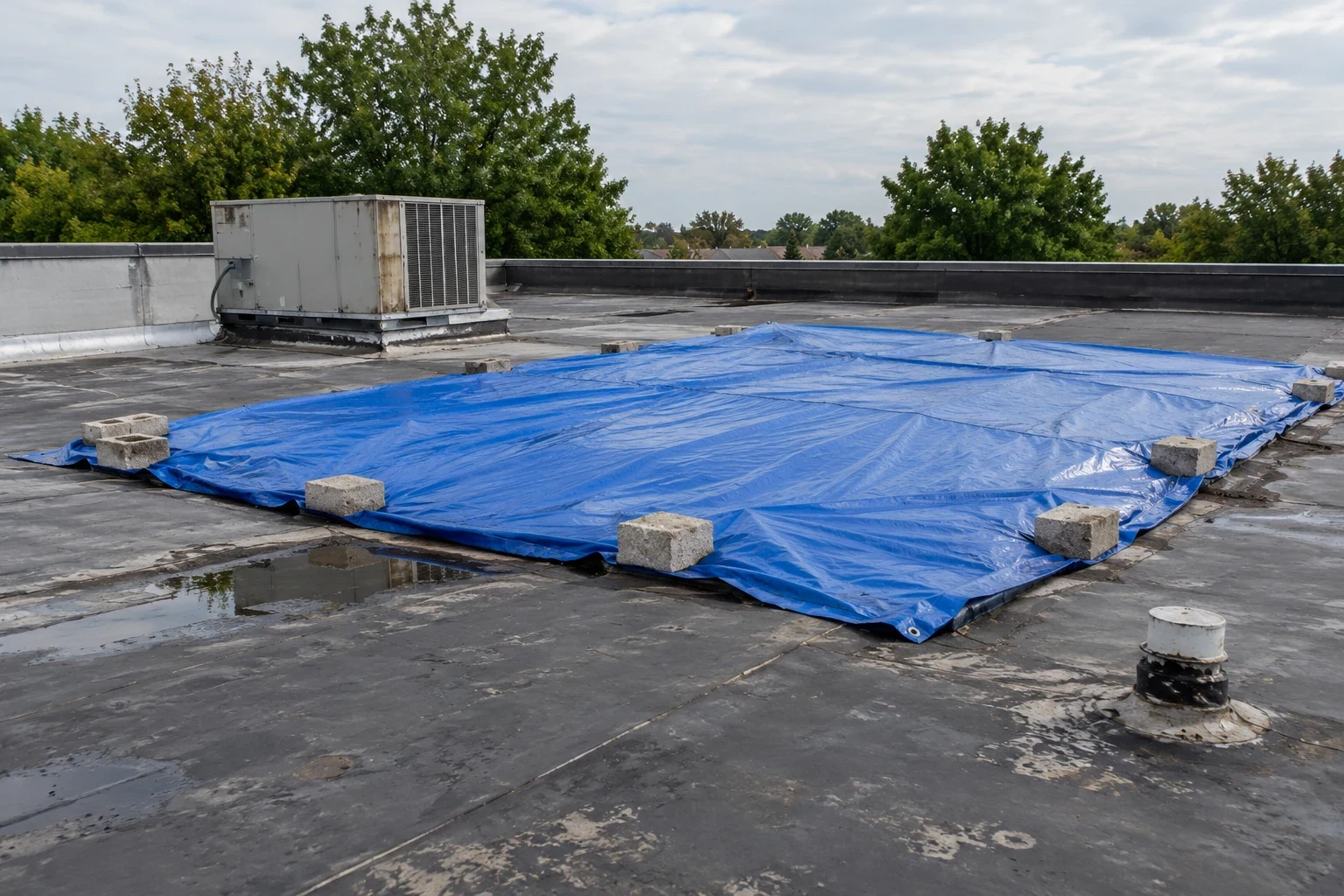
Commercial Roofing at Copeland Industrial Park, Newport News, VA
Plan commercial roof work at Copeland Industrial Park near Newport News, with manufacturer operations, truck access and measured repair needs considered.
Home / Service Areas / Copeland Industrial Park
Copeland Industrial Park
Roof work at Copeland Industrial Park has to fit an industrial schedule and the route used to reach the building. The established park straddles the Newport News and Hampton city line, houses national and international manufacturers, and sits near the Port of Virginia. Recent infrastructure work improved access for large trucks serving park companies. We confirm the property address, installed roof system, condition and delivery instructions with the facility contact before planning the work.
We inspect seams, flashing, drains, penetrations and perimeter attachment, then mark the confirmed repair area. Nearby Oakland Industrial Park is a separate Newport News industrial location; its building records and access assumptions stay with that site. Our scope follows Copeland's address and operating conditions.
Check the Roof Before Planning the Delivery
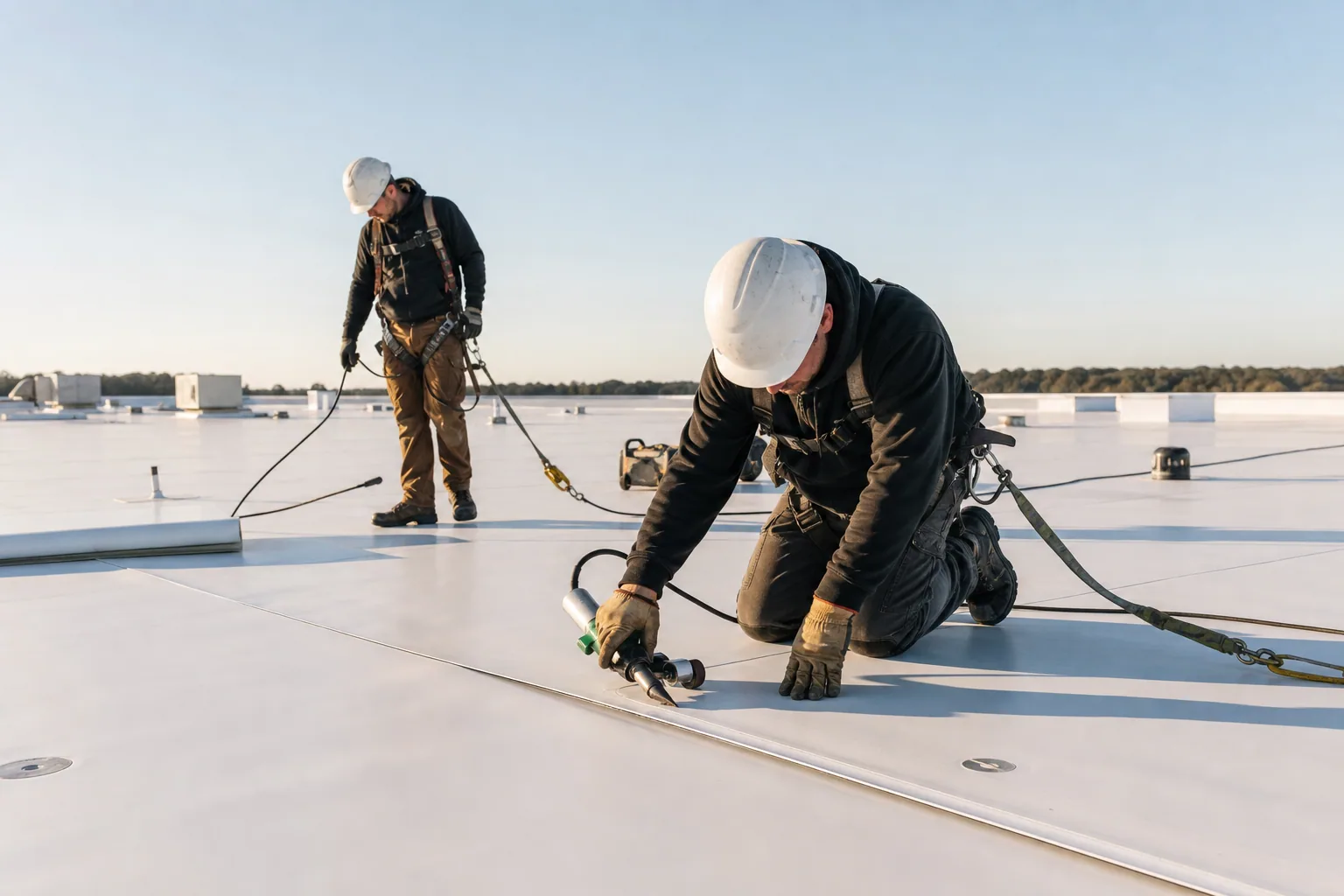
The first walk records the membrane or metal system we can identify, along with seams, flashing, drains, curbs, equipment supports and roof edges. Inside, the plant contact can identify the room or process area affected by a leak. We trace likely water paths on the roof and photograph the detail that supports the repair boundary. If moisture may extend beneath the surface, we identify where a survey or test opening could establish whether insulation or deck needs attention.
We ask the facility contact about rooftop equipment, process limits, delivery windows, lift routes and zones that must stay clear. A commercial roof inspection can document what is confirmed and what remains open before the proposal fixes quantities.
The local design file sets the basic-wind reference at 100 mph for 50-year recurrence and rain intensity at 3.4 inches per hour for a 100-year event. We examine Copeland roof edges and drainage, then scope from field conditions.
Choose the Work That Matches the Assembly
A puncture or flashing split may need only a local repair if the surrounding material is dry and stable. Repeat leaks, open seams, loose edge metal or wet insulation can require a larger scope. We measure the confirmed area and identify suspected zones separately. If an opening or moisture survey may change the repair quantity, it appears as a needed investigation rather than an assumed removal area.
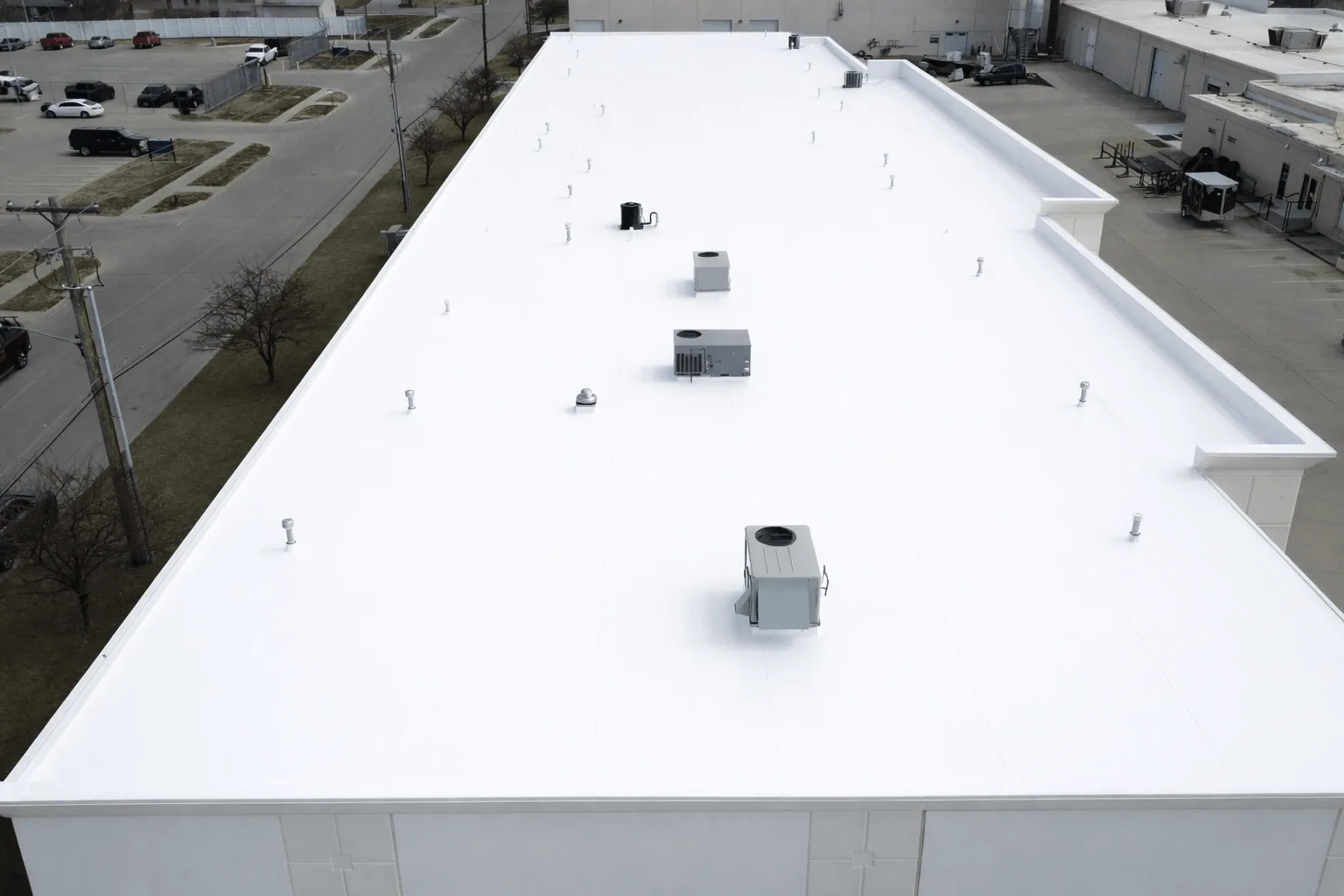
Recovering, coating and replacing a roof solve different conditions. A recover depends on the existing layers, attachment, deck, drainage and available height at drains and equipment curbs. A coating needs a compatible surface and does not correct trapped water or a weak substrate. Replacement can remove damaged layers but affects disposal, temporary protection and truck staging. We compare options after inspection and state which findings support each one.
For manufacturer operations, manufacturing-plant roof planning can address process areas and access. A phased reroof plan may separate zones so the plant can review the sequence. The roof material itself is selected after we confirm the deck, slope, system and project criteria.
Arrange a Copeland Industrial Park Roof Review
Send the property address, roof concern, work hours and delivery instructions. We will inspect the assembly and coordinate a measured scope with the site contact.
Separate Measured Work from Site Assumptions
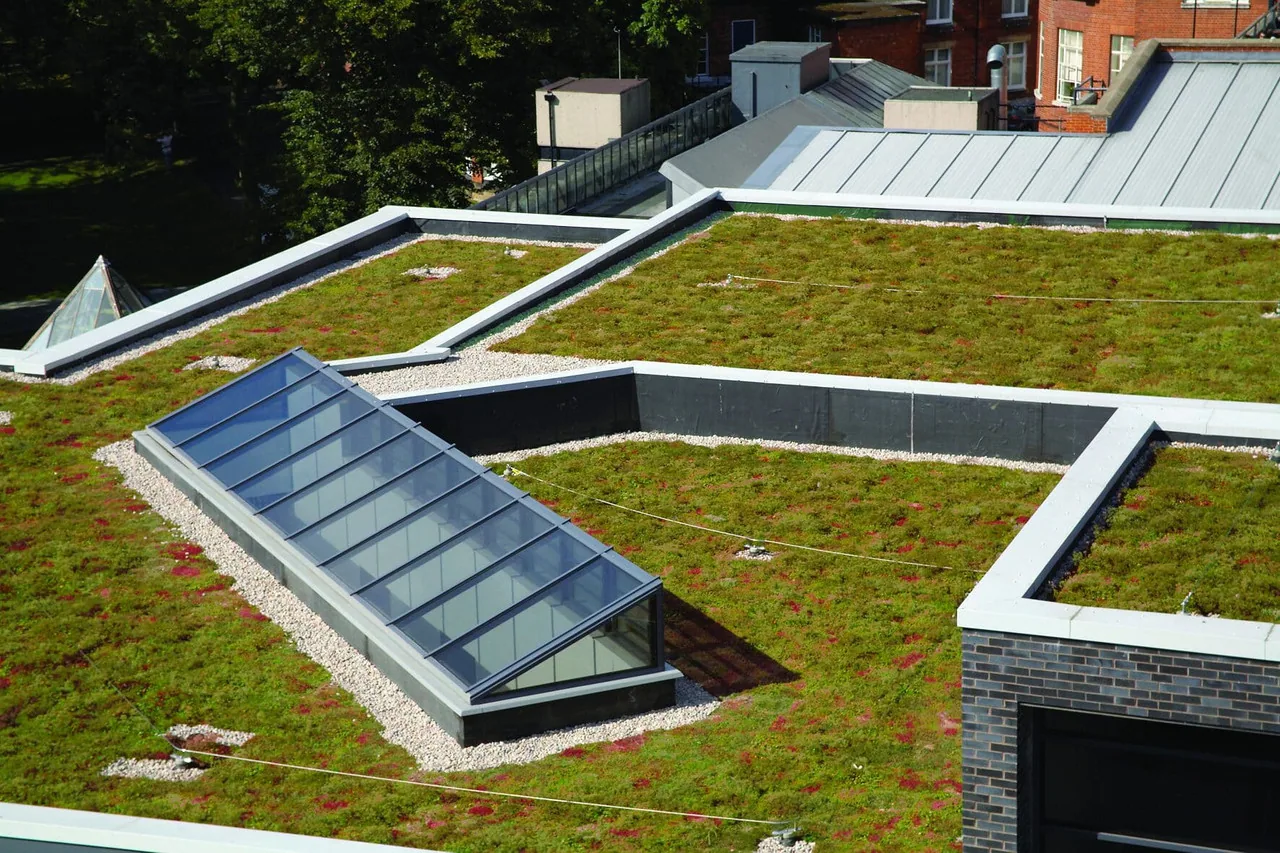
Roof scope and cost follow measured repair area, system type, insulation, cover board, flashing, drains, curbs, edge metal, removal, disposal, access and work hours. We measure the building roof and list confirmed quantities alongside assumptions about loading, delivery, equipment and work zones. If concealed damage appears after opening, we document its location and size before requesting a change.
Recent infrastructure work improved large-truck access in the park. Before mobilization, the facility contact confirms the current route, gate and staging instructions. The estimate can state whether material delivery requires a specific time or a cleared laydown area. If that requirement is unknown, we flag it before mobilization. This keeps logistics visible instead of burying them under a general roofing line item.Copeland facilities may call about active roof leakage any hour, including weekends and holidays; we coordinate plant access before setting temporary controls. We can list temporary water control separately from permanent repair. A capital plan can compare immediate repair and later replacement using documented condition. A roof condition report can retain photos, testing needs and repair boundaries at the property.
Because the park crosses the Newport News and Hampton line, the building address belongs on every scope, access note and service record. A neighboring property's city does not establish who controls this roof or its entrance. We confirm the facility contact, approved delivery path and work hours for the actual building, then keep measurements and change requests tied to that address. The park's truck-access improvements are useful planning context, while the current route and available staging still need confirmation at the site.
Coordinate Plant Activity and Truck Movement
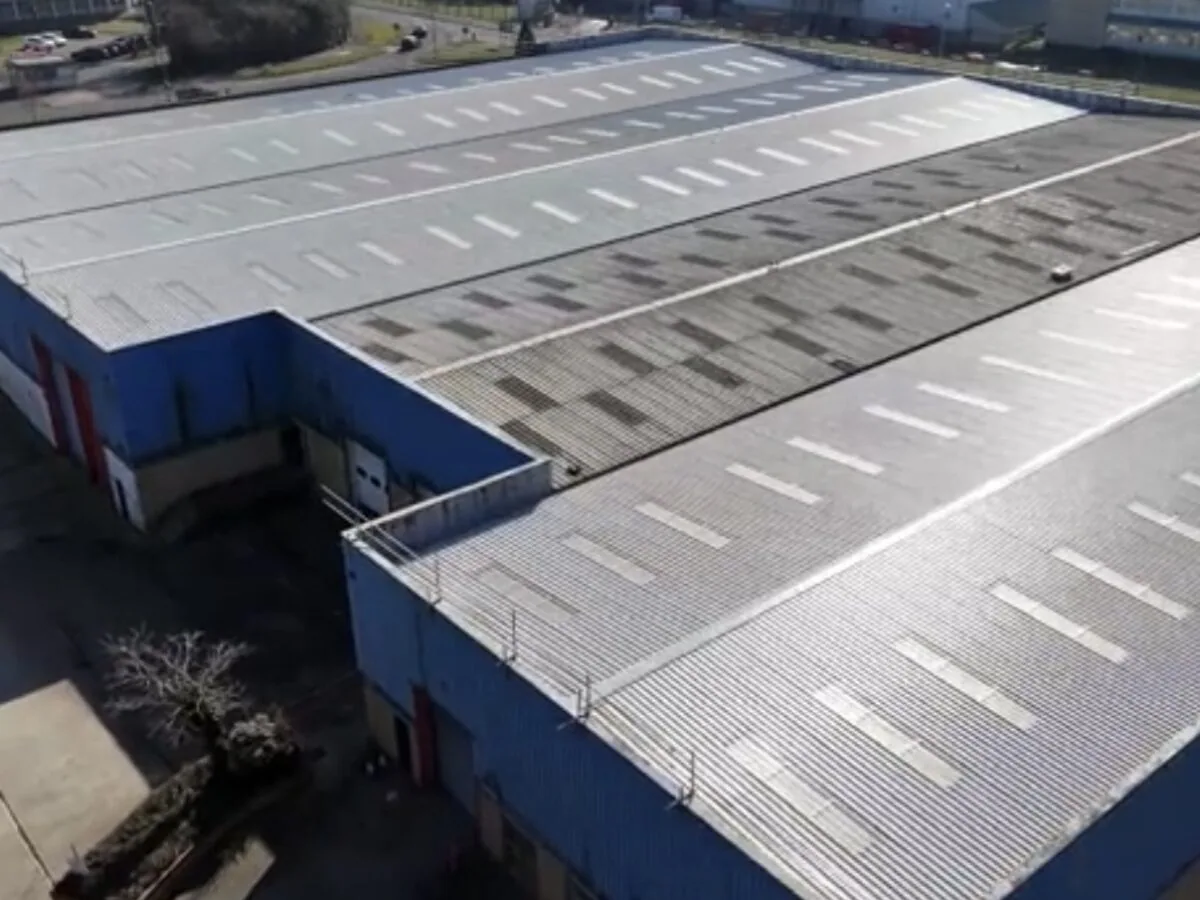
Before scheduling, we confirm work hours, access points, material staging, equipment clearances and any production shutdown. Recent truck-access improvements support delivery planning; the site contact confirms the current route and restrictions for the building. We can then set the daily work boundary and the quantity of roof that can be opened and closed during each shift.
The park's location near the Port of Virginia and its manufacturer base makes schedule coordination important. The facility contact provides operating hours, hot-work controls, equipment-isolation needs and routes that must remain clear. These details affect staging and sequence. Weather, surface preparation and material requirements also determine whether the planned work area can be safely closed each day.
Other areas such as Patrick Henry Corridor / AirCommerce Park have different retail and aviation uses. Those locations need their own access plans. We keep Copeland's route notes, contacts and project records tied to the correct address.
Retain a Site-Specific Roof Record
Closeout should note the system observed, measured repair location, materials used, photographs and remaining recommendations. A roof plan can help a later shift or facility manager distinguish work already completed from a section that still needs testing. If access or truck staging affected the project, we can retain those instructions alongside the service record so the next visit begins with current site information.
Maintenance can revisit seams, drains, edge metal, flashing and equipment supports before water entry affects production. We list accessible areas, findings and any test or repair still open. Warranty documents, if part of the file, set their own service requirements. Our report records roof conditions observed, work performed and any open recommendations for the property.
To arrange an inspection, send the building address, leak location, operating schedule, roof plans and available delivery instructions. We can inspect the assembly, document the repair boundary and set a work window with the facility contact. The record remains specific to the Copeland property even though the park crosses a city line.
Questions About Copeland Industrial Park
Does Copeland Industrial Park belong to Newport News or Hampton?
The park straddles the city line. We confirm the individual property address and the responsible site contact before coordinating a roof visit or project.
Can roof deliveries use the improved truck access?
The park's access improvements are part of its local context, but the facility contact must confirm the route, gate, delivery time and staging area available for a specific job.
Can roofing work proceed during manufacturing?
We coordinate access, protected areas, delivery and any shutdown window with the site's contact. The work sequence depends on the roof, process restrictions and amount that can be closed each shift.
How do you estimate a repair before opening the roof?
We measure visible work and identify concealed areas that need testing. If removal reveals more wet insulation or deck damage, we document it and request authorization before adding work.
What should I send before scheduling?
Provide the address, roof concern, operating hours, delivery route, contact and any roof plans or prior repairs. Those details help us inspect the correct building and plan access.