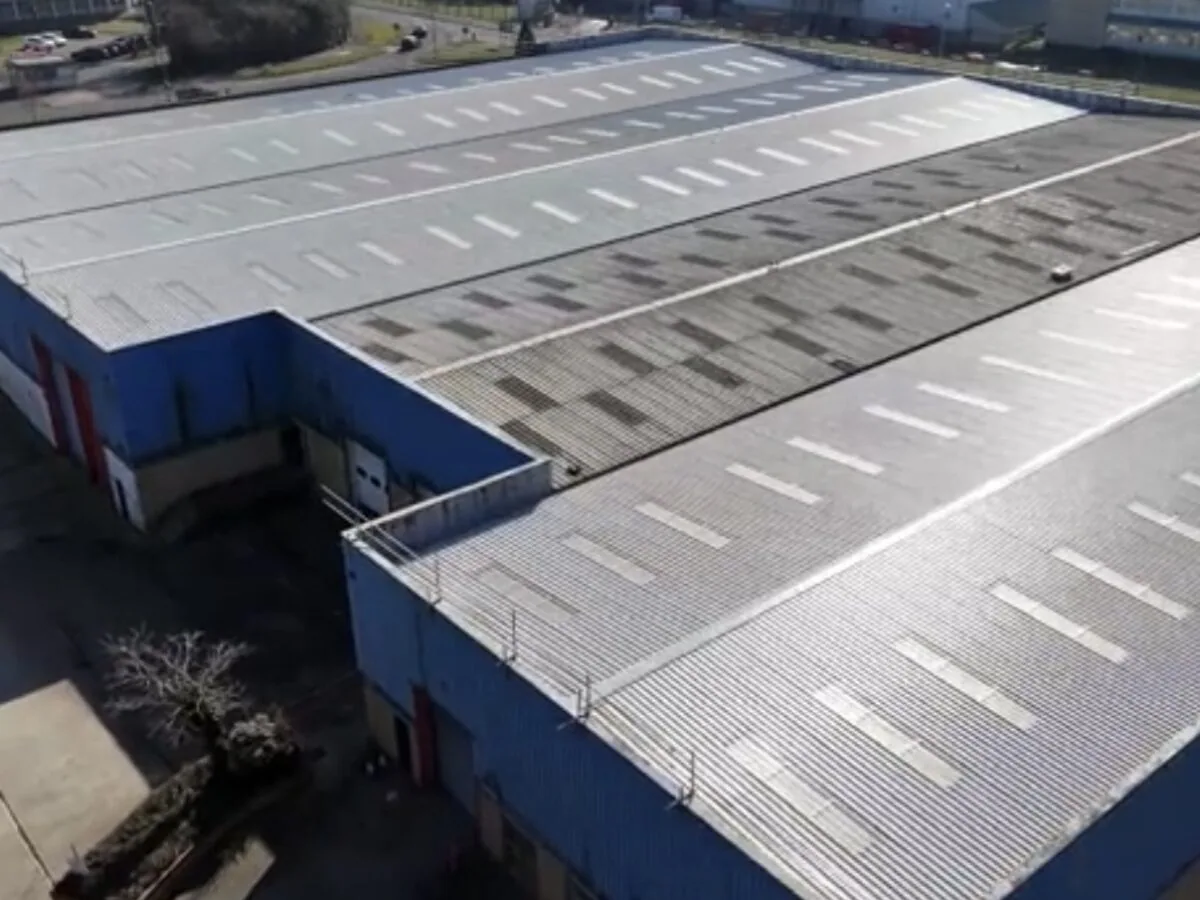
Modified Bitumen Roofing in Newport News, VA
Inspect, repair or replace modified bitumen roofing in Newport News with attention to ply seams, flashing, drainage and occupied-site timing.
Home / Roof Systems / Modified Bitumen Roofing
Modified Bitumen Roofing
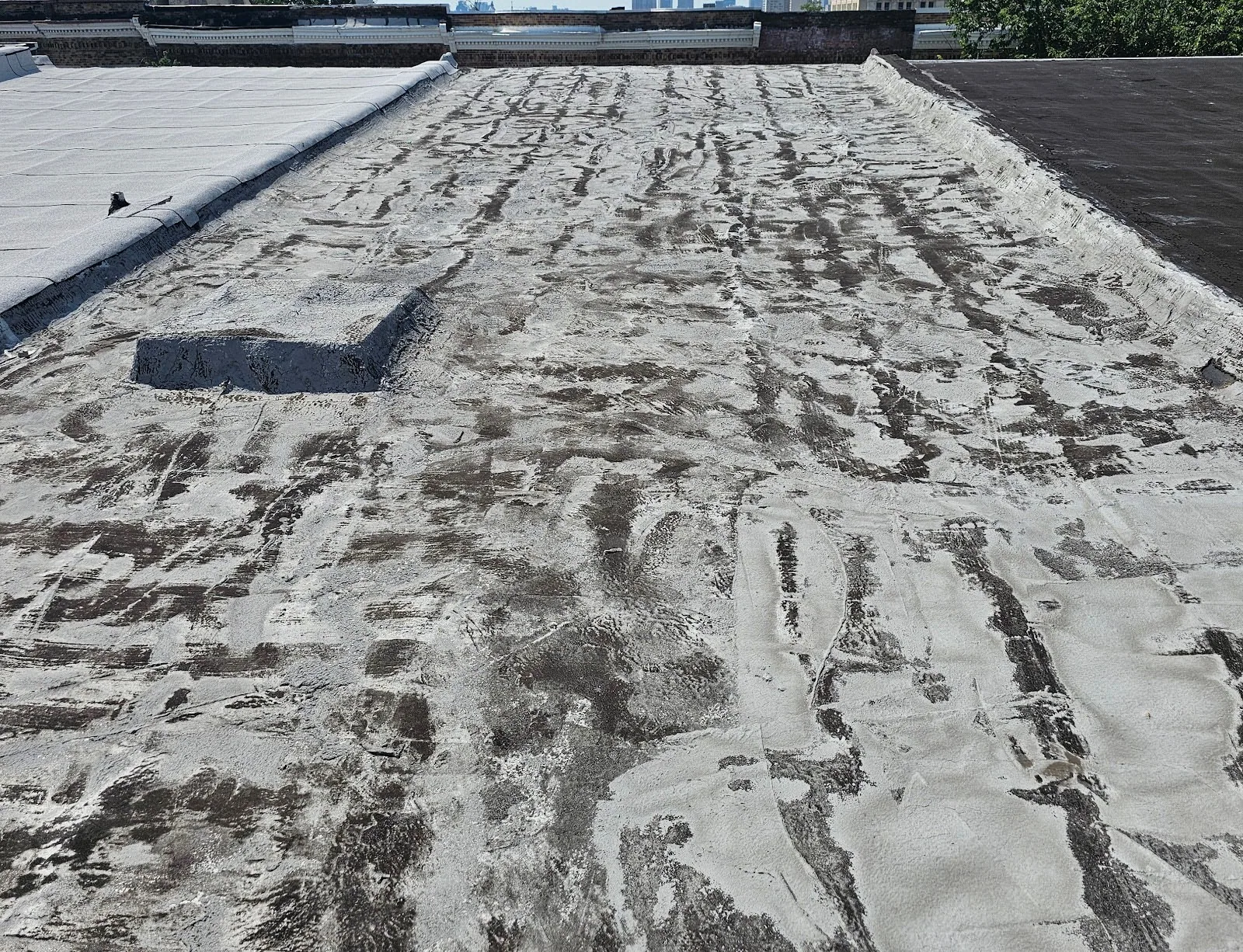
A lifted lap on a modified bitumen roof can let water travel beneath more than the visible edge. Modified bitumen roofing in Newport News, VA uses reinforced asphalt sheets, commonly installed in multiple plies, with seams and flashing that need careful review. We inspect the cap sheet, laps, penetrations, drains, edge conditions and substrate before choosing between a local repair and broader work. Newport News has a substantial maritime and manufacturing base, including properties near Oakland Industrial Park and Seafood Industrial Park. Active operations influence staging, but the roof evidence determines the repair boundary.
Ply Edges and Surface Wear
Modified bitumen may have a mineral-surfaced cap sheet, a smooth surface or a protective coating. We look for open laps, splits, blisters, exposed reinforcement, displaced granules and repairs that no longer bond. Around drains, parapets and curbs, we check how the plies turn up and terminate. A surface crack may remain local, while a loose lap with wet insulation below it needs a different scope. We photograph defects and note whether moisture testing or a small opening is needed.
Newport News design weather includes intense rainfall and recurring freeze-thaw conditions. Water can enter at an open lap and move before it appears inside, while persistent ponding can keep a seam under stress. A commercial roof inspection can trace visible conditions and document the measured area. If the membrane layers are concealed or the leak boundary is unclear, a photo condition report can organize follow-up testing by roof section.
Torch, Adhesive and Repair Details
Repair materials and installation methods have to match the existing assembly and site safety plan. Depending on the system, a repair can involve compatible asphaltic materials, adhesive, heat-welded sheet or another approved detail. We do not select a method from the surface appearance alone. At a penetration, we check the base flashing, counterflashing and termination, then extend the repair far enough to bond to sound material. Hot work, where specified, requires a controlled area and fire-protection procedures agreed for the property.
Shipbuilding, marine repair and fabrication operations make site coordination especially relevant around the James River. The building contact can identify combustible materials, air intakes, work permits, roof access and operating hours. Where a repair must happen outside a planned project, our 24-hour emergency response can assess water entry and temporary protection, subject to the property's access and safety requirements. We document the temporary measure and what remains for permanent repair.
The repair method should match both the existing surfacing and the allowed work conditions. Before heating or applying adhesive, we check nearby combustibles, penetrations, wall surfaces, and the underside of the deck where access permits. Granules can hide a split or prevent a new layer from bonding, so loose surfacing is removed only within the prepared repair area. We document the tie-in where new material meets the existing cap sheet. A clean lap and protected edge matter more than making the patch look uniform from a distance.
Review Modified Bitumen Roofing
Share the property address, known roof layers, leak locations and operating hours. We will inspect laps and flashings, then outline a measured repair or replacement scope.
Recover or Full Replacement
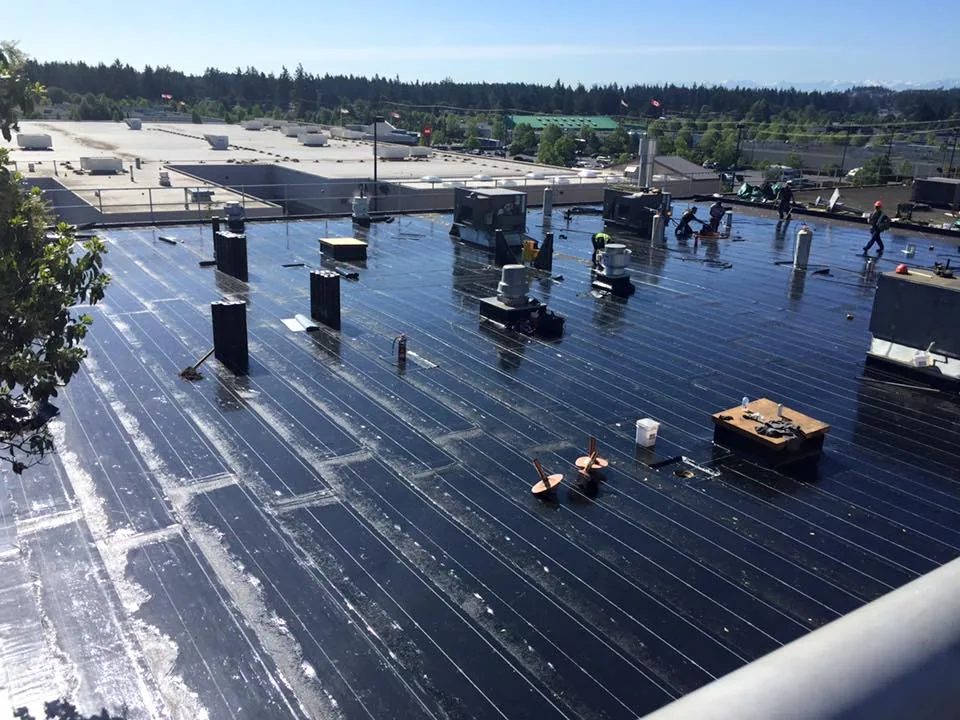
A targeted repair may be enough when the plies remain bonded, the insulation is dry and the failure has a clear edge. A recover can be evaluated when the assembly can accept another layer under applicable code and project requirements. Widespread blistering, wet insulation, unstable deck or repeated open seams may favor removal. Existing layer count, roof height, drainage and attachment are part of that review. We identify the tests that support the choice and state where hidden conditions could change the final quantity.
Property use varies between the central business district at Greater Oyster Point and City Center, the shipbuilding corridor and research facilities near Tech Center. For another membrane option, compare built-up roofing or TPO against the building's design and access needs. A recover scope should preserve drainage and details rather than simply add a layer across existing defects.
Removal, Staging and Cost
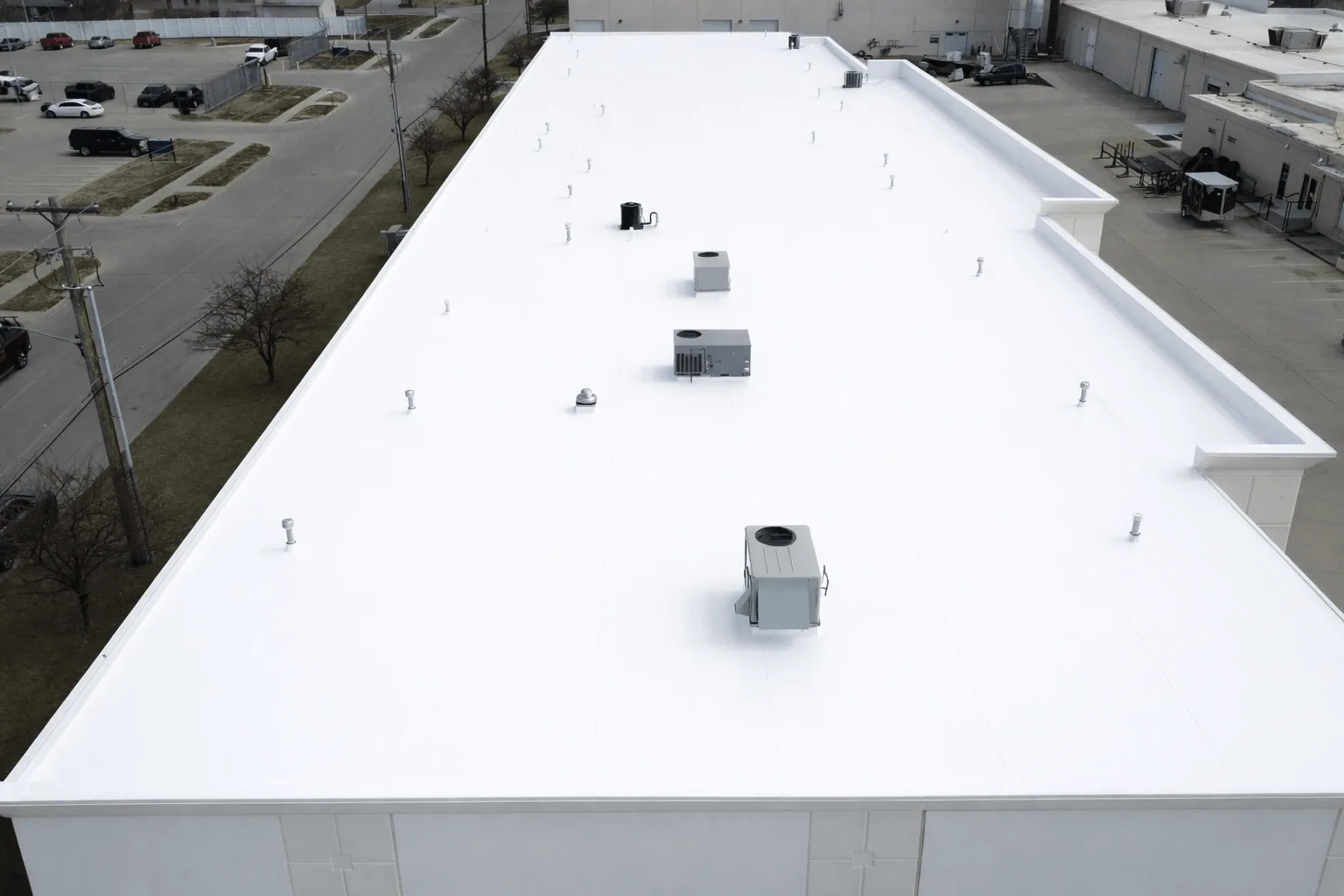
Estimate drivers include roof area, number of existing plies, tear-off, insulation, cover board, deck repair, edge metal, drains, penetrations and staging. Torch work can require additional safety controls and fire watch. Access height, hoisting distance, occupied rooms and debris removal also affect the schedule. We separate confirmed work from unknown deck or moisture conditions so the owner can see what is included before tear-off and how concealed repairs will be handled.
Newport News summer heat and humidity can affect work hours and material handling, while wind or rain may constrain exposed sections. We set the open-roof limit around the daily dry-in capacity. For phased capital work, a roof capital plan can compare areas needing immediate repair with sections that can be monitored. Full removal pricing belongs beside a replacement scope that lists temporary protection and disposal assumptions.

Protection During the Shift
Modified bitumen installation relies on suitable surface conditions, secure seams and controlled transitions at every day's stopping point. Rain can interrupt bonding or hot work, and wind can affect rolls, sheets and edge protection. Before work begins, we agree on hoisting, staging, fire protection where relevant, access routes and the interior areas that need attention. Every opened section is closed or temporarily protected before the crew leaves.
A building near the Port of Virginia's Newport News operations or an active manufacturing site may need delivery windows coordinated with other work. In office and research areas around Oyster Point, occupants and equipment can shape lift and noise timing. Facility staff identify air intakes, tenant notices and shutdown limits; we sequence removal around those constraints. Where roof work affects service to rooftop units, an equipment-curb review can include transitions and support details in the same project scope.
Ply and Repair Records
Closeout should describe the installed ply system, surface protection, flashing work, drainage observations and completed repair areas. Photographs help maintenance staff find seams and transitions without walking the whole roof to locate them. Keep records of later equipment work, since a new pipe or support can interrupt the membrane and create a leak path. A maintenance visit can compare the documented repair boundary with conditions after seasonal weather.
Send the Newport News address, known roof type, leak history and operating schedule. We can inspect the assembly, document test needs and compare repair, recover and replacement using measured conditions. If the facility is near the waterfront, identify delivery or safety procedures when requesting the visit. Use the project contact form to share plans or prior reports.
Questions About Modified Bitumen Roofing
Can a modified bitumen roof be repaired without tear-off?
A local repair can work when the surrounding plies are bonded and the substrate is dry. We check the seam, flashing and moisture boundary before limiting the scope to a surface repair.
Does modified bitumen use a torch?
Some assemblies use torch-applied sheets, while others use adhesive or self-adhered products. The existing system and project specification guide the method, with site fire controls established before any hot work.
Can another roof go over modified bitumen?
A recover is reviewed against moisture, layer count, deck, roof height, drainage and code requirements. Testing may show that sections need removal before a new assembly can be considered.
Why are blisters appearing in the cap sheet?
Blisters can reflect trapped air or moisture, bond problems or movement in the assembly. We inspect their pattern and nearby seams, then determine whether testing or a repair opening is warranted.
How do you protect a building during tear-off?
We limit removal to the area that can be inspected and dried in within the work window. The plan addresses occupied rooms, equipment, staging and daily temporary protection.