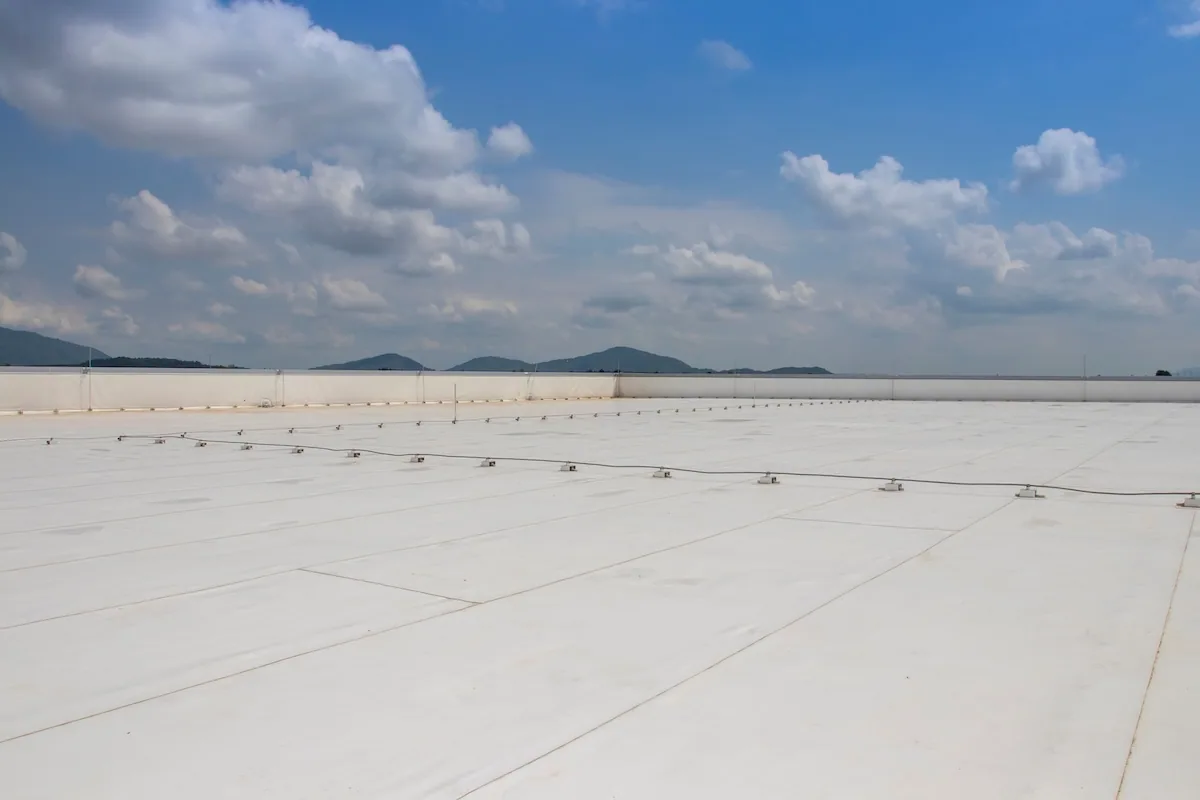
KEE Roofing in Newport News, VA
Review KEE roofing for Newport News commercial buildings, including membrane selection, welded seams, flashing, maintenance and replacement scope.
Home / Roof Systems / KEE Roofing
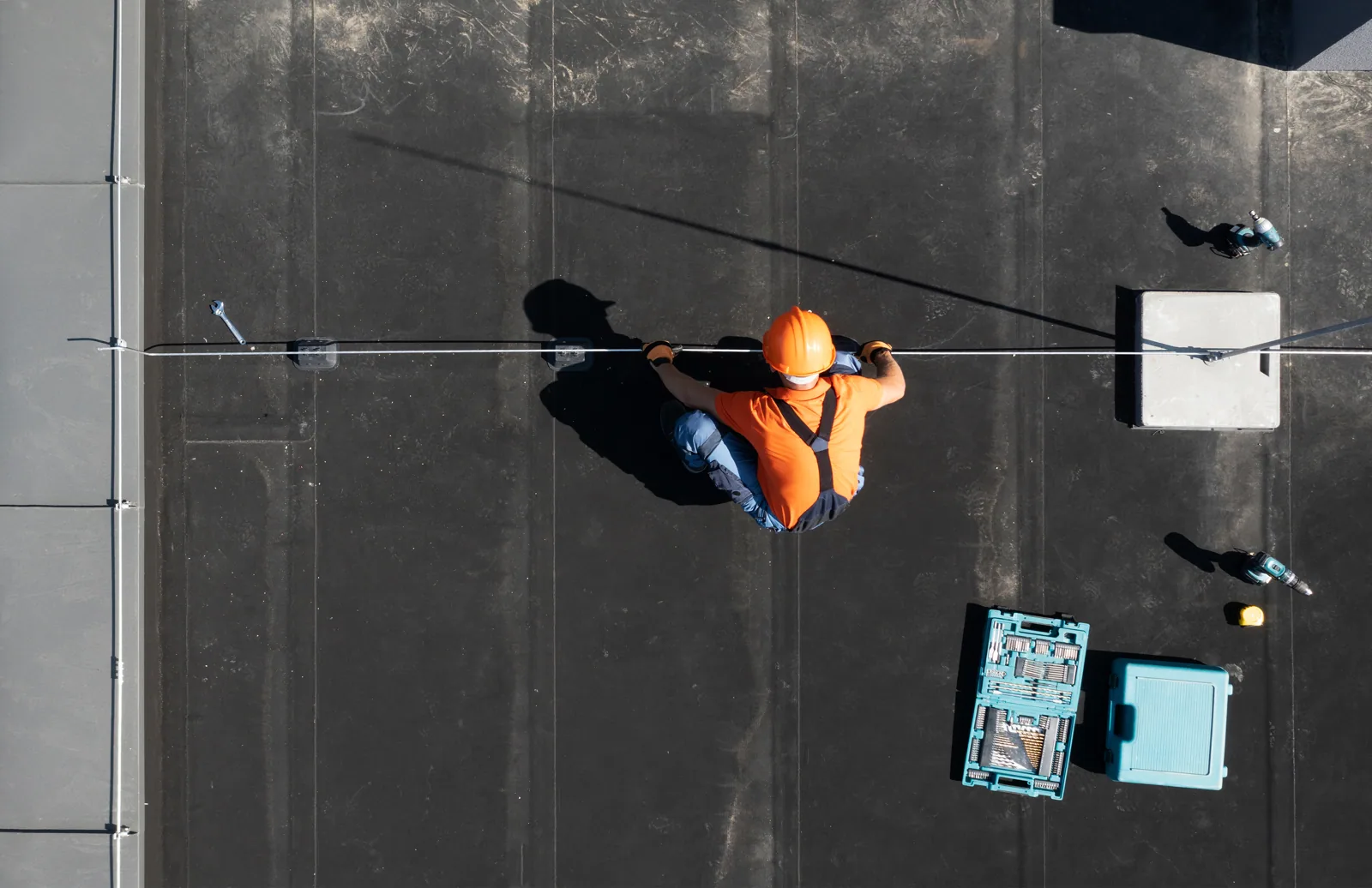
KEE Roofing
A roof near a kitchen exhaust or process area needs a membrane selected for what reaches its surface. KEE roofing in Newport News, VA uses a ketone ethylene ester alloy membrane, commonly associated with PVC technology, and the project still needs to match the actual exposure and assembly. We review product data, substrate, attachment, seams, flashings and drainage before pricing a repair or replacement. The city's shipbuilding, marine repair and manufacturing base includes facilities with varied rooftop processes, while offices and research buildings around Greater Oyster Point and City Center may have a different equipment layout. We use the building's use and roof evidence to define the system requirements.
KEE and PVC Product Selection
KEE is not a substitute for checking the exact membrane product. Formulation, reinforcement, thickness, attachment and chemical-resistance data vary, so the submittal should identify the product and the exposure it is expected to handle. We ask what substances may contact the roof, how often cleaning occurs and whether exhaust can carry oil or grease onto nearby surfaces. The selected sheet must also be compatible with flashings, adhesives, insulation and the project specification.
We verify the chemicals and cleaning products that may contact a roof before selecting a KEE membrane or repair detail. Seafood processing at Seafood Industrial Park, a manufacturing process near Oakland Industrial Park and an office near Tech Center each require the facility contact to confirm actual conditions. Compare PVC membrane options with TPO assemblies by their documented suitability, not by a generic claim about one material being right for every roof. If the existing sheet is unidentified, sampling or manufacturer review may be needed before specifying a repair material.
Existing Roof and Seam Review
Heat-welded seams need clean surfaces, steady heat and adequate pressure. We look for open laps, contamination, fishmouths, weak welds, punctures, brittle areas and patches that do not match the surrounding sheet. At a curb or parapet, the flashing has to turn and terminate without a loose edge or exposed path for water. We also inspect insulation, cover board, attachment and interior conditions where they can be checked, because a surface-level patch will not correct a wet or moving substrate.
Newport News receives intense design rainfall and cycles through freeze-thaw conditions. That pattern makes drain performance and flashing transitions important alongside membrane condition. A commercial inspection can map visible defects and testing needs; a roof condition report can attach photographs to measured locations. We note where a detail looks repairable and where opening the assembly is the only way to confirm what lies below.
A test weld is most useful when it answers a specific question about surface age, contamination, or the proposed patch sheet. We record the prepared area and the result before repeating that setting across a larger repair. At a corner or curb, the transition may need a separate flashing detail even when the adjoining field weld passes. The repair boundary should include each stressed edge, not only the point where water first appeared.
Review KEE Roofing in Newport News
Provide the building address, known membrane, exposure concerns and operating schedule. We will inspect the roof and identify compatible repair, restoration or replacement options.
Repair Boundaries and Field Work
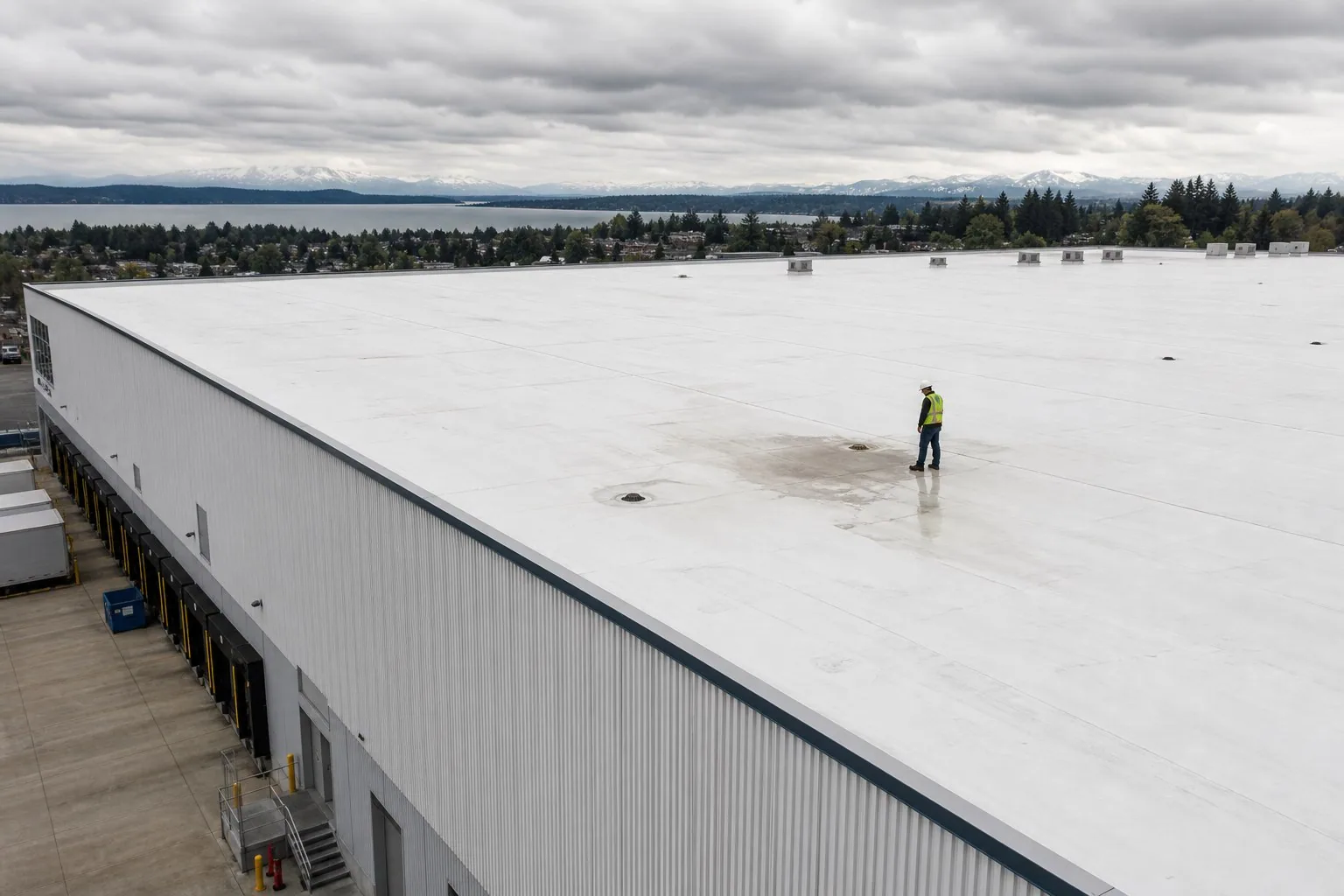
A local KEE repair starts with confirming the membrane and choosing a compatible patch or flashing. We clean the surface using the product requirements, prepare the weld area and check the completed seam. If a puncture sits beside a failing curb, we include the transition rather than stop at the visible hole. When repeated seam failures appear across several roof sections, the estimate should explain whether the issue is isolated, related to attachment or part of a wider system condition.
Access and work hours matter on Newport News industrial properties. A marine supplier or fabrication operation may need delivery routes and equipment clearances kept open, while a research or health-care property can restrict noisy work around occupied areas. The contact identifies air intakes, sensitive rooms and shutdown windows. For active leaks outside planned maintenance hours, an emergency roof response can assess temporary protection and the next safe repair step.
Scope, Testing and Cost
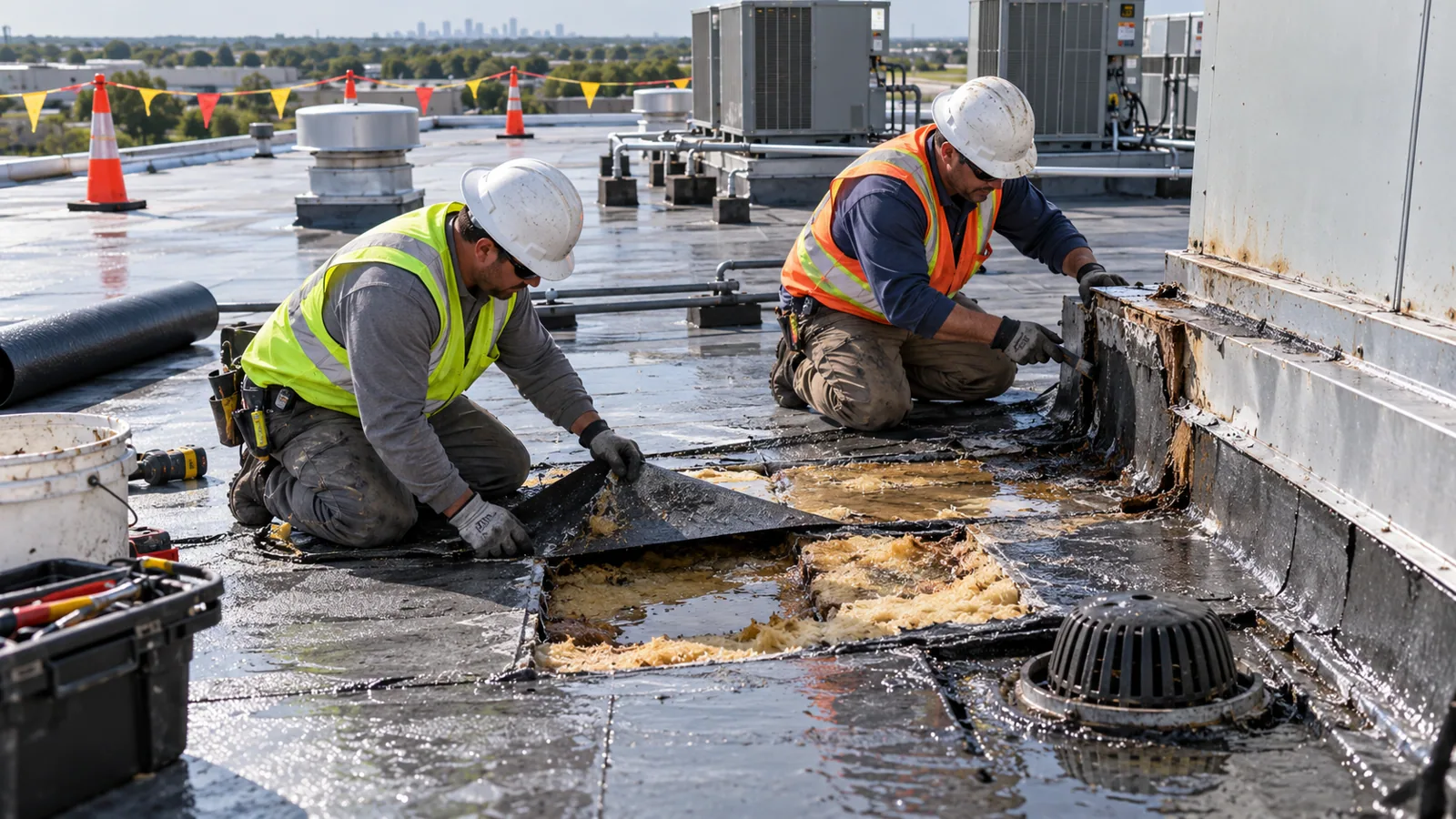
KEE project cost reflects measured roof area, tear-off, insulation, cover board, attachment, edge metal, flashing, drain work, equipment curbs and staging. Exposure can add cleaning, testing or product-submittal work. If moisture may be under the membrane, a core sample or other approved test can help set removal limits. The estimate should state what the inspection confirmed and which quantities depend on conditions hidden by the existing assembly.
Replacement may cost more than a localized repair, but the useful comparison includes repeat access, interior risk and remaining roof areas. If the deck is sound and the assembly is dry, a recover assessment may be part of the options. Where removal is required, a replacement scope should identify disposal, temporary dry-in and allowances for concealed deck work. For a portfolio with roofs across the city, a capital plan can separate near-term needs from work that can be scheduled later.
Installation and Site Coordination
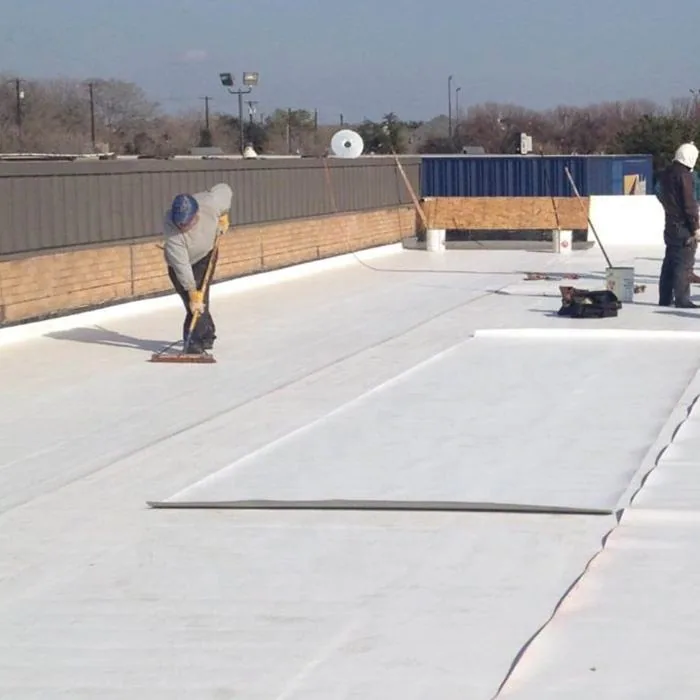
Welding needs a suitable substrate and dry, prepared surfaces. Rain, dew, strong wind or surface contamination can delay work or limit the area that can be opened safely. We agree on the daily boundary, staging position, lift plan and dry-in sequence before mobilization. Each active section is closed against weather before the crew leaves, and the facility contact receives notice before any equipment interruption or access change.
Engineering-weather data for Newport News records a 100 mph basic wind speed in the historical design dataset, but project documents and building geometry establish site-specific attachment criteria. The work plan also has to account for the actual route to the roof and the operating schedule. At a port-related site near the James River, security or delivery windows may shape material arrival; around City Center, tenants and service traffic may affect the lift window. We confirm those details with the building team before scheduling a phase.
Records for the Facility Team
Closeout should identify the membrane product, installed assembly, seam and flashing locations, drain work, tested areas and approved field changes. Photographs help later maintenance distinguish repaired welds from adjacent original seams. The facility should keep cleaning requirements with the roof record and tell HVAC or process trades how to protect the surface during service. Any future penetration needs a compatible detail and an accountable trade to restore the waterproofing.
Send the Newport News address, roof plans if available, known product, chemical exposure and operating schedule. We can inspect the existing assembly, confirm what testing is needed and provide repair or replacement choices tied to measured conditions. For a property in the maritime district or near Oyster Point, include security, tenant and delivery constraints with the request. Use the project contact form to arrange an evaluation.
Questions About KEE Roofing
Is KEE the same as PVC?
KEE membranes are related to PVC technology but use a different polymer blend. We verify the exact product and its requirements before matching it to a roof, exposure and repair material.
Does KEE resist grease and chemicals?
Some products are selected for chemical resistance, but suitability depends on the material, concentration, contact and manufacturer data. We review the actual roof exposure before specifying a membrane.
Can you weld a KEE patch to an existing roof?
A compatible repair can be welded when the existing sheet is identified and the surface can be properly prepared. We inspect the surrounding seam and substrate before setting the patch limits.
What should be tested before a KEE replacement?
Moisture, deck condition, existing layers, attachment and drainage are useful checks. The project scope identifies sampling locations and any areas that need opening before the final assembly is selected.
How do you protect operations during installation?
We set work boundaries with the facility contact, coordinate deliveries and equipment access, and close each opened section before leaving. Sensitive rooms and shutdown windows are addressed in the sequence.