Manufacturing Plant Roofing in Newport News, VA
Plan Newport News manufacturing plant roof repairs around process equipment, production windows, water control and interior protection.
Home / Property Types We Roof / Manufacturing Plant Roofing

Manufacturing Plant Roofing
A leak above a production line can affect equipment, product and a shift's work before the roof defect is visible from the floor. Manufacturing plant roofing in Newport News, VA needs a clear repair boundary, a safe access route and a work sequence that fits the process. We inspect the roof membrane, metal details, drains, supports and interior signs, then separate verified repairs from conditions that need testing. The city's advanced manufacturing and maritime sectors include ship repair and suppliers near the James River, plus industrial sites around Oakland Industrial Park and Seafood Industrial Park. The plant team helps identify operating limits before roofing work begins.
Production Areas and Roof Details
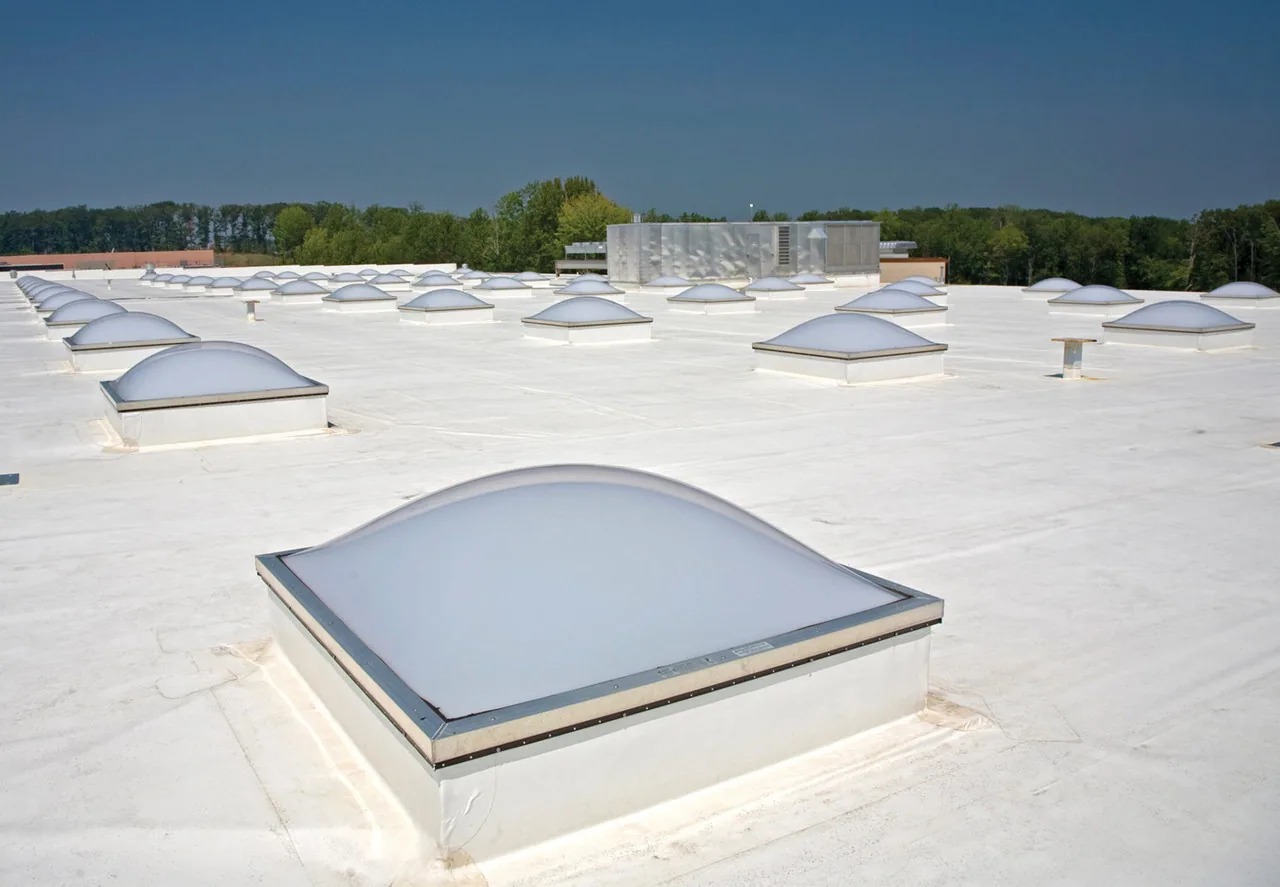
Manufacturing roofs often carry exhaust, piping, HVAC equipment, utility lines and service walkways. We inspect penetrations, equipment curbs, seams, roof edges and drainage, then compare the exterior findings with the areas the facility identifies as sensitive. A leak may travel along a deck or pipe before reaching a machine. Moisture testing and selective openings can show whether insulation or deck is involved and prevent a surface patch from being mistaken for a complete correction.
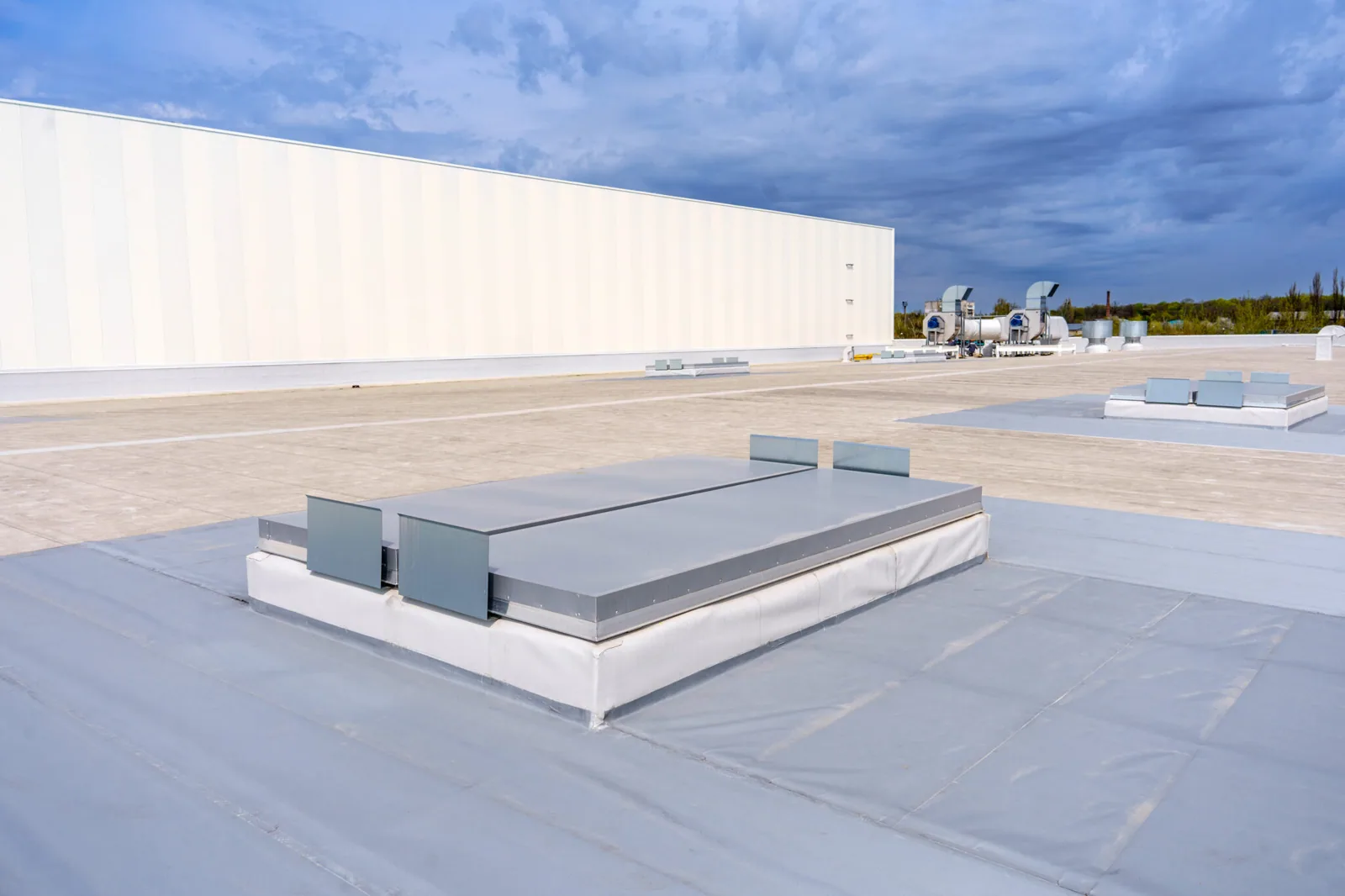
Newport News design-weather data records substantial rainfall, wind and freeze-thaw cycling. We consider those regional conditions when reviewing drainage and attachment, while the actual project criteria govern the specific assembly. A commercial inspection can map roof conditions and access needs. For production equipment and curb transitions, a curb and support scope can document movement, flashing and nearby membrane condition.
Protect Equipment and Process Areas
Before work starts, plant staff identify machines, controls, finished goods, ventilation intakes and areas that cannot take dust, debris or water. We agree on the roof section over each protected zone and how it will be covered inside. Removal stays within the area that can be inspected and made watertight that day. If a process must shut down for lifting or noise, the schedule states the duration and the contact who coordinates the interruption.
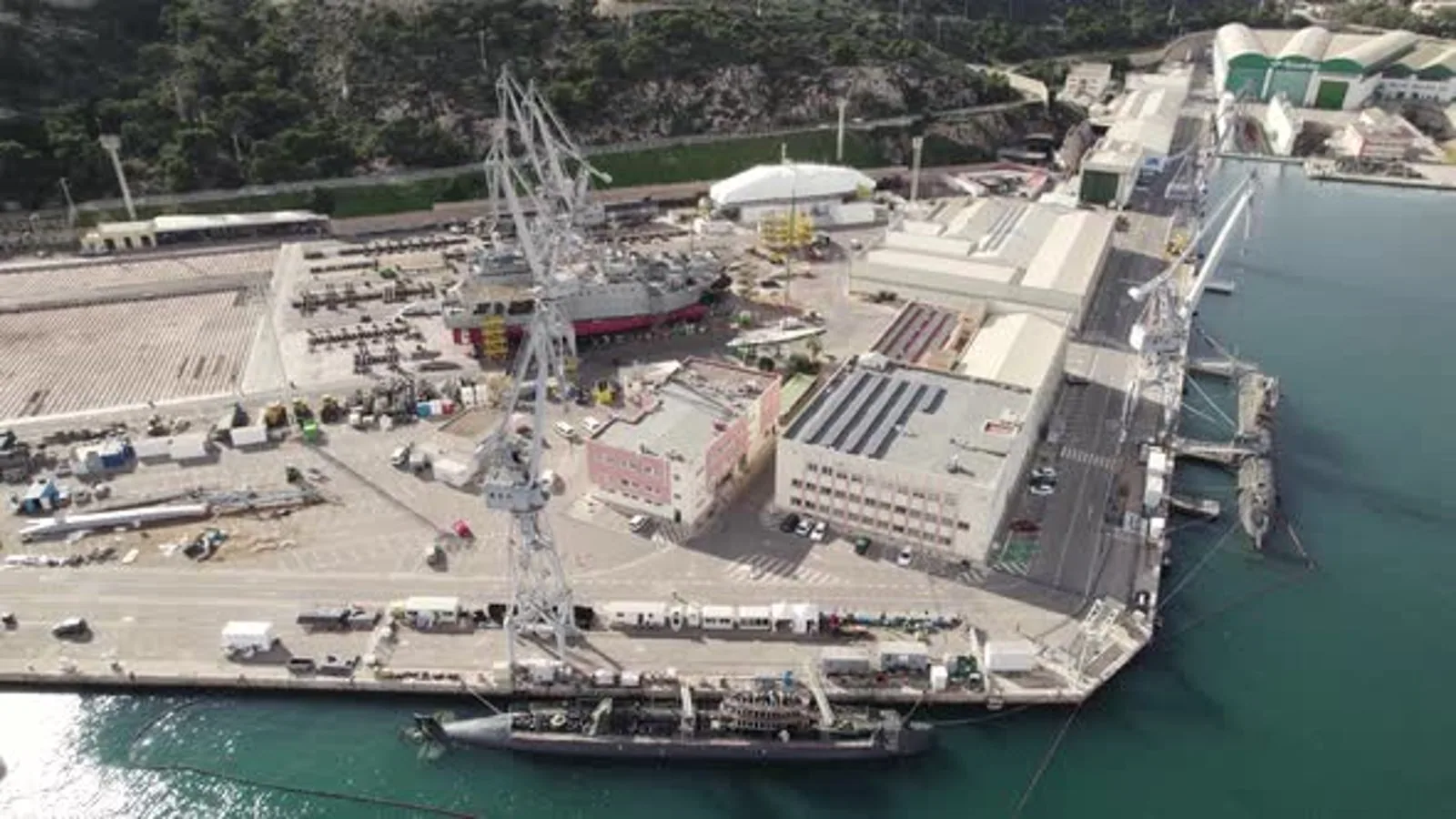
Newport News has a major shipbuilding and maritime industrial base, with related fabrication and repair work. Each manufacturer still has its own hazard controls, permits and production schedule. We review site access, hot-work controls where relevant, air-intake protections and delivery paths with the facility team. If a leak is active during an operating shift, our emergency response can assess temporary water control and document what needs permanent work.
Schedule Manufacturing Plant Roofing
Share the Newport News facility address, roof issue, process constraints and operating windows. We will inspect the assembly and plan protection around production.
Targeted Repair and Capital Work
A localized puncture, flashing split or seam failure may be repaired where the surrounding assembly remains dry and stable. Repeated failures, broad wet insulation, rusted deck or moving supports may call for a larger replacement. Recover is considered only after testing confirms the existing layers, structure, height and drainage can accept the added assembly. We state what is known, what test results support the recommendation and which concealed conditions can alter the scope after removal.
Some Newport News manufacturers also rely on warehouse, distribution or cold-storage space. A warehouse assessment centers inventory and dock protection; a distribution-center plan may need to preserve shipping sequences. For the roof system, compare metal retrofit with TPO replacement only after checking the deck, process conditions and project design.
Production Cost and Work Scope
Cost reflects roof area, removal, substrate repair, insulation, cover board, curbs, pipe supports, drains, edge details, access and the number of phases. Equipment relocation or specialized protection may be outside the roofing scope unless listed. The estimate separates labor and materials from allowances for concealed deck or wet-insulation conditions. We identify testing and approvals required before proceeding, then state how a discovered condition will be recorded and priced. The proposal can also distinguish work completed during normal shifts from after-hours tasks and the coordination each requires with plant supervisors and operations staff.
Production windows can influence whether work happens in short sections, evenings or planned shutdowns. Hoisting paths, cranes and material staging may compete with routine plant traffic. A phased work plan can define active roof zones and interior protections. If the plant has several buildings, multi-building roof management can organize inspection findings and work priorities without assuming every facility needs immediate replacement.
Shutdown Windows and Dry-In
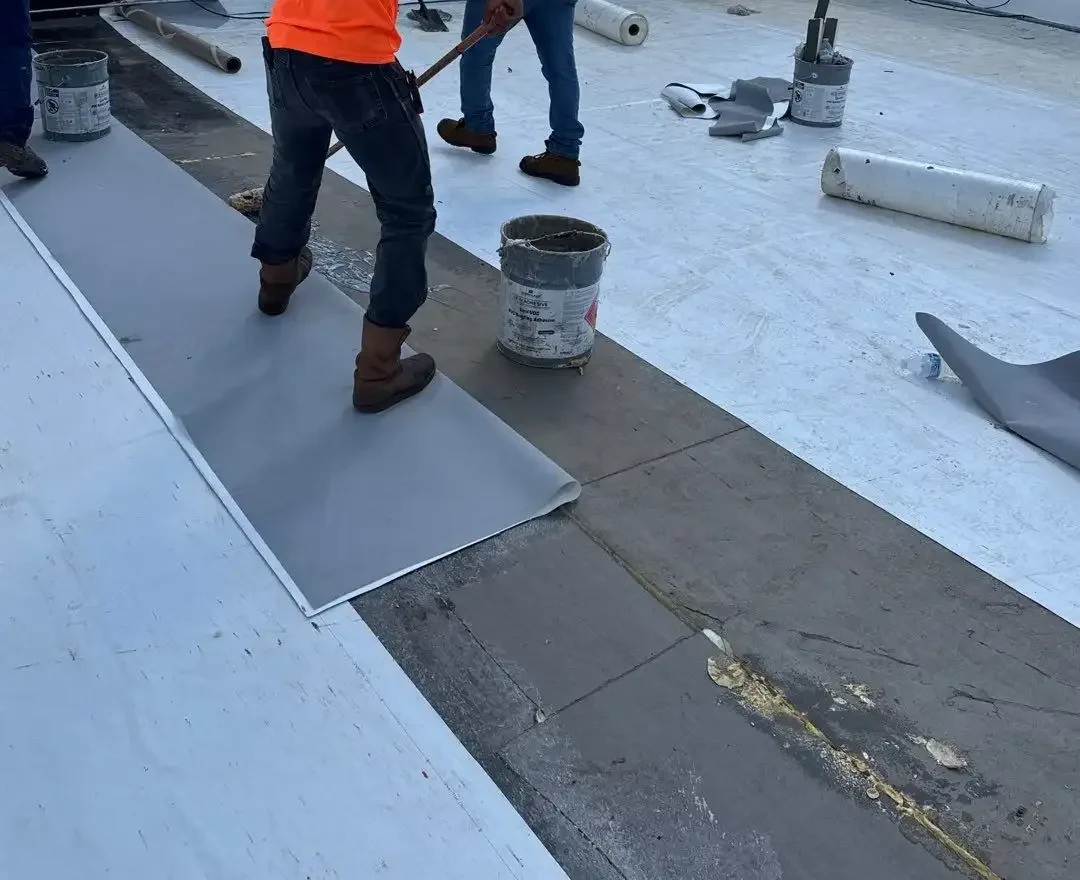
We sequence tear-off, inspection, attachment, flashing and closure around the amount of work that can be safely completed in each shift. Rain can limit removal, and wind can affect lifting and edge work. Temporary dry-in protects the interior before the crew moves to the next section. The facility team confirms when equipment can be isolated, which routes stay open and what conditions trigger a pause.
Newport News design conditions include summer heat and humidity, and wind or rainfall can change the planned work window. Near the shipbuilding district or a marine supplier, delivery and security requirements may shape staging. Around City Center and Tech Center, occupied laboratories or offices may require air-intake controls or advance notice. We identify a site contact for schedule changes and keep the work boundary connected to production needs, rather than opening more roof than the shift can close.
Maintenance and Production Handoff
Closeout should identify repaired areas, replacement materials, penetrations, drain work, tested locations, approved changes and remaining recommendations. Photographs can show equipment curbs and roof routes that maintenance staff use during shutdowns. Keep the record with process layouts and HVAC drawings. When a new line, pipe or exhaust is installed, the trade should restore compatible flashing and document the penetration so later leak reports have a useful reference.
Send the Newport News plant address, operating schedule, roof concern and known system. We can inspect the roof, coordinate protected areas and prepare a measured scope with testing needs. Include process areas, shutdown dates, access controls and equipment routes when requesting a visit. Use the project contact form to arrange the review.
A plant roof assessment should identify process lines, overhead cranes, ventilation intakes and controls that could be affected by access or debris. Maintenance can define which lines may pause and who has authority to stop work if conditions change. When roof zones differ, price and sequence them separately so production can weigh the cost of each shutdown window. Record open questions about concealed insulation or deck conditions instead of resolving them by assumption.
The maintenance lead should identify utilities, exhaust intakes and production equipment below the work. Record any shutdown assumption as pending confirmation, then revise the schedule only with the plant contact's approval.
Questions About Manufacturing Plant Roofing
Can a manufacturing plant stay in production during roofing?
Work can be phased when lift access, noise, air intakes, interior protection and daily dry-in fit the operation. We plan with the facility contact around production and equipment constraints.
How do you protect equipment under a roof repair?
The plant identifies sensitive machinery and controls, and we set the roof opening and interior protection for those areas. The crew closes each section before moving to another work zone.
Can you work around exhaust and process pipes?
We inspect each penetration and support, then coordinate with the facility team before adjusting or flashing around operating equipment. Shutdowns or trade support are included when the scope requires them.
Will roof replacement require a production shutdown?
Not every project requires a full shutdown. The roof plan identifies the specific lift, noise, air-intake or equipment interruptions that need an approved work window.
What happens if you find wet insulation?
We mark the location, document the condition and submit the required scope change for review. Additional removal proceeds after the authorized facility contact approves the work.