Commercial Rooftop Equipment Curb and Support Repair in Newport News, VA
Repair commercial HVAC curbs, pipe supports and equipment flashing in Newport News with a measured scope that protects roof drainage and access.
Home / Commercial Roofing Services / Commercial Rooftop Equipment Curb and Support Repair
Commercial Rooftop Equipment Curb and Support Repair
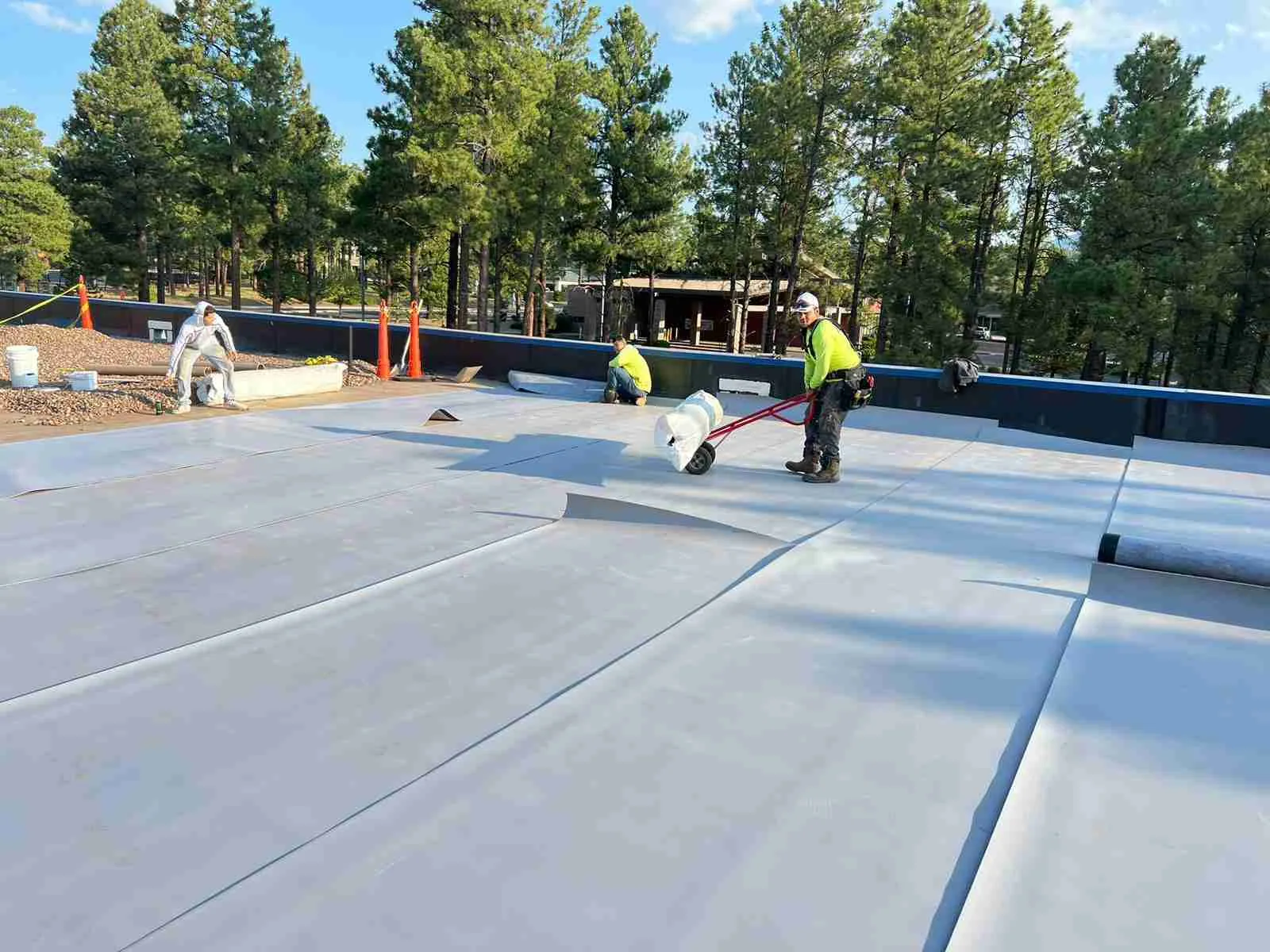
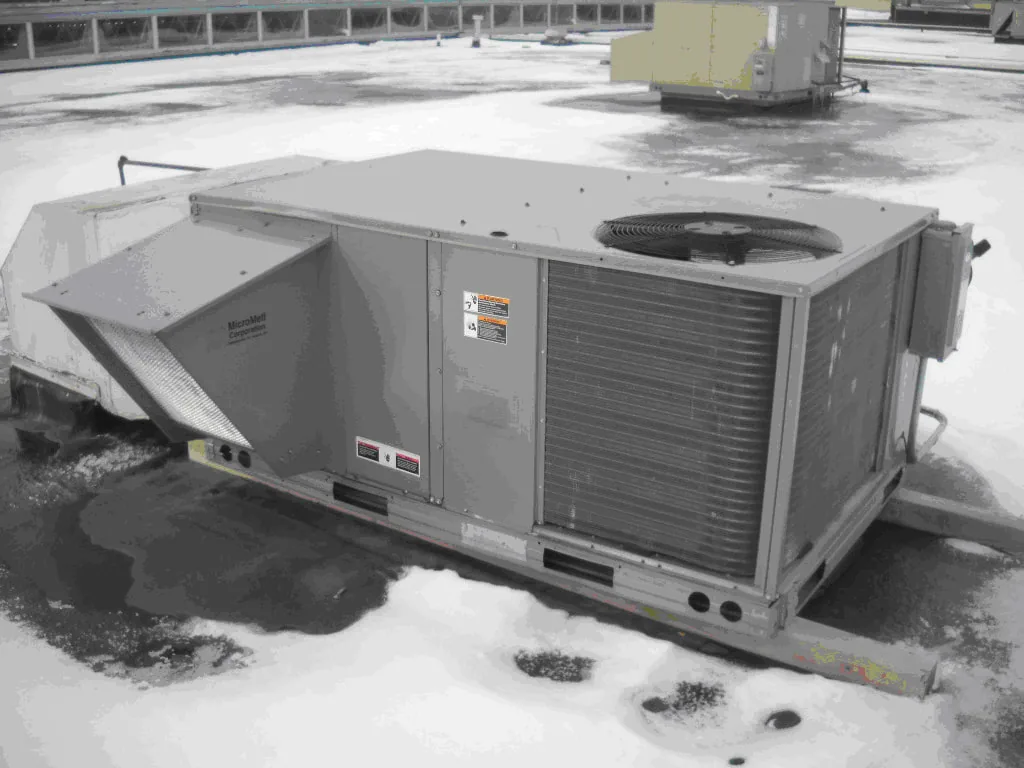
A curb that rocks under equipment can split its flashing long before the unit stops running. Our rooftop equipment curb and support work in Newport News, VA begins by checking the support, attachment, membrane transition and water path around each unit. We record loose fasteners, damaged wood or metal, failed sealant, ponding, vibration and access conflicts, then separate roof repair from mechanical work. The city has a major shipbuilding and manufacturing economy alongside offices, research and healthcare, so rooftop service conditions can vary widely from one facility to another. At Greater Oyster Point and City Center, a corporate or research property may need equipment access coordinated around occupants. Near the Yard District, operations and controlled access can affect when roof work proceeds. The repair follows the installed roof system and the loads the equipment must carry.
Check the Curb and Its Support
We inspect curb framing, metal, fasteners, base flashing, corners, counterflashing and the membrane connection. A unit can vibrate against its curb, and pipe supports may move as lines expand or equipment is serviced. We look for cracked sealant, split membrane, loose collars, blocked drainage and evidence that water has reached the insulation or deck. If the curb is soft, corroded or out of square, a surface patch will not stabilize it. We document which component appears to have failed and where the scope crosses from roofing into mechanical or structural work.
The roof system affects the repair material. TPO, PVC, EPDM, modified bitumen and metal assemblies use different flashing methods. We identify the membrane, prepare the surface and detail the curb so it ties into compatible material. A flashing repair for curbs and penetrations can address nearby openings, while a broader roof repair visit can document related defects. For ongoing leaks, we can trace the water path around the equipment before replacing flashing.
Keep Drainage and Service Access
Equipment bases, rails and pipe supports can interrupt the roof's drainage pattern. We check whether water can move around the curb and reach a drain or scupper, and whether cables, conduits or service lines block the route. A repair should not close a drain opening, create a dam or leave a membrane edge exposed. If equipment must be lifted or moved, the facility's mechanical contractor coordinates that work; the roofing scope identifies how the surface is protected and restored when the unit returns.
Newport News records intense design rainfall and recurring freeze-thaw cycles, so drain access and flashing continuity deserve attention after a curb repair. A support foot that presses on the membrane may need a compatible pad or base detail. We identify whether the roof can support the proposed service route and avoid fastening through the membrane without an approved detail. For internal outlets and ponding concerns, drain and scupper repair can be scoped with the curb work. A manufacturing roof scope can also consider equipment access in relation to active production.
Review a Newport News Equipment Curb
Send the property address, unit or support location, known leak and operating window. We will inspect the curb, coordinate access and outline compatible roof repair work.
Repair the Flashing or Rebuild the Base
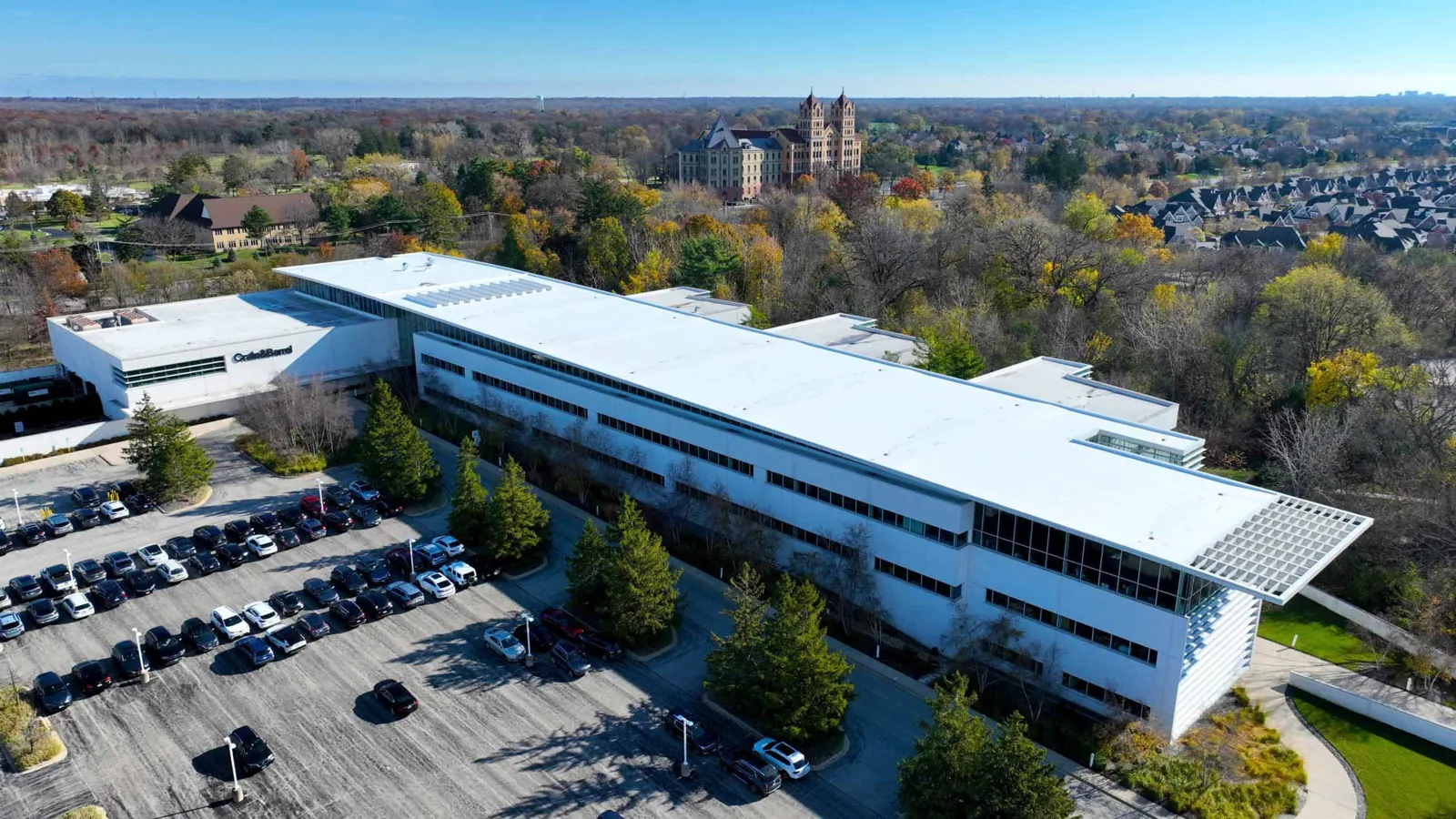
A flashing repair may be sufficient when the curb remains stable and only the roof transition has opened. A damaged curb, failed wood blocking, repeated movement or corroded metal may require rebuilding the base before new membrane is installed. We note the observed condition and identify when a structural or mechanical review is needed. If the equipment must remain active, the facility team coordinates any shutdown or temporary service arrangement before the roof opening is made.
For rooftop units that will be replaced, it helps to review the new curb dimensions and service connections before the old unit comes off. A mismatch can leave an exposed gap, unsupported edge or flashing detail that does not fit the new assembly. We coordinate the sequence with the equipment contractor and identify the roof work required around the installation. Where many curbs repeat across a campus, each should still be checked for condition and size before a uniform quantity is assumed. A roof assembly review can include insulation transitions where curb heights change.
Cost and Repair Quantity
Price depends on the number and size of curbs, support type, roof membrane, access, attachment condition, flashing materials and whether insulation or deck needs repair. A curb may require mechanical disconnection or a lift, which is coordinated separately from the roofing labor. We list the affected units, describe the roof detail and identify any condition that would change the work after removal. If the substrate is concealed, a test opening can establish what lies below the flashing before quantities are finalized.
At a building in Oakland Industrial Park or a property near Tech Center, operating hours, equipment downtime and staging can shape project cost. We confirm those limits with the facility contact and state them in the proposal. A photo-based condition report helps ownership compare curb repairs across roof sections. If an assembly has repeated curb leaks and broader moisture, the repair boundary may need to expand into a recover or replacement review.
Coordinate the Mechanical Work
Roofing and mechanical crews need an agreed sequence. The facility contact identifies units that must remain online, the equipment vendor confirms safe shutdown, and the roofing team plans removal and re-flashing around that window. We protect the opening at the end of each shift and leave the unit stable before the equipment contractor resumes service. If the repair changes access to filters, belts or controls, the maintenance team should review the completed detail before closeout.
Rain, wind and surface moisture can interrupt flashing work. Newport News summer humidity and heavy design rainfall affect dry-in and cure periods, while wind can make handling metal or membrane unsafe. We sequence one or more curbs at a time so the building does not carry open penetrations longer than needed. Near Patrick Henry Corridor, delivery and business traffic can influence lift placement; within an industrial property, the plant schedule may control equipment shutdowns.
Record the Equipment Detail
We photograph the repaired curb or support, note materials and fasteners, and identify any item the facility team should monitor. The record can show the unit location, flashing condition and work completed. Future replacement or service visits should restore roof protection if they disturb the base, supports or membrane. The facility contact should retain equipment plans alongside the roofing record so the next work request starts with the correct unit and access route.
Share the property address, unit or support location, leak history and operating schedule. We can inspect the base, document the repair boundary and coordinate roof access with the mechanical contact. For a facility near Hampton Roads Center North Campus, access and service rules should be included in the request. Use the project contact form to arrange a review and provide any equipment layout or prior repair notes.
Questions About Commercial Rooftop Equipment Curb and Support Repair
Can you repair flashing without shutting down the rooftop unit?
Some repairs can proceed with the equipment operating, but access, vibration, electrical safety and the curb condition determine the work plan. We coordinate with the facility and mechanical contact before touching a unit or opening the roof.
Who moves the HVAC equipment if the curb needs replacement?
The mechanical contractor handles disconnection, lifting and reconnection. We coordinate the roof removal, curb flashing and dry-in sequence with that team so the opening stays protected.
Can a pipe support be fastened through the membrane?
Only a designed and compatible detail should penetrate the roof. We inspect the support and attachment, then identify a method that protects the membrane and accounts for the substrate and service load.
What if insulation is wet around the curb?
We measure and document the affected area, then recommend removal or testing based on the assembly. A new flashing detail should not cover wet material without addressing the moisture condition.
Can you repair several curbs during one visit?
Yes, when access, weather, equipment schedules and material preparation allow it. We list the units included and review each curb condition rather than assume every opening needs the same repair.
Related Roofing Work