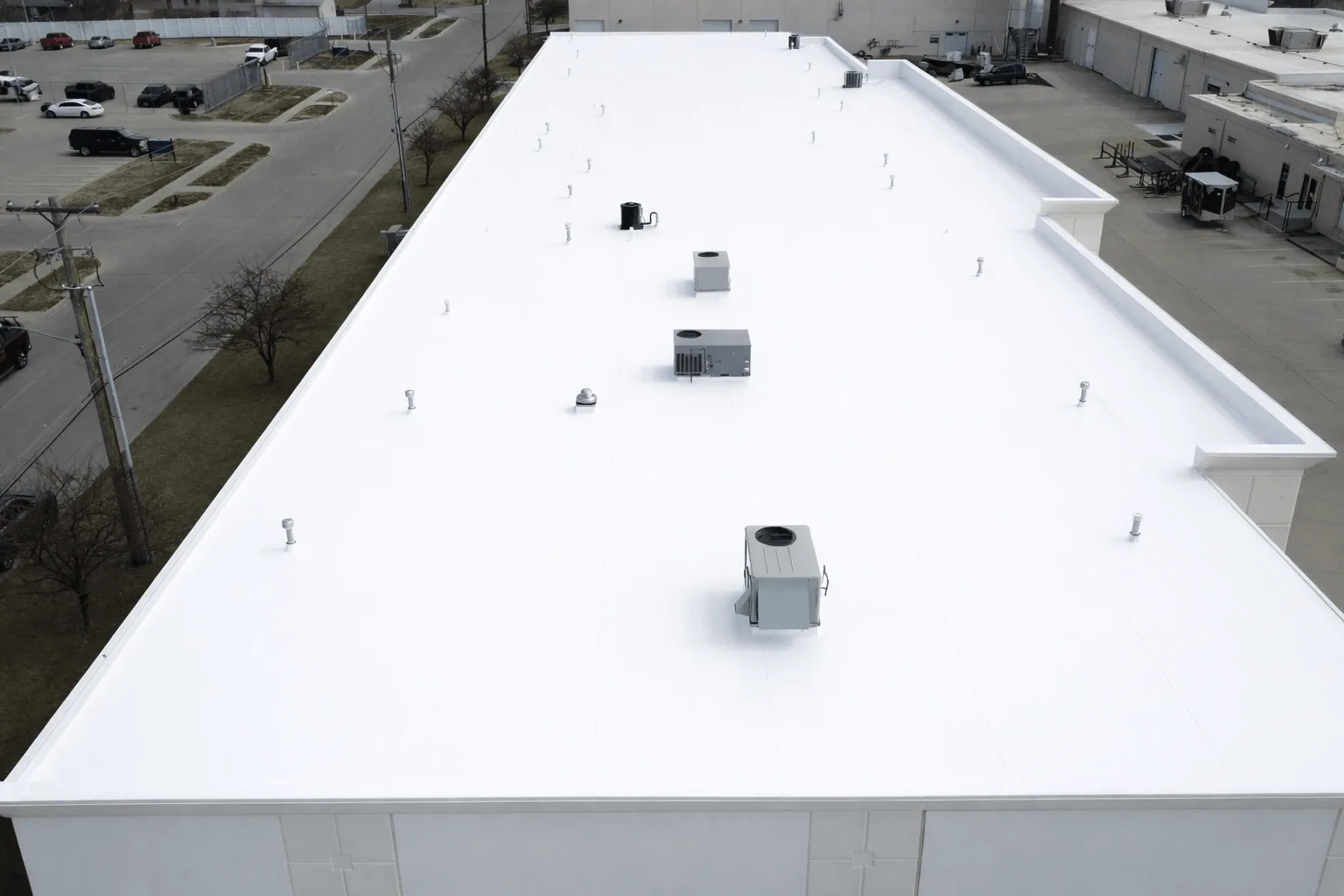
Commercial Roof Coating Restoration in Newport News, VA
Restore a sound commercial roof in Newport News with coating evaluation, surface preparation, detail repairs and a scope matched to the existing system.
Home / Commercial Roofing Services / Commercial Roof Coating Restoration
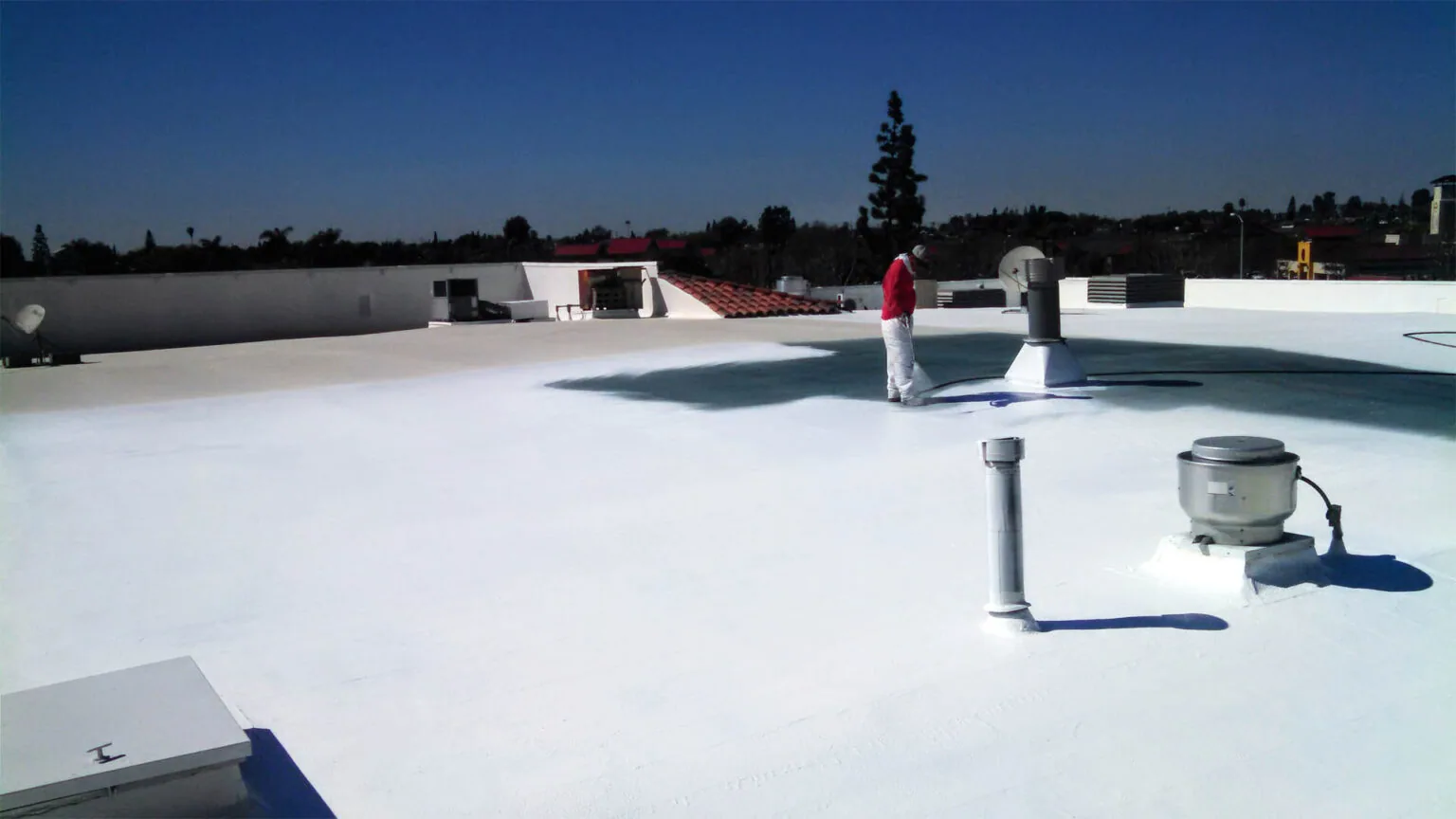
Commercial Roof Coating Restoration
A roof coating cannot compensate for wet insulation, open seams or a deck that needs repair. Coating restoration in Newport News, VA starts by testing whether the existing assembly is dry, stable and suitable for the selected material. We inspect the membrane or metal, trace recurring leaks, check drainage and document repairs needed before any coating work. If the roof passes those checks, a coating can provide a new protective surface and extend the service life of an assembly that remains sound. If it does not, we explain why repair, recover or replacement should be compared instead. Near Greater Oyster Point and City Center, an occupied office may value a phased surface restoration that limits removal. At an industrial building near Oakland Industrial Park, access, equipment and staging may affect the work sequence. The coating decision follows the roof condition and the owner's timing needs.
Confirm the Roof Can Be Coated
We inspect the membrane, seams, flashing, penetrations, drains and perimeter before recommending a coating. The surface must be compatible with the material, adequately attached and free of conditions that will keep the coating from bonding. Wet insulation, trapped water, widespread membrane movement, deteriorated metal or repeated leaks can make coating a poor repair. We identify those areas and propose removal, repair or testing where needed. A core cut or moisture scan can help confirm whether an apparent dry area conceals wet material.
The Newport News weather record includes high summer heat and humidity, heavy design rainfall and recurring freeze-thaw cycles. That context makes drainage and surface condition important, but it does not establish whether a particular roof is ready for restoration. The assembly must be checked directly. We can prepare a hands-on roof inspection with photographs and marked repair areas before pricing a coating. If moisture is uncertain, infrared and core-cut testing can clarify the boundary.
Choose a Compatible Coating
Coating chemistry follows the existing roof material, exposure, ponding conditions and project requirements. Silicone and acrylic systems differ in water behavior, recoat requirements and how they perform on a given substrate. Metal roofs, modified bitumen and single-ply membranes also need compatible preparation and primer where specified. We identify the system, verify product compatibility and review the manufacturer's application requirements before writing the scope. We do not assume one coating type fits every roof.
A sample application or adhesion test can help check whether the existing surface is ready and whether the selected primer bonds as intended. The proposal identifies surface cleaning, rust treatment where relevant, seam reinforcement, flashing repairs and the coating work itself. For a reflective finish, thermal benefit depends on the surface and building assembly; it should be evaluated with the roof's condition and owner goals. Compare silicone coating systems and acrylic coating systems after inspection rather than selecting on color alone.
Check Roof Coating Suitability
Share the Newport News address, roof system, leak history and operating schedule. We will inspect the assembly, identify test or repair needs and price coating only where conditions support it.
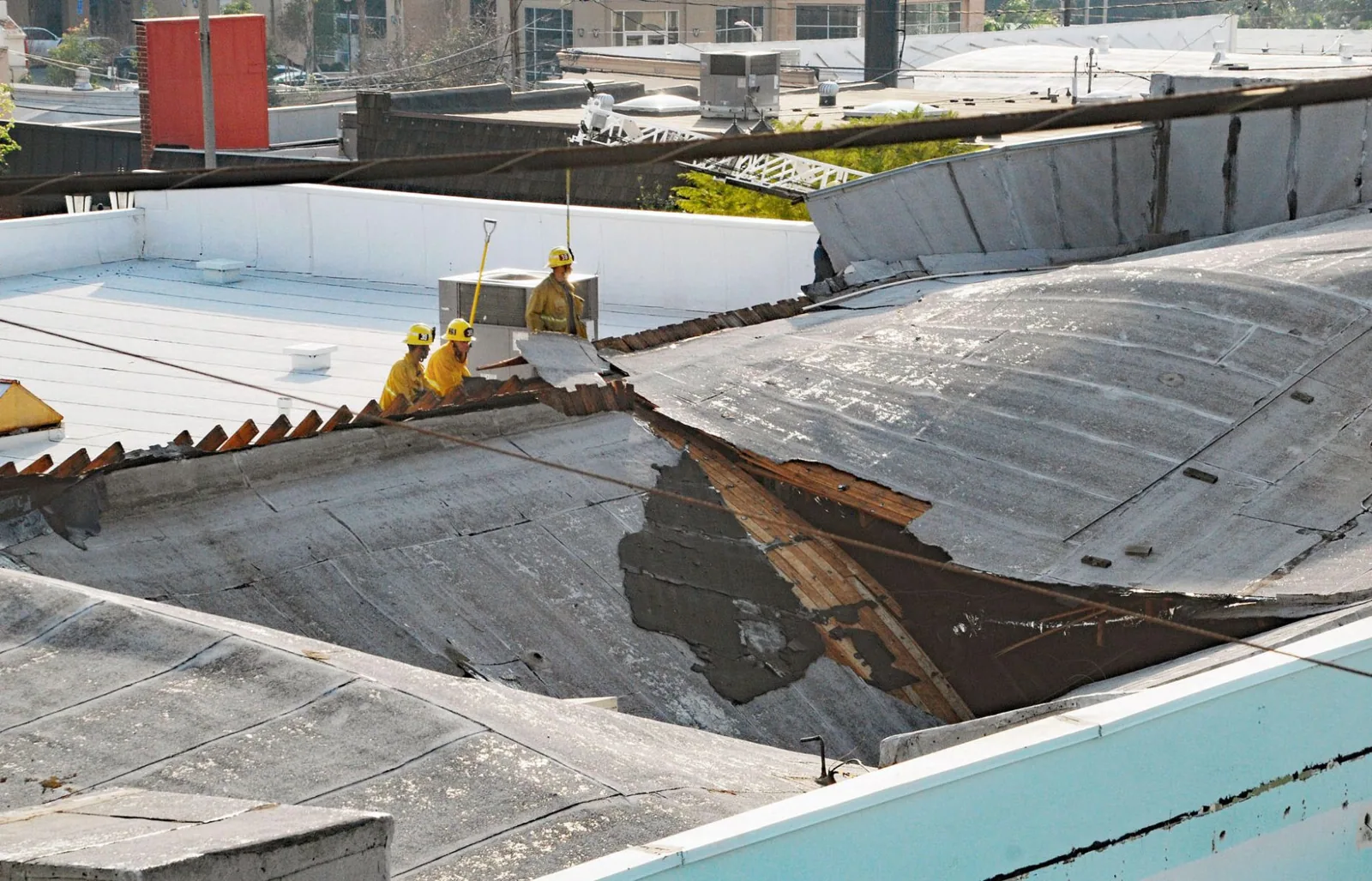
Preparation and Detail Repair
Preparation often determines whether restoration works. The crew removes dirt, loose coating and material that cannot support the new application, then repairs splits, seams and flashing before covering them. Metal corrosion may require cleaning and treatment. Drains, scuppers and equipment curbs need details compatible with both the roof and coating. We separate these repairs from the coating quantity so the owner can see what is being restored and what remains outside the system.
Water must be able to leave the roof. A coating can bridge minor surface variation, but it will not correct a deflected deck or a drain installed at the wrong elevation. We clear accessible outlets, inspect low areas and identify any slope work that needs design. Newport News local design data records intense rainfall, so the scope should note how the roof handles runoff and overflow. If drainage is the primary defect, drain and scupper correction may be needed before coating. A surface application should not conceal a water path that remains unresolved.
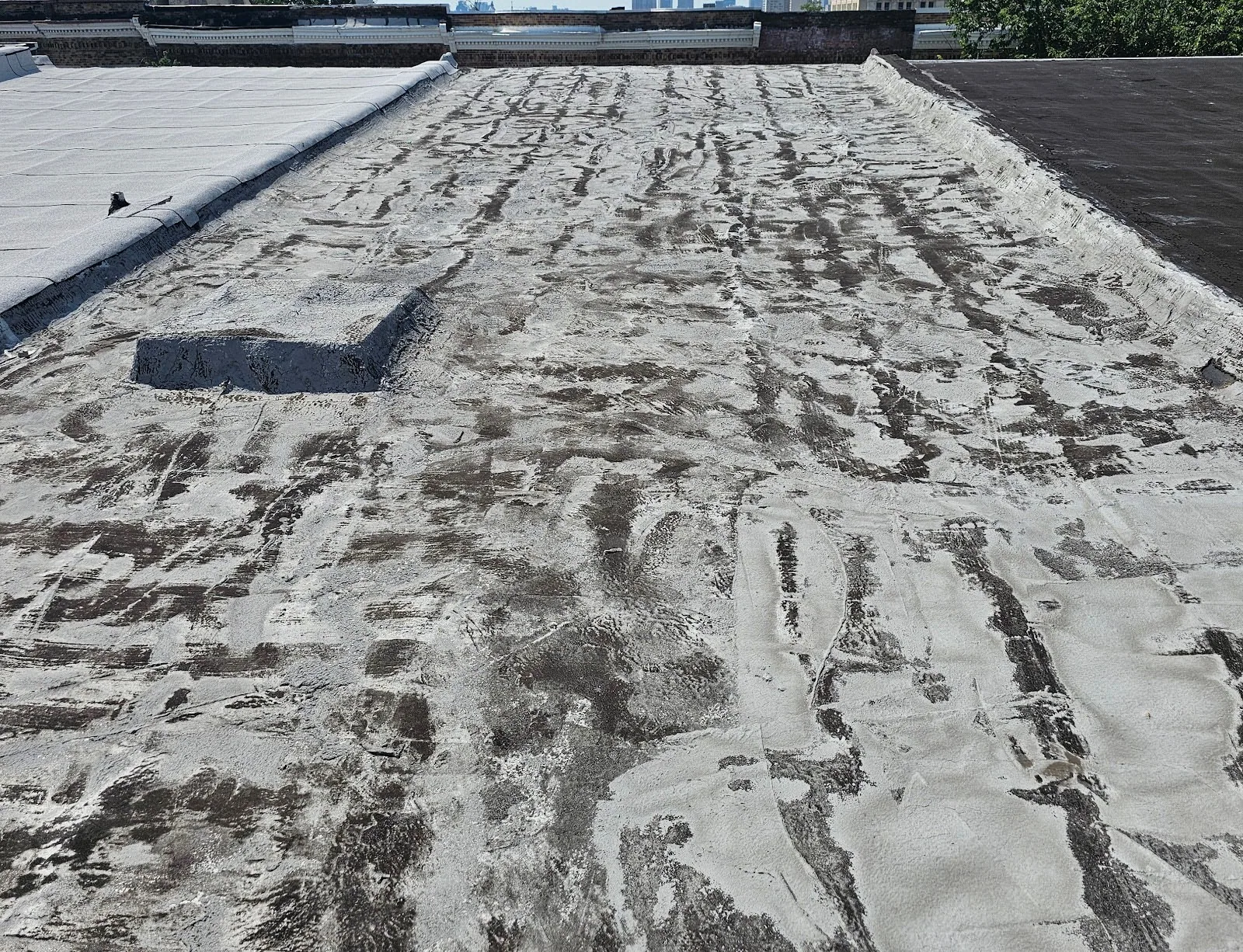
A Scope With Measured Quantities
Coating cost follows the measured roof area, number of details, preparation needed, repair extent, access, existing surface and chosen system. Primer, reinforcement fabric, seam treatment and coats all affect labor and material. If moisture or adhesion remains uncertain, testing should be listed separately or given a clear allowance. We identify the substrate repairs included, areas excluded and conditions that would require added work. The owner can then compare restoration with recover or tear-off without assuming the roof has passed tests that were never performed.
For a property with several roofs, each section may have different substrate and repair needs. A coating plan can phase the work by condition and keep occupied areas in service when the surface and forecast permit. Around Tech Center, office and research operations may set work hours; an industrial property along I-64 may have different equipment and delivery access. A capital plan by roof section can keep the treatment decision linked to measured condition and budget timing.
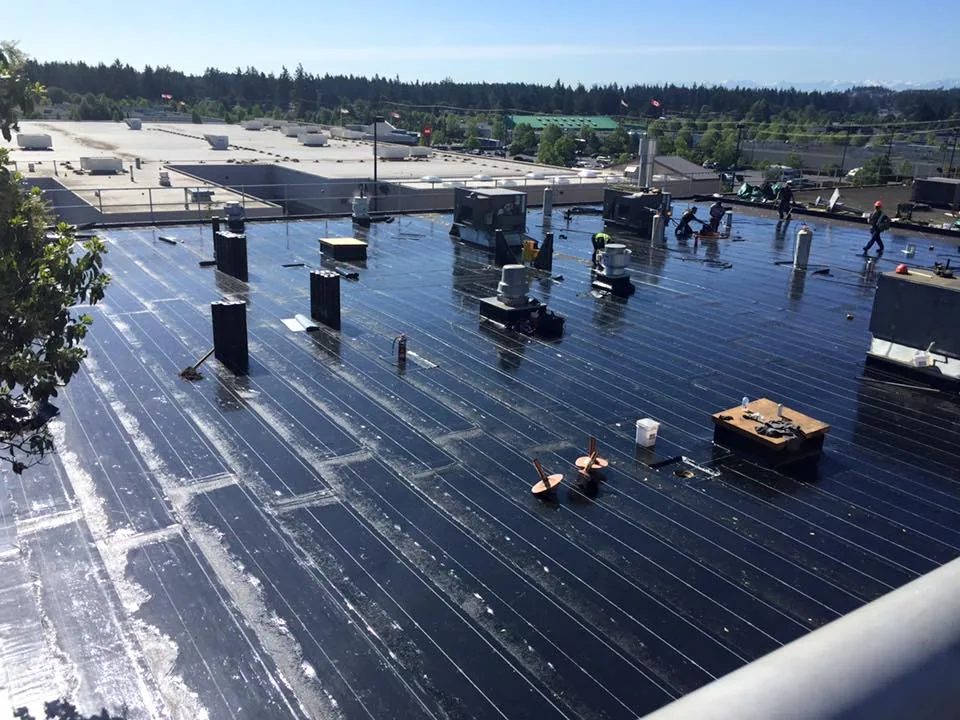
Application Conditions
Coating work needs a dry substrate and weather conditions that support application and cure. Rain, dew, cold temperatures, high humidity or strong wind can change the work window. Newport News has humid summer design conditions, so the daily plan needs to account for surface moisture and cure time, not just air temperature. We review the forecast, define stopping points and avoid coating an area that cannot be protected before weather changes.
Access planning covers roof entrances, staging, ventilation equipment, pedestrian routes and any areas that need to remain open. We coordinate with the facility contact and protect rooftop units, drains and wall surfaces from overspray or runoff. At an occupied building, the sequence can proceed by sections so the crew has time to prepare and coat each area. If the forecast shifts or the substrate is wet, we pause and reschedule rather than leave an unfinished field unprotected.
Maintain the Restored Surface
At closeout, we document surface preparation, repaired details, completed areas and any exclusions. The owner receives photographs and care notes for the coating system, including roof access points and locations that should be checked after major weather. Coating is a maintenance-dependent surface; drains, penetrations and areas where equipment work occurs still need periodic inspection. If the surface is cut or disturbed later, compatible repair material should be used to restore continuity.
To evaluate coating restoration, send the property address, roof system if known, leak history and operating schedule. We will inspect the roof, determine whether testing or repairs are needed and compare restoration with other viable options. For a property near Patrick Henry Corridor or City Center, the roof assembly and access rules will shape the sequence. Use the project contact form to request a condition review and a measured coating scope.
Questions About Commercial Roof Coating Restoration
Can you coat a roof with active leaks?
Active leaks need to be traced and repaired first. We check for wet insulation, open seams and failed flashing, then decide whether the roof can accept coating after the underlying conditions are corrected.
Does a coating work on every commercial roof?
The existing material, adhesion, moisture, ponding, repair history and selected coating chemistry determine compatibility. We inspect the assembly and verify product requirements before recommending an application.
Will a coating stop ponding water?
A coating protects a prepared surface, but it does not correct poor slope, deck deflection or a drain set too high. We review drainage separately and identify any design or construction work needed before application.
How long will the coating project take?
Measured area, detail repairs, surface preparation, cure conditions, access and weather set the schedule. We provide work windows after inspection and note which forecast or substrate conditions could delay application.
Can the building remain occupied during coating?
Often the work can be sequenced by roof areas, subject to access, ventilation, odors, staging and the coating manufacturer's application requirements. We coordinate the operating plan with the facility contact before work begins.