Silicone Roof Coatings in Newport News, VA
Evaluate silicone roof coatings in Newport News for ponding, adhesion, surface preparation, repairs, restoration timing and maintenance needs.
Home / Roof Systems / Silicone Roof Coatings
Silicone Roof Coatings
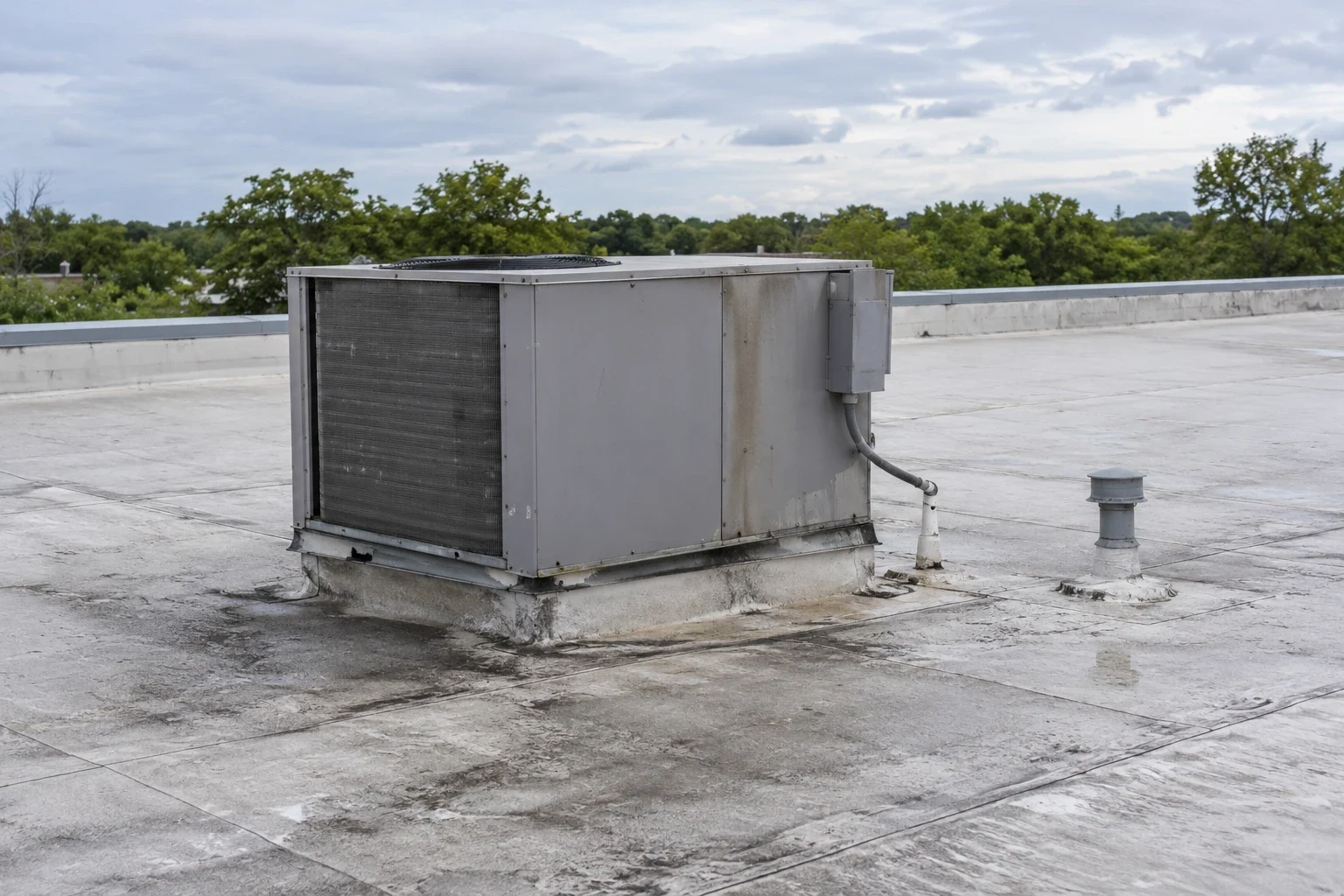
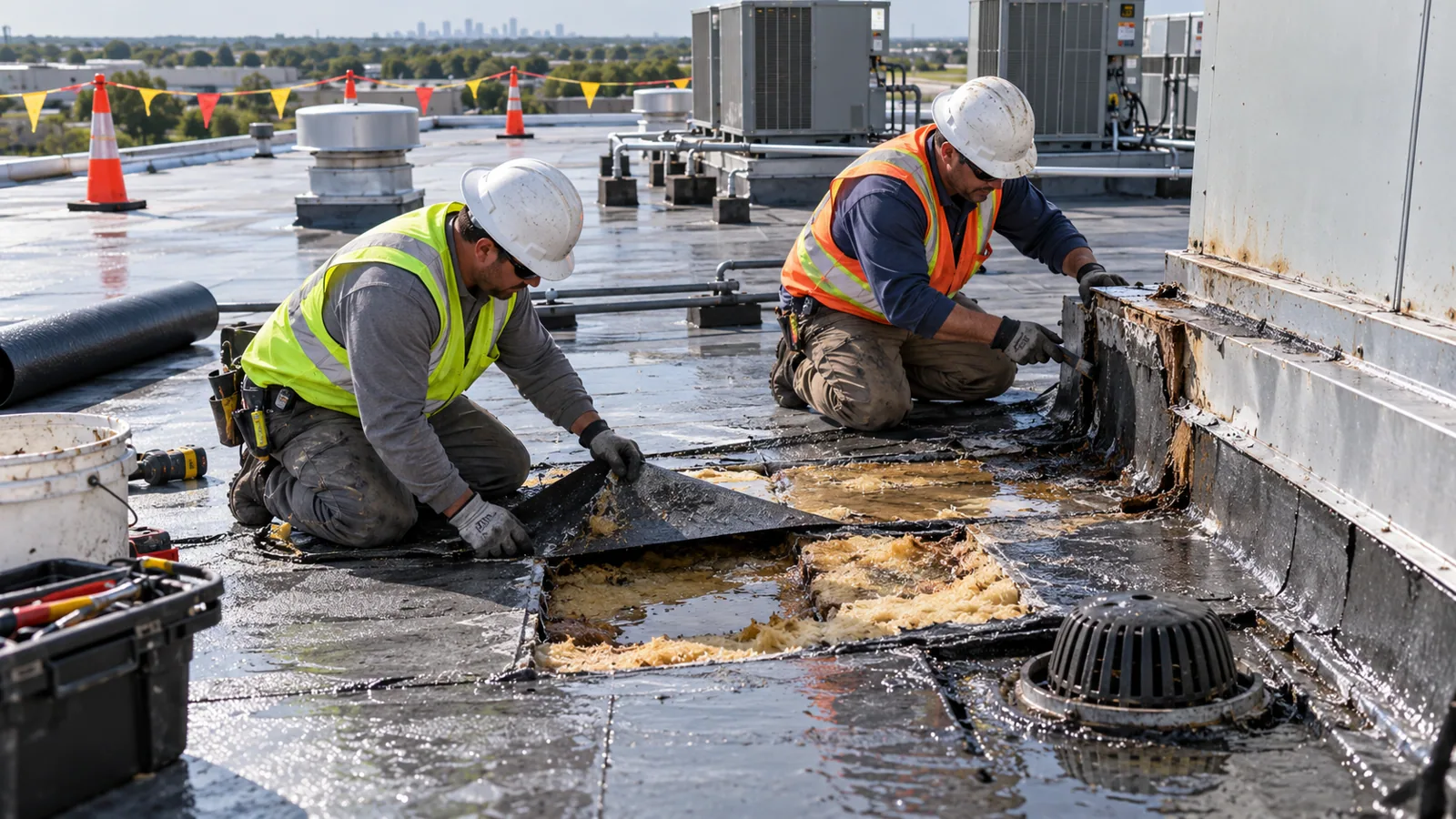
Standing water on an older roof changes the coating conversation. Silicone roof coatings in Newport News, VA can be considered for some prepared roof surfaces, but the coating does not correct wet insulation, loose membrane or failed drainage. We inspect the existing roof, measure repairs, check adhesion and identify whether the substrate is dry and stable enough for restoration. Newport News design rainfall makes low areas and outlets part of that decision. A property near Greater Oyster Point and City Center may need quiet access windows, while industrial or marine operations near Seafood Industrial Park can set delivery and roof-access limits.
Substrate and Ponding Review
Before coating, we inspect the roof membrane, seams, flashings, existing coatings, drains and penetrations. Loose material, contamination and failed repairs need to be removed or corrected so the new coating can bond. We identify wet insulation or unstable areas that require repair rather than covering them. The product instructions establish preparation, primer and application thickness, and the chosen coating needs to be compatible with the existing surface.
Engineering weather records for Newport News include high-intensity rainfall and repeated freeze-thaw exposure, both relevant to drainage and coating adhesion. Water can remain in a low area after storms, and coating alone does not make that area drain. A roof inspection can mark ponding, seams and test locations. A drain review can identify blocked outlets or damaged flashing before the restoration price is set.
Silicone and Other Restoration Paths
Silicone is often considered where an existing roof has persistent ponding, but product choice still depends on substrate, exposure, preparation and system requirements. A coating can renew a serviceable surface after repairs; it cannot stabilize a loose membrane or replace saturated insulation. If the assembly has widespread damage, removal or a recover may be more suitable. We compare the tested condition, surface preparation and expected maintenance rather than treating a coating as a cure for every roof problem.
For a dry, compatible roof, compare acrylic coating and SPF restoration against the project conditions. Around Tech Center, offices and research uses may need sensitive interior protection. At a marine property near the James River, site access and rooftop operations may affect work sequencing. A coating restoration scope should state repairs, preparation and film thickness alongside the areas to be coated.
Assess Silicone Coating Restoration
Share the Newport News address, known roof type, ponding locations and operating schedule. We will inspect adhesion, drainage and repairs before defining a coating scope.
Seams, Curbs and Penetrations
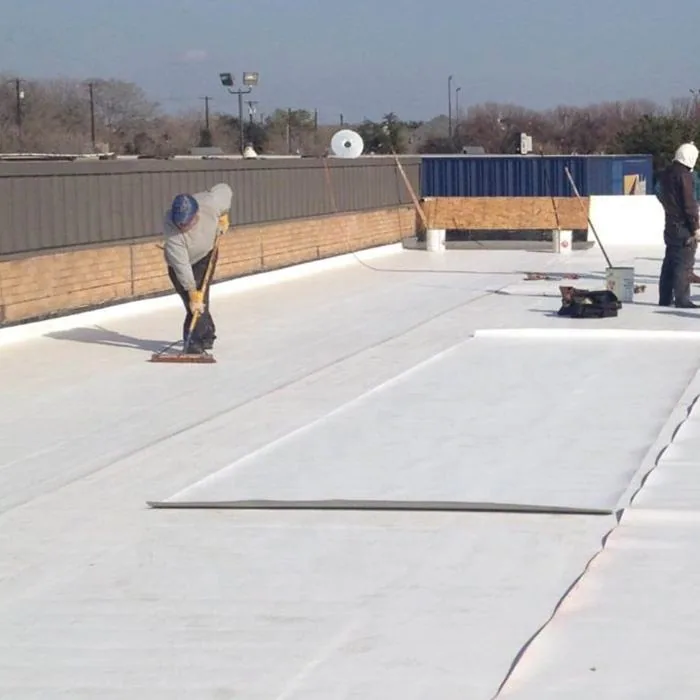
Coating work starts by fixing details that could leak beneath the new surface. We inspect seams, perimeter edges, drains, equipment curbs, pipe boots and prior patches. A compatible reinforcement fabric may be needed at selected transitions, according to the system design. If movement or corrosion has opened a metal detail, that condition must be repaired before the field receives coating. We mark the repair boundary and make sure water can still reach the intended outlet.
Newport News has substantial shipbuilding and marine service activity, so roof access may intersect with process equipment and service routes. The building team can identify sensitive air intakes and regular maintenance paths. A edge and coping review can handle roof perimeter conditions; a curb review can address support transitions. These details belong in the scope so the coating is not asked to bridge an unresolved opening.
Preparation and Material Quantities
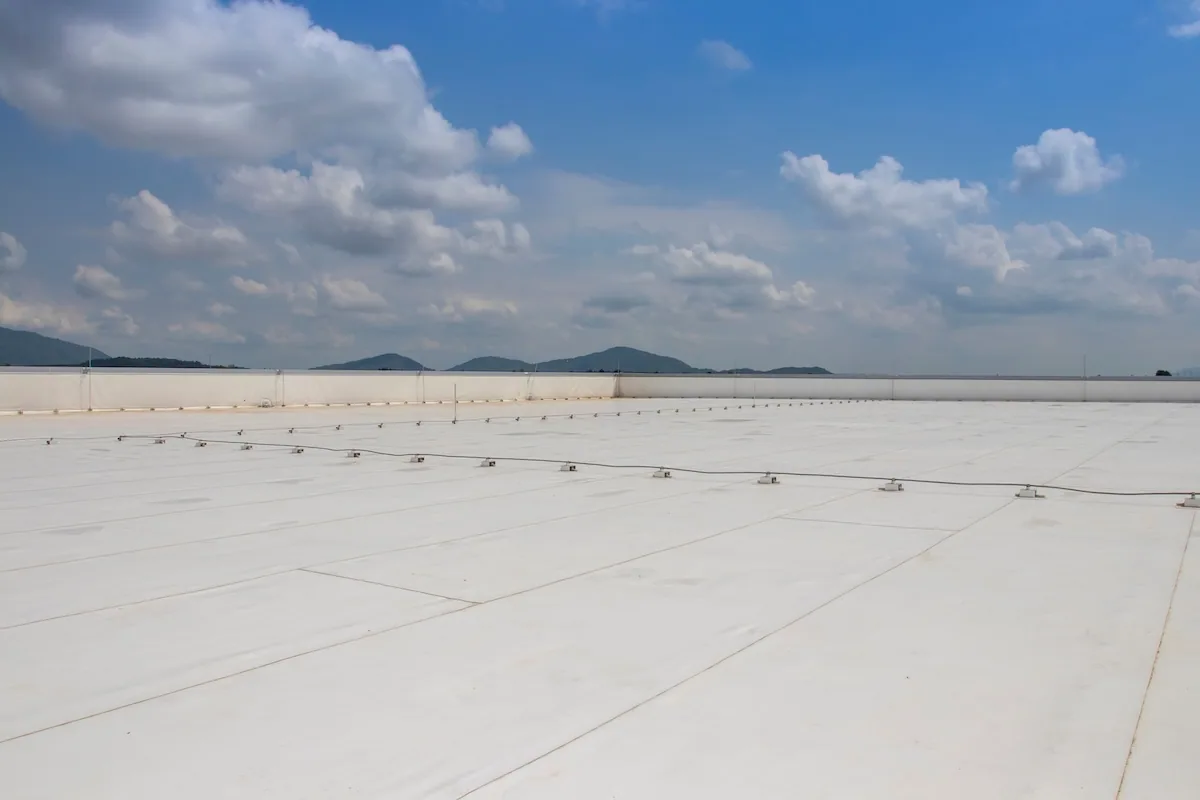
Cost depends on roof area, surface preparation, repairs, primer, coating thickness, reinforcement, access and the number of mobilizations. Testing may be needed to confirm adhesion or locate wet insulation. Cleaning and debris removal can be significant where old material or contaminants remain. We list the preparation and repair work separately from coating application so an owner can see the condition that supports the restoration choice. The roof record should also note coating age where known, prior repair products and any areas excluded from the application. That gives the maintenance team a baseline for checking wear and reviewing later service work that could cut or contaminate the surface. Clear records also help identify the right compatible repair materials during future maintenance visits.
High summer heat and humidity affect application windows, while rain and dew can delay coating until the roof is dry. Wind affects spray or roller application and temporary protections. A condition report can document the measured area and open issues. If the roof needs removal rather than coating, a replacement estimate gives a comparison that includes tear-off and dry-in requirements.
The roof record should also note coating age where known, prior repair products and any areas excluded from the application. That gives the maintenance team a baseline for checking wear and for reviewing later service work that could cut or contaminate the surface.
A material estimate depends on more than the open field. We measure changes in elevation, curb bases, drains, parapets, and repaired seams because each transition can require additional reinforcement or a separate detail. Test areas should include the existing coating and any exposed membrane that will remain. If adhesion differs by zone, divide the scope instead of assuming one primer covers the entire roof. The application record can note surface preparation, the measured area, and where the film thickness was checked. Those records help identify whether a future repair belongs to the coating or the substrate.
Surface Dryness and Application
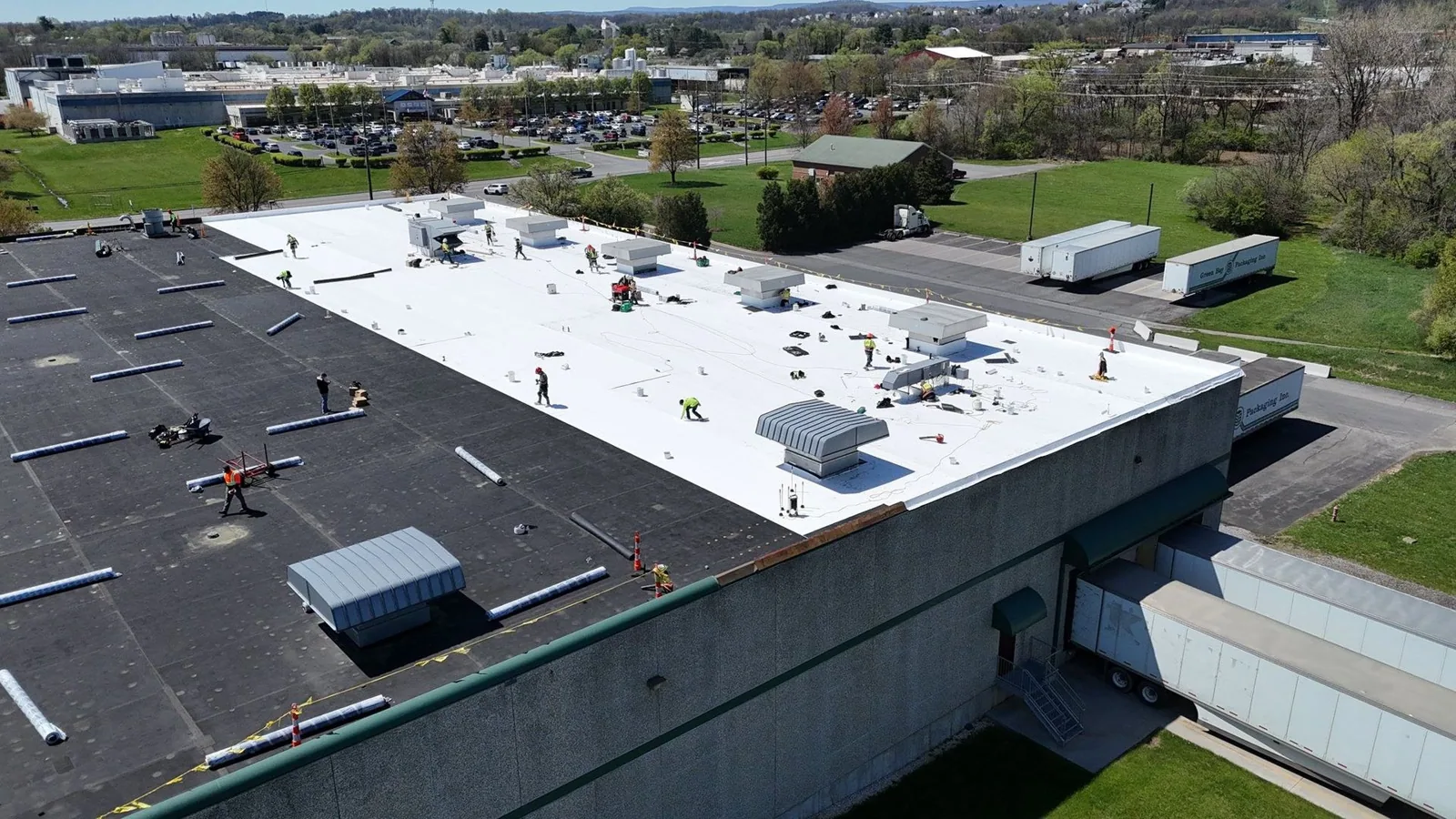
Coating application needs a clean, prepared and dry surface, with weather conditions suitable for installation and cure. We set daily limits around forecast rain, dew, wind and the amount of roof that can be completed safely. Air intakes, equipment and adjacent surfaces receive protection where needed. The facility contact confirms roof access, staging, occupied spaces and any shutdown window before work starts.
Newport News facilities include research, retail, health-care, manufacturing and maritime operations. Near City Center, tenant and customer activity may affect lifts and work hours. At a marine site, security procedures and deliveries can set a different schedule. We agree on where crews can travel and when the surface will be available, then secure the work area against premature traffic or contamination.
Recoat and Maintenance Records
Closeout records should identify the coating product, preparation and repairs completed, application areas, drainage observations and any exclusions. Photos of seams and curbs help the facility team monitor the same details during maintenance. Later service trades should protect the coating from tools and foot traffic, and report any cut or abrasion. Scheduled reviews can check coating wear and clear outlets before ponding or damage spreads.
Send the Newport News address, current roof type, ponding locations, repair history and operating hours. We can inspect the substrate, identify tests and compare coating with repair or replacement. Include access and air-intake constraints when requesting the visit. Use the project contact form to provide roof plans and arrange an evaluation.
Questions About Silicone Roof Coatings
Will silicone coating stop ponding water?
Silicone may tolerate standing water within product limits, but it does not correct poor drainage. We inspect outlets and low areas before deciding whether a coating is appropriate.
Can silicone go over an existing roof?
A coating can be applied only when the surface, adhesion, moisture condition and preparation requirements support it. We identify repairs and testing before describing the eligible area.
How thick should a silicone roof coating be?
The project specification and product requirements set application thickness. We calculate material quantities from measured areas and document the preparation and coats included.
Can you coat over wet insulation?
Wet insulation should be located and addressed before coating. We test suspected areas and define whether removal, replacement or another repair is needed.
How long does silicone roof coating take?
Schedule reflects cleaning, repairs, drying time, weather, coat application and cure. We coordinate work boundaries and do not coat surfaces that are not ready.