Commercial Storm Damage Roof Repair in Newport News, VA
Inspect and repair commercial storm damage in Newport News with a documented condition, temporary protection and a measured permanent work scope.
Home / Commercial Roofing Services / Commercial Storm Damage Roof Repair
Commercial Storm Damage Roof Repair
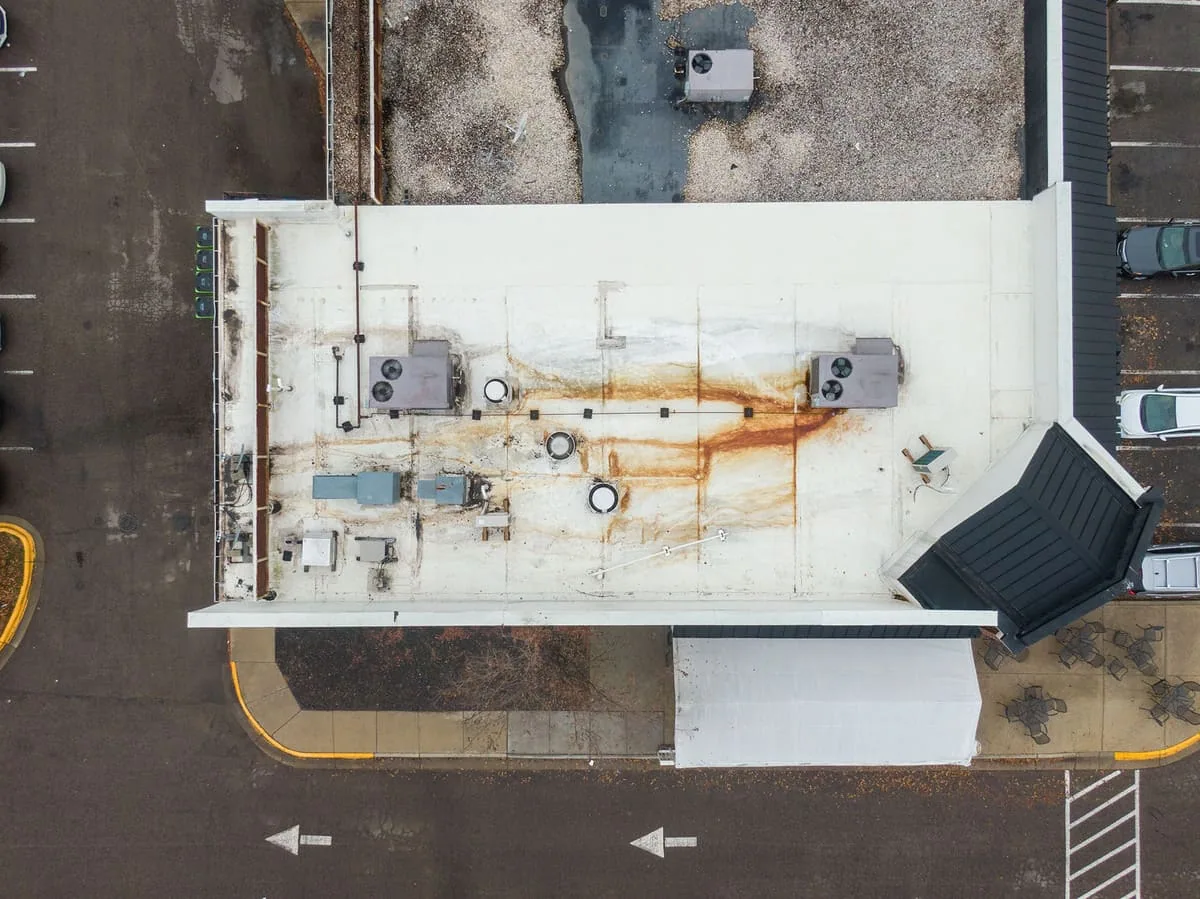
A wind-lifted membrane edge or fresh ceiling leak after a storm needs a careful inspection before the owner commits to a repair quantity. Our storm damage roof repair in Newport News, VA begins with safe access, interior protection and a record of visible conditions. We check membrane, seams, flashings, rooftop equipment, drains and perimeter metal, then mark the damage boundary and identify what needs testing. At Newport News International Airport, Hurricane Isabel produced 44-mph sustained wind and a 65-mph gust; storm surge and wind also affected Newport News and the wider lower Peninsula. Newport News engineering-weather data records a 100-mph 50-year basic-wind value and 3.4 inches per hour of 100-year rainfall. We inspect the roof and document current storm-related evidence at the property. Near Downtown and the Yard District, a facility contact may need to coordinate entry around port and shipbuilding operations. At Patrick Henry Corridor, retail access and deliveries may set the staging limits. We document what is present at the property and separate immediate dry-in from permanent repair.
Stabilize the Exposed Area
After severe weather, the first task is to prevent additional water from reaching occupied space, electrical systems, inventory or production areas. We coordinate with the facility contact to identify hazards, secure interior spaces and reach the roof safely. Temporary measures can include a patch, secured cover, drain clearing or interior protection when roof and weather conditions allow. If wind, lightning or wet surfaces make access unsafe, we explain what can be done from inside and when an exterior inspection can proceed.
Newport News engineering-weather data records recurring freeze-thaw cycles, high basic wind and intense rainfall. We inspect for the actual opening, loose edge metal, damaged flashing, punctures, displaced rooftop components and blocked outlets. We look for the actual opening, loose edge metal, damaged flashing, punctures, displaced rooftop components and blocked outlets. A temporary cover is labeled as temporary, photographed and checked against the forecast. If rain is expected before a permanent fix, the owner receives the limits of the protection and the next response window.
Document What the Storm Changed
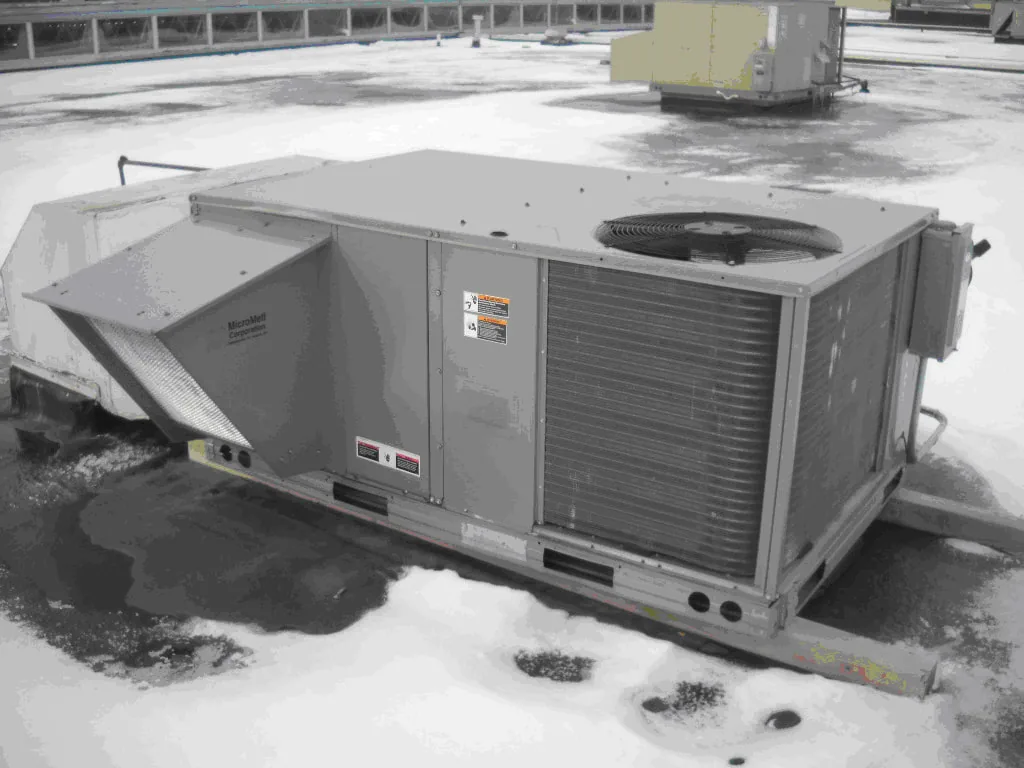
We photograph the roof before disturbing damaged material and record the location, dimensions and visible failure pattern. The survey checks the membrane field, seams, curbs, skylights, drains, parapets, gutters and edge attachment. We note debris or impact marks and look for damage to rooftop equipment or supports that could affect the roof system. Interior staining and wet materials are recorded separately from the suspected roof entry point. When hidden moisture is possible, core cuts or infrared imaging can establish how far it extends.
For a property near Seafood Industrial Park or along the James River, wind and rain exposure can make the roof edge and drainage transitions useful places to inspect closely. At Oakland Industrial Park, industrial building operations and truck access may influence where an inspection crew can stage. The observed conditions still govern the report. A photo condition report can distinguish confirmed damage from pre-existing wear, prior repairs and areas that need additional investigation.
Arrange a Newport News Storm Inspection
Send the property address, storm date if known, affected interior areas and access contact. We will document roof conditions, provide temporary protection where safe and outline permanent repairs.
Separate Storm Damage from Existing Wear
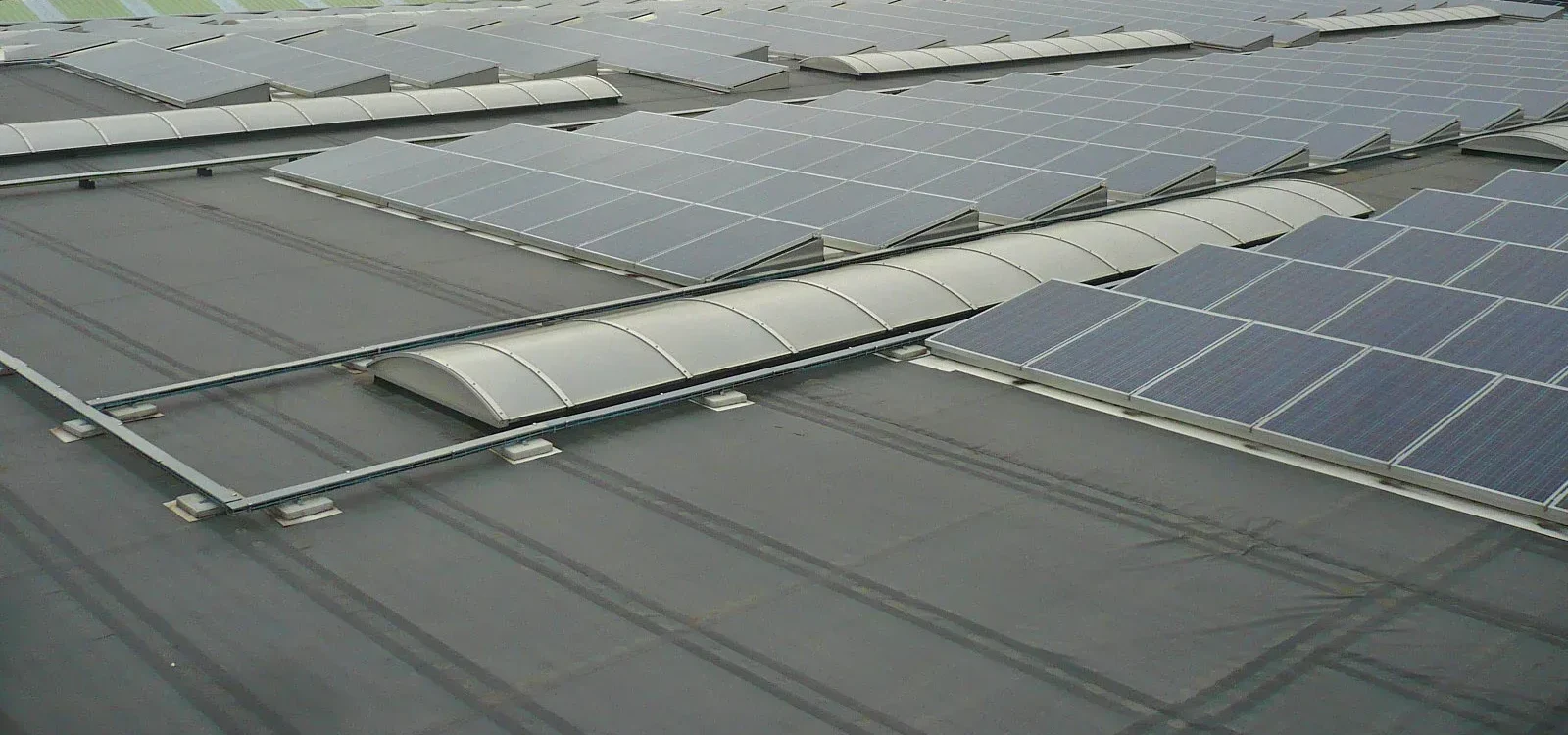
A storm can expose a weakness that was already present or create a new opening beside an older repair. We record both conditions and avoid treating every aged seam or discolored area as storm-caused damage. The report identifies fresh displacement, punctures or impact evidence where observed, and notes where timing or cause cannot be established from a roof walk alone. That distinction supports a sound repair scope and gives the property team a useful maintenance record after the event.
Localized damage may need a patch or flashing repair; broader wet insulation or a compromised deck may require selective removal. If the roof has repeated failures or the assembly is no longer suitable for isolated repair, we compare restoration, recover and replacement. An assessment of hurricane-related roof conditions can address wind-driven rain and perimeter details, while leak tracing can locate an active water path. We keep emergency stabilization separate from the permanent scope so the owner can authorize each step.
Measured Work and Open Questions
Repair cost depends on roof system, damage area, safe access, material availability, wet insulation, deck condition, edge work, equipment impact and the work window. A damaged area that requires removal to sound material may be larger than the visible tear. We measure the repair boundary and identify whether concealed conditions need a test opening. Where quantities remain uncertain, the proposal sets out the allowance or unit basis and identifies what will be reviewed before added work proceeds.
Newport News building owners may need to keep healthcare, research, retail or industrial operations running while repairs take place. The sequence can be phased by roof section if water protection and temporary drainage remain reliable. If the inspection points toward broad removal, a replacement scope can price that option separately from localized repair. If a roof remains sound but needs broad surface renewal, coating can be considered only after testing and preparation. The cost comparison should include access, shutdown, interior protection and the risk left in unaddressed areas.
Access and Weather Windows
Storm work is scheduled around conditions at the roof and constraints at the property. Rain can prevent a repair surface from drying; wind can make lifting, edge work and loose materials unsafe. We check the forecast and set a stop point for each shift, protecting completed areas before leaving. The facility contact should provide gate procedures, roof access, escort requirements, operating hours and any areas that cannot be interrupted.
Newport News Shipbuilding, healthcare facilities and research properties follow different access rules, so we confirm the actual site's schedule rather than assume a common window. Around Greater Oyster Point and City Center, office and research tenants may need notice before interior work. Along I-64 and Fort Eustis Boulevard, a distribution or manufacturing site may have active deliveries to route around. We coordinate material staging with the contact and keep a clear record of areas protected, repaired and deferred.
Repair Records After Severe Weather
Closeout photographs show the initial conditions, temporary measures, permanent repair and any remaining recommendation. We note the materials used and identify areas that need follow-up after another rain event. The facility team can share the record with ownership, a design professional or its insurer. We describe observed conditions and completed work; claim coverage decisions remain with the insurer.
Send the property address, storm date if known, interior impact and site access contact. We will coordinate a roof inspection, limit exposure where safe and provide a measured repair plan. A 24-hour emergency response is available when water entry requires immediate attention. For a facility near Tech Center or another Peninsula business area, include any special security or equipment restrictions in the request. Use the project contact form to arrange documentation and permanent repair review.
Questions About Commercial Storm Damage Roof Repair
How soon can you inspect after a storm?
We coordinate the earliest safe access with the facility contact. Wind, lightning, standing water, gate rules and roof conditions can affect when the crew can reach the area; emergency protection is prioritized when safe.
Can you tell whether damage came from the latest storm?
We document visible conditions and distinguish fresh displacement or impact evidence from older wear where the roof provides enough evidence. Some causes cannot be determined from a single inspection, and we state that limit in the report.
What if rain continues before permanent repair?
We explain the temporary protection available, secure it when site and weather conditions permit, and state its limits. The facility contact receives a follow-up plan for permanent work when surfaces and access are suitable.
Can you provide photographs for my insurer?
We can document observed roof conditions, locations, temporary measures and repairs. The insurer decides coverage, and our report does not promise payment or claim approval.
Will you repair damage to rooftop equipment too?
We record visible equipment or support damage that affects the roof and coordinate access with the facility team. Specialized equipment repairs may require the equipment service provider, while we address the roofing and flashing scope.