Distribution Center Roofing in Newport News, VA
Coordinate distribution center roof repair and replacement in Newport News around dock activity, inventory, equipment and daily site protection.
Home / Property Types We Roof / Distribution Center Roofing
Distribution Center Roofing
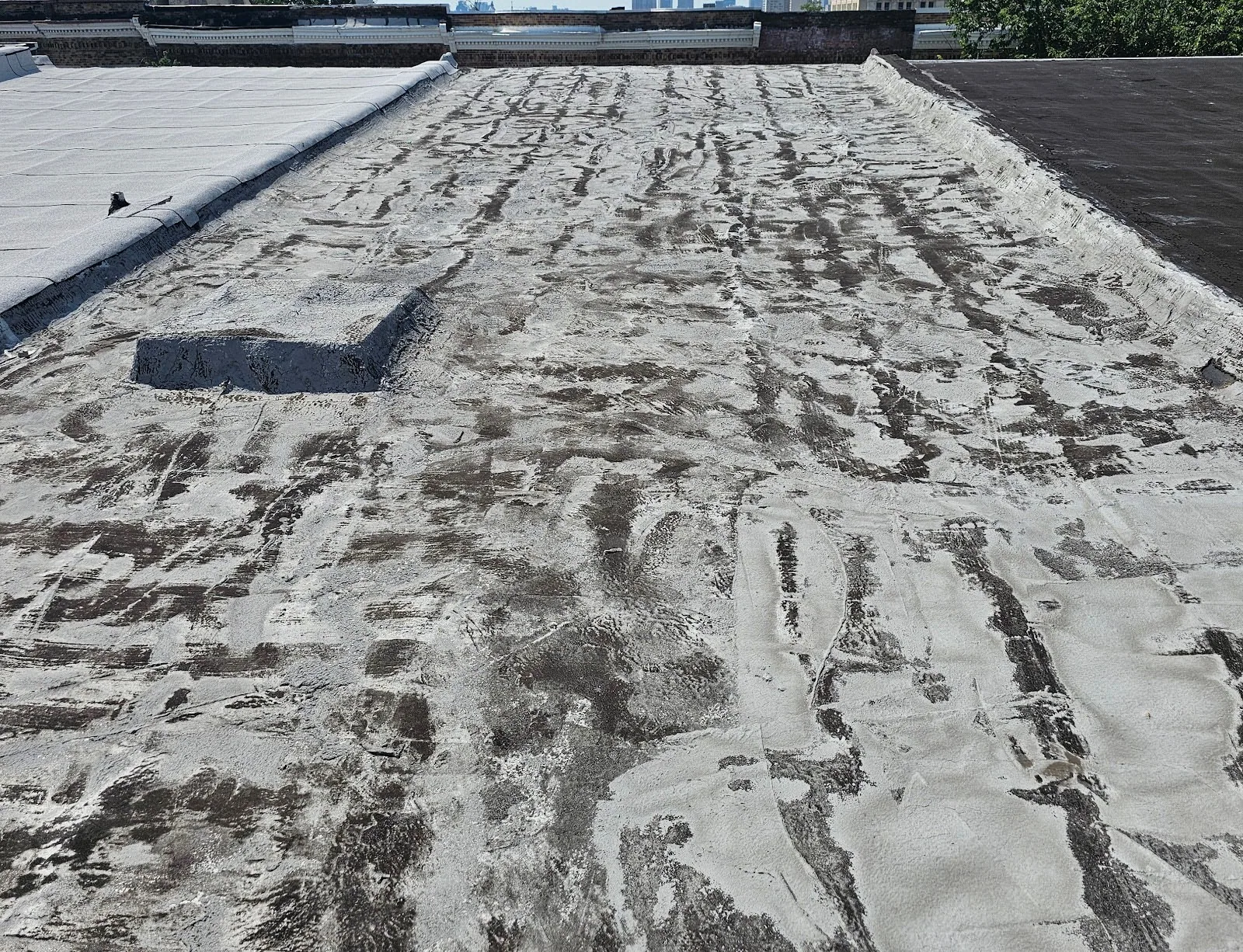
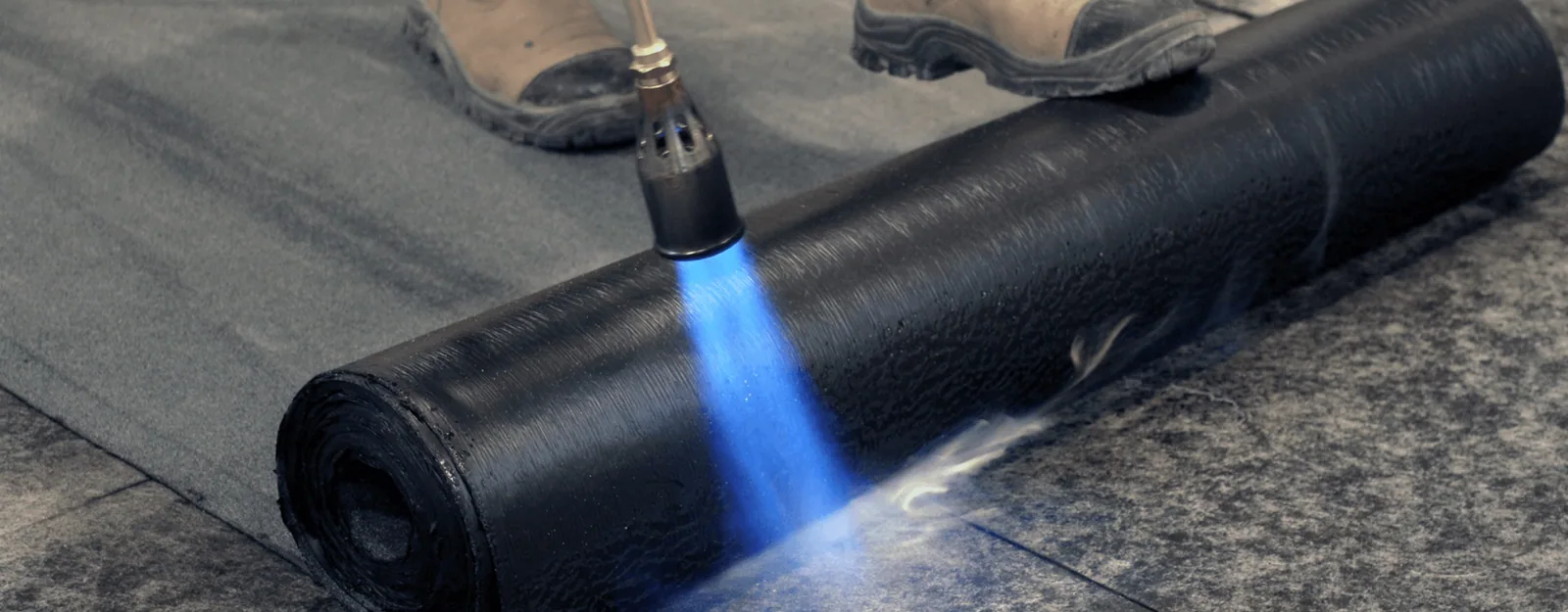
A distribution center can lose more than a dry ceiling when a roof opening interrupts dock flow or exposes inventory. Distribution center roofing in Newport News, VA starts with locating the roof failure and coordinating a work zone around trucks, conveyors, stored goods and scheduled shipments. We inspect seams, drains, insulation and rooftop equipment, then set a measured boundary for repair or replacement. Newport News sits along I-64 and the Hampton Roads port network, with industrial districts such as Patrick Henry Corridor and AirCommerce Park. A site near Oakland Industrial Park may have different delivery routes from a facility serving marine cargo. We build the work sequence from the site's actual operating calendar.
Roof Grids and Interior Operations
Large distribution roofs can span storage aisles, dock doors, refrigeration equipment and conveyor lines. We map leak locations to the roof plan where one is available, inspect the likely water path and check drains, overflow routes, seams, curbs and perimeter details. Water can travel along deck flutes before dripping into a different bay. Moisture testing helps determine whether the issue is isolated or whether insulation beneath a larger roof section is wet.
Newport News engineering-weather data includes intense design rainfall and a high basic wind speed. Drainage, perimeter attachment and dry-in limits should be considered alongside the visible leak. A roof inspection can identify the field conditions; a moisture survey may help prioritize test openings when the weather and roof assembly support that method. We explain what each test can confirm before including it in the scope.
Dock Flow and Inventory Protection
Before tear-off begins, the facility contact identifies active dock doors, high-value inventory, automated equipment and aisles that cannot be blocked. We coordinate lift placement and material staging away from truck paths, and set interior protections for the areas beneath each daily work zone. The roof opening limit needs to match the crew's ability to remove material, inspect the deck and close the area against rain within the shift.
Newport News port and marine-terminal activity support cargo movement alongside shipbuilding and suppliers. A distribution property connected to that network may need security, delivery and staging procedures clarified before roofing material arrives. Where water is entering now, an emergency roof response can evaluate temporary protection and document the next step. If the facility uses cold rooms or controlled areas, staff should identify temperature-sensitive zones before a repair opening is planned.
Coordinate Distribution Center Roofing
Send the Newport News address, roof plans, leak locations and dock schedule. We will inspect the roof and plan protection around shipments, equipment and inventory.
Targeted Repair or Roof Program
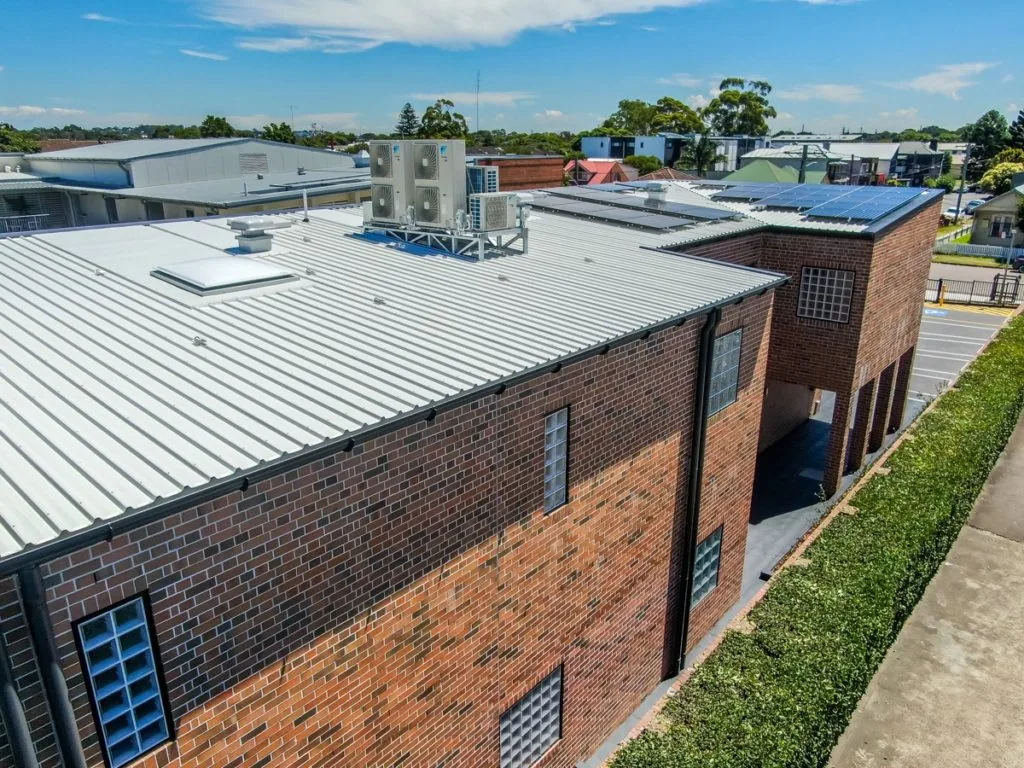
A single puncture or failed flashing can often be repaired if adjacent membrane and insulation are sound. Multiple leaks, wet insulation, failing attachment or open seams across different roof zones may warrant a planned replacement. A recover can be considered only after moisture, deck, roof height, drainage, layer count and code conditions are checked. We use test results and the repair history to distinguish an isolated defect from a broader assembly issue.
Many distribution centers share functions with warehousing or manufacturing. A warehouse roof plan may focus on storage protection, while a manufacturing facility review also accounts for process equipment and production downtime. Compare a TPO assembly or metal retrofit based on deck, building design and operation rather than assuming one roof system suits every logistics building.
Cost, Phasing and Access
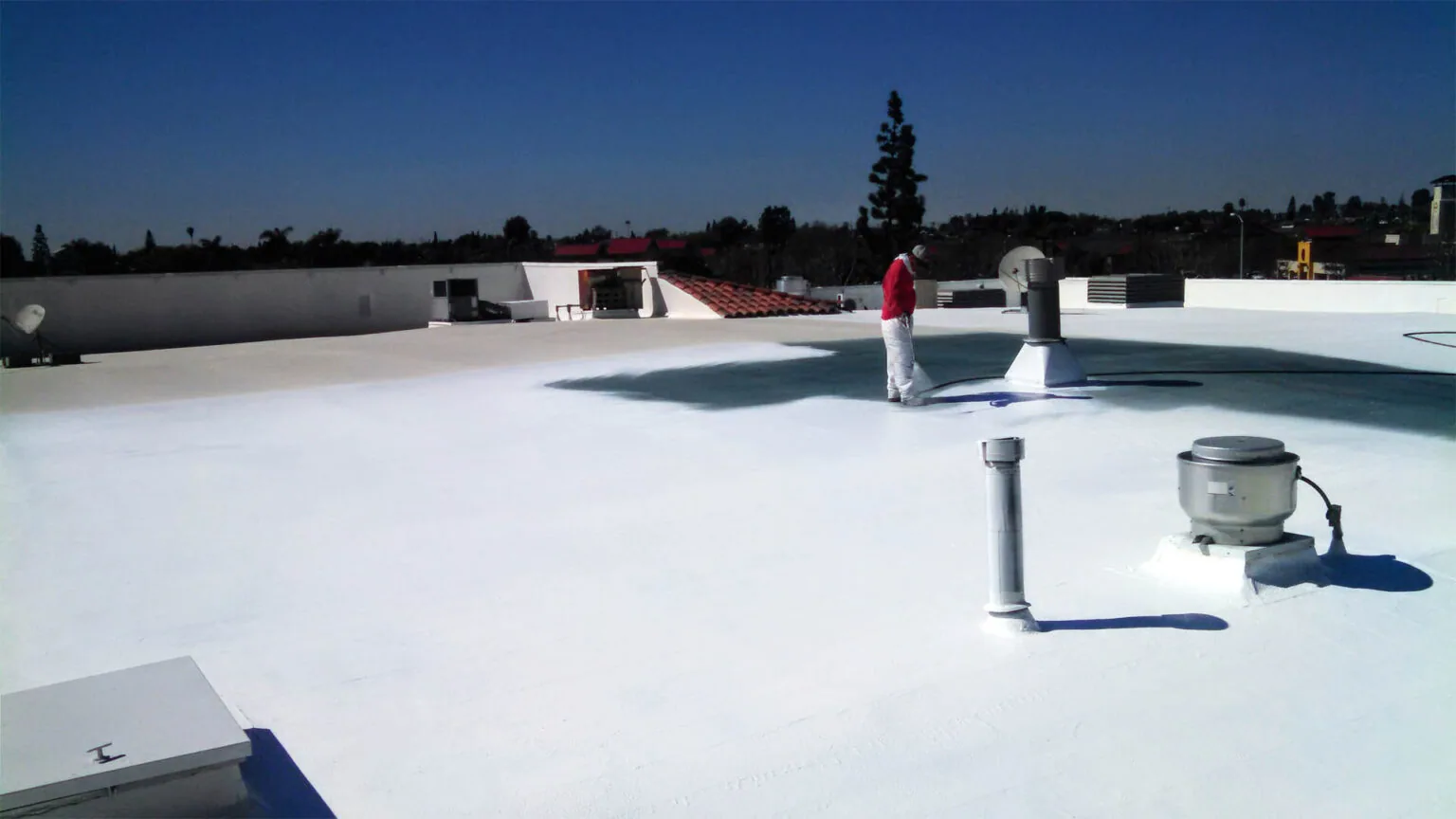
Cost depends on roof area, removal, insulation, deck repairs, drains, curb count, edge metal, hoisting, staging and the number of work phases. A distribution facility may need temporary interior protection, dock coordination or after-hours work, all of which should be identified in the estimate. We measure confirmed quantities and list concealed conditions that could change once the roof is opened. If replacement can be divided into zones, the estimate should show what each phase includes. A defined sequence also helps purchasing staff reserve space for deliveries and keep temporary protection aligned with the shipping calendar.
Access from I-64 and Route 17 can support material delivery, but on-site circulation determines where a truck or lift can safely operate. We review gate access, yard turning space and whether any route must remain clear for fire or shipping operations. A phased occupied-building plan can map those constraints. When multiple buildings compete for the same capital budget, roof capital planning can order work by active leak risk and verified condition.
Shipments, Weather and Dry-In
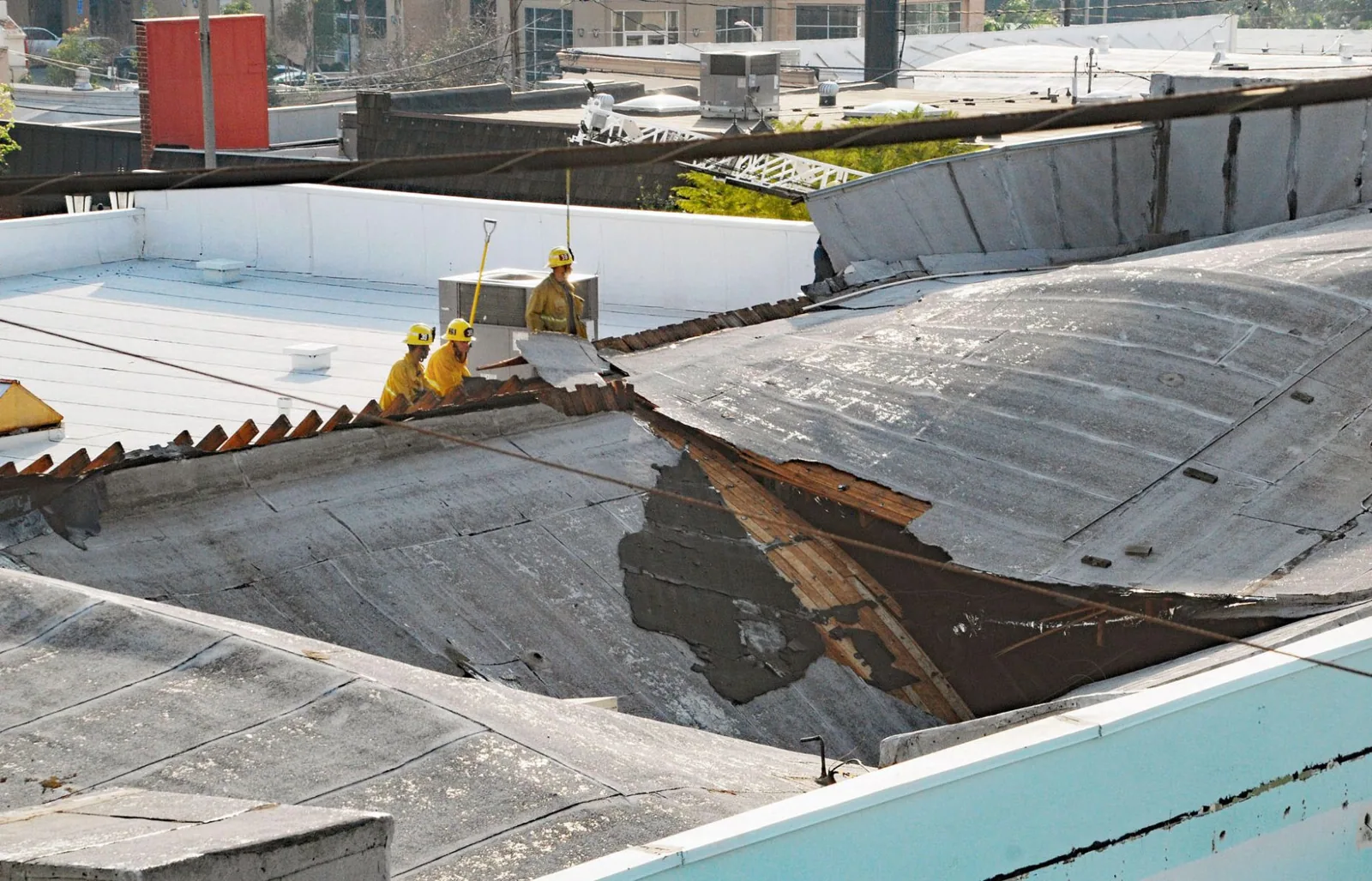
Roof work is scheduled around daily shipping windows and weather. We set section boundaries based on how much material can be removed, inspected and made watertight before leaving. Rain may stop tear-off, and wind can limit sheet handling or hoisting. The sequence identifies equipment shutdowns, interior notices, lift times, material arrival and temporary protection, so the building team can prepare without closing more of the operation than necessary.
Newport News summer design weather carries heat and humidity, and regional wind conditions can influence exposed-roof work. The contact can identify peak receiving hours, truck queuing, shift change and inventory counts that restrict access. At facilities near the Patrick Henry Corridor, airport and retail traffic may also affect deliveries. We update the site contact when weather forces a change and keep each day's opened roof area within the protection plan.
Roof Zones and Maintenance Handoff
Closeout records should identify roof zones completed, repair boundaries, membrane and insulation details, drains, equipment transitions and any areas still requiring monitoring. Photos linked to roof grids let operations staff report a leak by aisle, dock or bay. Keep the record with conveyor, HVAC and fire-protection plans so later service work does not compromise a finished seam. Preventive visits can focus on drains, perimeter attachment and prior repair locations.
Provide the Newport News address, facility use, roof plans, active leak locations and shipment schedule. We can inspect the assembly, document testing and compare repair, recover or replacement. Tell us which docks, aisles and inventory zones need protection. Use the project contact form to request a site review and attach available roof records.
A distribution facility can use a roof-grid plan to link a reported leak to dock doors, conveyor zones and interior storage lanes. Ask operations which travel paths and trailer positions cannot be interrupted, then schedule roof access and debris removal around those constraints. When work spans multiple sections, record the area completed each day and the remaining exposure so warehouse staff can adjust staging without relying on a general project status.
Confirm the gate schedule with dispatch before each shift. Note whether loading can continue beneath the active roof section and who accepts the area after dry-in. Keep that boundary visible on the daily log.
Questions About Distribution Center Roofing
Can distribution center roofing be phased by dock?
Phasing can follow roof zones or interior operations when drainage, lift access and temporary dry-in remain workable. We coordinate the boundary with receiving and shipping staff.
How do you protect conveyors and inventory?
We review the areas under each roof section, set interior protection and limit removal to the amount that can be closed safely that day. The facility identifies sensitive stock and equipment.
Can work happen during active shipments?
Many projects can proceed with agreed access routes and delivery windows. Lift placement, truck circulation, noise and weather protection set the limits for each shift.
How do you locate a leak in a large distribution roof?
We compare the interior evidence with roof seams, drains, penetrations and low areas. Moisture testing or targeted openings can help confirm the boundary before repair or replacement is scoped.
What affects a distribution center reroof schedule?
Roof size, staging, removal rate, material delivery, equipment shutdowns, weather and shipping peaks all affect timing. We set the work zones with the facility contact before mobilization.