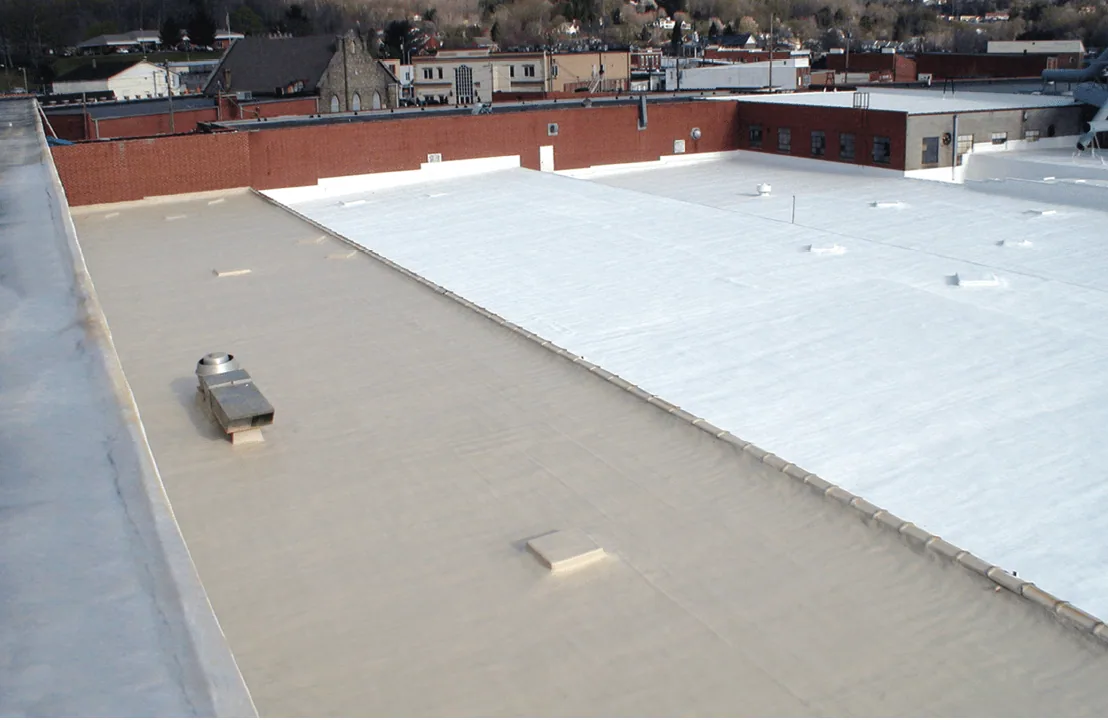
Commercial Roofing for Healthcare Systems in Newport News, VA
Roof inspection, leak response and phased repair planning for hospitals, clinics and healthcare properties in Newport News, Virginia.
Home / Industries We Serve / Healthcare Systems
Healthcare Systems
A leak over patient care calls for a controlled response and a traceable repair boundary. Healthcare systems in Newport News, VA need a clear account of where water entered, which spaces or services could be affected and what work can proceed without disrupting care. We trace the reported water path, inspect nearby roof details and document the repair boundary. The first scope can then focus on stabilizing the condition while facilities staff coordinate the next access window.
Riverside Regional Medical Center is among the city’s major institutions, and Greater Oyster Point includes healthcare, research, office and retail uses. Each facility confirms its own access plan and work window. We work from the operating requirements supplied by the facility contact, identify roof zones and staging needs, and sequence work around the actual building.
Find the Water Path, Protect the Service
A ceiling mark does not tell us how far moisture has traveled. We inspect the roof surface above the report and check seams, penetrations, drains, flashing and transitions that could carry water away from the opening. If the roof assembly may hold moisture, we mark the area for further testing rather than claim a concealed condition from surface evidence alone. The report can include photos and a plan location that the facility team can relate to its own records.
For a larger roof or difficult access, drone imagery can help establish the layout before a hands-on survey. Infrared moisture work can identify areas for additional investigation when site and weather conditions allow. Our commercial inspection separates observations from assumptions and notes the limits of the review. An active leak can receive emergency attention at any hour, including weekends and holidays, with facility access coordinated through the designated contact.
Work near patient, laboratory, pharmacy or utility areas calls for coordination around access, noise, odors and material movement. We ask which locations must remain available and whether a shutdown window applies. We map the work area and likely sequence for staff review before the crew is scheduled.
Choose the Right Repair Boundary
When nearby membrane and substrate remain sound, we can limit the scope to the failed flashing detail. Wet insulation extending past the opening, repeated seam separation or deterioration across several roof details may require a wider scope. We mark what is confirmed and explain what would need testing or opening to establish the next boundary. That distinction prevents a small interior symptom from being treated as proof of a full roof failure, while keeping a broad condition from being reduced to a surface patch.
When repair is suitable, the work description names the area and roof details being addressed. Restoration or coating is considered only when the existing substrate and assembly meet system requirements. A recover must be appropriate for the roof and comply with applicable code; replacement becomes a comparison when deterioration is extensive or the existing layers cannot support another system. We can show the alternatives separately so facilities and finance teams can match scope to need.
Where services must continue, phased reroofing can divide the project into work zones with stated access limits. Each phase can include its own protection, delivery and closeout notes. This helps the facilities contact communicate the expected roof activity without suggesting that every clinical area has identical sensitivities.
Plan Roofing Work Around Care
Send the Newport News facility address, roof concern and access window. We will document the condition and coordinate a scope around the operating requirements provided by your team.
Coordinate Access with Facility Operations
Before a visit, we need the building address, the leak or roof concern, an access contact and the hours available for inspection. Before repair, we confirm roof access, staging, delivery route and any limits on hot work, noise or odor that the facility identifies. If service equipment, rooftop units or controlled areas are involved, the scope can identify coordination points instead of leaving them as day-of assumptions.
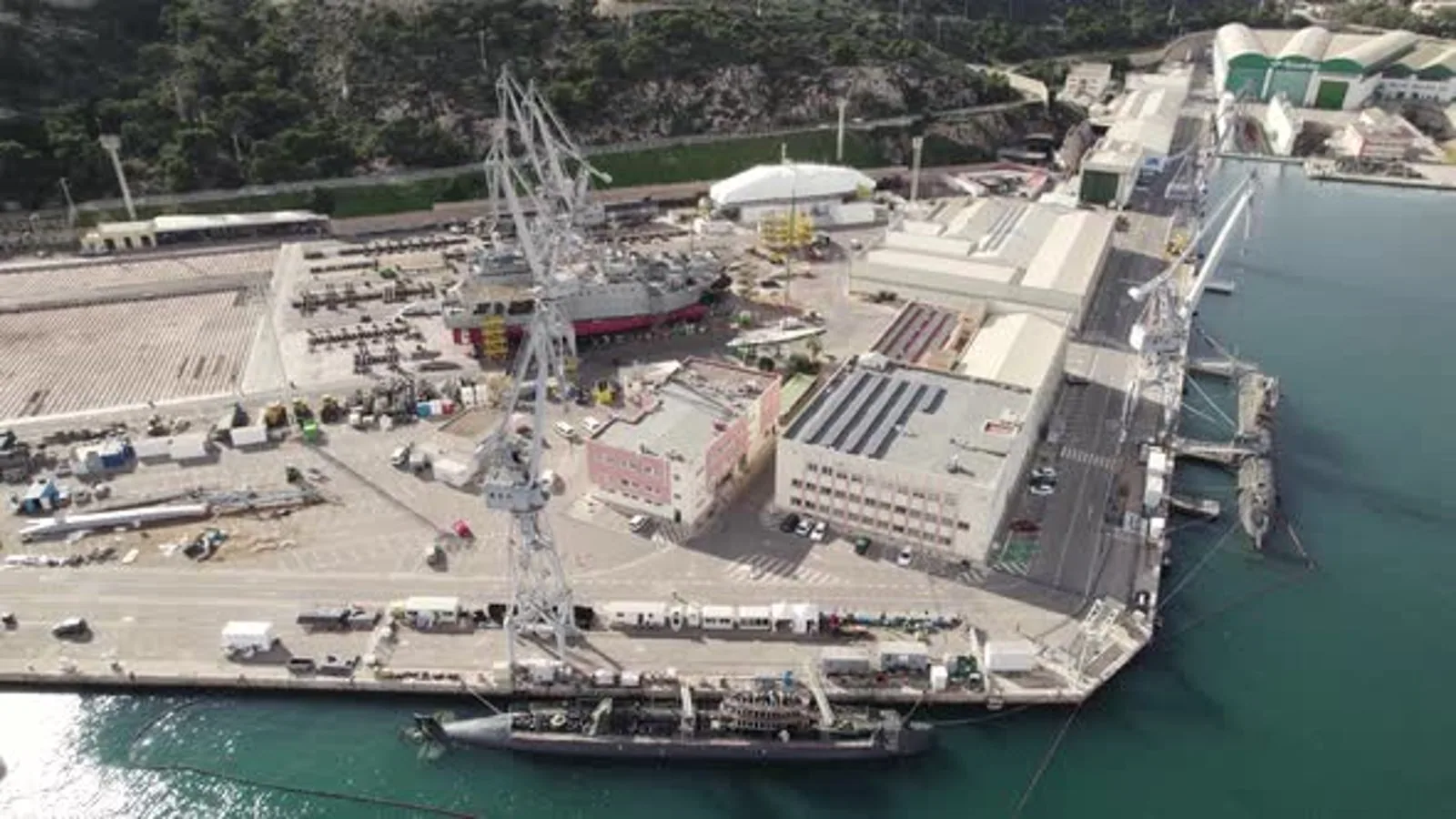
Riverside Regional Medical Center and other Greater Oyster Point institutions sit within an area that also includes corporate, research and retail activity. Nearby, Tech Center brings research businesses together near Jefferson Lab, creating another setting where facility access and operating hours shape roof scheduling. A medical property in that district may have an entirely different operating schedule from an office or research building nearby. We plan around the facility's stated requirements, and record the sequence by roof zone so that changes affect the relevant phase.
For campuses with more than one property, we align inspection records and priorities across addresses. Each building keeps its own condition, access contact and work sequence. Property management teams can use a consistent record to compare roofs without assuming the same repair fits each location.
Keep the Capital Request Specific
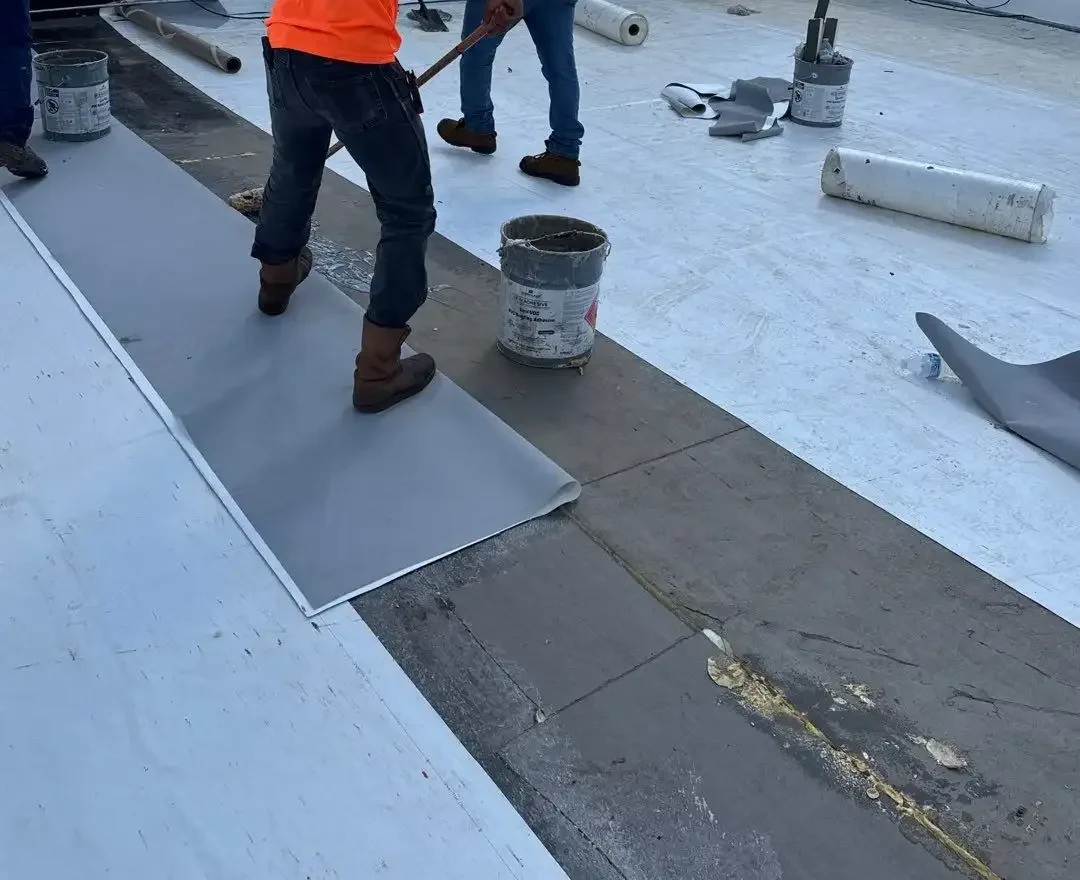
Healthcare roofing budgets change with roof system, measured repair area, insulation condition, flashing details, equipment supports, tear-off, staging and requirements for occupied work. We state what is included and list any area that remains unmeasured or needs testing. If opening a roof assembly reveals additional wet material, we document the finding and review the scope change before proceeding beyond the authorized work.
Newport News engineering-weather records describe intense design rainfall, high basic wind and recurring freeze-thaw cycles. These regional conditions help explain why inspection checks drainage, edge attachment and seams. We inspect each hospital or clinic and document the conditions found at that property. We base the recommendation on what we see and can verify at that property.
A repair can be a sensible current expense when the failure is limited and surrounding material remains serviceable. Where facilities oversee production buildings as well as care sites, our manufacturing roof scopes account for the operating windows staff provide. Each recommendation remains tied to its own inspection record. A broader renewal may be more appropriate where the assembly has widespread deterioration or recurring repairs. We provide a capital planning scope that separates immediate work from later phases, with cost drivers and timing dependencies visible for review.
Close the Loop After Roof Work
At completion, we can record the repaired location, photographs, materials and any adjacent condition that remains outside the scope. A clear closeout helps another facilities manager understand what changed and what still needs monitoring. If the repair requires a return visit or the inspection found a separate concern, we state that next action rather than letting it disappear inside the original work order.
Preventive maintenance can check drains, seams, roof edges and penetrations before those details generate an interior report. The visit should also state what was accessible and whether any area needs a closer evaluation. Keeping the record tied to a roof plan makes it easier to connect a recurring report to a known repair boundary.
Oyster Point building use informs maintenance timing. We base recommendations on the assembly, drainage, attachment and staff access window.
Start with the Facility Contact
Share the Newport News address, reported location, urgency and facility access requirements. For an active leak, call any time, including nights, weekends and holidays. We can inspect the roof, document the water path and scope immediate stabilization separately from testing or renewal.
For a campus or health system, include the facility contact for each building and work hours affecting access. We will keep each roof record distinct while coordinating the visits and phases your operations team can accommodate.
Questions About Healthcare Systems
Can roof work be planned around clinical operations?
Yes. We identify the roof zone, staging and expected phase, then coordinate the visit with the facility contact and the access window they provide. The building team sets any restrictions for patient or service areas.
What is included in an urgent leak response?
We focus on locating and stabilizing the active water path, documenting the affected roof details and identifying any follow-up inspection needed. Emergency response is available around the clock, including holidays.
Can you inspect a hospital and its clinics as one program?
We can coordinate visits across the addresses while keeping a separate condition record for each building. That allows facilities leadership to compare needs without assuming one roof's finding applies elsewhere.
How do you determine whether a repair is enough?
The repair boundary follows confirmed seam, flashing, drainage or insulation conditions. We explain what remains sound, what requires testing and which findings would support a broader restoration or replacement scope.
What information helps schedule the first visit?
Send the property address, roof concern, access contact and hours when inspection is possible. Note any controlled roof access or operating limits so we can plan the visit with the right facility staff.