Commercial Roofing for Manufacturers in Newport News, VA
Roof repair, replacement and maintenance for manufacturing facilities in Newport News, with scopes planned around production and shipping access.
Home / Industries We Serve / Manufacturers
Manufacturers
Production schedules put a hard edge around roof repair windows. Manufacturers in Newport News, VA need the affected area identified, the repair boundary measured and the work window matched to the plant schedule. We inspect the membrane or metal system, trace seams and penetrations around the report, and mark what is confirmed. That gives plant staff a roofing scope they can weigh against production and material movement.
The city’s economy includes shipbuilding, marine suppliers, fabrication and other manufacturing. The Newport News Seafood Industrial Park accommodates vessel repair, machine shops, fabrication and processing. Those different operations have their own access rules. We ask the facility contact how roof access, deliveries and shutdowns work at the property before setting a repair sequence.
Inspect Around Equipment and Process Areas
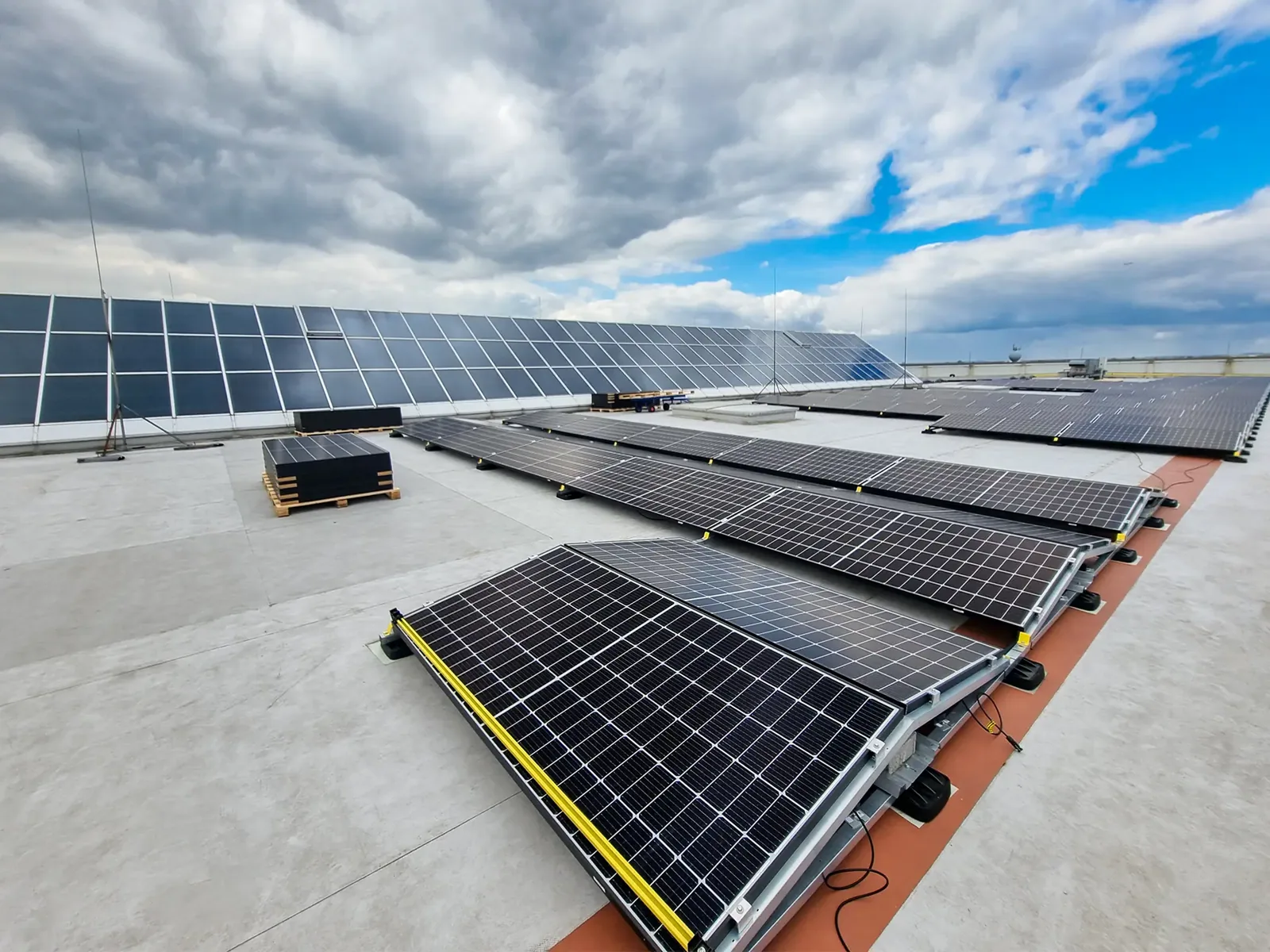
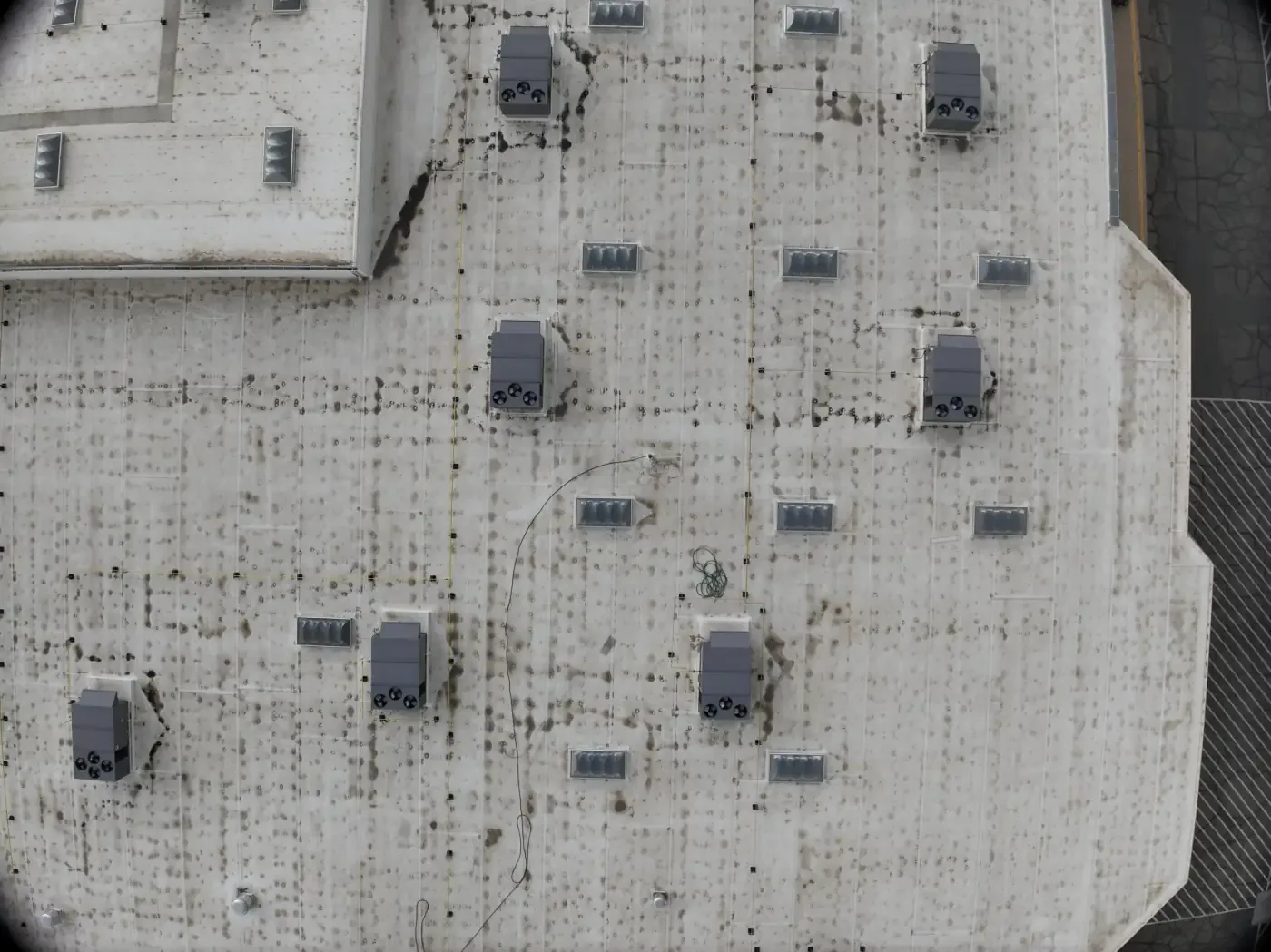
Production buildings often have rooftop units, exhausts, piping, skylights and service paths that interrupt the membrane. We check the flashing and support details around those penetrations, then inspect seams, drains, edges and prior patches in the same roof zone. If an interior report sits below a process area, the water path may move laterally before it becomes visible. We document the evidence above and around the report rather than assuming the stain marks the opening.
A hands-on roof inspection can record system conditions and photos. Drone imagery can help with roof layout and inaccessible areas; infrared moisture survey work may point to locations for further testing when conditions permit. The report separates confirmed defects from areas that need more investigation. If a leak is active, emergency response is available around the clock, including holidays, with access arranged through the plant's designated contact.
At Newport News Shipbuilding and marine-supplier properties, production continuity makes access and work windows important. We confirm roof entry and operating restrictions with staff, then select a repair method from the observed assembly and failure mode.
Contain the Failure Without Hiding It
A seam opening, puncture or failed curb flashing can be isolated when surrounding material remains sound. We mark the repair area and note related details that could let water return. If moisture extends under the membrane or insulation, we identify the suspected reach and the testing needed to measure it. The work order should show both what the repair covers and what still needs confirmation.
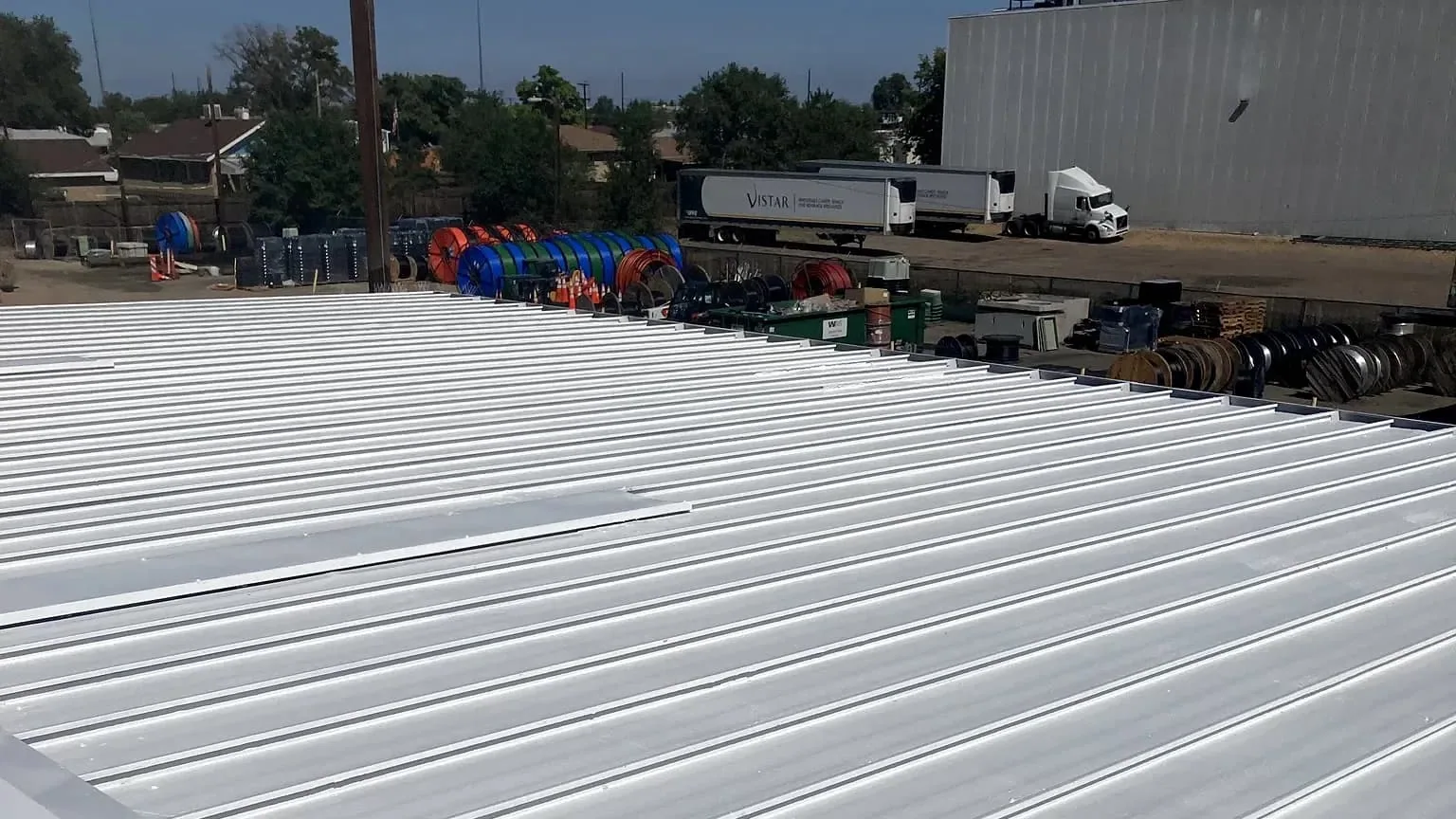
That boundary matters when a plant has several active roof zones. A localized repair may restore a specific area, while recurring water or widespread wet insulation can call for a broader project. We can compare repair with coating, recover or replacement when the roof assembly supports those options. The existing substrate, system compatibility, code requirements and amount of concealed moisture govern the choice, not a preference for one product.
For larger work, phased reroofing can divide the surface into sections and identify which staging zones or entrances are affected in each phase. We list delivery assumptions, equipment needs and any production shutdown that staff says is available. If opening the assembly uncovers a new condition, we document it and review the scope change before extending the work.
Set a Roofing Scope Around Production
Share the Newport News facility address, roof concern and plant schedule. We will document the condition and identify an access plan your operations contact can review.
Protect the Production Window
Scheduling starts with the plant calendar. We ask when roof access is permitted, whether deliveries share the same route as roofing materials, and which operating periods should remain clear. The facility contact can identify restricted areas and coordinate any service interruption. We then put access, staging and daily work limits into the scope so that plant staff can review them before the crew arrives.
At the Seafood Industrial Park, vessel repair, fabrication, marine construction and seafood processing make up a varied industrial environment. A property there may need a different delivery or shutdown plan from a manufacturer near Greater Oyster Point, where research, office and business activity are more prominent. Tech Center also brings research firms near Jefferson Lab, so we confirm whether access conditions differ at that site. The area helps set questions to ask; the facility's own operating plan sets the actual schedule.
A manufacturing manager overseeing more than one address can keep condition records comparable through our multi-site roof program. Each building retains its own system, repair boundary, access notes and recommended action. If a portfolio includes logistics facilities, a separate roof scope for logistics operations can account for loading schedules. Healthcare properties need their own access notes too, as outlined for healthcare facilities.
Price the Scope That Production Needs
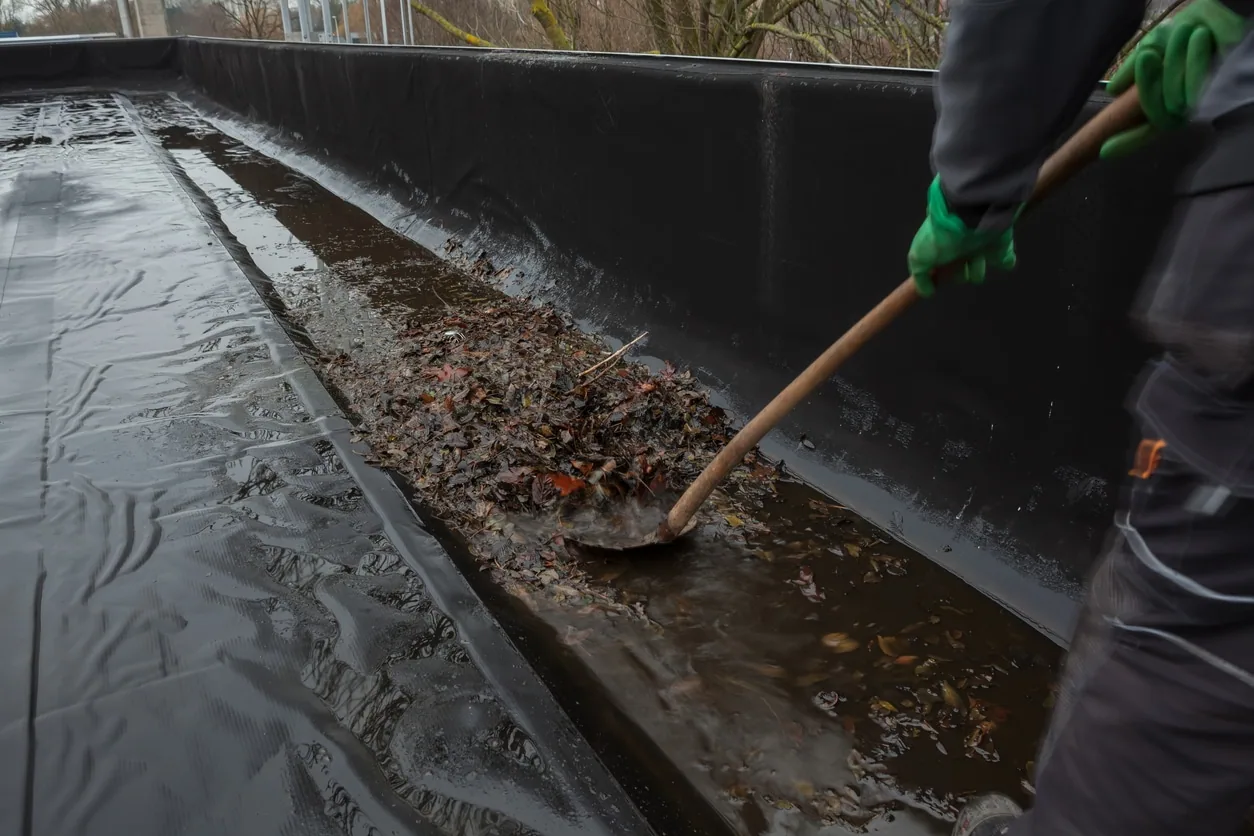
Cost depends on the measured area, roof system, insulation condition, flashing and curb details, tear-off, disposal, staging and time allowed for the work. Equipment congestion or limited material access can affect labor and sequence. We state the assumptions that influence the proposal and show whether quantities are confirmed, estimated or subject to testing after the surface is opened.
Newport News engineering-weather data notes intense design rainfall, significant basic wind and frequent freeze-thaw cycling. For a manufacturer, those conditions make drainage, edge attachment and seam continuity worth checking, especially where rooftop equipment creates additional transitions. We inspect each plant for drainage, edge attachment and seam continuity, then set scope from the conditions found.
When several repairs compete for the same shutdown window, capital planning can rank them by active water, deterioration and access needs. We separate immediate stabilization from later renewal and explain what would change the priority. That makes a budget request more useful than a single line for “roof work” with no stated boundary.
Leave Plant Staff a Useful Record
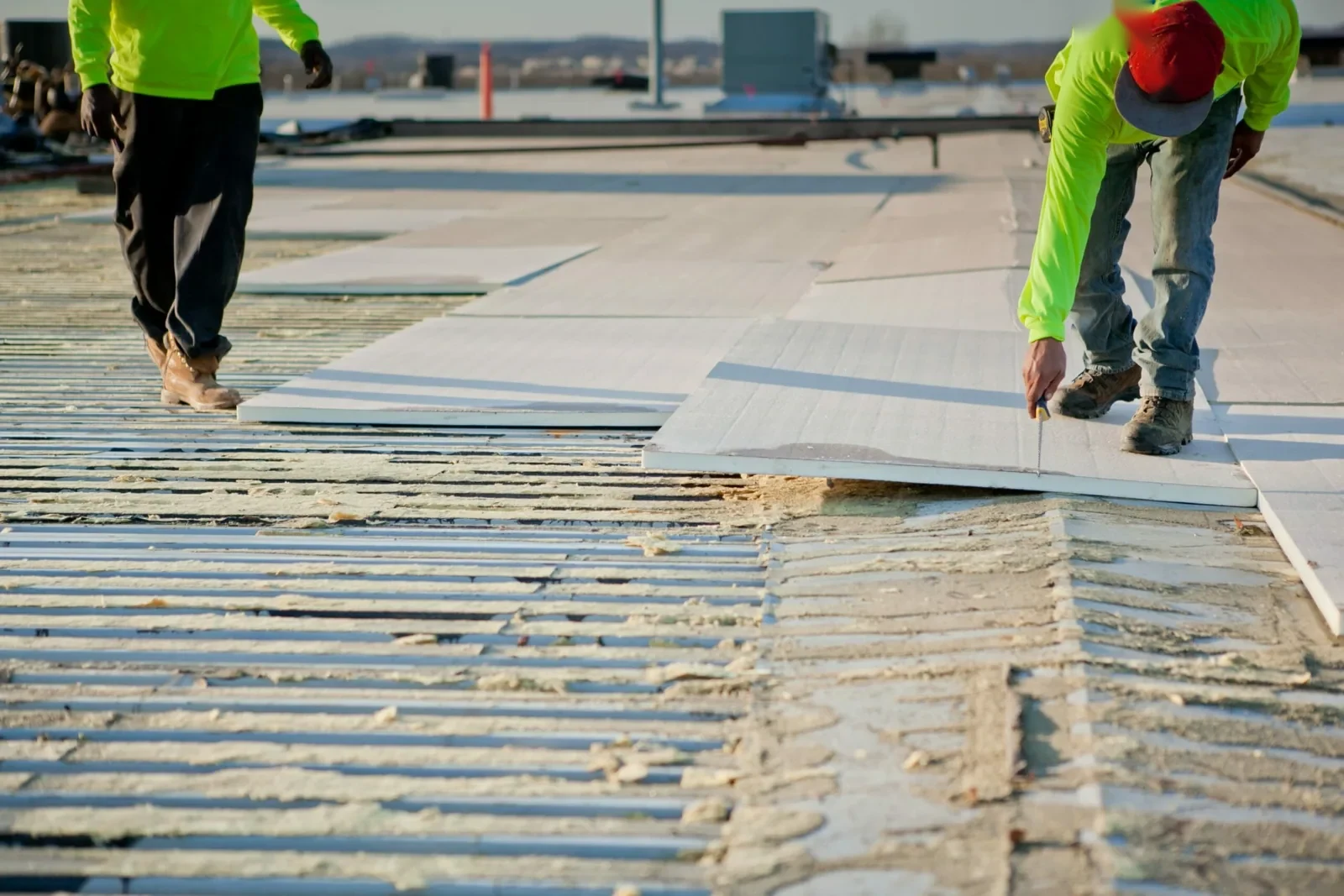
Closeout can include the repaired location, photos and any condition outside the approved work that needs monitoring. We note whether a production-area report was traced to the roof detail or whether further testing remains necessary. The next maintenance request can then refer to the same roof zone and avoid reopening questions that the inspection already settled.
Send the plant address, roof concern, production schedule and access contact to arrange an inspection. If a shutdown or delivery restriction applies, include the window you can make available. We will inspect the relevant area, document the repair boundary and give your team a scope tied to its operation.
Before selecting a work window, maintenance and production should identify equipment that must stay energized, overhead lines that constrain lifts, and processes sensitive to dust or water intrusion. The roofing scope can then distinguish work that requires a shutdown from work that can proceed with local protection. Keep those operating assumptions visible in the estimate, and verify them with the plant contact before scheduling. Closeout should state what was observed above each process area and what was actually repaired.
Questions About Manufacturers
Can you work around an active production schedule?
We can plan a sequence around the access and shutdown windows your plant provides. The scope identifies roof zones, staging and likely interruptions for staff review before work is scheduled.
How do you handle roof leaks near equipment?
We inspect the curb or penetration flashing and nearby seams, then trace related drainage and water paths. The report identifies the confirmed repair boundary and any area requiring further testing.
What if moisture extends beyond the visible leak?
We mark the suspected reach and describe what testing or opening the assembly could establish. Confirmed quantities stay separate from areas that remain uncertain until further inspection.
Can a plant reroof happen in phases?
Often, a larger project can be sequenced by roof zone, access and the plant calendar. The usable phases depend on the assembly, staging room, weather and the operating limits staff identifies.
What information should accompany a roofing request?
Provide the address, interior symptom, access contact, roof access rules and production hours. Note delivery routes, equipment shutdowns or restricted areas that could change staging.