Commercial Roofing at Newport News Seafood Industrial Park, VA
Plan roof repair and maintenance at Newport News Seafood Industrial Park, with marine fabrication, equipment access and operating schedules considered.
Home / Service Areas / Newport News Seafood Industrial Park
Newport News Seafood Industrial Park
A commercial roof near marine repair or fabrication has to be scoped around the actual building and its operating route. Newport News Seafood Industrial Park includes machine shops, vessel equipment repair and fabrication, marine towing and construction, barges, seafood processing, boat repair, a fuel depot and an ice plant. Those uses make roof access and work timing a key part of the first conversation, while the building's membrane, deck and drainage still need an on-site inspection.
We mark the reported leak, check nearby seams and penetrations, and confirm which access routes and operating windows the facility contact requires. The nearby Downtown / The Yard District also supports waterfront terminals and shipbuilding, but its property rules and roof conditions are separate from those at Seafood Industrial Park.
Trace Water Around Equipment and Transitions
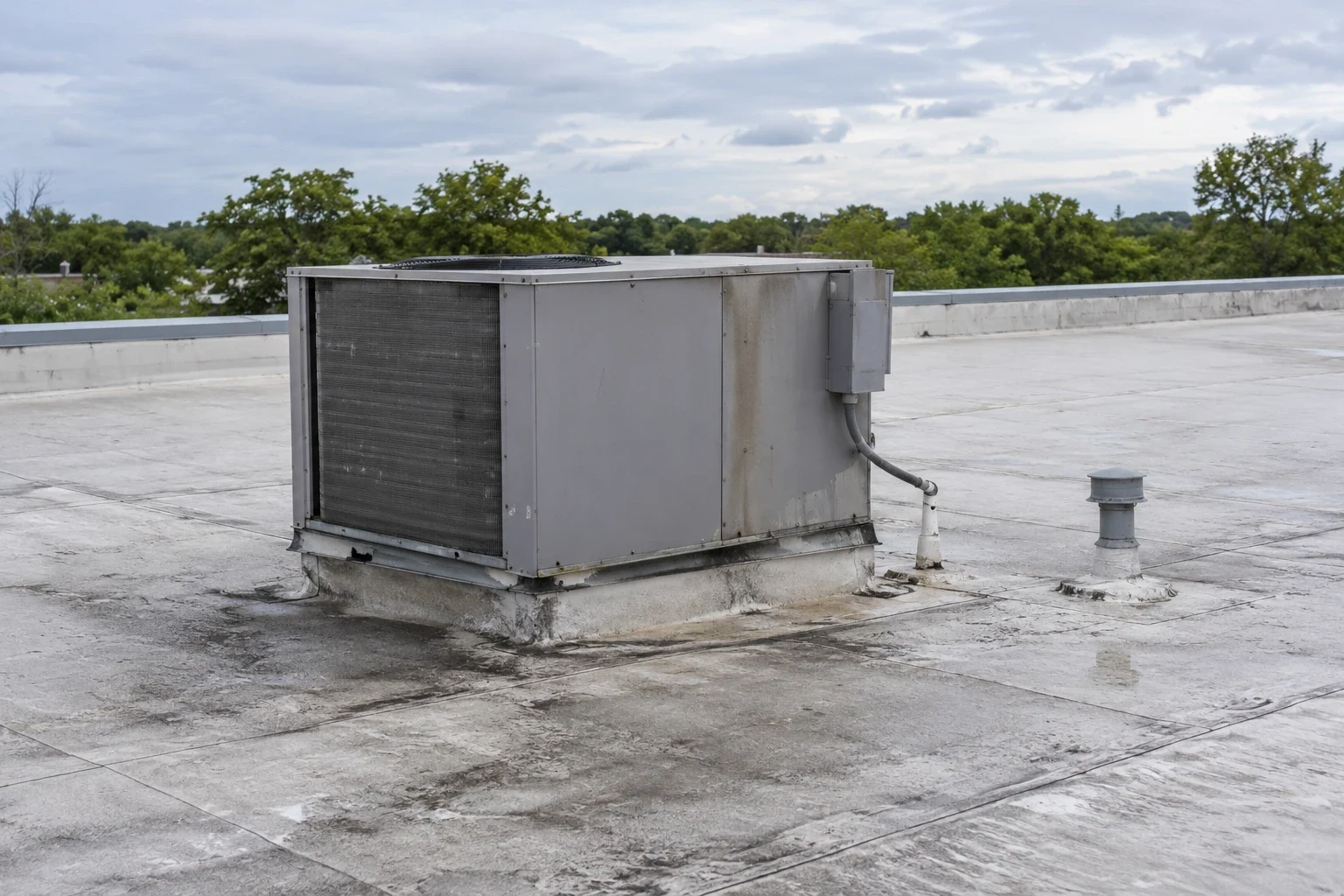
Roof inspections begin with the membrane, seams, flashings, drains, scuppers, edges and transitions around roof-mounted equipment. The facility contact identifies vessel equipment, process lines and rooftop systems that affect access or flashing details. We ask the facility contact about exhaust, service lines, rooftop units, crane or lift access and interior areas that need protection, then verify the observed details in the field.
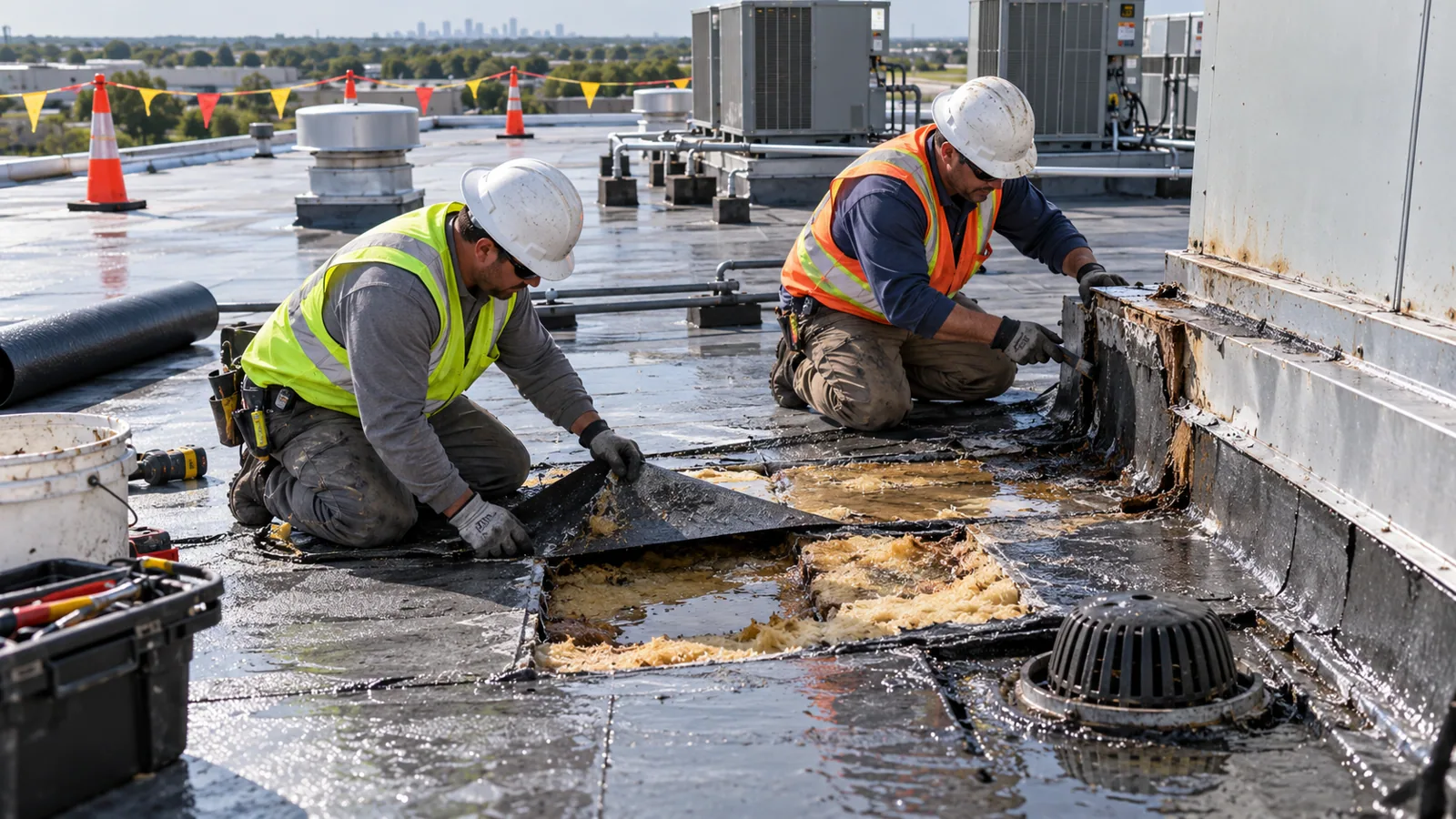
If water appears indoors, the opening above may be only one point along the path. We inspect the membrane above the report, follow low areas toward drains and check joints near curbs and pipes. Moisture beneath the membrane can extend beyond the visible defect. If suspected moisture extends beyond the reported entry point, a targeted test can mark the affected roof area; the closeout separates verified damage from pending investigation. Our commercial roof inspection provides photographs and a measured condition record.
The city’s design references include a 3.4-inch hourly rate for 100-year rain, 100 mph basic wind at 50-year recurrence and recurring freeze-thaw conditions. At this marine work area, we inspect water paths and exposed attachments on the specific roof.
Choose Repair, Recover or Replacement Carefully
A local puncture, loose flashing or seam opening can be repaired when the surrounding assembly is stable and dry. Repeated leaks, widespread wet insulation, failed attachment or deteriorated deck may need a broader scope. We measure the confirmed area and flag any suspected conditions that require testing. If an opening reveals more damage than the initial inspection showed, we document it and agree on a scope adjustment with the authorized contact before expanding work.
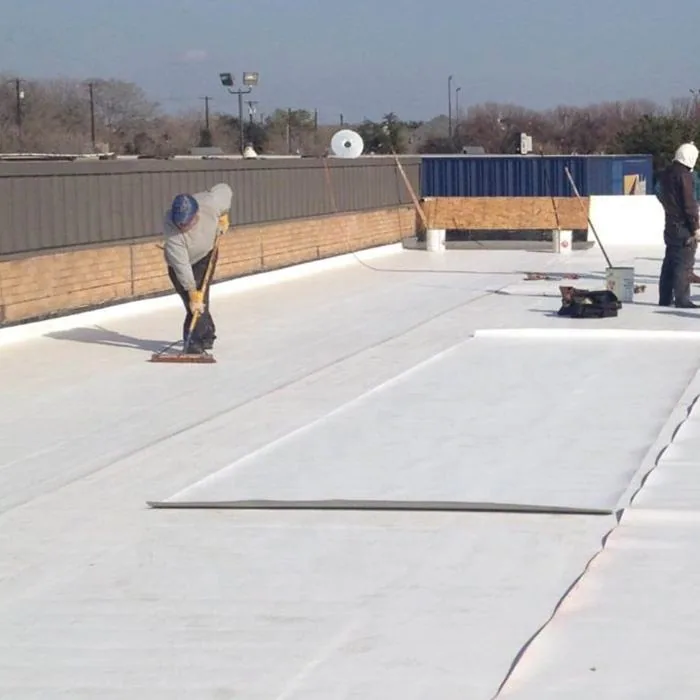
Recovering an existing roof requires sound layers, secure attachment, acceptable drainage and sufficient height at drains, curbs and equipment supports. A coating needs a compatible, stable surface and does not address wet insulation beneath it. Replacement lets the crew remove failed material but adds tear-off, disposal and temporary protection. At facilities with active marine or processing operations, the work sequence can matter as much as the material choice because staging and access must stay coordinated.
If the facility is occupied during work, phased reroofing can define roof zones and protection steps. A curb and equipment support review can record flashing at penetrations. Both help keep the scope tied to observed roof details instead of general assumptions about the park.
Schedule a Seafood Industrial Park Roof Inspection
Share the Newport News address, roof issue, operating hours and access requirements. We will inspect the assembly and document the repair boundary and follow-up needs.
Measure the Repair and Its Access Needs
Cost depends on the measured work, roof type, removal depth, insulation, deck repairs, flashing, drains, perimeter metal, equipment supports, material handling and disposal. The park's industrial acreage is not a measure of any building's roof. We set quantities from inspection and show which access or protection assumptions are included. If materials need to be carried through an active work area or delivered during a limited window, the facility contact can confirm the route before the schedule is priced.
Concealed conditions should stay separate until they are verified. If wet insulation or damaged deck appears during removal, the crew photographs and measures it, then requests authorization for the additional work. A leak response can be prioritized while a longer capital decision is prepared.At the Seafood Industrial Park, active leaks can be reported nights, weekends or holidays; marine and fabrication operators coordinate entry with the site contact. Temporary stabilization and permanent repair are separate parts of the service record.
A capital plan can help organize immediate repairs and later renewal by building. A roof condition report can hold photos, open tests and measured areas in the site file. These records let the owner revisit the decision with the evidence and assumptions that existed when the estimate was prepared.
Coordinate the Work Window with the Facility
Before scheduling, we confirm roof entry, work hours, material staging, equipment clearances, delivery access and any process shutdown. The park includes marine towing and construction, boat repair, processing, a fuel depot and an ice plant, but no single schedule follows from those categories. Each property contact explains its rules, active routes and protected areas. We record them in the work plan and identify which sections can be completed and closed in each shift.
Weather affects membrane preparation and the amount of roof that can remain open. Rain, surface moisture, temperature and wind can shift an installation window. The daily sequence should protect the building before work moves to another zone. If a delivery route or piece of equipment must remain accessible, the plan can state where staging will occur and who approves changes. Where a facility needs work outside normal operating hours, we identify that before a crew mobilizes.
The park's waterfront and industrial setting may require property-specific coordination for vehicles and equipment. We confirm those details directly instead of assuming a common gate or escort procedure. The work record can include the access contact and any shutdown window so later maintenance visits have the current route and schedule.
Leave Repair and Maintenance Notes on File
Closeout should identify the roof system observed, repaired location, materials used, photographs and any condition left for monitoring. If a test opening was taken, we record where it occurred and how the area was restored. The property file can also note equipment or penetrations that should be checked after service work. Those details give the next facility contact a clear starting point when another leak report comes in.
Maintenance can revisit drains, flashing, perimeter attachment, seams and rooftop penetrations before a small defect affects operations. We list what was inspected and distinguish complete repairs from recommendations or tests that remain open. Warranty documents, if available, govern their own service requirements. Our report describes roof condition and work performed without deciding whether a claim qualifies.
For an inspection at Newport News Seafood Industrial Park, send the address, roof concern, operating hours, known equipment restrictions and available roof plans. We will document the assembly, confirm access with the facility contact and provide a measured scope. If your portfolio includes Copeland Industrial Park, we keep its separate property records and operating notes tied to that address.
Questions About Newport News Seafood Industrial Park
Can roof work happen while marine repair is underway?
We coordinate access, staging, equipment clearance and the work window with the contact for the specific facility. Share active routes, shutdown limits and areas that need protection before scheduling.
Does the park's marine use mean a roof has special corrosion damage?
The listed uses do not establish a condition at an individual roof. We inspect membrane, metal details, attachment and equipment areas, then document any corrosion or other damage actually observed.
How do you repair a leak near roof equipment?
We inspect the membrane and flashing around the penetration, then follow the water path and check for wet insulation. The repair boundary reflects the condition confirmed in the field.
Can you respond to a roof leak at night or on a holiday?
Emergency response is available around the clock, including holidays and weekends. We assess active water entry, stabilize where feasible and identify permanent repair separately.
What information helps plan an inspection at Seafood Industrial Park?
Provide the property address, leak location, available roof records, operating schedule, equipment restrictions and access instructions. Those details help us prepare for the roof visit.