Commercial Roof Inspection in Newport News, VA
Schedule a hands-on commercial roof inspection in Newport News with photographs, measured concerns and findings your facility team can use.
Home / Commercial Roofing Services / Commercial Roof Inspection
Commercial Roof Inspection
One soft spot near a drain can carry more budget weight than a dozen clean roof photos. A commercial roof inspection in Newport News, VA should explain what was checked, what was found and what still needs testing. We walk the roof and review seams, membrane, flashing, drains, penetrations, rooftop equipment, edges and accessible interior clues. Findings are photographed and tied to locations so a building owner can decide whether to repair, monitor, test or plan a larger project. The local engineering-weather record notes intense rainfall, substantial wind and recurring freeze-thaw cycling; that context makes drainage, attachment and details worth attention, but it does not tell us what condition an individual roof is in. From a shipyard facility near the James River to a research property at Tech Center, the inspection starts with the assembly and operation of that building.
A Walk That Covers the Details
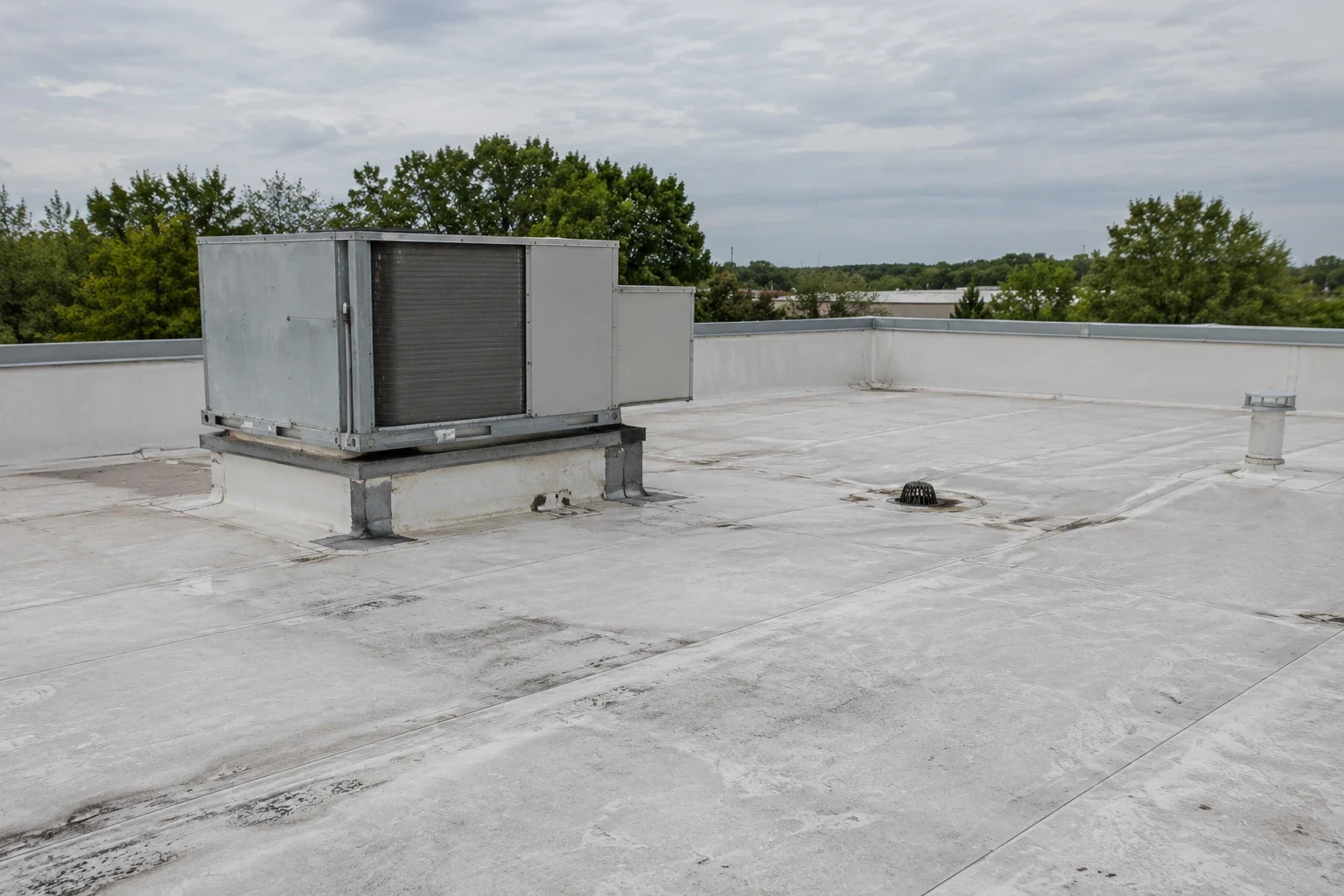
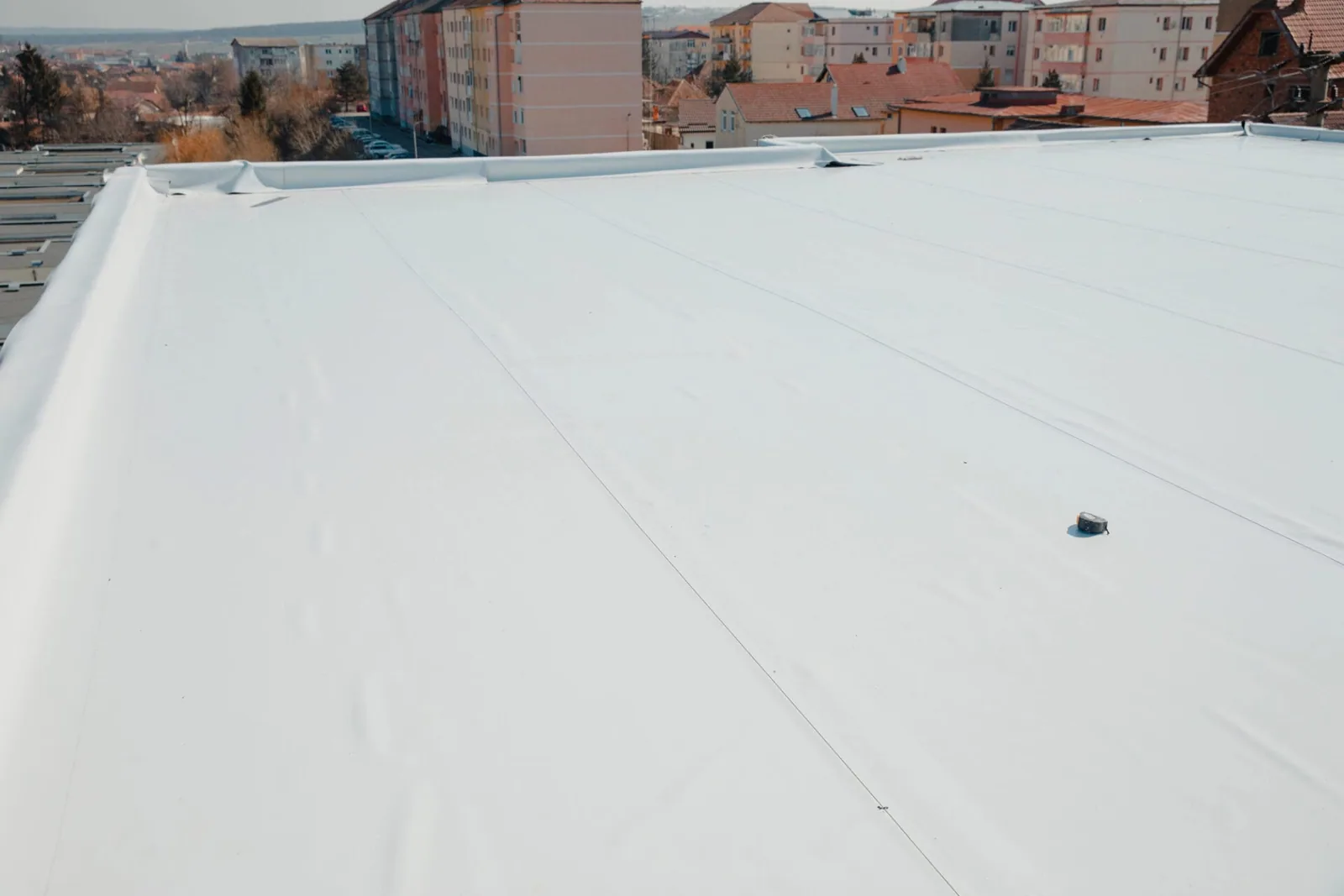
We identify the roof system and visible layers, then inspect field seams, patches, penetrations, curbs, skylights, drains, scuppers, parapets and edge metal. We look for open laps, membrane splits, loose flashing, punctures, ponding, debris, exposed insulation and movement at transitions. Rooftop units and their supports can affect both the membrane and safe access. The report distinguishes an observed defect from a possible cause, and it records the location and approximate extent rather than labeling an entire roof from one finding.
Interior access can help connect staining or moisture to a roof section, although a ceiling stain does not necessarily sit below the entry point. We ask about recurring leaks, prior patches, recent storm events, tenant reports and equipment changes. Where an assembly hides moisture, we can recommend infrared imaging or a core cut with a specific question to answer. For urgent active water, a separate leak-tracing visit can prioritize the path and temporary protection.
Findings That Support a Decision
A useful inspection record has photographs, roof-area labels, measured defects and next steps. We group findings by urgency: conditions that need prompt repair, items that need testing, and areas that can remain under observation. We note the affected material and explain whether water could reach insulation or interior space. If an owner is considering a capital project, the report can help separate an isolated repair from broader deterioration and identify the details that should be priced.
Newport News directs nonresidential design criteria to Chapter 16 of the Virginia Construction Code, and the 2021 code cycle took effect statewide in January 2024. An inspection is not an engineering certification or code approval. Where the planned work changes structure, attachment or drainage, we identify the question for the design professional. For multi-building properties near Greater Oyster Point and City Center, a consistent location map can help the facilities team compare roof sections without assuming that separate buildings share the same assembly.
For a portfolio review, we agree on a label for each building and roof zone before the field visit. The summary can group open leaks, drainage defects and attachment questions without treating similar-looking roofs as identical. If two properties share a membrane type, we still record their measured conditions independently. That lets ownership compare urgent repairs with planned work while keeping each building's photographs, findings and inspection date together.
Request a Newport News Roof Inspection
Send the property address, roof concern and access hours. We will confirm the inspection scope, coordinate site entry and provide documented findings with next steps.
Repair, Monitoring or Testing
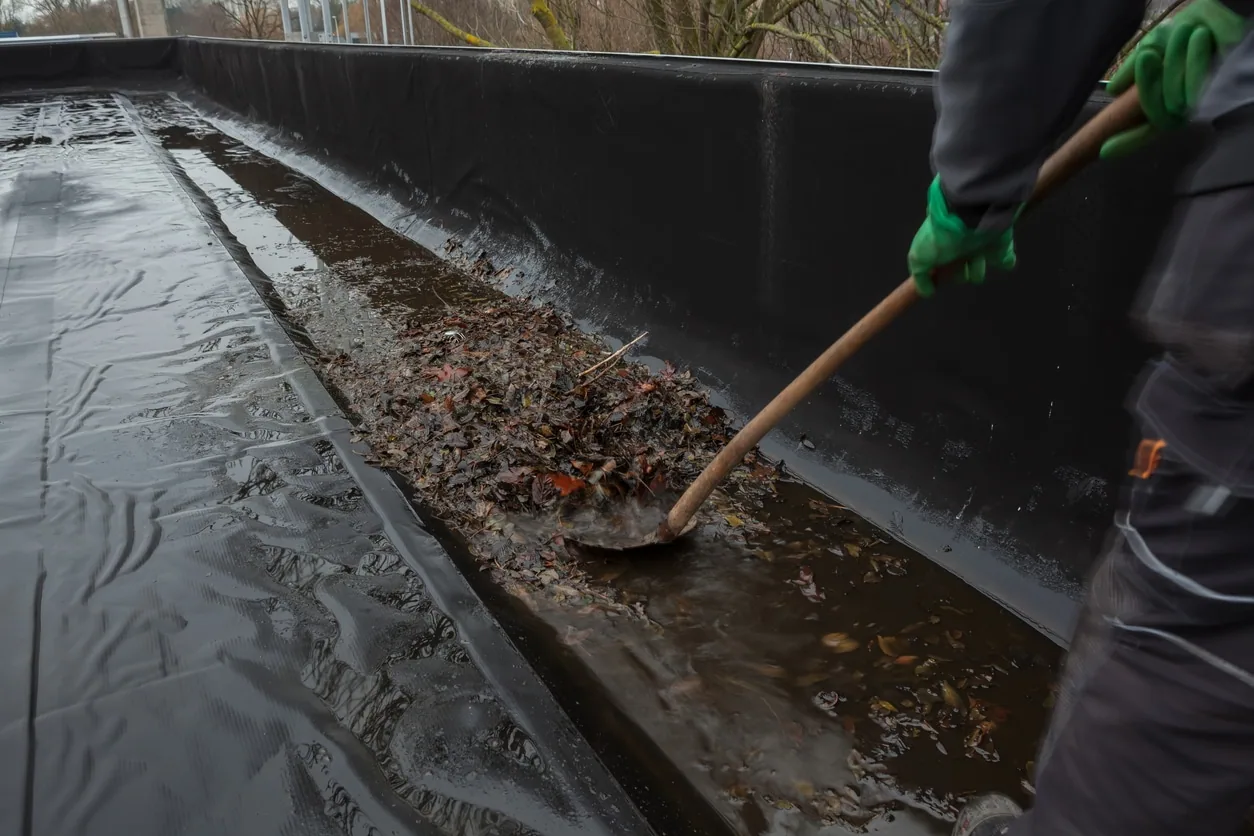
Not every finding needs the same response. An open flashing lap may call for a defined repair; debris at a drain calls for clearing and a look at the outlet; a suspicious membrane blister may need moisture testing before anyone cuts it. If a defect has not changed and the surrounding roof remains stable, monitoring can be a reasonable short-term action. The report states the condition that would change the recommendation, such as new moisture, movement or a repeated leak.
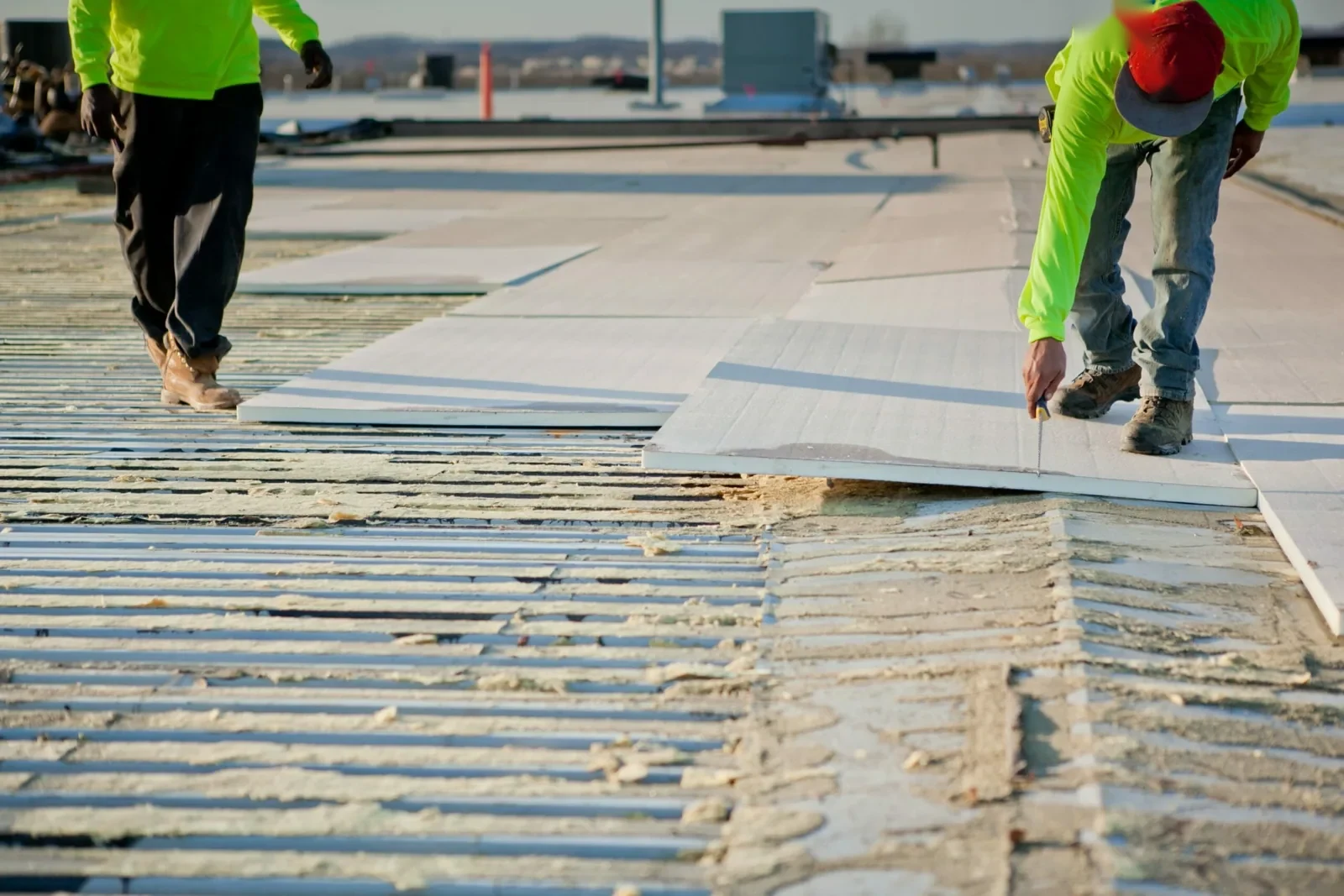
When several repairs recur or wet insulation is widespread, we compare the cost and disruption of continued patching with recover or replacement. The inspection should map the evidence that supports each option. We can prepare a photo-based condition report for one building or an organized list for multiple sites. A drone roof inspection can add overhead images where roof access is limited. For replacement candidates, a roof capital plan can group work by measured need, timing and operating constraints. We do not infer hidden conditions from the roof age alone.
Scope, Access and Timing
Inspection pricing and duration depend on the number of roof sections, access, height, equipment density, escort needs, interior access and whether sampling is required. A clear scope says what the visit includes and whether infrared imaging, core cuts, drain tests or a follow-up review are separate. If the owner needs an estimate for repair, we measure the affected areas and identify materials and access constraints so the next proposal does not rely on an unverified assumption.
We coordinate with the facility contact before arrival. The plan can include gate access, tenant notices, roof hatch keys, fall-protection requirements, equipment shutdown and areas that must remain clear. At the Yard District, shipbuilding and port operations can control entry and deliveries. At Oakland Industrial Park, truck access and industrial activity may influence staging. We confirm the route and work window with the actual site contact rather than treating the business district name as an access plan.
A Record for the Next Decision
After inspection, we review the findings with the person responsible for the property. The report can show what deserves a prompt repair, what requires more evidence and where monitoring is sufficient for now. Photographs help the facilities team communicate the condition to ownership, tenants, finance or a design professional. If testing is recommended, we state what the test can establish and which area it should cover.
Share the address, known roof concern and access hours when scheduling. Include prior leak locations or repair records if available. We can inspect the roof, document the condition and outline practical next steps for a repair or capital decision. For a building near Hampton Roads Center North Campus or another Newport News commercial district, the site and assembly determine the inspection route. Use the project contact form to request a visit and tell us whether you need a condition record, repair estimate or testing recommendation.
Questions About Commercial Roof Inspection
What is included in a hands-on commercial roof inspection?
We review the accessible roof field, seams, flashing, drains, penetrations, equipment curbs, edges and visible interior clues. The scope states whether testing or interior access is included, and the report records findings with photographs and locations.
Does an inspection include infrared imaging?
Infrared work is a separate method when the question involves hidden moisture and conditions allow useful readings. We explain whether a core cut or other confirmation is needed before using scan results to set removal quantities.
Can you inspect a roof before buying a building?
Yes. A due-diligence visit can identify visible defects, moisture questions, access limits and near-term repair needs. The report describes the observed condition and any testing or engineering review that remains outside the inspection.
Will the inspection tell me how long the roof will last?
It can describe current condition, active failure and maintenance needs, but remaining service life depends on hidden layers, weather exposure, installation history and future use. We state the evidence and limits instead of assigning an unsupported lifespan.
Can my facility team attend the roof walk?
A site contact can join if access and safety requirements permit. Their knowledge of leak history, equipment and operating limits helps connect visible roof conditions to the building's maintenance record.