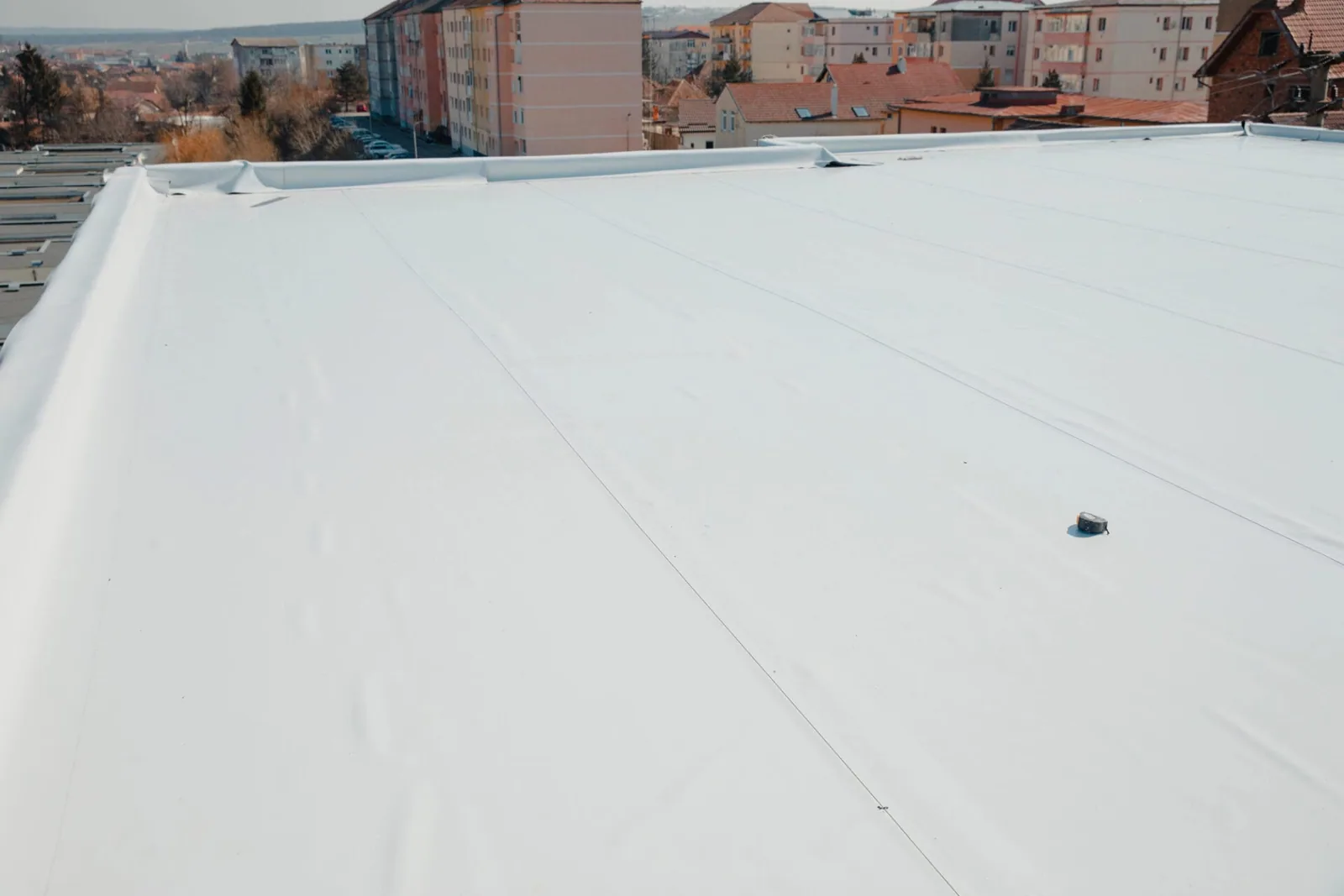
Roof Systems in Newport News, VA
Compare commercial roof systems in Newport News, VA, based on the installed assembly, drainage, attachment, repair history and facility schedule.
TPO Roofing
PVC Roofing
EPDM Roofing
KEE Roofing
Modified Bitumen Roofing
Built-Up Roofing
Standing Seam Metal Roofing
Metal Roof Retrofit
Spray Foam Roofing
Silicone Roof Coatings
Acrylic Roof Coatings

Roof Systems in Newport News
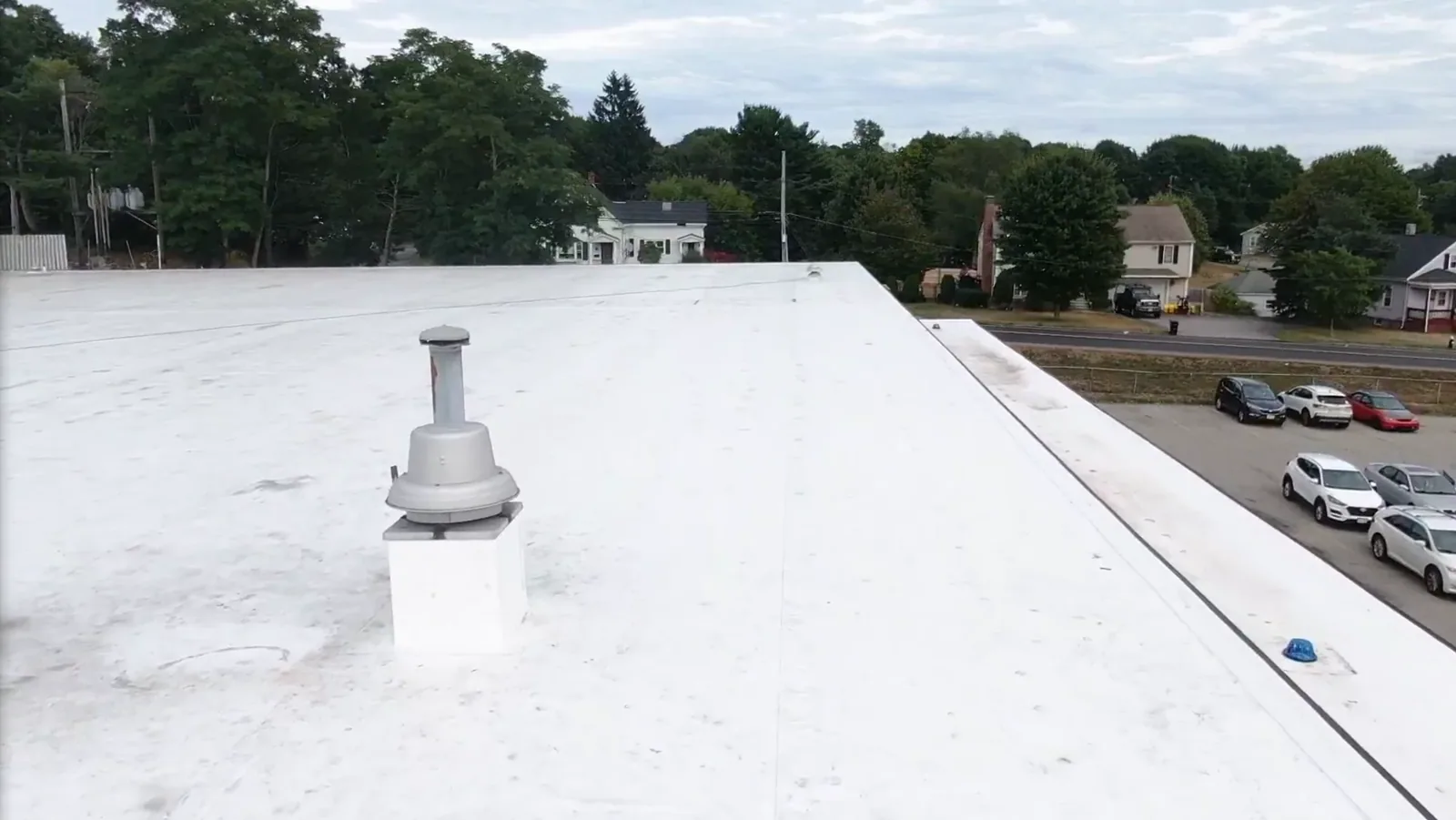
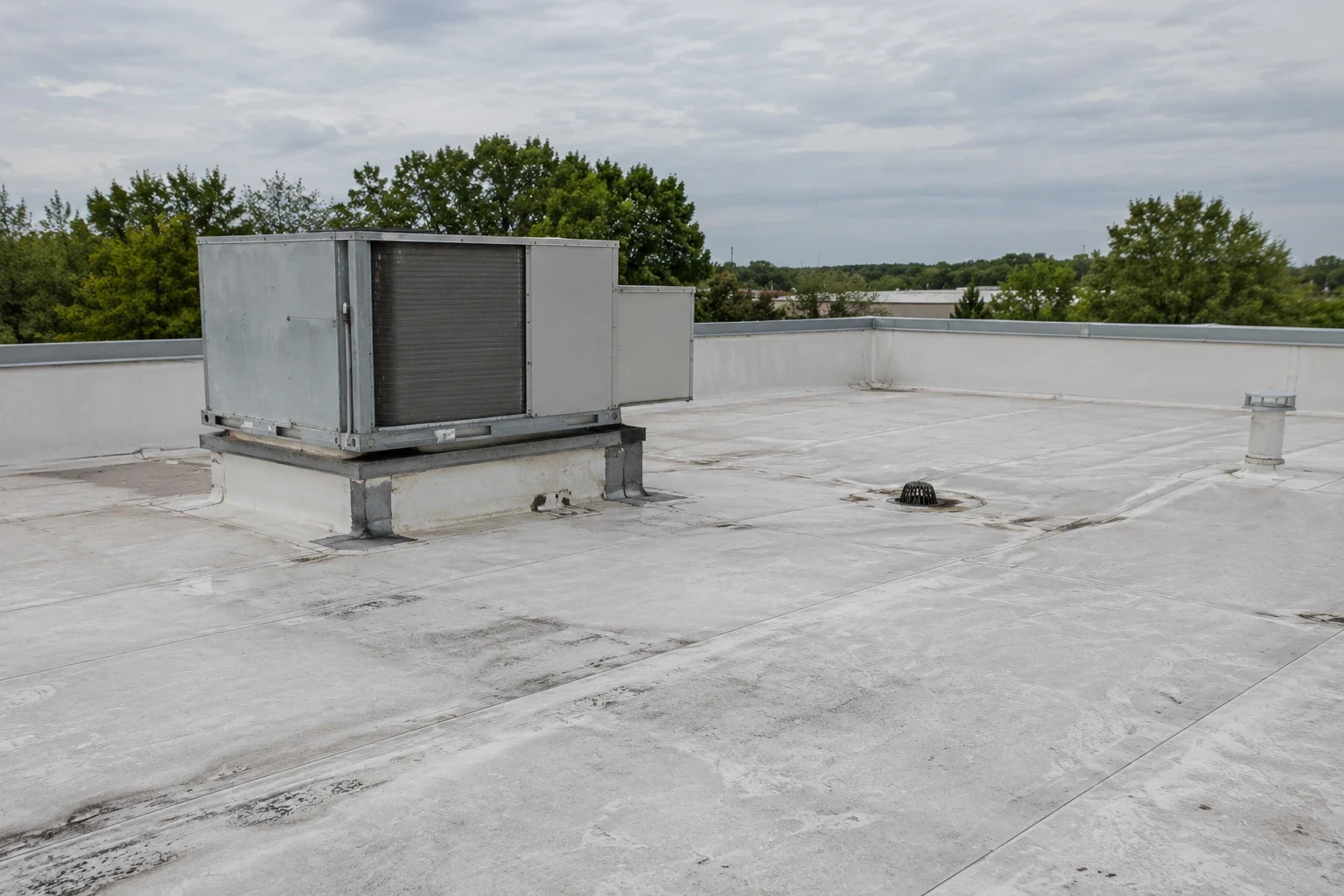
A roof system is a set of connected layers and details, not just the surface visible from a hatch. The deck, insulation, membrane or panels, flashing, drainage and perimeter attachment all affect repair and renewal. In Newport News, coastal wind and intense design rainfall make those details worth checking alongside the building's records. We identify what is installed before recommending a material or repair.
Membrane assemblies
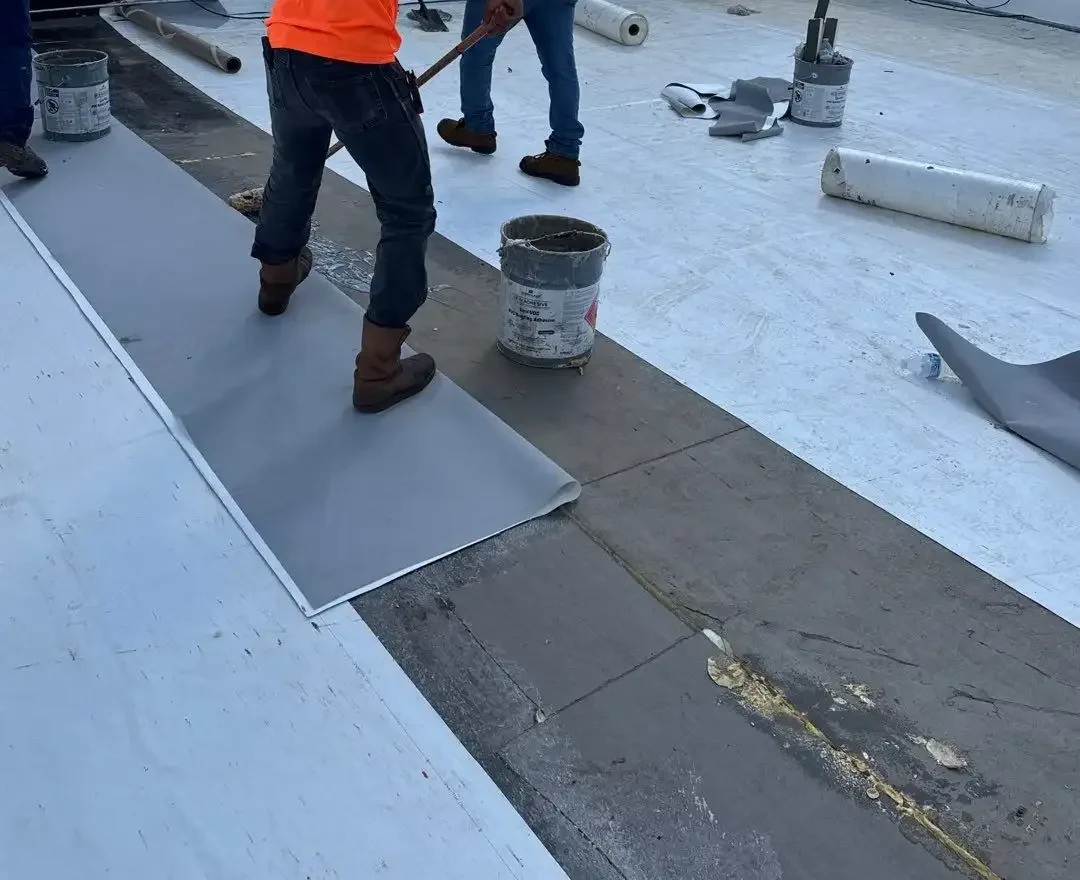
For single-ply roofs, TPO, PVC, EPDM and KEE systems each require compatible flashing and seam work. The specific product and condition matter. A repair that bonds to one membrane may not suit another, so we compare product records with field details and test where uncertainty would change the scope.
Layered systems
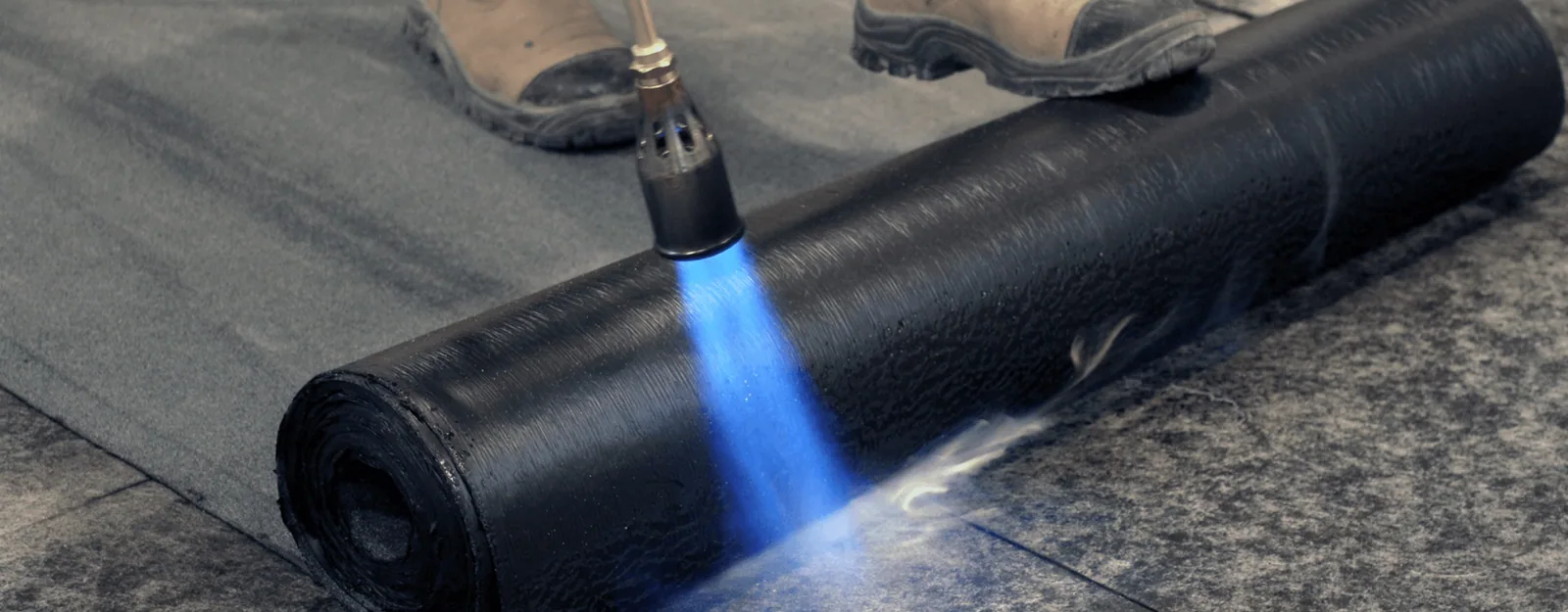
Other assemblies require their own review. Modified bitumen and built-up roofing have layers and surfacing that influence how a repair is prepared. Standing-seam metal needs attention to panel movement, clips and penetrations. A metal retrofit may be considered after checking the existing panels, substrate and attachment.
Coating systems
Coating and spray foam also depend on the substrate beneath them. Silicone coatings and acrylic coatings need compatible, prepared surfaces; they do not resolve wet insulation under a membrane. Spray polyurethane foam requires attention to adhesion, drainage and protective coating. Inspection determines whether restoration is appropriate or if replacement is the better-supported scope.
Identify the Right Roof System Scope
Share the Newport News address, available roof records and the condition you need reviewed. We will inspect the assembly and compare compatible repair or renewal options.

Climate loading
Newport News engineering references put the 100-year rainfall rate at 3.4 inches per hour and the 50-year basic-wind speed at 100 mph, with about 50 annual freeze-thaw cycles. They frame local design context, while the installed assembly, applicable criteria and inspection determine system work. At renewal, compare recover areas with tear-off findings, then verify added layers against deck and perimeter limits.
Roof Systems: Common Questions
Can I choose a roof system from the surface appearance?
Appearance can suggest a material but does not confirm the layers or product. We review records and field details before selecting compatible repair materials.
Does a coating fix wet insulation?
No. A coating sits above the substrate and cannot remove trapped moisture. We test suspected areas before including restoration in a proposal.
Do wind design values tell you whether a roof is loose?
They are context for design and inspection, not proof of failure. We examine perimeter attachment, fasteners and transitions at the building.
What if plans and roof conditions do not match?
We document the difference and identify whether a test opening or additional record can confirm the assembly before material selection.
Can a new membrane go over the current roof?
A recover depends on the existing layers, deck, attachment, drainage and detail height. We verify those conditions before including another layer.
Does the building's use change system selection?
Use can affect access, noise limits, equipment shutdowns and phasing. The roof assembly and project criteria still determine material compatibility and detailing.