Commercial Roof Maintenance in Newport News, VA
Schedule commercial roof maintenance in Newport News to clear drainage paths, catch detail failures early and plan repairs around facility operations.
Home / Commercial Roofing Services / Commercial Roof Maintenance
Commercial Roof Maintenance
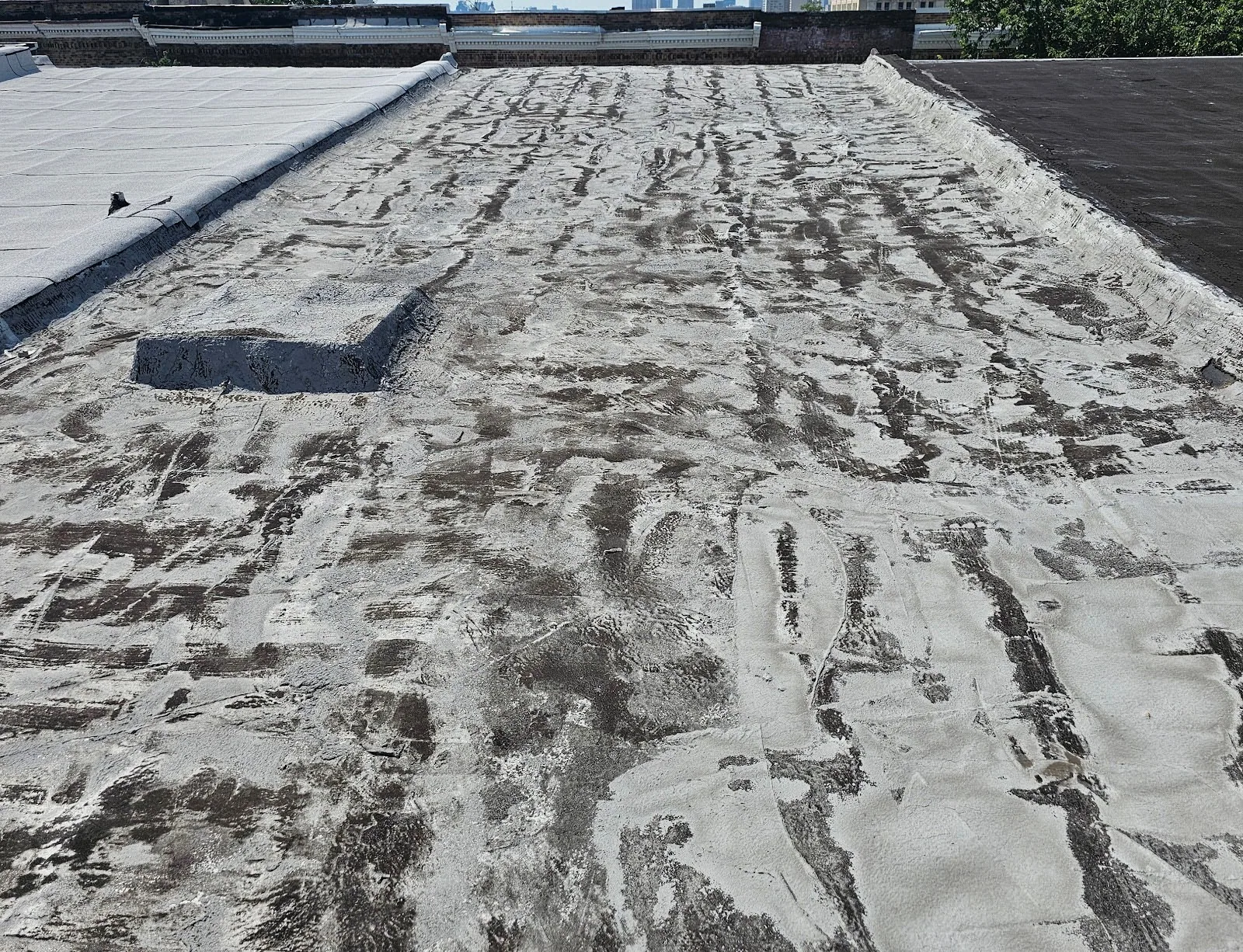
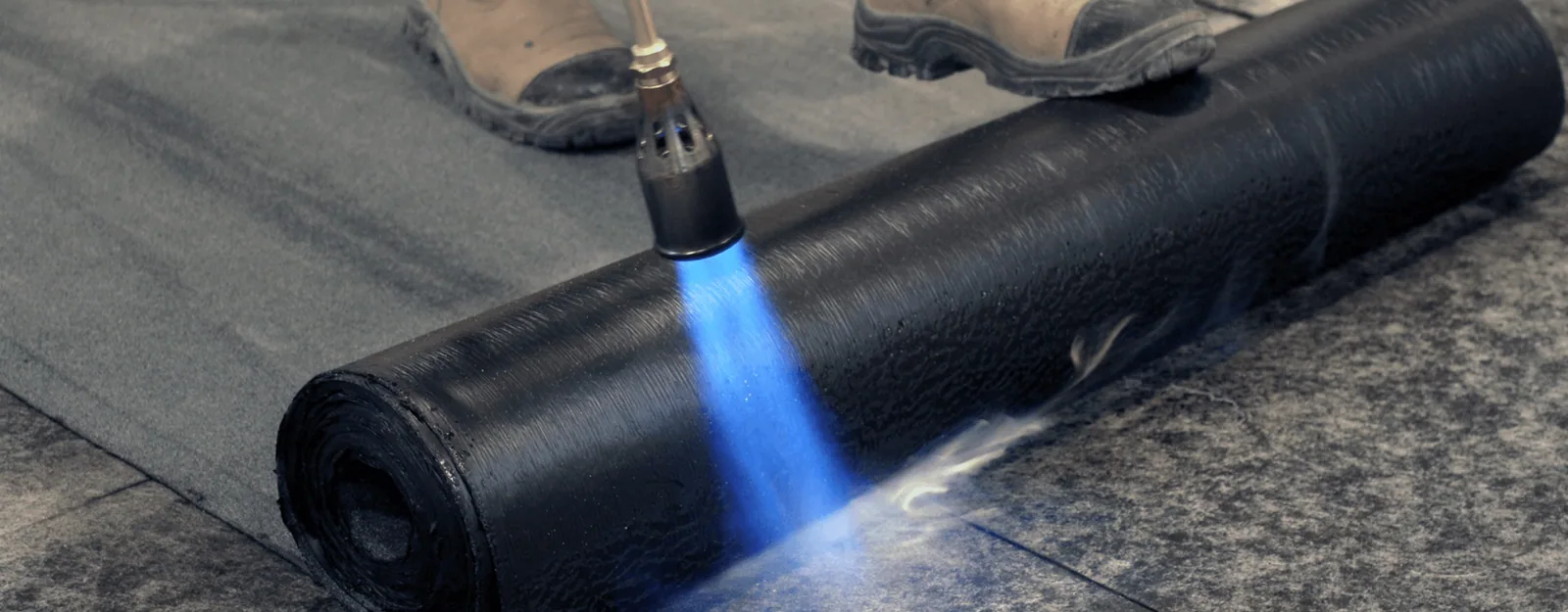
A seasonal service visit can catch a blocked drain or open flashing lap before the next hard rain turns it into an interior work order. Our commercial roof maintenance in Newport News, VA starts with the roof's current condition, building use and access rules. We walk the assembly, remove eligible debris, check water outlets and record seams, penetrations, curbs and roof edges that need attention. Each finding is placed on a roof plan or tied to a photograph, then separated into immediate repair, monitor or later budget work. The city’s local engineering-weather data records intense design rainfall, high wind and recurring freeze-thaw cycles. Those conditions make drainage, membrane attachment and small detail repairs useful items to track through the year. A manufacturing property at Oakland Industrial Park may need a different work window than an office near Greater Oyster Point, but both benefit from a record that follows each roof section.
A Repeatable Roof Walk
Maintenance begins with a consistent route across the roof. We check membrane seams, patches, flashing, edge metal, parapet caps, drains, scuppers, penetrations and visible rooftop equipment supports. We note loose material, open laps, ponding, debris, exposed insulation, punctures and signs of movement. If a condition cannot be confirmed visually, the report calls for testing rather than treating a guess as a repair finding. Where interior access is available, we can compare roof observations with leak reports or ceiling conditions.
Newport News includes shipbuilding and water-dependent industrial uses near the James River, as well as offices, research, healthcare and retail around City Center. We coordinate the inspection route with site rules, tenant schedules, roof access and equipment shutdown requirements. A hands-on roof inspection can establish a fuller baseline when the property has no recent condition record. For multiple buildings, a photo condition report can keep observations organized by roof area and urgency.
Visits That Match the Roof
Inspection frequency follows roof condition, recent repairs, tree or equipment exposure, drainage history and how disruptive a failure would be inside. A recently installed assembly may need a different maintenance focus from a roof with recurring leaks or older flashing. We can set visits around seasonal debris, planned facility shutdowns or capital reviews, then adjust after the first findings. The schedule is a working plan, not a promise that hidden damage will be found without testing.
Weather changes what a maintenance crew can safely inspect. Heavy rain, high wind, wet surfaces and lightning can postpone roof access. Newport News has humid summer design conditions and about fifty average annual freeze-thaw cycles in its local engineering-weather record. We consider that seasonal context when checking seams, penetrations and drainage, while documenting the actual surface condition during the visit. At Downtown and the Yard District, a shipyard or port schedule can also control when the crew may enter or stage tools. The facility contact sets the approved access window.
Set a Newport News Maintenance Visit
Share the address, roof concern, known system and operating schedule. We will coordinate a roof walk and provide documented findings with repair and testing priorities.
Drainage and Roof Edges
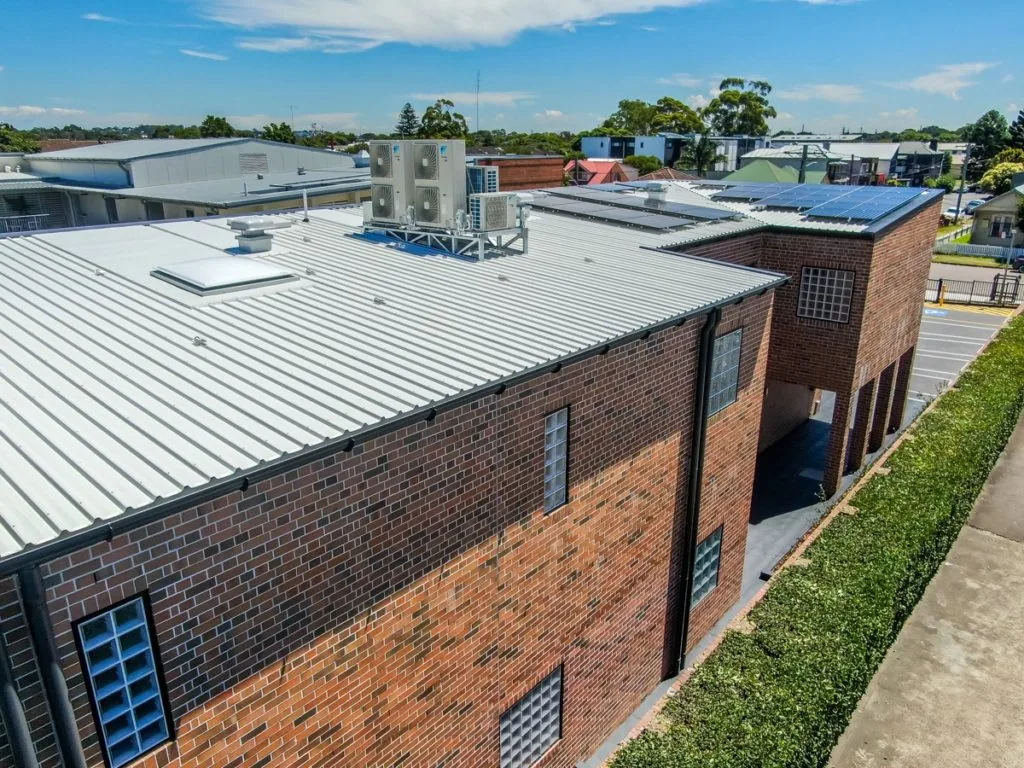
Water outlets and perimeter details deserve a close look during every service visit. We remove loose debris from accessible drains and scuppers, check whether water can reach the outlet, and note signs of standing water or backup. If ponding remains after the outlet is clear, we record its extent and look for slope or deflection concerns that need further evaluation. Clearing a drain is maintenance; correcting a low area may require design and construction work.
At the roof edge, we check coping, gravel stops, gutter connections and visible attachment for movement or separation. Wind exposure makes secure edges important, while loose metal can admit water behind wall flashing. We note sealant that has split or pulled away, but avoid using a bead of sealant as a substitute for repairing a failed detail. Where the maintenance list shows recurring outlet trouble, drain and scupper repair can price the correction separately. If edge metal needs replacement, a perimeter metal scope can address the transition with the roof membrane.
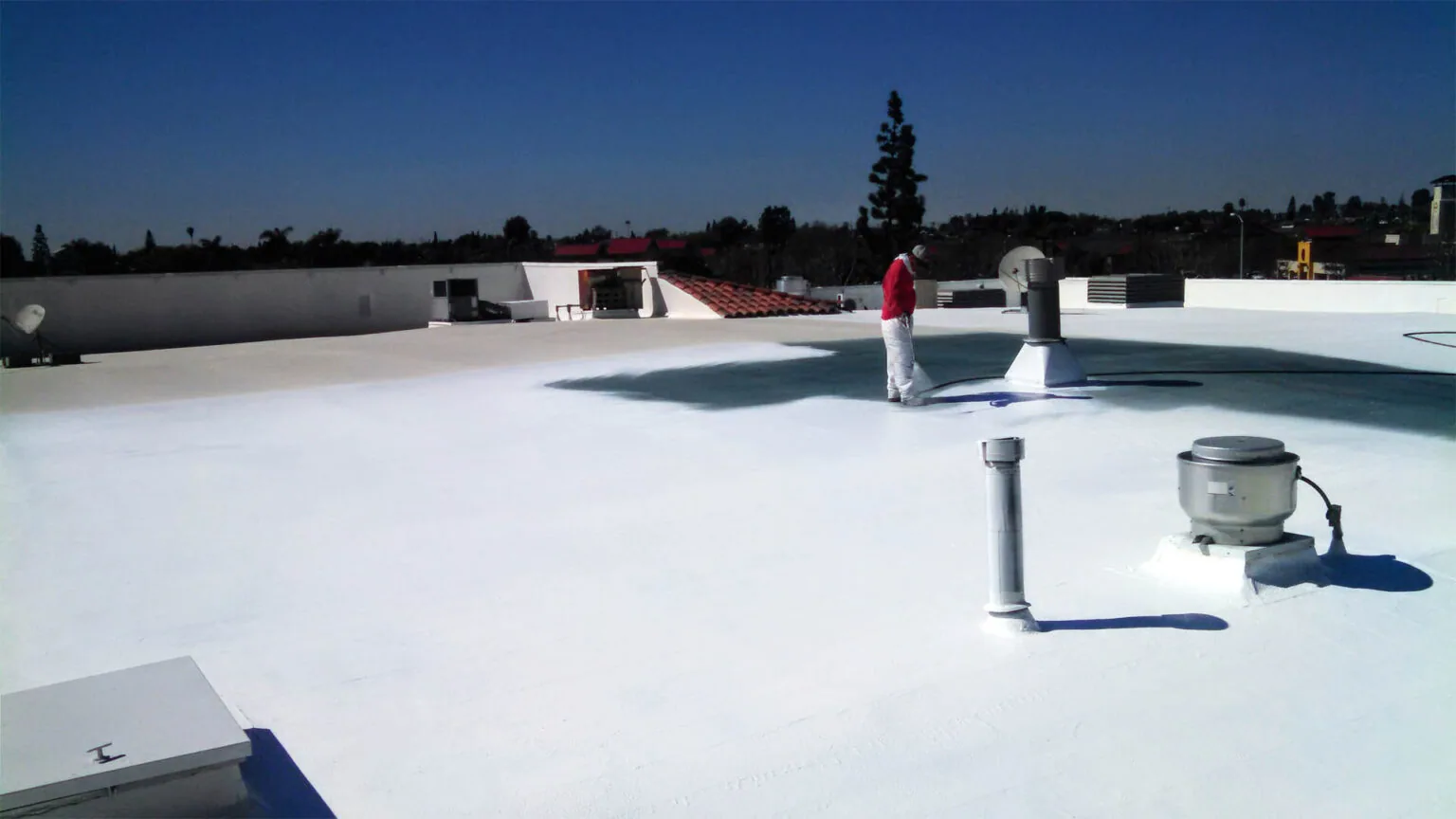
Repair Priorities and Allowances
The visit should leave the owner with more than a list of observations. We sort findings by consequence, measured area, access and whether a repair can be completed without affecting operations. An open seam or damaged pipe flashing may warrant prompt attention; minor surface wear can be monitored if surrounding material remains sound. If wet insulation or a damaged deck is suspected, we identify a core cut or other test that could establish the boundary before a repair amount is set.
Newport News' commercial districts include large industrial properties and office, research and healthcare buildings, so maintenance budgets may need to account for access and shutdown windows as well as material. A recurring repair at a high-use building may justify comparing a larger restoration or replacement project with continued service calls. A capital plan tied to roof condition can group work by urgency and available timing. We document what is included, what needs authorization and what remains uncertain.
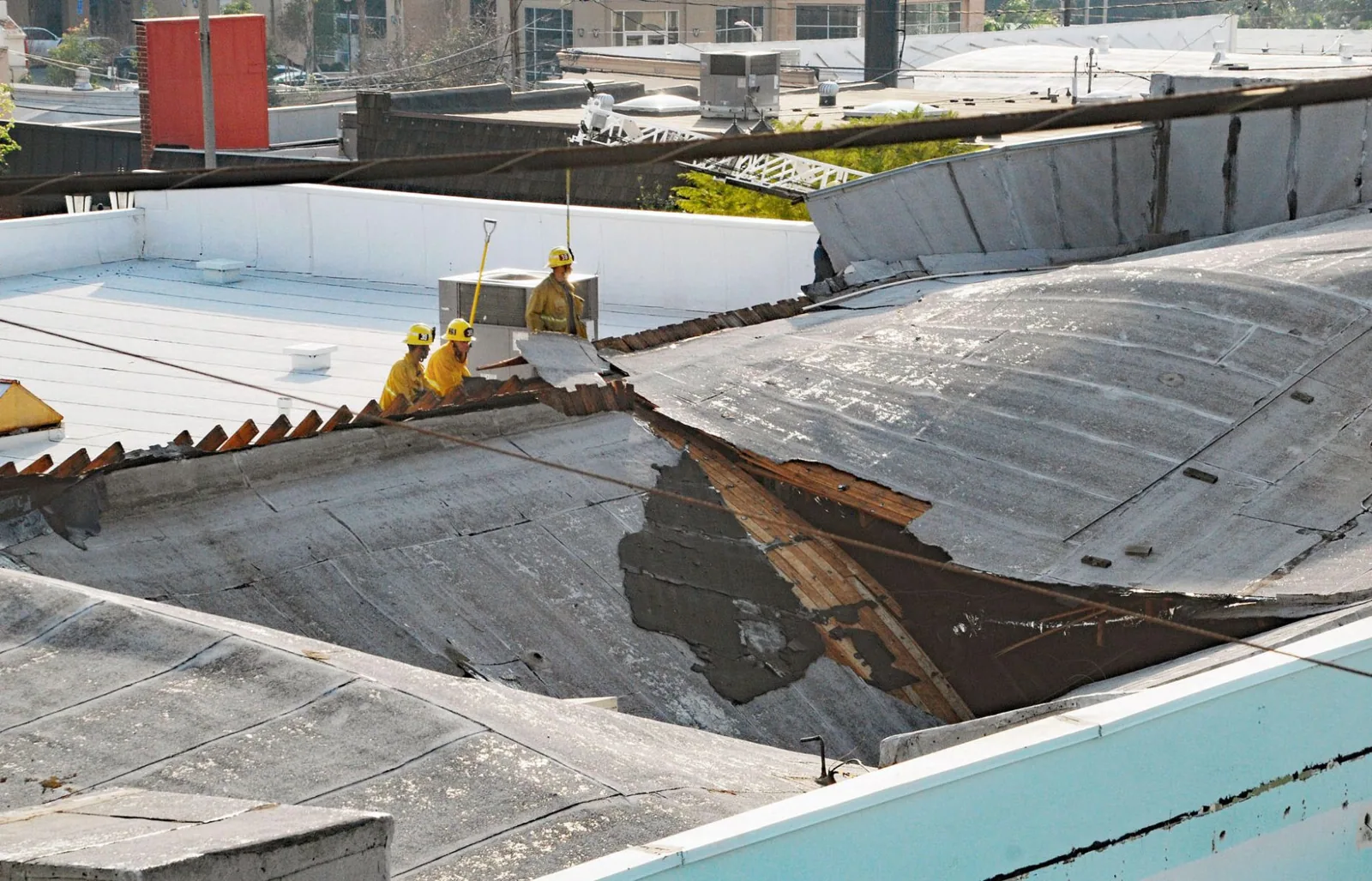
Small Work Before It Spreads
Maintenance repairs should use material compatible with the roof system and the condition at hand. We clean and prepare the surface, reinforce seams or flashing where needed, secure loose details and restore the membrane around penetrations. A coating or patch placed over dirt, moisture or an active movement joint can fail early, so the repair begins with identifying why the detail opened. If the affected insulation is wet, the plan may require removal instead of a surface repair.
We record the location and work performed so the next service visit can see what changed. That history can reveal repeated movement, water entry or previous repairs that no longer hold. For a roof near Patrick Henry Corridor or the Seafood Industrial Park, the site may have distinct work windows and staging limits; maintenance can be sequenced without assuming every building operates the same way. If active water appears between visits, the owner can request a measured repair visit rather than wait for the next scheduled walk.
A Useful Record for the Facility Team
At closeout, we review photographs, roof locations, maintenance completed and open recommendations with the facility contact. The record identifies the priority items and any area that needs another look after rain or testing. We can also note access limitations, equipment conflicts and places that require an escort on future visits. That makes the next inspection more focused and helps staff compare a new report with the previous condition.
To plan maintenance, share the property address, roof system if known, recurring leak locations and access schedule. We will confirm the visit scope and coordinate entry with the person responsible for the building. For sites around Newport News Shipbuilding, Oyster Point or I-64, the specific roof and operations determine the sequence. Use the project contact form to request a baseline walk or a recurring service plan. We will return a documented list that separates completed maintenance from repairs and tests that need approval.
Questions About Commercial Roof Maintenance
What does a commercial roof maintenance visit include?
We walk accessible roof areas, check seams, flashing, penetrations, edges and drainage, remove eligible debris, and document conditions with photographs or locations. Testing and repairs are listed separately if the visit scope does not include them.
Can routine maintenance prevent every leak?
Maintenance can find visible defects and drainage problems before they worsen, but hidden conditions or sudden damage can still lead to water entry. We note limits and recommend testing where the assembly conceals moisture.
How often should my roof be serviced?
The interval follows roof condition, drainage history, nearby debris, equipment, prior repairs and the cost of interior interruption. We review the first visit findings with the facility contact and set a schedule that fits the actual assembly.
Will you clean drains during the visit?
We clear accessible loose debris when the work is safe and within scope, then check whether water can move toward the outlet. Persistent ponding or a damaged drain connection may need a separate repair or design review.
What does the maintenance report help us decide?
It shows which items need prompt repair, which can be monitored, and where a core cut or other test could clarify the condition. The facility team can use measured areas and photographs to set the next work window and budget.
Related Roofing Work