Cold Storage Roofing in Newport News, VA
Protect Newport News cold-storage buildings with roof inspections that address vapor control, refrigeration equipment and phased work planning.
Home / Property Types We Roof / Cold Storage Roofing
Cold Storage Roofing
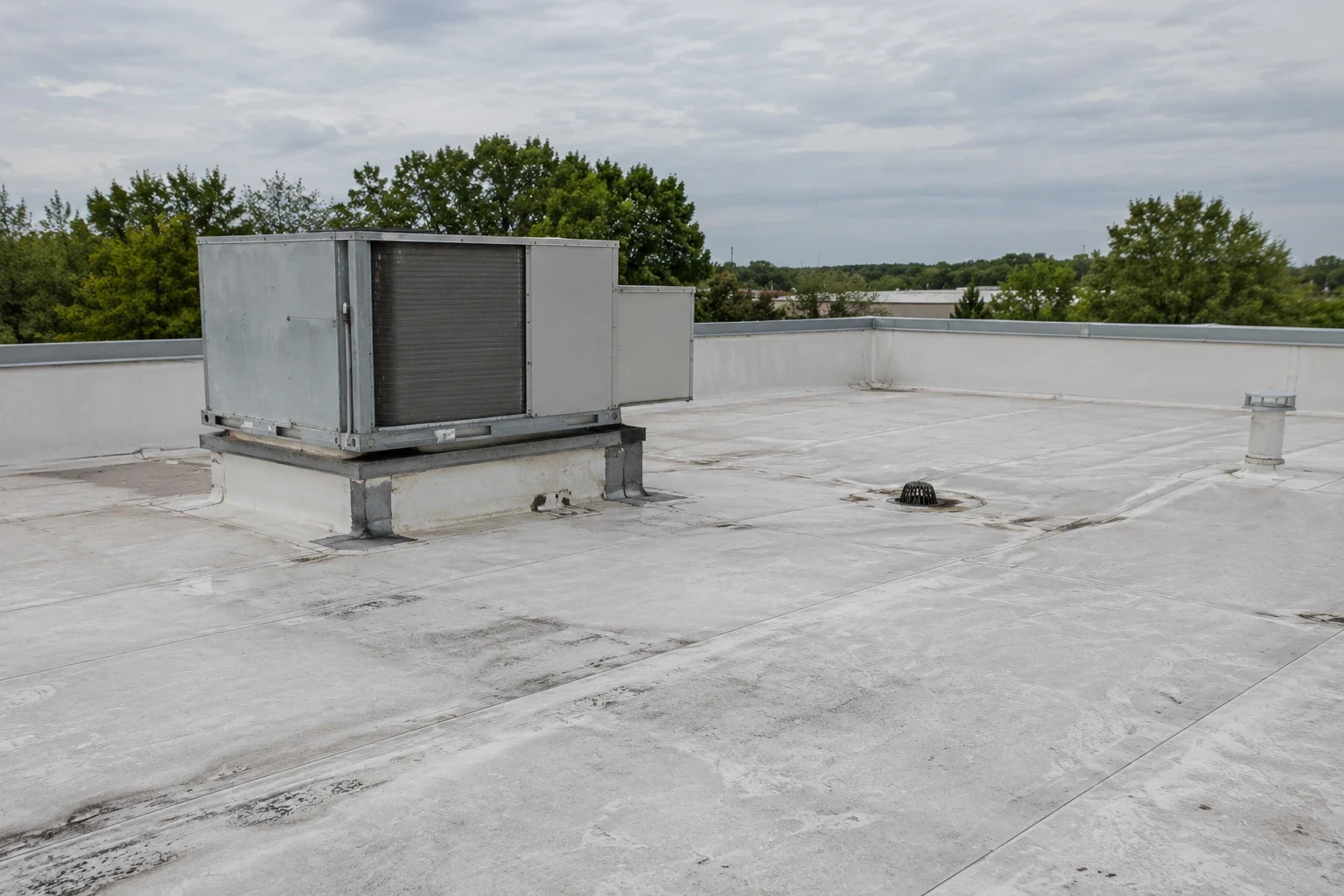
Temperature stability depends on keeping roof water and vapor movement within a defined repair scope. Cold storage roofing in Newport News, VA requires attention to vapor control, refrigeration equipment, penetrations and the building's operating schedule. We inspect the roof assembly and interior evidence, then set a repair boundary that can be protected during the work. Newport News includes food and beverage activity, seafood processing and maritime logistics. A cold-storage facility near Seafood Industrial Park may coordinate with marine deliveries, while a distribution property closer to Patrick Henry Corridor and AirCommerce Park may need different truck and lift access. We plan around the actual refrigeration operation.
Vapor Control and Roof Assembly
Cold rooms create a temperature difference across the roof, so air leakage and vapor movement can contribute to condensation inside an assembly. We inspect membrane seams, insulation, vapor-control layers where visible, roof deck, curbs, penetrations and signs of moisture. We also review refrigeration piping, condensers and equipment supports. A surface patch may be insufficient when wet insulation or a discontinuity in the air and vapor control is affecting a wider area.
Newport News summer design conditions include substantial heat and humidity, increasing the value of checking the roof-to-wall and equipment transitions. We verify the assembly through available plans, field details, samples and approved testing before selecting repair materials. A roof inspection can document visible conditions, and a moisture survey may help locate suspect areas when conditions support the method. Findings are confirmed against roof details and, when needed, direct openings.
Refrigeration and Product Protection
Before work begins, operations staff identify temperature-controlled rooms, product zones, refrigeration circuits and areas where a shutdown is not available. We coordinate lift placement and roof access around condenser clearance and service routes. Interior protection needs to account for the contents below each opening, and the daily work limit should match the crew's ability to close the assembly against weather. A refrigeration technician may need to isolate equipment before a curb or support is disturbed.
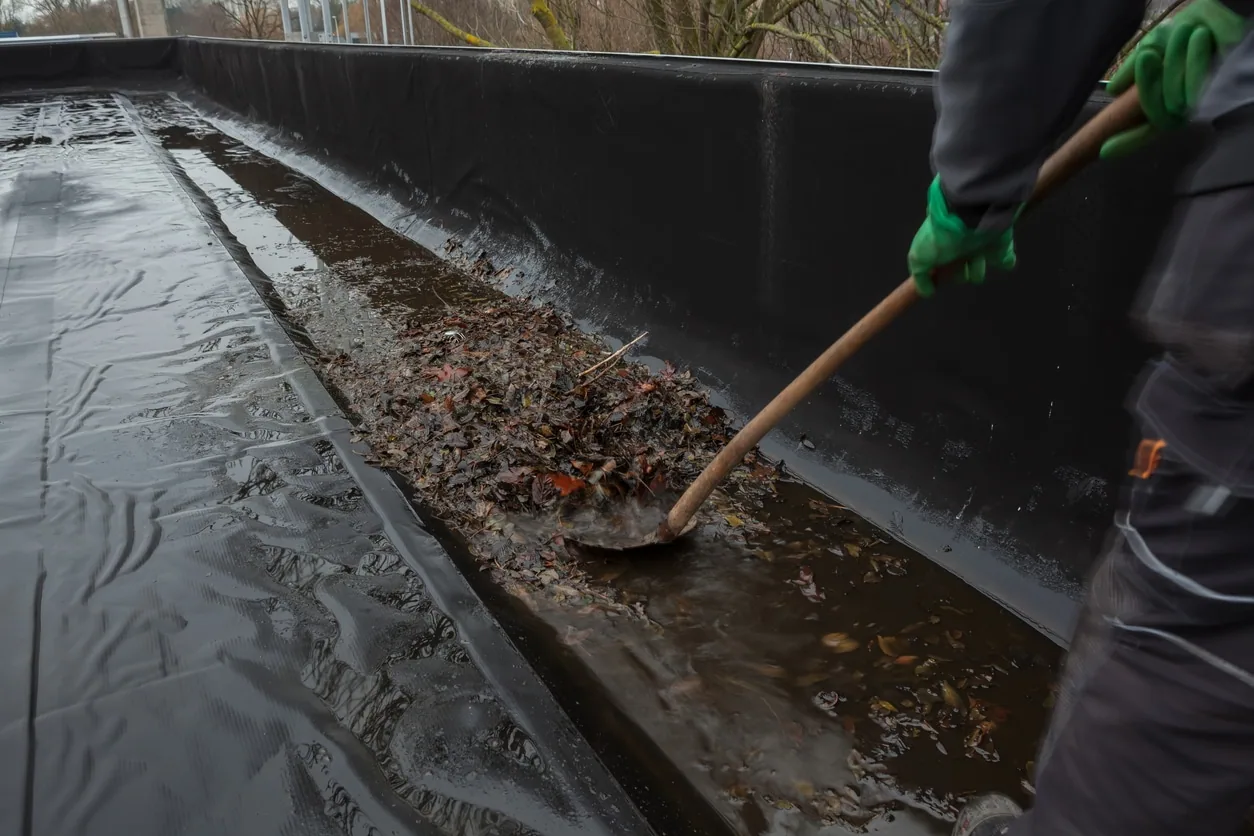
The Seafood Industrial Park includes seafood processing and vessel-related businesses, and Newport News supports food and beverage activity beyond the waterfront. Those facts point to operating needs in the market, not the stored products at a particular site. The facility contact provides product and temperature-control requirements. A curb and equipment scope can document support transitions, while phased occupied-building work can set protective boundaries around active rooms.
Review Cold Storage Roofing
Provide the Newport News address, roof concern, refrigeration schedule and product-protection limits. We will plan an inspection around equipment and operating requirements.
Repair, Recover or Full Removal
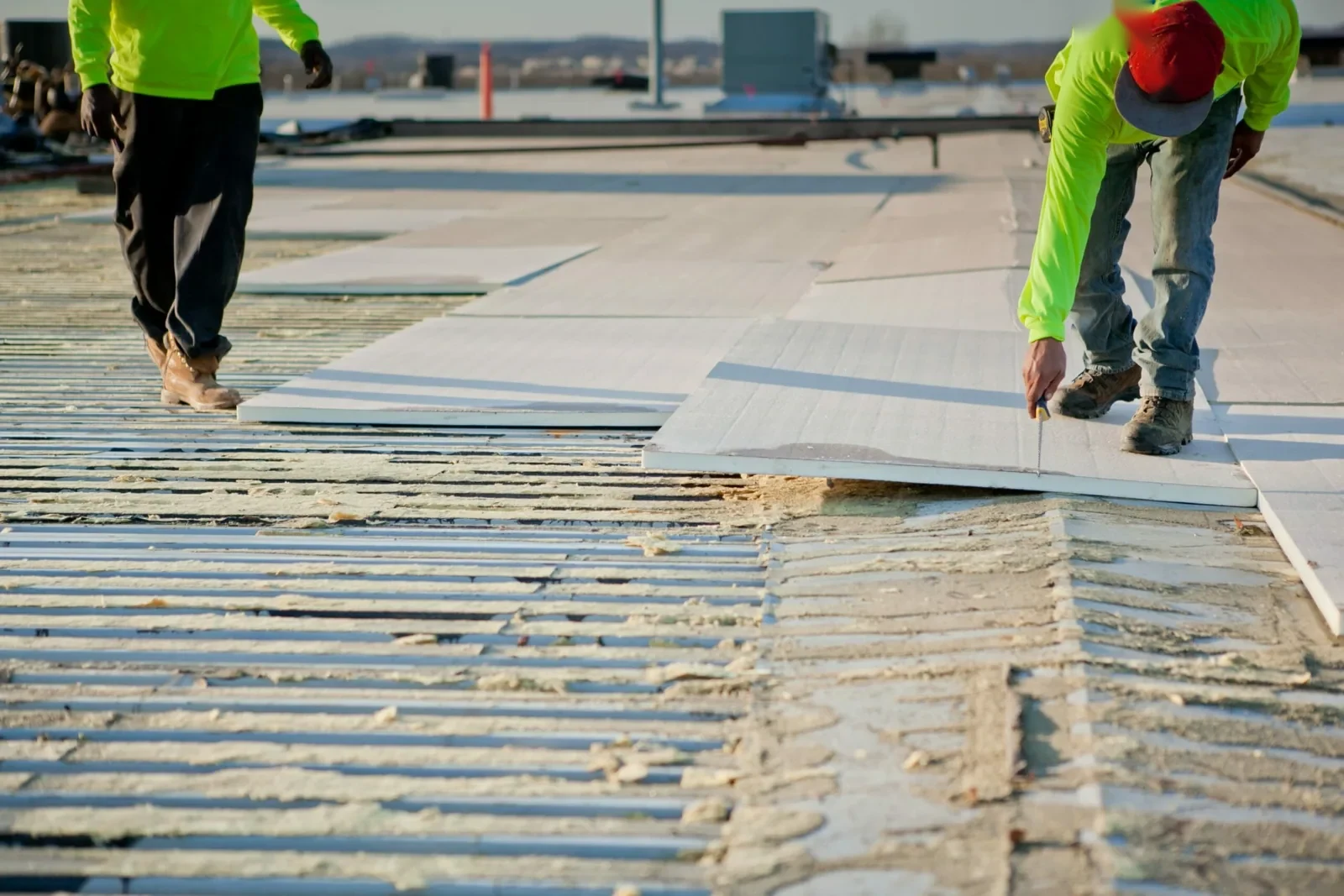
A localized seam or flashing repair may be appropriate when the surrounding roof and insulation are dry and stable. Widespread moisture, vapor-control failure, damaged deck or repeated leakage can require a broader correction. Recover is considered only after testing confirms moisture, layer count, structure, drainage and code conditions. Full removal allows the assembly to be rebuilt where concealed layers need attention. We explain how each option addresses the condition, including any refrigeration transition that must remain operational.
A cold-storage building may also operate as a warehouse or distribution facility. A warehouse roof assessment can focus on inventory protection, while distribution-center planning can coordinate docks and shipments. For membrane options, TPO and modified bitumen each need to be evaluated against the roof design and thermal conditions. Product selection follows the assembly requirements rather than a generic cold-storage label.
Cost and Refrigeration Coordination
Cost depends on roof area, removal, insulation, vapor-control details, curbs, equipment supports, drains, wall transitions, staging and temporary protection. Added coordination with refrigeration contractors or product operations may affect timing. If moisture is concealed, testing and removal limits should be stated clearly. We separate confirmed roofing quantities from possible deck or insulation work, and identify any equipment shutdown or protection excluded from the roofing price.
Cold rooms may require strict temperature monitoring during roof work. The facility determines acceptable limits, alarm notifications and contingency procedures before opening a section. A condition report can organize findings by roof zone and interior room. If multiple buildings are involved, a capital plan can sequence repairs around product risk, confirmed moisture and planned maintenance windows.
The proposal should name the person monitoring room temperatures, how staff will receive notice before a roof section opens and what temporary response is available if a closure is delayed by weather. That coordination belongs in the schedule and site notes.
Daily Closure and Weather
Cold-storage roofing schedules account for weather, interior temperature controls, equipment availability and the amount of assembly that can be removed and reclosed in one shift. Rain or high wind may change the opening limit. We define temporary dry-in, perimeter protection and equipment clearances before work begins. The roof should be left secure each day, with the site contact informed about any condition that affects the next shift.
Newport News receives intense design rainfall and recurring freeze-thaw conditions, which can affect exposed details and drainage. The region's maritime and cargo activity also means some sites have delivery or access controls. Near the James River, the facility may set security and staging rules; an inland distribution property may prioritize truck circulation and dock availability. We build the schedule around the relevant contact's approved windows and identify what happens if the weather delays closure.
Temperature-Controlled Roof Records
Closeout should identify roof layers, vapor-control and insulation details where documented, equipment transitions, repaired areas and any open test locations. Photos can show roof zones and the interior locations protected during the work. Keep records with refrigeration drawings and tell service trades how to restore roof seals after line or equipment changes. Routine checks can focus on drains, curbs, vapor-control transitions and areas where alarms or interior condensation were previously reported.
Send the Newport News address, storage use, leak location, refrigeration schedule and known roof assembly. We can inspect the details, document testing and compare repair, recover or replacement. Include equipment shutdown limits and product-protection requirements when arranging the visit. Use the project contact form to share plans and prior records.
A cold-storage roof assessment should connect membrane observations with the building's vapor-control layers and interior temperature conditions. The owner can identify locations where condensation, frost or process moisture complicates interpretation of a stain. Before opening an assembly, agree on how product areas will be protected and how the roof will be dried in within the shift. These controls help avoid treating an interior symptom as proof of a particular roof-layer failure.
Ask the refrigeration team to identify vapor-control details and any temperature-sensitive space below the repair. Record how the opening will be protected before work starts and verified before the shift ends.
Questions About Cold Storage Roofing
Can roofing work continue while a freezer stays operational?
The work can be phased when temperature controls, equipment clearance, interior protection and weather closure are coordinated. The facility sets acceptable limits and operating procedures.
Why is vapor control important on a cold-storage roof?
Warm, humid air can move toward colder layers and condense if the assembly has gaps or weak transitions. We inspect the roof-to-wall and penetration details as part of the moisture review.
Can wet insulation be left under a new roof?
Wet insulation needs to be located and addressed before another assembly is installed. Testing helps set removal limits and confirms which roof areas require replacement.
How do you protect refrigeration equipment during reroofing?
We coordinate roof access, curb work, service clearances and any equipment isolation with the facility and refrigeration contacts. The plan also covers air intakes and interior protections.
What information helps price cold-storage roof work?
Roof plans, refrigeration layouts, leak records, temperature-control requirements and shutdown windows help define scope. We verify conditions and identify concealed layers that still need testing.