Commercial Roofing for Real Estate Investors in Newport News, VA
Roof inspections, repair scopes and capital planning for real estate investors with commercial properties in Newport News, VA, including portfolios.
Home / Industries We Serve / Real Estate Investors
Real Estate Investors
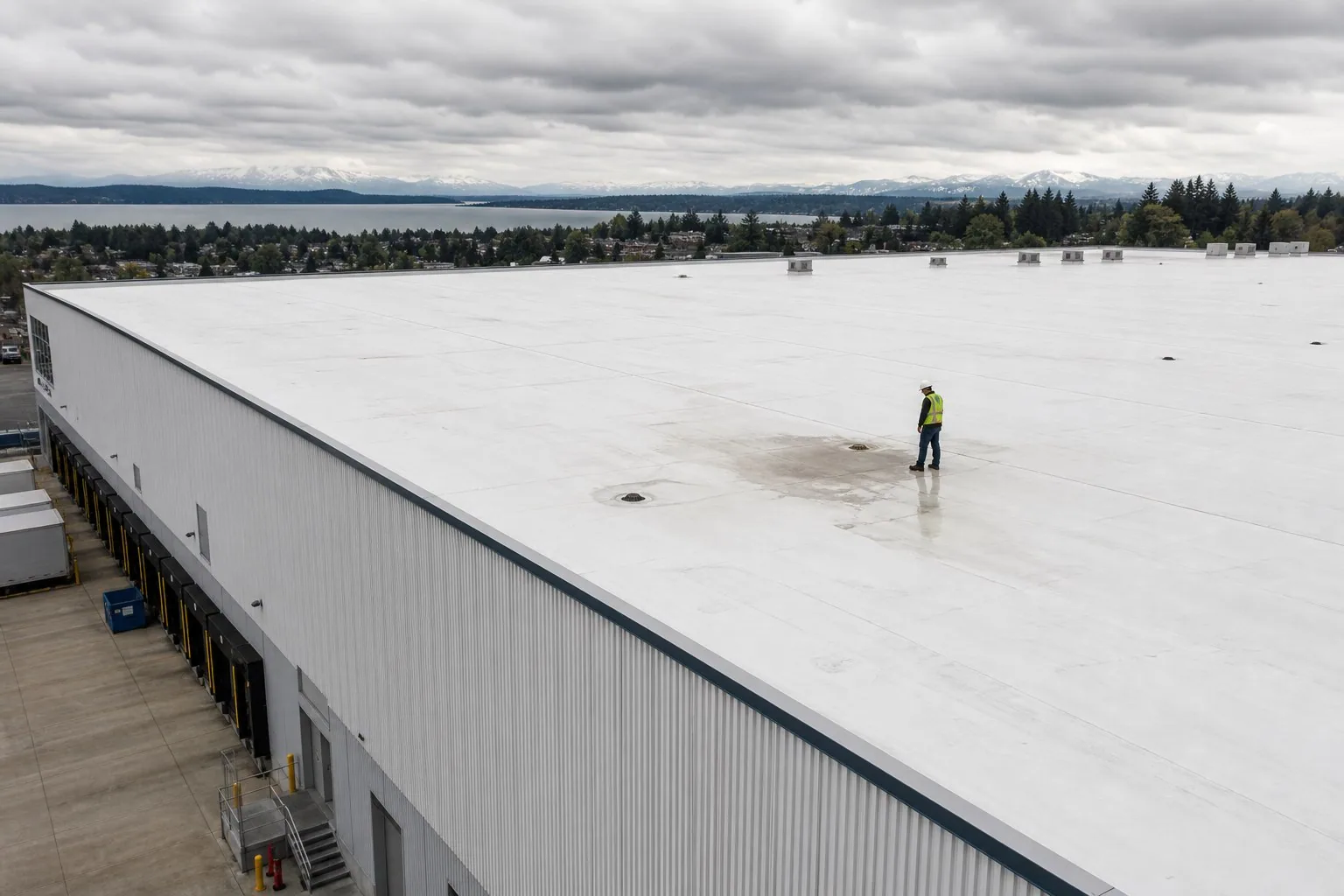
A roof can alter the timing of an acquisition, refinance or renewal budget before anyone agrees on the work. For real estate investors in Newport News, VA, the decision starts with a condition record that separates visible defects from confirmed moisture and unanswered questions. We inspect the membrane, seams, drains, penetrations, edges and prior repairs, then mark the measured area and limits of the review. That gives the asset team evidence to compare with the property file.
Greater Oyster Point and City Center combine offices, retail, hotels and research activity, while the James River waterfront includes a major maritime economy. That mix creates different access and operating demands. We tie each recommendation to the actual building and the roof findings, not to a property label or market headline.
The Building File Starts at the Roof
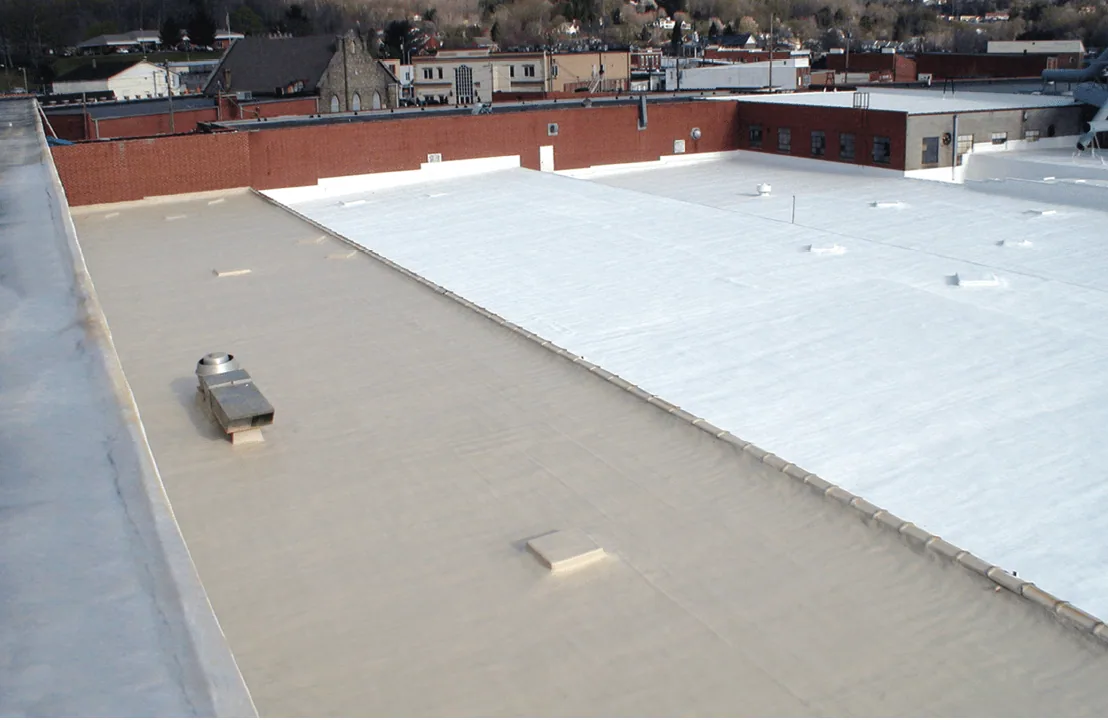
A due diligence visit should answer more than whether a roof looks intact from the ground. We check seams, transitions, penetrations, drains, edge attachment and areas where repairs overlap. Interior staining can help locate a concern, but water may travel below the membrane before it reaches a ceiling. If moisture is suspected in the assembly, we identify where more testing is needed instead of presenting an unverified area as measured damage.
Our written roof inspection can include photographs, observations, priority and recommended next steps. A roof survey for due diligence can focus the record on the questions that affect the transaction: active leakage, near-term repairs, remaining service concerns and areas requiring further investigation. The report is a roof condition snapshot, not a substitute for reviewing access, lease obligations or other building systems.
For an industrial property, we note roof equipment and access constraints that can change how a repair is staged. Newport News has a substantial shipbuilding and maritime base, with activity at the Seafood Industrial Park including fabrication, vessel repair and processing. For each asset, we verify the installed roof system, delivery route and operating window with the property contact.
Separate Immediate Work from Renewal
An investor comparing properties needs the repair boundary, the condition outside it and the evidence behind each recommendation. A limited seam opening may support a targeted repair. Widespread wet insulation, failed flashing across several transitions or repeated movement at the roof edge can point toward broader work. We state which observations are confirmed, which need a closer look and whether coating, recover or replacement remains a reasonable option for the existing assembly.
Proposal scopes should make quantities, access assumptions and exclusions visible. We can separate immediate leak control from work that belongs in a planned capital phase. If a coating is under consideration, its suitability depends on adhesion, substrate condition and system requirements. A recover must also meet applicable assembly and code requirements. Replacement may be the better comparison when the roof cannot support another layer or deterioration extends beyond practical repair.
Where active tenants remain in place, a phased reroof sequence can identify work zones and coordinate access. The schedule depends on the building, weather and material path; each phase should have its own boundary and closeout notes. That keeps the investment discussion tied to the work authorized for that property instead of blending multiple addresses into one generalized allowance.
Get a Roof Record for the Investment File
Share the Newport News property address, transaction or budget timing, roof concern and access schedule. We will inspect the relevant areas and document confirmed work and open questions.
Put Scope and Timing in the Same View
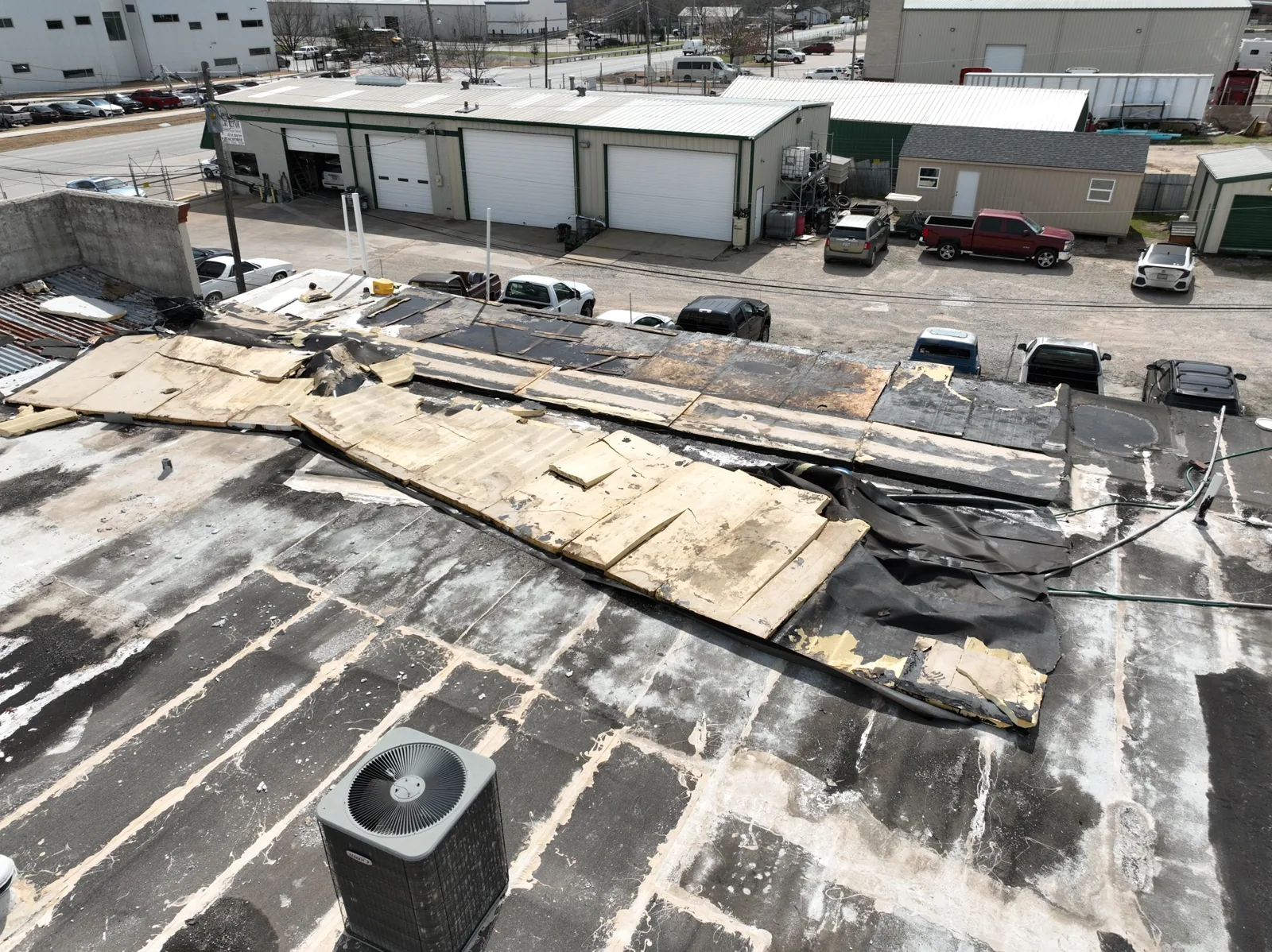
Roofing cost is driven by more than surface area. System type, tear-off, insulation condition, edge detail, flashing, curb work, disposal, staging and active operations can all change the quantity and sequence. A proposal should identify the measured scope and flag assumptions that could change after opening the assembly. For an investor, that distinction helps separate a current obligation from a contingent item that needs additional access or testing.
Newport News local engineering data reports a 100-year rainfall rate of 3.4 inches per hour and a 50-year basic wind speed of 100 mph, along with recurring freeze-thaw cycles. We include these regional conditions in the market record and base each recommendation on the inspected roof. They make drainage paths, attachment and seam condition sensible points to inspect. Our capital planning service can arrange recommendations by urgency, condition and access so the portfolio team can set a sequence.
When comparing bids, confirm that each contractor measured the same areas and addressed the same conditions. Check whether the stated work includes wet insulation removal, replacement of affected flashing, edge metal, equipment supports and protection for occupied space. Differences in those details can matter more than a short price comparison. We can explain our scope line by line and identify questions that remain unresolved before authorization.

Keep Portfolio Records Comparable
Properties do not need identical roofs to use a consistent reporting format. For each address, record the system when known, observed condition, active symptoms, measured areas, recommended action and date of inspection. Keep confirmed work separate from possible follow-up. With that structure, an asset manager can sort urgent items from budget planning while retaining the context behind each priority.
Our multi-site roof program can coordinate inspections and maintenance across separate buildings. A property manager may need a different visit arrangement near City Center than at an industrial location, so each address keeps its own access contact and operating schedule. A shared record helps compare condition and response without implying that a common district or tenant type means a common roof assembly.
At Oyster Point, office and retail access can affect staging. Waterfront freight activity may call for a different work window. We confirm each building's access rules before scheduling.

A Sequence That Follows the Evidence
Timing begins with access and the condition that needs attention. An active leak may require emergency response at any hour, including weekends and holidays. Planned work needs a measured scope, a workable material route and any required tenant or facility coordination. We identify dependencies such as testing, equipment moves or additional investigation before assigning those items a place in the schedule.
A property near the Greater Oyster Point and City Center district may have public entries or tenant hours to coordinate. The manager can provide a contact for notices and site access, and we can identify the roof zones affected during each phase. If evidence changes after opening the roof, we document the changed condition and review the added work before expanding the scope.
Investors who manage multiple building types may also need a different inspection emphasis at health facilities or manufacturing sites. Our healthcare roof assessments account for service access, while work for manufacturing properties considers production and material movement. We keep recommendations specific to each roof and its use.
A Record for the Next Decision
At closeout, we can provide photographs of completed areas, note the repair performed and list conditions that remain outside the authorized scope. That record supports later maintenance, transaction review and budget updates. If the roof needs a follow-up test or a future phase, we identify the open question and the access required to answer it.
Send the property address, roof concern and operating schedule to arrange a visit. For review, include the decision date and roof records. We will distinguish measured work from conditions still requiring confirmation.
Questions About Real Estate Investors
Can you document roof condition for an acquisition review?
Yes. We can photograph observed conditions, note active symptoms and mark areas that need repair or additional testing. The report describes the inspection limits so the buyer can distinguish confirmed scope from unresolved questions.
Does a roof inspection estimate remaining service life?
A visit can identify condition and near-term concerns, but remaining service life is not a precise date. We explain the system observations and factors that could change the outlook, such as concealed moisture or prior repairs.
Can repair and replacement options appear in one proposal?
They can when the inspected evidence supports a fair comparison. We separate repair quantities from broader renewal work and state assumptions about substrate, access and assembly conditions.
How do you handle roofs across multiple properties?
We schedule each address with its own contact and operating limits, then use comparable fields for the condition records. That makes portfolio priorities easier to review without assuming the buildings need the same treatment.
What should be included in the investor's roof request?
Send the address, known system if available, reported symptoms, access instructions and the date by which the decision is needed. Existing inspection files and repair history can focus the visit, but current conditions are verified on site.