Commercial Roof Due Diligence Surveys in Newport News, VA
Commercial roof surveys for Newport News acquisitions and refinancing, with photos, measured repairs, access limits and follow-up questions documented.
Home / Roofing Capabilities / Commercial Roof Due Diligence Surveys
Commercial Roof Due Diligence Surveys
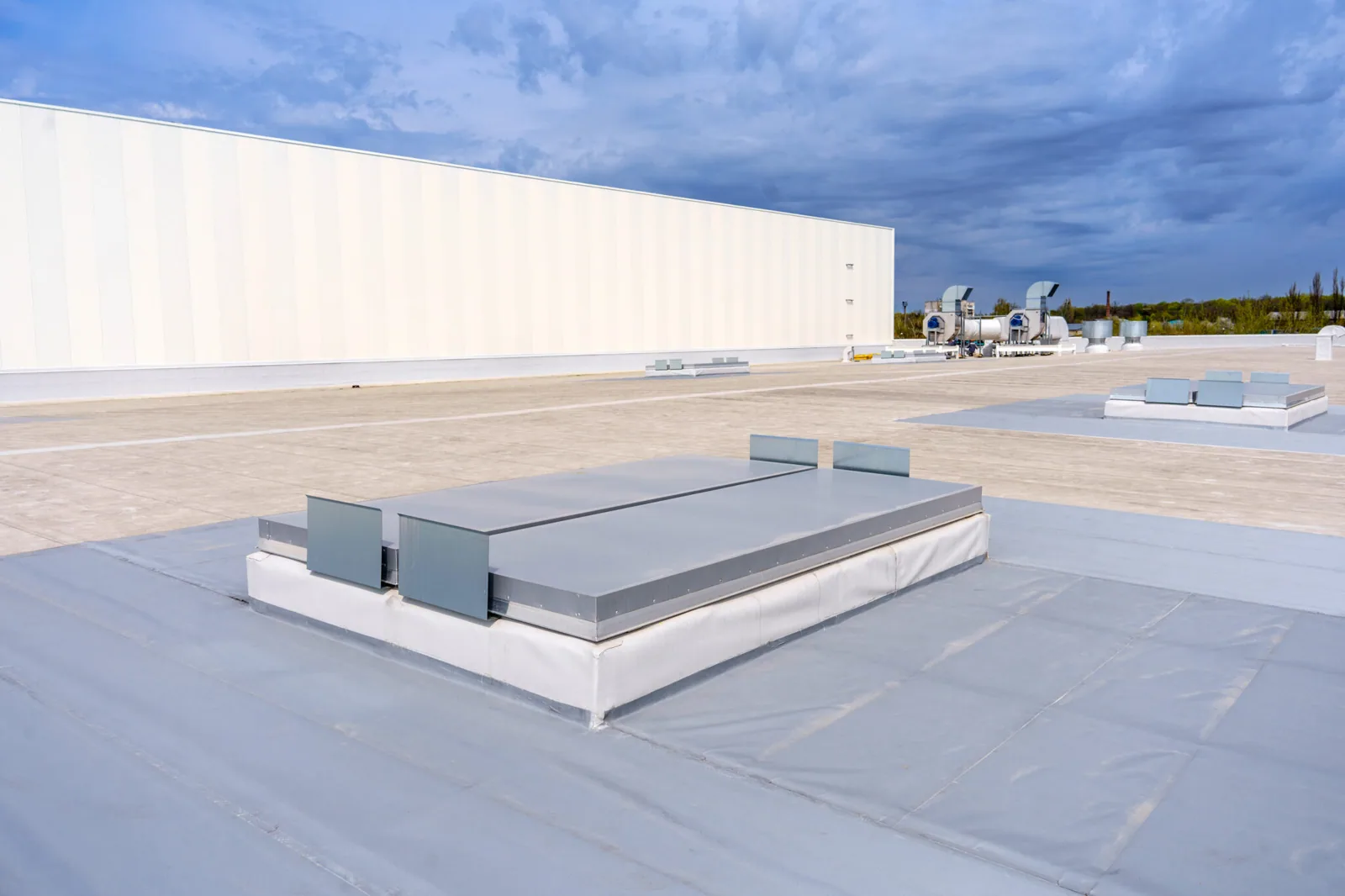
A transaction file may include a roof age and prior invoice but still leave the buyer unsure what work comes next. A due diligence roof survey in Newport News, VA records the current system, visible conditions, active symptoms and measured repair areas. We photograph findings and note what could not be verified without testing or opening the assembly. That gives the investment team a roof condition snapshot tied to the property visit.
Greater Oyster Point includes mid- and high-rise offices, corporate campuses, research, healthcare and retail. Oakland Industrial Park contains advanced manufacturing and heavy industry. The building's use can shape access, but the survey focuses on the roof and its documented condition.
Examine the Roof Behind the File
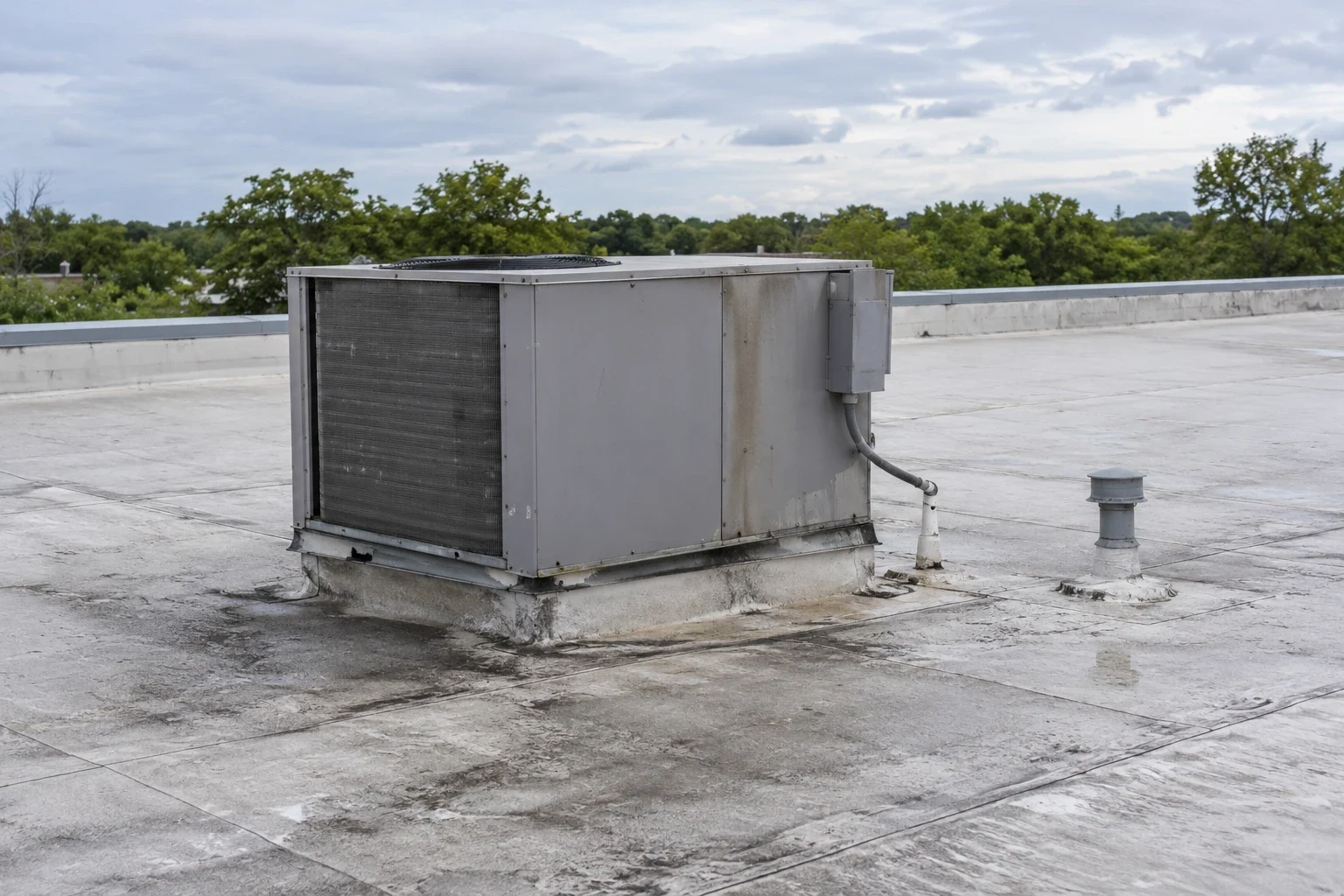
We inspect the membrane or metal surface, seams, drains, flashing, penetrations, edges and visible prior repairs. Interior staining can help locate a concern, though water may move beneath the roof before it appears indoors. If moisture is suspected, we mark the area and describe whether infrared survey, testing or a test cut could establish its extent. The report does not turn a visual estimate into a confirmed wet area.
A commercial roof inspection can record the findings with photographs and location notes. The written condition report can separate active repairs from maintenance and questions that need follow-up. If the seller provides prior reports, we can compare them with what is observed now and note where the record cannot be confirmed.
For a larger roof, drone imagery may help establish the layout and identify areas for closer access. A hands-on review remains necessary for many details. We note sections not reached, locked equipment areas or other limits so the buyer understands the survey's coverage before using it in a decision.
Separate Measured Work from Open Questions
A due diligence survey can show immediate repair items, conditions that need testing and longer-term renewal considerations. A limited seam split may have a measured repair. Suspected moisture beneath a broad roof zone remains an open question until tested. We state what each conclusion is based on, then identify the access or investigation that would change the finding.
Roof system, wet insulation, flashing, edge conditions, tear-off and staging affect future cost. Access may also depend on tenant hours or production schedules. We can explain those factors qualitatively and identify where a contractor proposal would need confirmed quantities. The survey is a condition review, not a construction bid unless a repair scope is separately requested.
For design context, the Newport News file gives a 3.4-inch-per-hour rate for 100-year rain and a 100 mph basic wind value at 50-year recurrence. The figures do not establish this roof’s condition or replacement timing; inspection and project criteria control.
Review the Roof Before the Transaction Closes
Share the Newport News property address, transaction date, roof records and access contact. We will document visible condition, measured work and unresolved questions.
Flag the Decisions that Need More Evidence
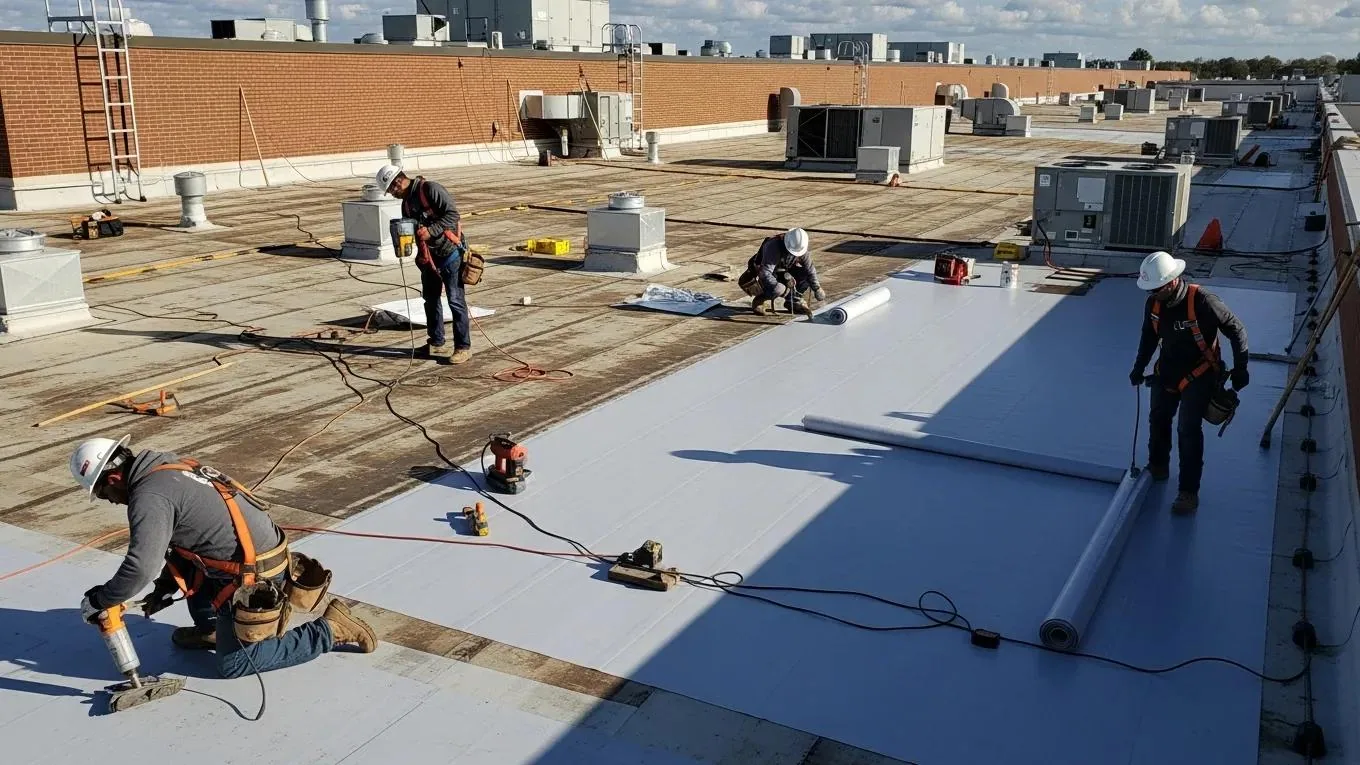
A roof inspection cannot determine concealed deck conditions everywhere without opening the assembly. We label areas that were not tested and avoid assigning a life estimate that the observations cannot support. If the buyer needs a price for uncertain work, an additional test or controlled opening may be the next step before a firm quantity can be prepared.
We also record whether a repair would address the reported concern or whether a larger roof condition remains. Restoration, recover and replacement depend on substrate, attachment, layers and applicable requirements. We can identify options for review while keeping measured immediate work separate from long-range renewal. A buyer may need to know which repairs should be completed before tenant occupancy, which can be coordinated after closing and which condition should be monitored. We list those categories only where inspection findings support them, and state what information is still needed to price the work. The survey can help distinguish a near-term obligation from a longer-range planning item.
For nonresidential Newport News properties, Chapter 16 of the Virginia Construction Code supplies the building-design criteria for review. A future project may involve code or permit review depending on the work. The survey describes the current roof and likely work category; project design and review determine applicable requirements.

Coordinate Access with the Transaction
Survey timing depends on roof access, escort rules, tenant coordination and the transaction's review date. We ask for the property address, building contact, available plans, prior repair history and any access restrictions before the visit. If a portion of the roof cannot be reached, the report states how that affects the inspection. We can list any escort, lift or key coordination needed for a second visit, along with the roof areas that remain outside the first survey. This gives the transaction team a practical path to close the information gap.
City Center's corporate offices and supporting retail can have different hours from industrial properties around Copeland Industrial Park, which is near the Port of Virginia. The transaction team can help identify the operating contact for each site. We plan the route and inspection window around the actual property rather than assume that all commercial buildings can be entered the same way.
For portfolio acquisitions, roof asset management can retain the survey with later maintenance and repair records. If the buyer owns other Newport News buildings, multi-site roof programs can coordinate future inspections while preserving separate condition records by address.
Deliver a Usable Transaction Record
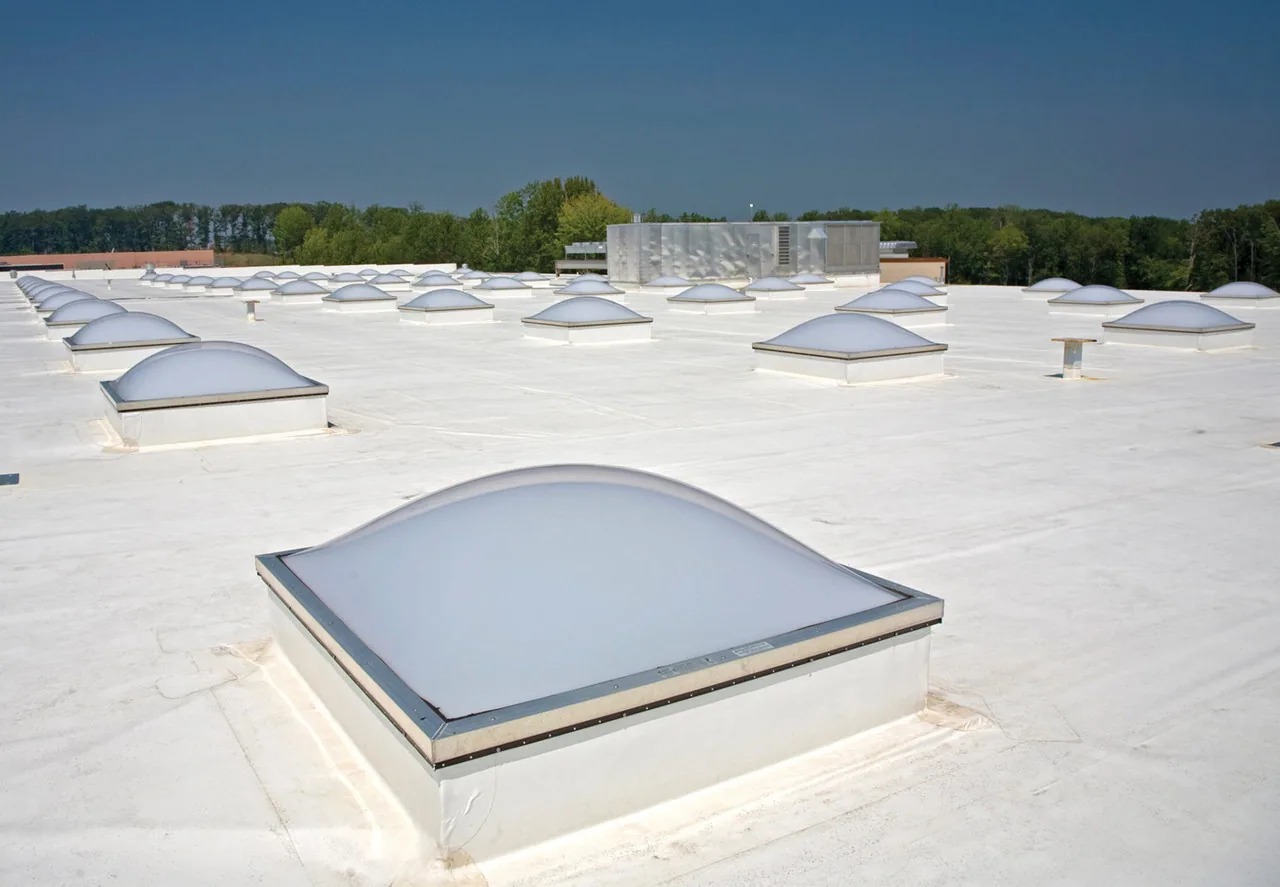
The survey can include photographs, marked locations, observed conditions, repair recommendations and limits of inspection. The buyer can retain these with the transaction records. We distinguish immediate work from potential renewal and identify testing that remains. That gives the buyer a record to review with its facilities, finance and transaction teams.
Send the Newport News address, transaction timing, available roof documents and access contact. We will inspect the accessible roof areas and document findings that can be confirmed during the visit. If the deal needs a specific follow-up question answered, include it before scheduling so the review can focus on that decision.
A transaction survey should identify the buildings and roof areas actually accessed, the date and weather context, and any surfaces blocked by equipment or unsafe conditions. Separate observed defects from opinions about remaining service life, and label estimates as planning figures when destructive testing was not authorized. Buyers can then request targeted follow-up where the evidence is incomplete. The deliverable should make it easy to connect each photo to a roof zone and each recommended action to its supporting observation.
State whether the roof was walked, viewed from a safe access point or partly obstructed. That limitation helps the reader understand which conclusions need confirmation.
Questions About Commercial Roof Due Diligence Surveys
Does a roof survey estimate remaining service life?
We document current conditions and near-term concerns, but remaining service life is not an exact date. Concealed moisture, system history and maintenance can change the outlook.
Can the survey be completed before a transaction deadline?
We can coordinate an inspection window and access with the property contact. Timing depends on roof size, site restrictions and whether testing is needed beyond a visual review.
Can a survey include estimated repair costs?
The report can identify repair areas and cost drivers. A firm price depends on measured quantities, system details and access assumptions, so uncertain conditions may require a separate proposal or test.
What happens if a roof area is inaccessible?
We note the location and reason it could not be inspected, then explain how that limits the survey. Additional access or testing can be scheduled if the transaction requires it.
Can prior seller reports be relied on as current condition?
Earlier reports remain useful history, but we compare them with present roof observations. The survey states what we verified and which records were provided.