Commercial Roof Asset Management in Newport News, VA
Track commercial roof condition, repair needs and work history across Newport News properties with consistent inspections and owner-ready records.
Home / Roofing Capabilities / Commercial Roof Asset Management
Commercial Roof Asset Management
A portfolio list that records only roof age cannot tell a facility team which building needs attention first. Roof asset management in Newport News, VA starts with the condition at each address: active leaks, membrane system, drainage, edges, prior repairs and access needs. We inspect the property, mark measured areas and record open questions. That gives an owner a current basis for maintenance and capital decisions rather than a date field without evidence.
Greater Oyster Point combines research, office, healthcare, retail and hospitality uses. Industrial facilities at Oakland Industrial Park have a different operating profile. A portfolio may include both, so each roof keeps a separate inspection record and schedule.
Build a Record from Roof Evidence
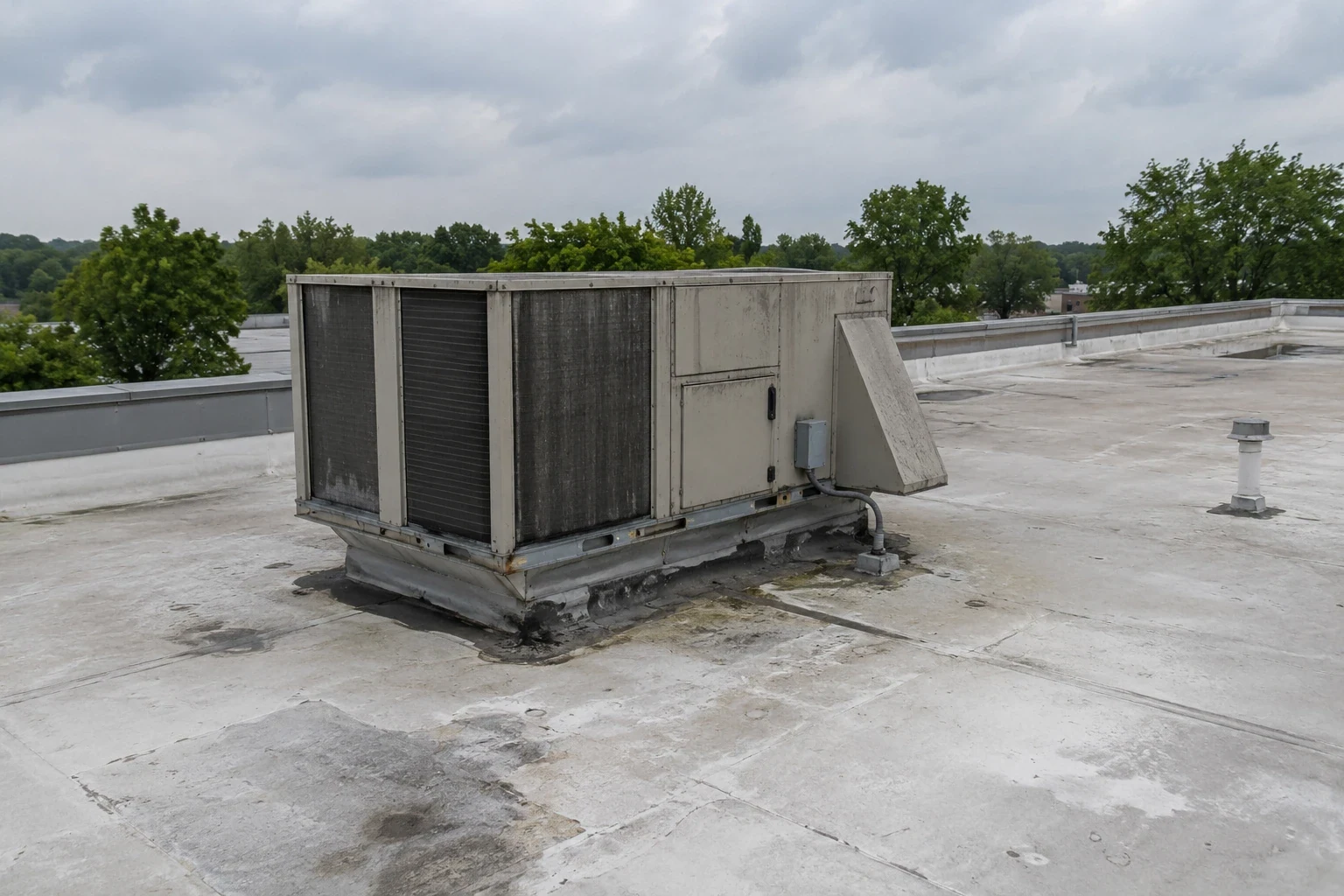
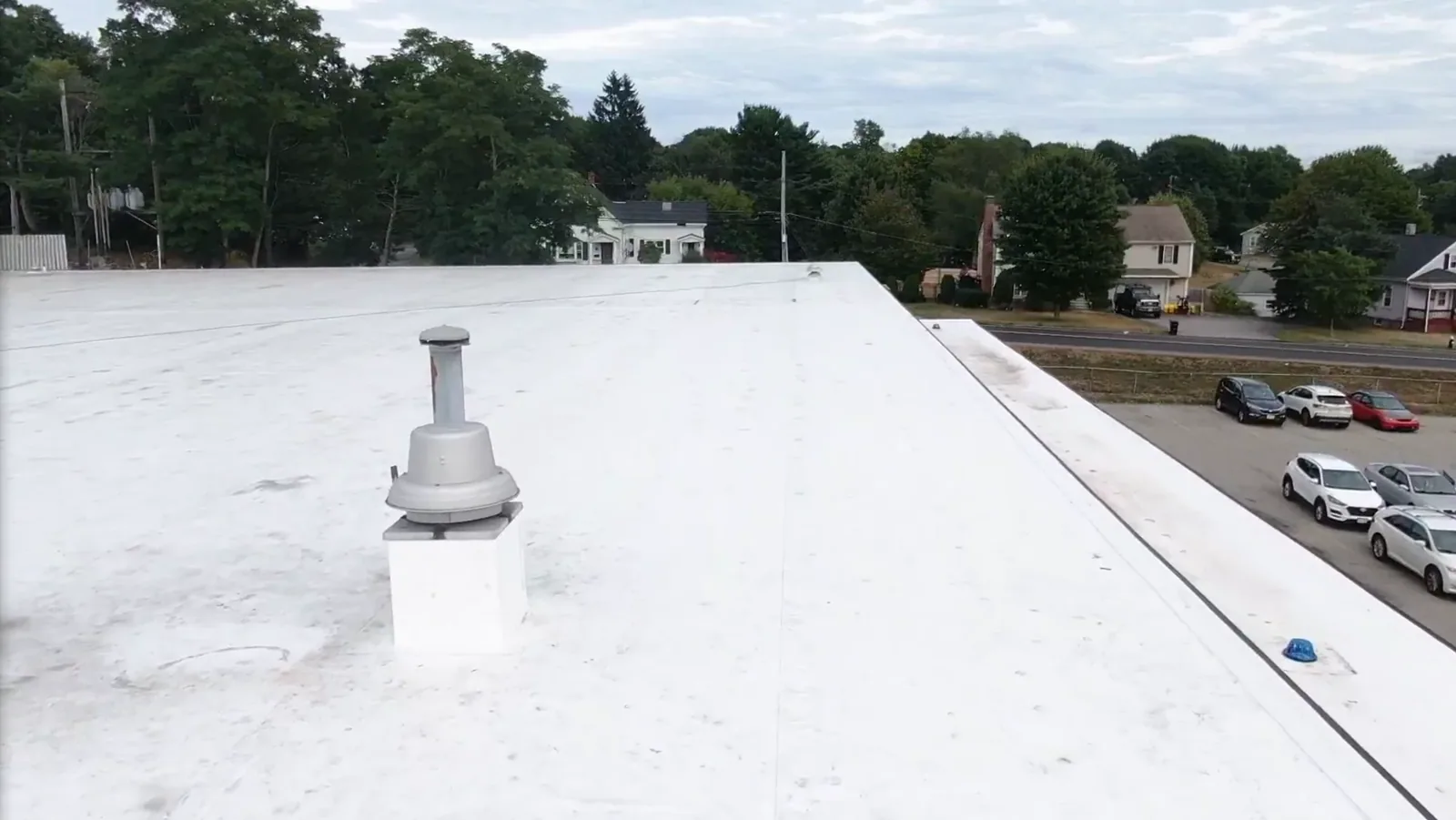
We can document the system when known, observed condition, reported symptoms, photographs, repair boundary and recommended action. If insulation may be wet but has not been tested, that remains an open item. A drone survey may help map a large surface; hands-on inspection checks accessible details, drainage and transitions. The file states the portion reviewed and any area that could not be reached.
A commercial roof inspection can supply the observations for the portfolio record. Our written condition reports keep photos and recommendations tied to the building. That makes it easier to see whether a later service call concerns a known repair or a new roof location.
For a roof near the James River waterfront, wind and rainfall exposure can make edge attachment and drainage points worth monitoring. Newport News design-weather information also records frequent freeze-thaw cycles. Those conditions frame inspection questions; they do not determine the condition of any individual roof.
Sort Work by Condition and Consequence
A useful list distinguishes active water entry, a repair needed to preserve the assembly, routine maintenance and longer-term renewal. We can mark what is confirmed, what has been authorized and what still needs a test or access window. That lets a property lead move urgent leaks forward while keeping future projects visible without representing them as current failures.
Cost and timing depend on system, measured area, wet insulation, flashing, curbs, tear-off, disposal, staging and building operations. An asset record should carry those drivers when they are known and flag assumptions when they are not. A proposal can then be compared against the specific roof task instead of the property's broad category. Useful fields include inspection date, roof zone, membrane or panel type, active symptom, measured quantity, photos, immediate protection, authorized work and follow-up need. If the system type is unknown, we leave that field open until it can be confirmed rather than filling it from an old description.
Newport News identifies Chapter 16 of the Virginia Construction Code as the design reference for nonresidential buildings. When a project changes assembly or attachment, the applicable review depends on the proposed work. The record identifies a roof need; project staff can route the defined scope through the proper design and permit process.
Build a Newport News Roof Record
Send the property address, available roof files, current concern and access window. We will document the condition and identify the next action for each selected building.
Keep Maintenance and Renewal Connected
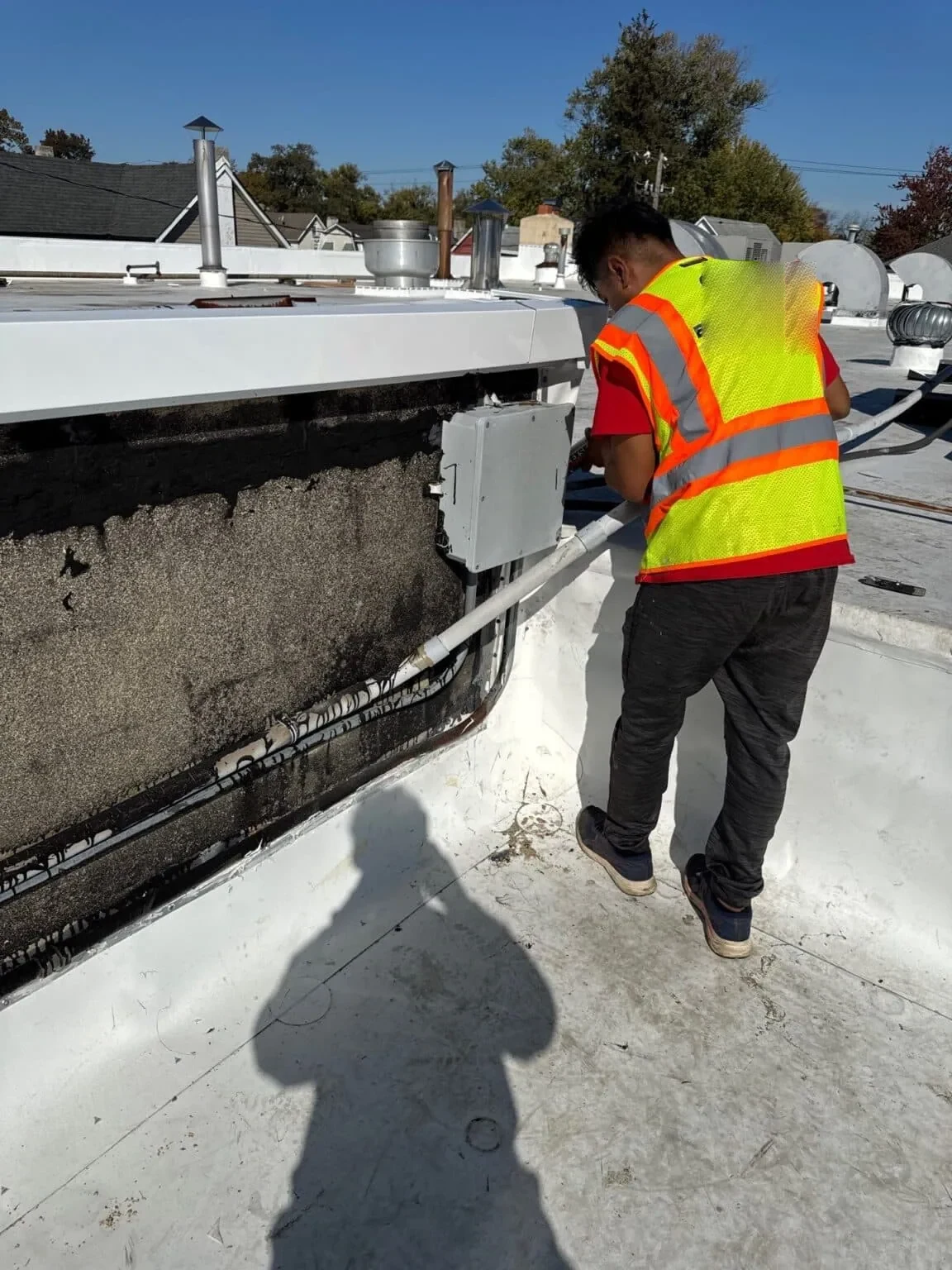
Scheduled maintenance can review drains, seams, penetrations, flashing and roof edges, then update the property file with new photos and conditions. We note what was accessible and what requires a closer inspection. If a recurring leak appears near an earlier patch, the record helps compare the locations and determine whether the same detail reopened.
For portfolio renewal, capital planning can group recommendations by condition, access window and planned investment year. The asset record preserves the reason for each priority. This is especially useful where a property manager coordinates tenants near City Center while industrial operations at Copeland Industrial Park need a different service window.
A multi-property owner can track separate roofs through multi-site roof programs. A manufacturing property near the Seafood Industrial Park may have loading and equipment access needs, while an office near Greater Oyster Point may require tenant notices. We keep those notes attached to the address that uses them. A manager can review whether a property has a current report, pending repair or next inspection date without assuming that another building shares the same condition.
Update the File After Each Roof Visit
When work is completed, the record can identify the repaired section, materials, photos and any adjacent item left outside the authorization. If an inspection is incomplete, we state the access or testing required to finish it. That keeps a working file useful to a new facilities contact who did not attend the earlier visit.
Greater Oyster Point and City Center contain mid- and high-rise offices, corporate headquarters and supporting retail. The Patrick Henry Corridor includes airport and commercial activity. When a portfolio spans both districts, we schedule inspections by address and confirm roof access with each site contact rather than assume one arrival plan works everywhere.
For an active leak, emergency response is available all day, every day, including holidays. The response record can show whether the call produced temporary protection, a permanent repair or a follow-up task. That distinction helps ownership reconcile the service log with future budget decisions.

Start with the Buildings You Need to Decide On
Share the property addresses, known roof records, current leak reports and any decision dates. We can inspect the selected buildings, establish condition records and identify immediate work, planned maintenance and unresolved questions. The portfolio view becomes more useful when every recommendation can be traced to a roof observation. Each update should also identify whether the action is complete, waiting for authorization, or dependent on a test. This status helps a new facility contact avoid duplicating a work order or overlooking an unresolved roof concern.
For Newport News facilities, send the operating contact and access window along with each address. We will keep the conditions distinct by property and return a record your team can use to set the next inspection or project phase and budget review as records change. This keeps a current reference for the next facilities contact.
Start the asset register with what can be verified: roof areas, system observations, age documentation when available, prior repairs, warranties on file and access limitations. Mark unknowns explicitly rather than assigning false precision. The owner can then sort immediate water entry, maintenance needs and longer-term investigation without treating every recommendation as equally urgent. Update the record after each inspection or project so new staff can see what changed and why the next action remains open.
Set a review date and assign the person who will update the record after repair, testing or a change in building use. Clear ownership keeps open items from becoming stale.
Questions About Commercial Roof Asset Management
What information belongs in a roof asset record?
Record the address, system when known, inspection date, active symptoms, photos, measured repair areas, recommended actions and open questions. We state inspection limits and access needs alongside confirmed conditions.
How often should a portfolio's roof records be updated?
Update the file after an inspection, repair, maintenance visit or event that changes roof condition. The appropriate visit schedule depends on the assembly, previous findings and property operations.
Can you organize existing inspection and repair records?
We can review files provided by the owner and compare them with current site observations. Older reports remain historical evidence; present conditions are confirmed during inspection.
How does an asset record help set priorities?
Separate active leaks from maintenance and long-range renewal, then include condition, access and measured scope. That gives ownership a reason for advancing one property while retaining other needs for review.
Can roof records cover different building types?
Yes. We can use consistent fields across offices, industrial properties and occupied facilities while documenting the distinct system and operating limits at each address.