Commercial Roof Repair in Newport News, VA
Repair commercial roof seams, flashing, membrane and drainage in Newport News with a measured scope that protects active buildings and budgets.
Home / Commercial Roofing Services / Commercial Roof Repair
Commercial Roof Repair
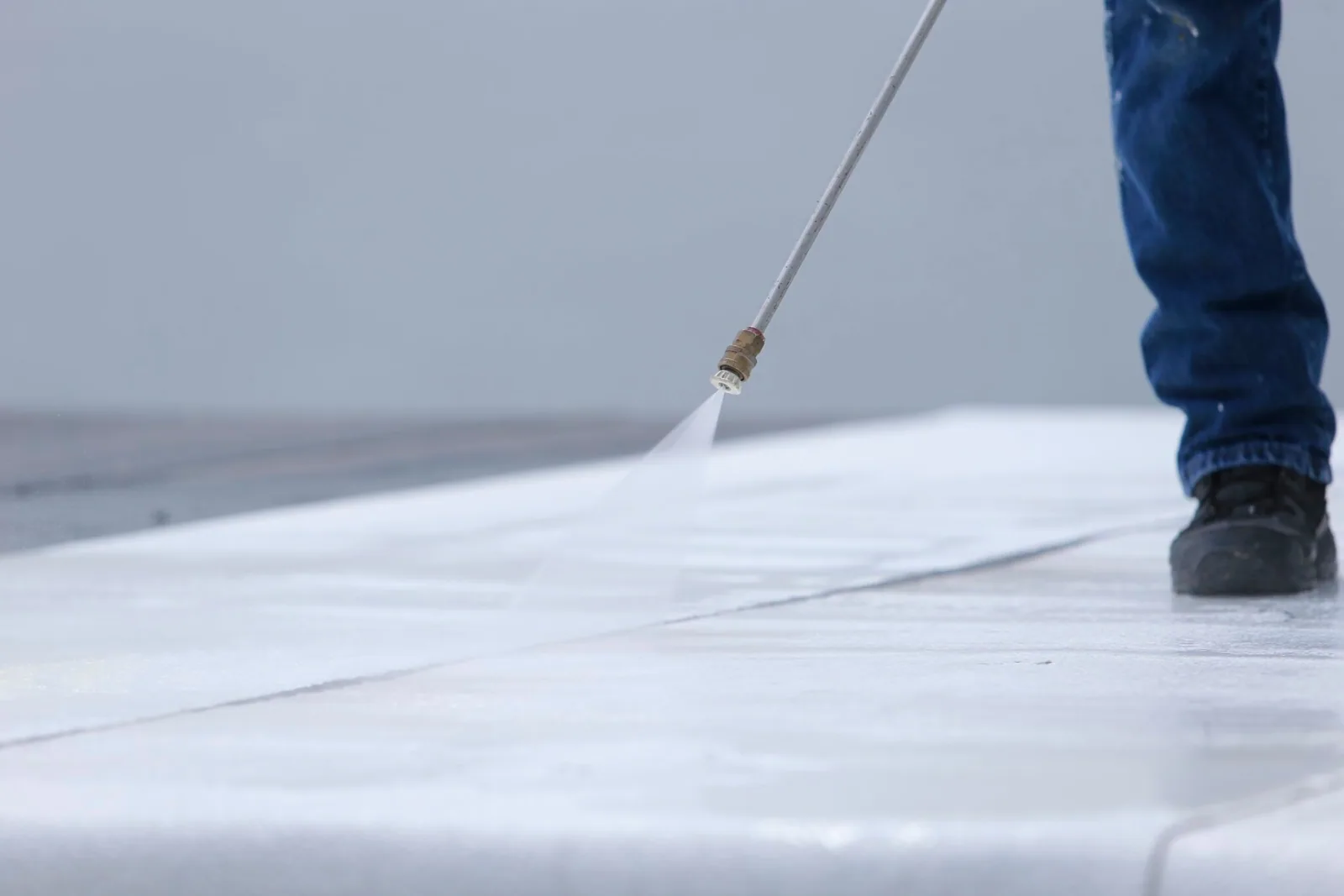
A repair ticket that says “patch the leak” leaves the facility team with an open question: what failed, how far does it extend, and what will keep it from returning at the next seam or penetration? In Newport News, VA, we inspect the roof system, trace the water path and mark the repair boundary before pricing the work. The scope distinguishes a split membrane or open lap from wet insulation, loose edge metal or a failing drain detail. Those conditions can look close together from the ground but call for different materials and labor. On an industrial roof near the Seafood Industrial Park, service access and water-dependent operations may shape the work window. At an office in Greater Oyster Point, entrances and occupied floors may set the daily limits. The repair should describe both the roof condition and the operating constraints it must respect.
Start at the Failure
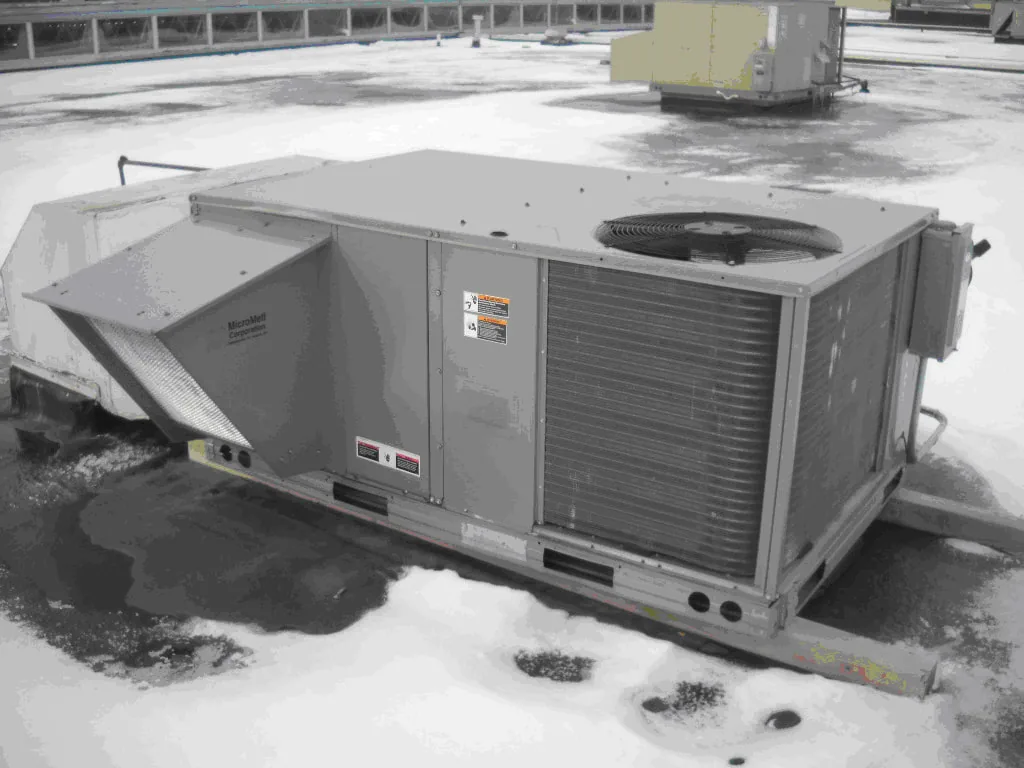
We look at the membrane field, laps, flashing, drains, scuppers, curbs, rooftop equipment supports and perimeter metal. A puncture may need a compatible patch; a seam that has opened needs a repair that restores continuity beyond the visible split. At a wall transition, the problem may sit in counterflashing or substrate movement rather than the sheet itself. We photograph the condition, measure the affected area and note adjacent details that could let water continue traveling. If moisture is suspected below the surface, we recommend testing instead of pricing a surface repair as if the insulation were dry.
The roof type matters. Thermoplastic seams, EPDM laps, modified-bitumen surfaces and standing-seam metal each require different preparation and repair materials. We identify the installed system when possible, clean and prepare the repair area, and set out any limitations caused by weather, contamination or prior coating. For a membrane roof, compare TPO seam repairs or EPDM patch work with the system present at the building. A generic sealant over a dirty or incompatible surface can hide a defect without making a durable repair.
A Repair Boundary That Holds
The proposed repair needs a clear edge. We define the area to be cleaned, cut back, patched, reinforced or re-flashed, then show how that work connects to sound material. If the membrane is brittle, wet insulation reaches beyond the visible defect or the deck moves, the repair boundary may need to expand. We do not assume a roof-wide replacement from one local failure, and we do not call a recurring pattern isolated without checking the surrounding assembly. The report separates a confirmed repair from a recommendation for further testing.
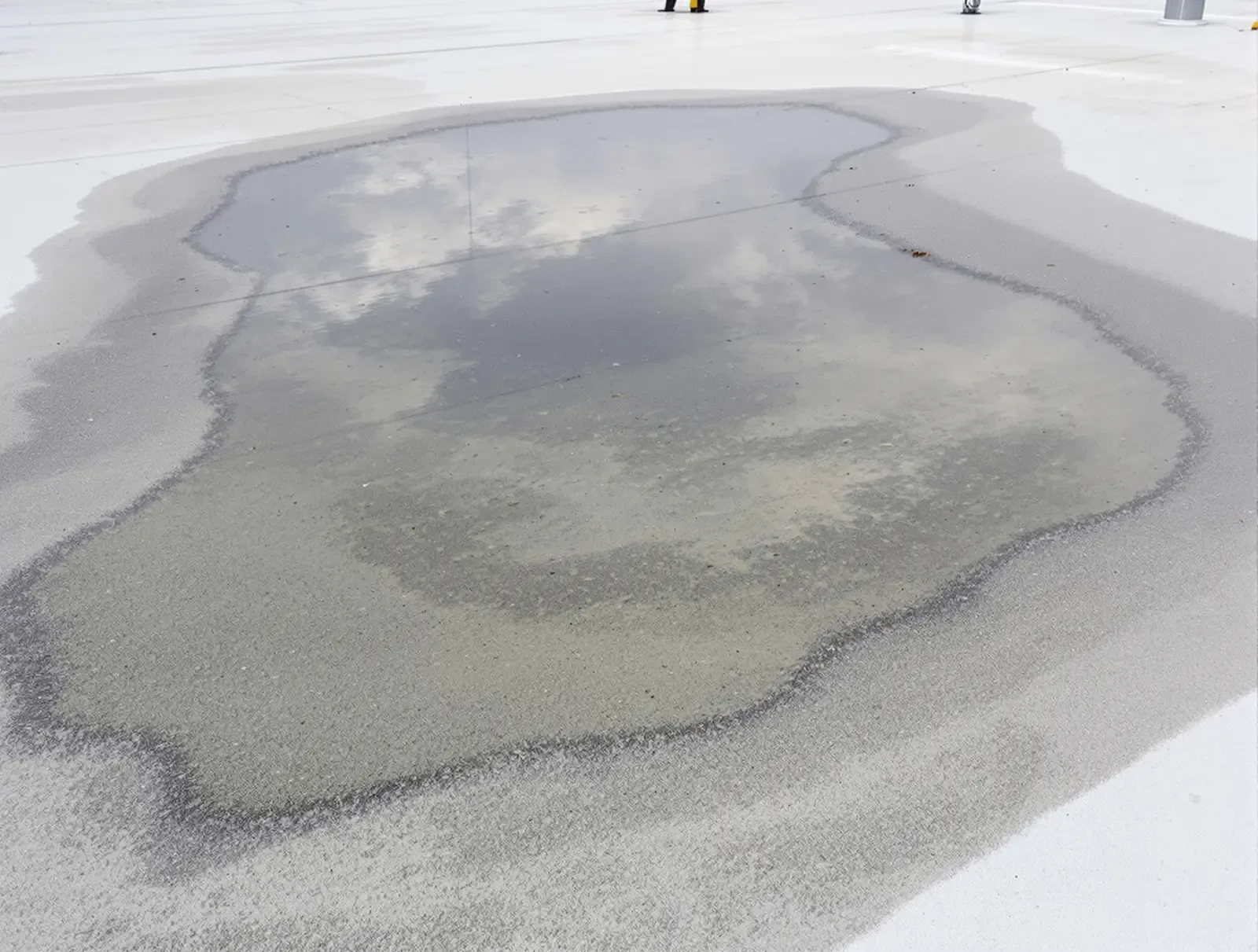
Drainage and edge conditions deserve their own review. Newport News local design data includes intense rainfall and substantial wind, so the inspection should check whether water can leave the roof and whether the perimeter attachment remains secure. A pond that returns after each storm may need drain cleaning, slope correction or a larger assembly repair. Loose coping or edge metal needs securement suited to its substrate and wind exposure. When the issue is limited to water outlets, a focused drain and scupper repair may be the right line item alongside membrane work.
Request a Measured Roof Repair
Share the Newport News property address, roof concern and access window. We will inspect the failure, document the repair boundary and outline any testing or follow-on work separately.
Repair or Larger Work
Repair cost reflects access, mobilization, membrane type, preparation, detail complexity, measured area and whether wet material or damaged decking must be removed. Repeated visits for the same leak can add disruption without improving the roof if the original failure was never isolated. We explain the evidence, the repair boundary and what condition would require added work. If a concealed area remains uncertain, the owner can authorize a test opening or carry a stated allowance instead of treating an unknown as a fixed quantity.
We compare repair with recover or replacement when inspection reveals multiple failures, widespread moisture or a roof that has reached the limits of practical patching. That comparison can include the life and condition of adjacent roof sections, so one repair does not force a premature decision for the whole property. A phased plan may start with active water entry and leave stable areas for later review. Our replacement scope and recover review set out those alternate paths where the roof condition supports a choice.
Work Beside Daily Operations
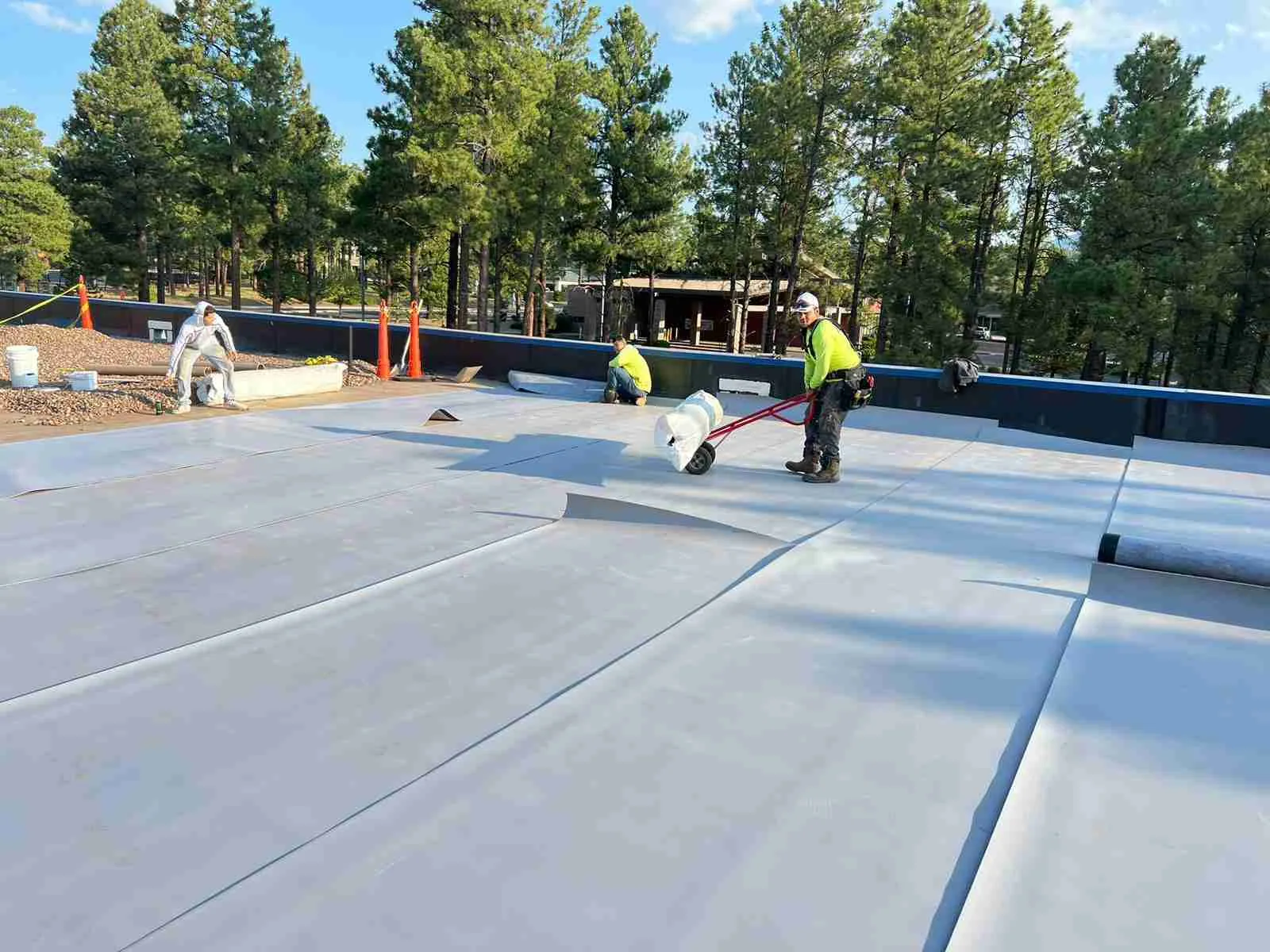
Repair work often needs less staging than reroofing, but access and interruption still matter. We confirm gate procedures, roof access, equipment shutdown needs, interior protection, deliveries and the hours when noise can occur. At a building near Downtown and the Yard District, port, shipyard and waterfront operations may require coordination with the facility contact. Elsewhere, a tenant entrance or production lane can define where ladders and materials may sit. The daily work plan identifies which areas remain open and where the crew will move next.
Weather controls whether a repair can be prepared and closed properly. Rain can leave the substrate damp; wind can affect loose membrane and edge work. We check the forecast, protect materials and stop before conditions compromise the bond or temporary dry-in. Newport News experiences hot, humid summer design conditions and recurring freeze-thaw cycles. That makes sound surface preparation and compatible repair details important through seasonal changes. Where a leak is active, temporary protection can limit exposure until permanent work can be completed safely.
Records for the Next Inspection
Once the repair is complete, the owner should have a record of the location, material and detail addressed. We provide photographs and note any nearby condition that remains under observation. That gives a later inspector a reference point and helps maintenance staff distinguish a new leak from an old repair. If a repaired area fails again, the record supports a second look at movement, drainage, wet insulation or the connection between the patch and surrounding material.
For a service request, send the property address, roof concern and preferred access window. If water is active inside, include the room or equipment area affected and whether operations can be interrupted. We will inspect the roof, document the failure and price a defined repair. A photo condition report is useful when several locations need to be ranked, while Patrick Henry Corridor and Oakland Industrial Park show the range of commercial settings around Newport News. For urgent water entry, use active leak tracing and repair as the starting scope.
Questions About Commercial Roof Repair
How do you phase roof repairs around occupied operations?
The access plan and repair location set the limits. We coordinate ladders, deliveries, interior protection and any equipment shutdown with the facility contact, then mark which areas stay available during the work.
What information helps price a repair accurately?
Photos, roof access details, the installed system if known, and the interior location of any leak help frame the visit. We still verify the failure on the roof and measure the area before setting the repair quantity.
Why does the leak return after a patch?
Water can enter at a nearby seam, penetration or drainage detail and travel before appearing inside. We trace the water path and inspect adjacent conditions rather than assuming the ceiling stain marks the roof opening.
Do you repair every membrane type?
We work on TPO, PVC, EPDM, KEE, modified bitumen, built-up and metal roofing. The repair method follows the installed system and the condition of its surface, seams and flashing.
When does repair stop making financial sense?
Repeated failures, broad wet insulation, damaged decking or many deteriorated details can make a larger scope more practical. We document those findings and compare repair with recover and replacement so the owner can weigh timing and remaining risk.