Commercial Roof Drain and Scupper Repair in Newport News, VA
Correct commercial roof drain, scupper and ponding issues in Newport News with measured water-path findings, outlet repairs and a clear scope.
Home / Commercial Roofing Services / Commercial Roof Drain and Scupper Repair
Commercial Roof Drain and Scupper Repair
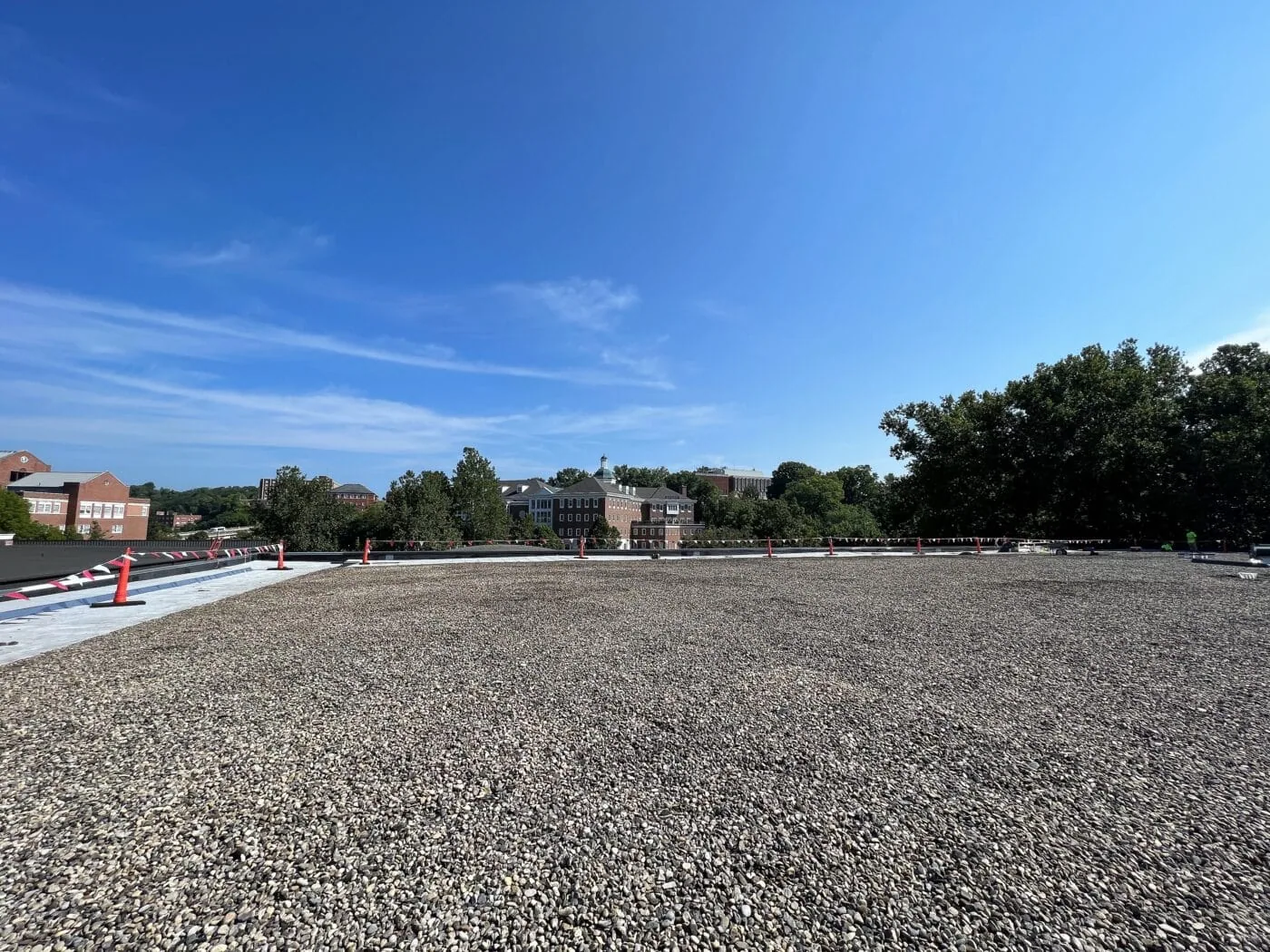
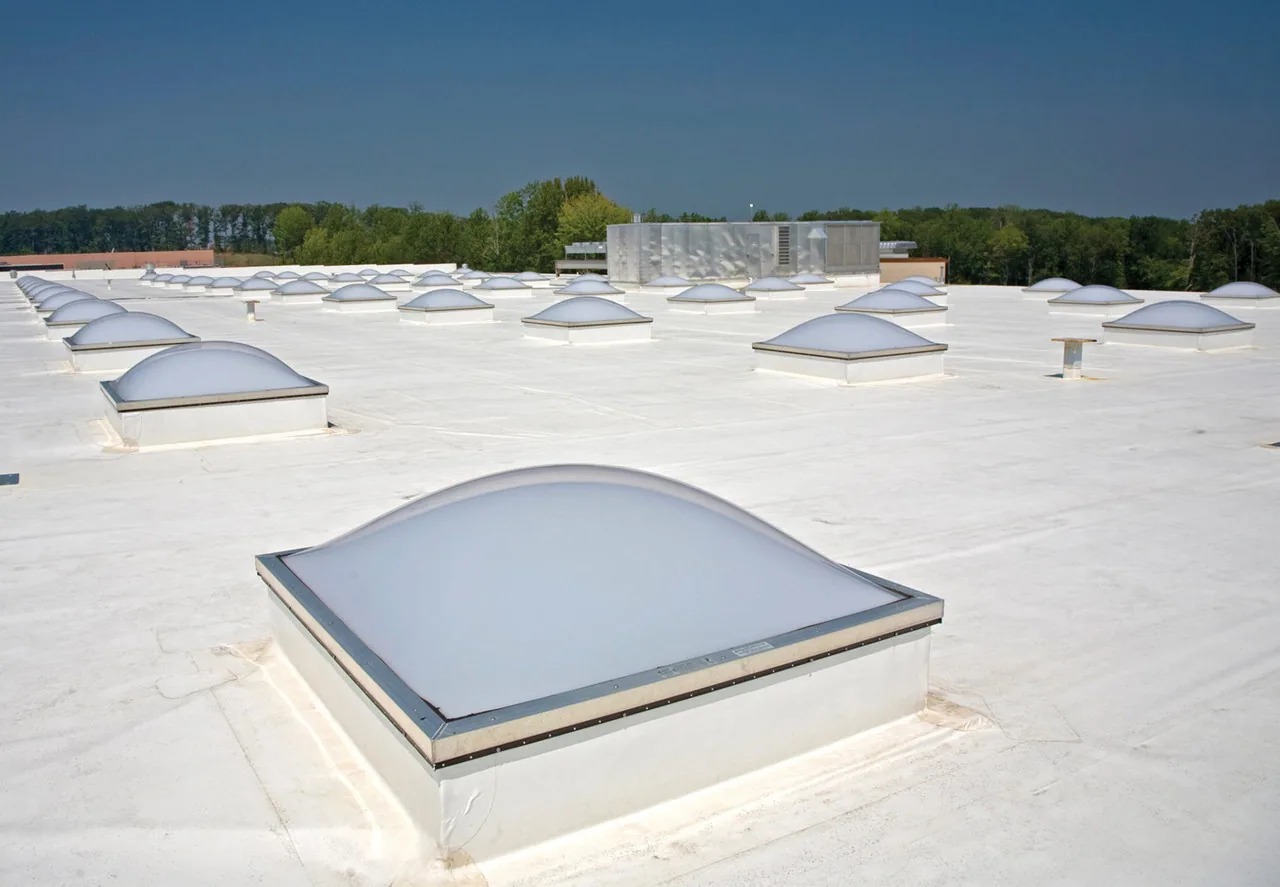
Water that remains beside a drain after the surrounding roof has dried deserves a closer look than another round of sealant. Our commercial roof drain and scupper work in Newport News, VA starts by tracing where water should travel, how quickly it reaches the outlet and what condition the connection is in. We inspect drains, strainers, scuppers, gutters, overflow paths and the membrane around each opening. If clearing debris does not resolve ponding, we measure the affected area and look for a low point, deflected deck or outlet set above the roof surface. Newport News local engineering-weather data records intense design rainfall, so outlet capacity and secondary drainage matter to a roof's operation. At Seafood Industrial Park, vessel-service and processing buildings have water-dependent uses; near Greater Oyster Point, office and research facilities depend on keeping occupied areas dry. The actual roof determines whether the need is cleaning, repair or a larger drainage correction.
Follow the Water to the Outlet
We inspect the drain bowl, strainer, clamping ring, flashing, piping connection where accessible and surrounding membrane. On a scupper, we check the opening, metal sleeve, flashing and the path water takes beyond the wall. We also look at gutters and downspouts where they receive roof runoff. Debris, leaves, sediment, loose membrane or a damaged strainer can slow flow. A split at the drain flange or an open wall transition can admit water even when the outlet appears clear.
The roof's slope and low points shape the drainage pattern. We note where ponding begins, its apparent extent and whether water reaches a primary or overflow outlet. A roof plan, if available, helps connect drains to the building's internal piping. We can pair this work with a hands-on roof inspection when the owner needs broader condition findings. For active water inside, leak tracing can determine whether the outlet or another roof detail is the entry point.
Clear, Rebuild or Add Slope
When debris is the only obstruction and the outlet is sound, clearing and documenting it may be sufficient. A failed membrane connection needs compatible flashing repair. A cracked drain bowl, loose clamping ring, separated scupper sleeve or disconnected downspout may require component replacement or rebuilding the transition. We identify the materials, measured work area and how the repair will tie into the roof surface before pricing.
Ponding that remains after cleaning can point to a deck deflection, poor slope or an outlet that sits too high. A cricket or tapered insulation can redirect water, but the assembly and deck need review before a slope change is specified. The Virginia construction code cycle and Newport News nonresidential design criteria apply to project review, including drainage changes that affect the assembly. We identify design questions for the appropriate professional rather than treating an added drain or tapered system as a simple patch. A tapered insulation and cover-board scope may address slope where the roof condition and design permit.
Trace a Newport News Roof Drainage Problem
Send the property address, drain or scupper location, ponding history and site access window. We will inspect the water path and outline cleaning, repair or slope correction as separate work where needed.
Primary and Overflow Paths
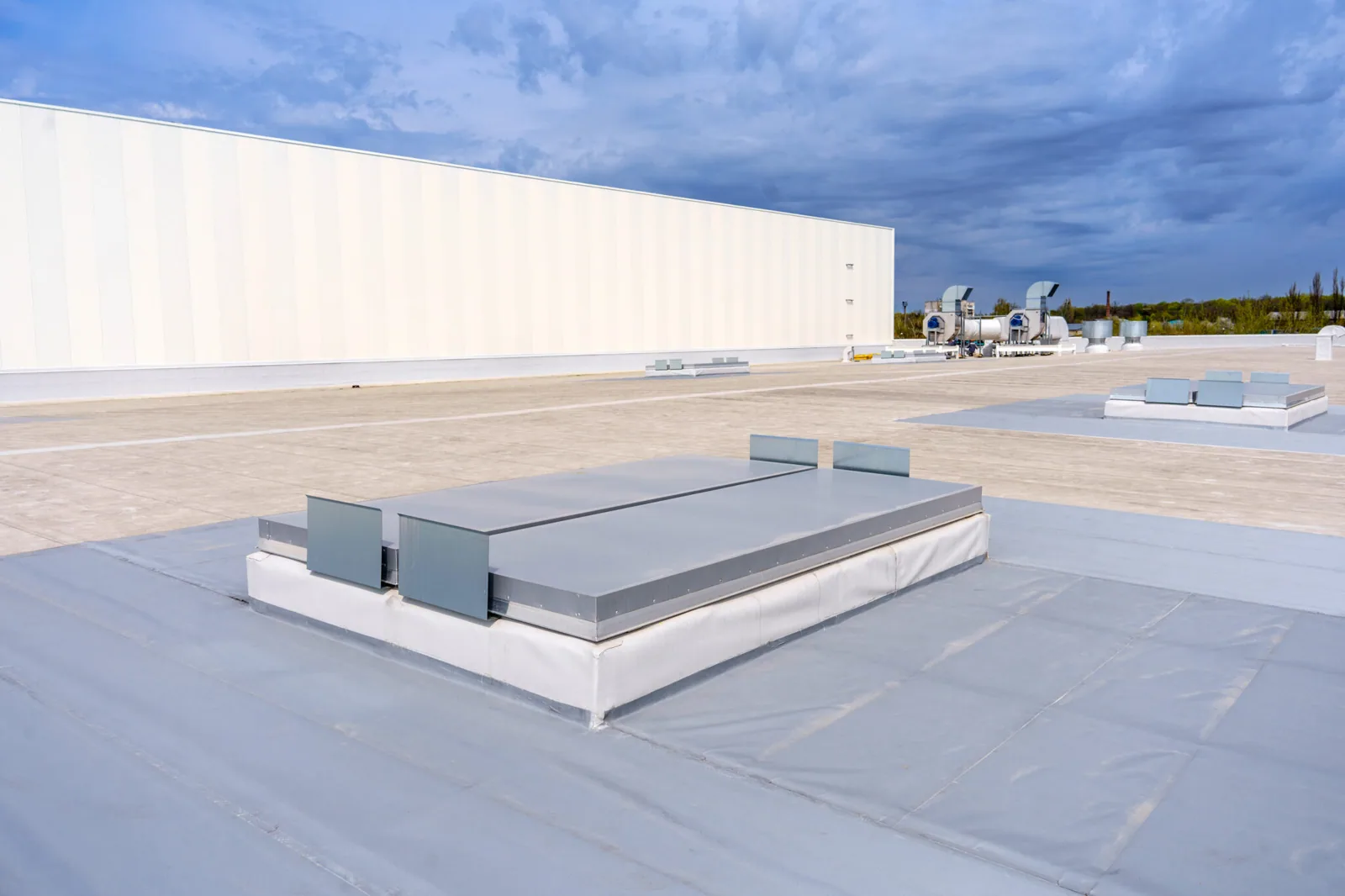
A primary drain should not be the only path considered when heavy rain or a blockage could leave water on the roof. We inspect overflow scuppers and emergency drainage where present, including whether the opening can pass water and whether its discharge is visible. The building's design determines the correct locations and elevations. We do not add or relocate an outlet without checking the structural, plumbing and code implications.
Newport News has recorded a 3.4-inch-per-hour 100-year rainfall rate in its local engineering dataset. That design statistic is a reason to evaluate water paths carefully, not a conclusion about an individual property's capacity. We document the outlets present, visible obstructions, recurring ponding and any missing information needed for design. Near Downtown and the Yard District, a port or shipyard building can have large roof sections and operational access limits; at Tech Center, research or office use may make interior interruption a key scheduling concern.
Measure the Correction
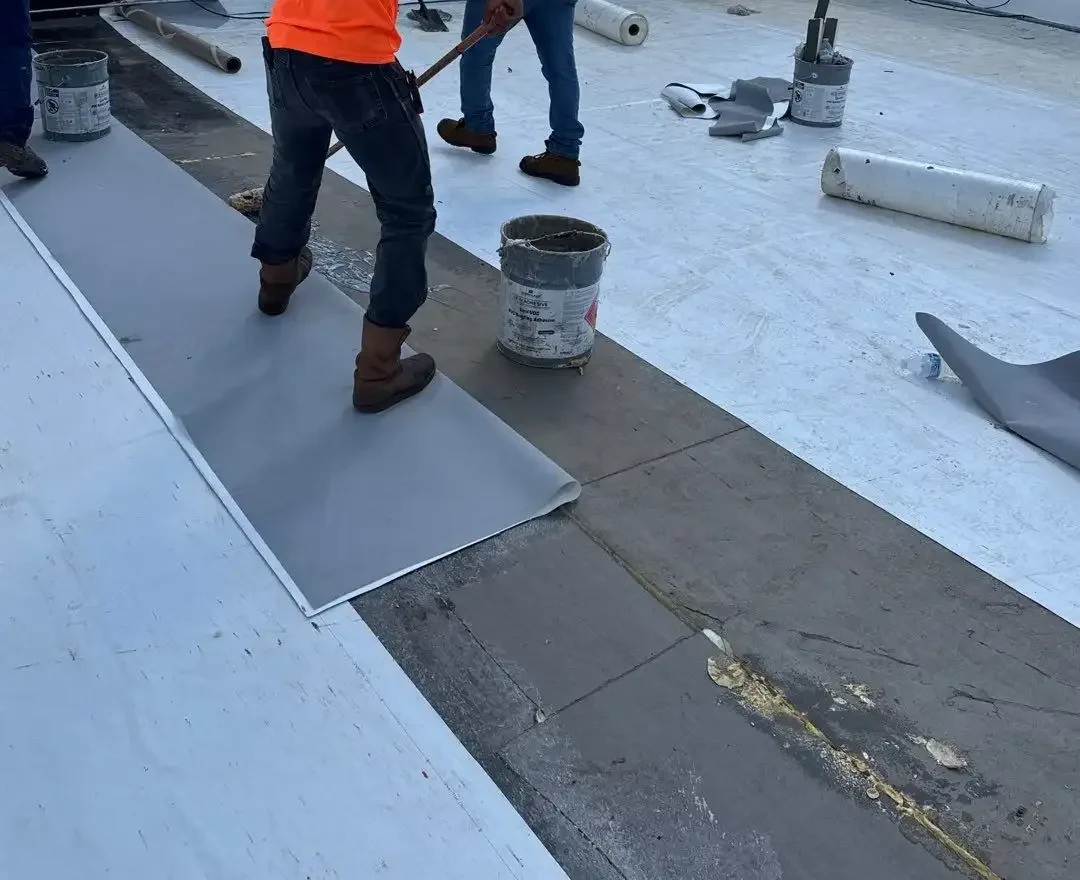
Cost depends on the number of outlets, roof material, drain or scupper condition, height and access, membrane repairs, piping or gutter work, and whether slope correction is needed. Clearing a strainer is not the same scope as replacing a drain bowl or rebuilding a low area. We list each outlet and describe what is included. If the assembly needs a test cut, plumbing camera or engineering review, the proposal identifies that step before construction quantities are fixed.
Repeated ponding can increase the amount of maintenance and expose seams, flashing and insulation to longer wet periods. We explain the observed pattern and compare a focused outlet repair with broader correction if the deck or slope is involved. A photo report can map each drain and low area, while a capital plan can sequence several buildings by urgency. The owner sees which work is confirmed, which requires design and which remains a maintenance task.
Access Around Facility Operations
Drain work can require roof access, interior access to the piping connection or coordination with plumbing and facility staff. We confirm roof hatch keys, escorts, shutdown windows, equipment access, pedestrian routes and where water will discharge during testing. If a drain serves an active production area, the facility contact can identify when work may interrupt the connection. We keep the work area protected and restore the roof opening at the end of each shift.
Newport News includes maritime industry, manufacturing, healthcare, research and retail. At Oakland Industrial Park, truck movement and production schedules can affect staging; at a property near City Center, tenant notification may be more important. Weather also controls the work. Rain can prevent membrane repair, and a blocked outlet during a storm may need immediate temporary attention. If water entry is active, emergency response can address exposure while a permanent drainage fix is planned.
Keep the Flow in the Maintenance Record
We document the outlet condition, work completed, photos, materials and any remaining ponding or design question. The facility contact should know which drains are clear, which need follow-up and what would change the recommendation. A simple roof map with outlet IDs can help staff record debris or standing water after later storms. Any maintenance plan should also identify who checks strainers and gutters and how access is arranged.
Send the property address, drain or scupper location, history of ponding and operating schedule. We can inspect the roof, measure the affected area and identify whether cleaning, repair or slope work fits the observed condition. Around I-64 or the Patrick Henry Corridor, industrial and commercial buildings have different access patterns, but the outlet and deck still set the repair scope. Use the project contact form to arrange a site review and share any roof plan or maintenance notes.
Questions About Commercial Roof Drain and Scupper Repair
Why does water remain on the roof after the drain is clear?
The outlet may sit above a low point, the deck may deflect, or the roof slope may direct water elsewhere. We map the ponding and inspect the outlet and surrounding assembly before recommending correction.
Can you fix a leaking drain without replacing the whole roof?
A localized flashing or connection failure may be repairable when surrounding membrane and substrate remain sound. We inspect the boundary and note when wet insulation, a damaged bowl or broader deck work changes the scope.
Do I need an overflow scupper?
The building design and applicable code determine secondary drainage needs. We document existing overflow paths and refer design or capacity questions for review rather than adding an opening without that check.
Can tapered insulation solve ponding?
Tapered insulation may redirect water when the deck, assembly height, drains and design support that change. We measure the low area and identify required design review before pricing a slope correction.
Will you clean roof drains during maintenance?
We can clear accessible debris within the agreed scope and document outlet condition. A damaged drain connection, persistent ponding or blocked piping requires a separate repair or plumbing evaluation.
Related Roofing Work