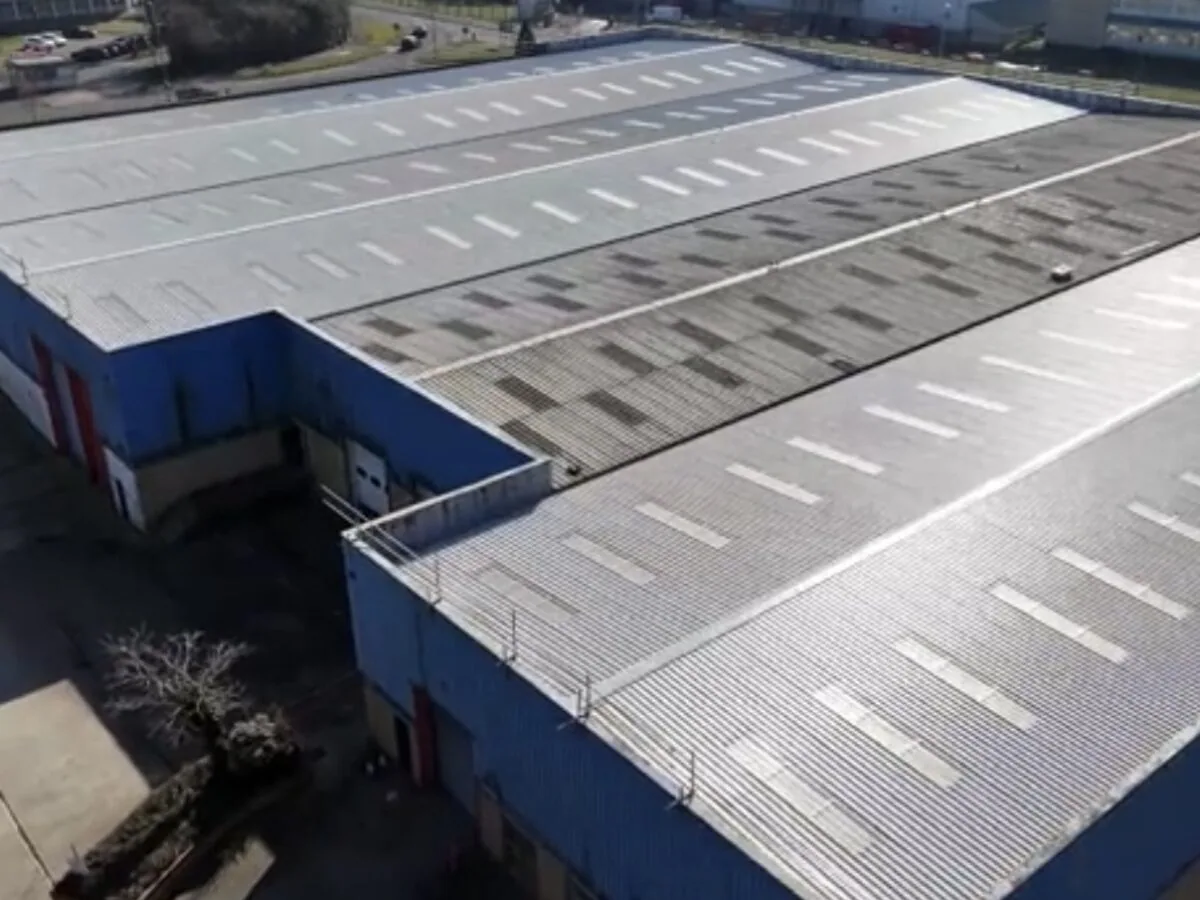
Built-Up Roofing in Newport News, VA
Assess built-up roofing in Newport News for ply separation, aggregate loss, drainage, safe repair and replacement project scope planning.
Home / Roof Systems / Built-Up Roofing
Built-Up Roofing
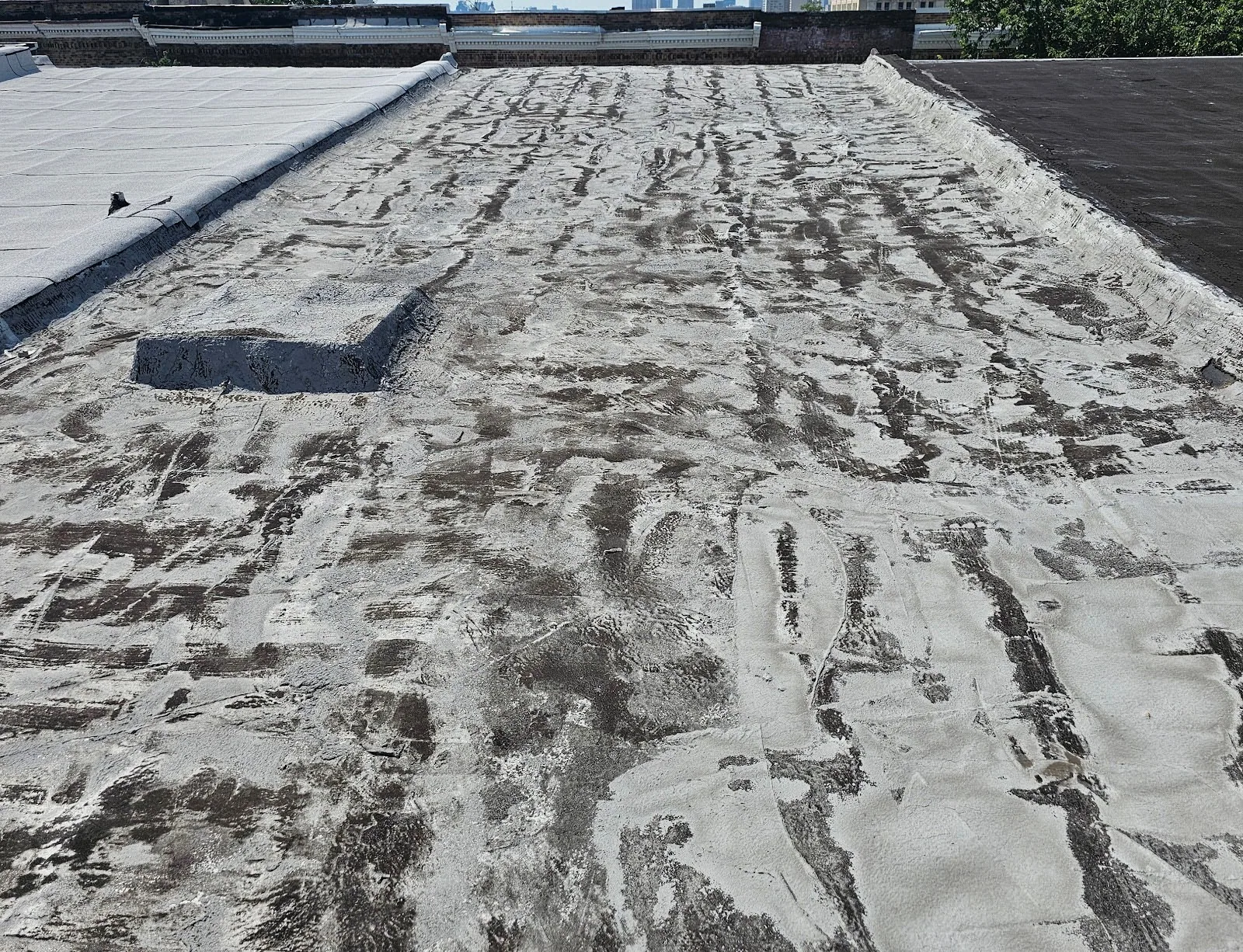
Loose aggregate beside a drain can point to wear, but it does not show how many built-up roof plies remain sound. Built-up roofing in Newport News, VA needs a review of the surface, seams, interply bond, flashing and deck before repair or replacement is priced. We document where water stands, where plies separate and whether insulation may be wet below the visible surface. High rainfall design conditions and recurring freeze-thaw cycles make drainage and transitions useful priorities. A roof near Seafood Industrial Park may also require delivery coordination around marine service work; a property near Greater Oyster Point may have a different operating window.
Surface, Plies and Flashings
A built-up roof combines multiple reinforcing plies with bituminous material and often a surfaced cap or aggregate. We inspect for exposed bitumen, displaced gravel, ridges, blisters, splits and loose flashing. A defect at a drain or wall can allow water between plies, so we trace the likely route and inspect nearby areas rather than patching only the ceiling location. Core samples or other approved openings can confirm the assembly and show whether moisture has reached insulation or deck.
Newport News engineering-weather data records intense rainfall and about 50 average annual freeze-thaw cycles in its historical dataset. Roof outlets, overflow paths and laps deserve attention where water remains after a storm. A roof inspection can mark the conditions and identify test locations. If the roof needs a condition record for budgeting, photographic documentation helps tie each finding to a measured section.
Repairs Across the Roof Surface
The repair depends on which layer has failed. A small puncture through the surfacing may call for a patch that bonds into sound material, while a split at a flashing can require rebuilding the transition. Loose aggregate needs to be cleared where it prevents a secure bond. If plies have separated over a larger area or the substrate is wet, a surface patch may hold briefly without correcting the underlying condition. We describe how far the repair extends and what evidence marks its limit.
Industrial and maritime facilities around the James River can have exhausts, equipment and access routes that affect the roof inspection. The facility contact can identify process areas and safe access. Where water is actively entering, emergency roof service can help protect the interior and define the next repair step. Any temporary repair is documented so it is not mistaken for a completed permanent scope.
A repair also has to account for how the surfacing meets drains, walls, and equipment bases. Aggregate should be moved far enough to expose sound material and create a bondable perimeter, then replaced or protected as the specified system requires. At a raised flashing, inspect the termination and vertical ply bond rather than ending the repair at the horizontal surface. If the work reveals a soft or separated layer, stop at a measurable boundary and record what is open before extending removal. That keeps a small repair from hiding the next weak interface.
Review a Built-Up Roof in Newport News
Share the property address, roof history, visible defects and operating schedule. We will assess the plies, drainage and flashing, then outline a measured scope.
Restore, Recover or Remove
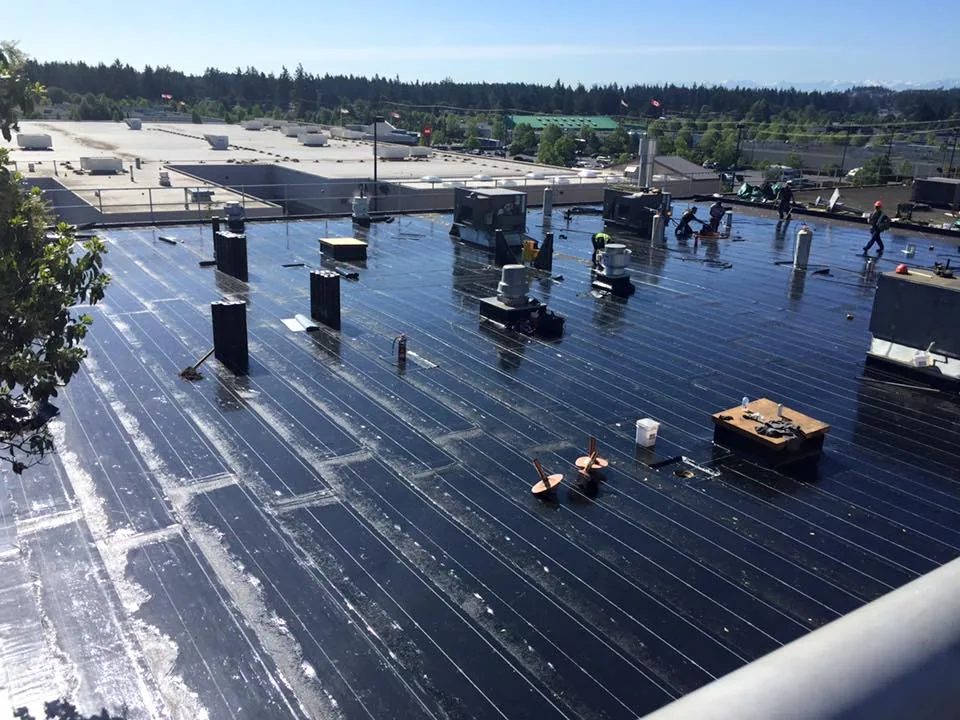
Built-up roofing can sometimes be restored when the plies remain attached and the assembly is dry. A recover may be an option if the roof can carry another layer, drainage remains workable and applicable requirements are met. Removal is more likely when wet insulation, unstable deck, broad interply separation or excessive existing layers are found. We base the recommendation on tests and visible conditions, and identify any concealed areas that cannot be confirmed before work begins.
Newport News building uses range from shipbuilding and manufacturing to office, retail and research. A low-slope roof near Tech Center may have different interior protection needs than a waterfront facility. Compare modified bitumen or EPDM only after reviewing the design, substrate and maintenance requirements. A recover evaluation should include drainage, height and attachment, not only the visible surface.
Layers and Cost Variables
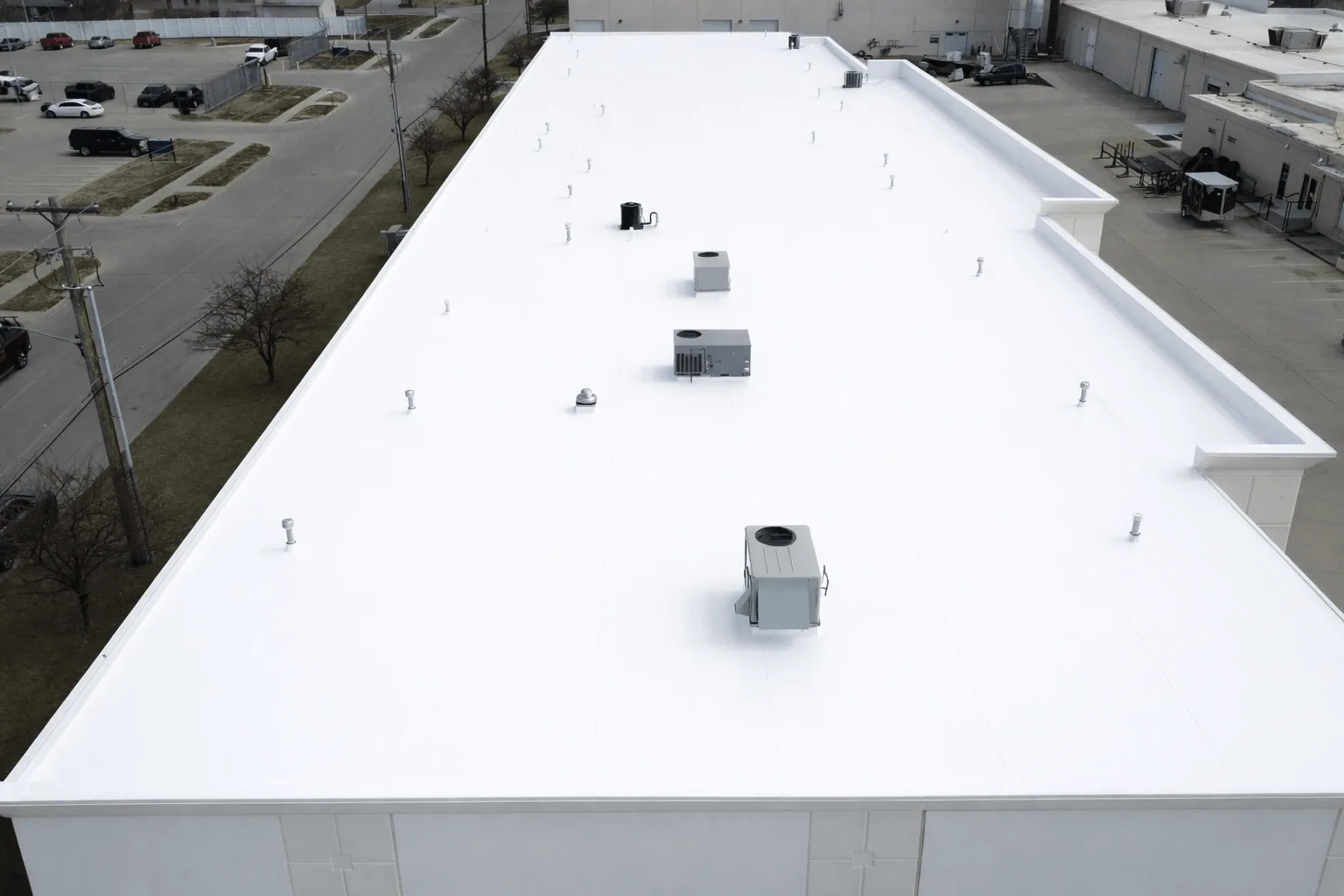
Cost reflects the measured roof area, number of plies, removal method, insulation, cover board, deck repair, flashing, drains, edge metal and site access. Aggregate handling and disposal can add work. If roof layers or moisture are uncertain, testing helps establish a base quantity and note areas that may change after removal. The estimate separates confirmed work from allowances and explains the daily dry-in approach for occupied interiors.
Hauling routes and material staging affect duration at active properties. A facility around Oakland Industrial Park may schedule deliveries around production traffic, while an office near City Center may limit noise or roof access to certain hours. A replacement scope should list tear-off and disposal assumptions. For phased planning across buildings, capital planning can sequence urgent repairs and larger removal work against operating priorities.
Safe Access and Daily Closure
Built-up roof work can involve hot asphalt, adhesives, mechanical removal or other methods selected for the assembly and project. Each carries specific handling and safety needs. We agree on roof access, staging, fire controls where applicable, material lifts and interior protection before starting. The crew limits open area to what can be completed or protected within the shift, then verifies drains and temporary terminations before leaving.
Newport News design weather includes high wind and intense rainfall values, so wind and forecast rain can change handling or tear-off limits. Humid summer conditions also affect work comfort and preparation time. We coordinate deliveries and roof access with shipbuilding, health-care, research and commercial operations. If rooftop units need to stay available, a curb and equipment review can identify protection and service clearances before removal reaches those details.
Records for Future Maintenance
Closeout records should note the roof assembly installed, flashing and drain work, completed areas, repair boundaries and any remaining recommendations. Photographs can show where aggregate was removed or where a transition was rebuilt. The maintenance team should keep the record with roof plans and have future trades protect the membrane around new supports and penetrations. Scheduled checks can focus on outlets, parapets and prior repair locations.
Send the Newport News property address, known roof system, leak history and operating window. We can inspect the surface and assembly, document testing and compare repair, recover or replacement. Include any access requirements near the waterfront or in an active business park when arranging the visit. Use the project contact form to provide plans and prior roof records.
A maintenance visit can note aggregate displaced around drains, new ridges, and areas where the cap sheet has opened. Those observations help separate routine resurfacing from a repair that needs a core sample or removal.
Questions About Built-Up Roofing
How many plies should a built-up roof have?
The existing assembly and project specification establish the ply count. We identify the layers where records or approved testing allow, then compare that assembly with its current condition.
Can you repair a blister in a built-up roof?
A blister can be repaired after we determine its size, bond condition and whether moisture is present. The surrounding plies and surfacing affect how the repair is prepared and closed.
Is aggregate required on a built-up roof?
Some assemblies use aggregate surfacing and others use different protective finishes. The specified system and roof condition guide whether surfacing is repaired, renewed or replaced.
Can built-up roofing be recovered?
A new layer is considered after moisture, deck, attachment, drainage, roof height and code conditions are reviewed. Testing can show whether removal is needed in some sections.
What affects the timing of a BUR replacement?
Tear-off rate, access, material handling, weather, fire controls and daily dry-in capacity all affect the schedule. We phase the work so exposed areas can be inspected and protected before leaving.