Commercial Roof Edge Metal, Coping and Gutter Repair in Newport News, VA
Repair commercial coping, edge metal, gutters and downspouts in Newport News with secure attachment, clear drainage and documented transitions.
Home / Commercial Roofing Services / Commercial Roof Edge Metal, Coping and Gutter Repair
Commercial Roof Edge Metal, Coping and Gutter Repair
A lifted coping cap can open a water path behind the roof membrane before the field surface shows a problem. Our commercial edge metal, coping and gutter service in Newport News, VA begins at the perimeter, where attachment, seams and wall transitions meet. We check the metal, fasteners, cleats, sealant joints, membrane termination, gutters and downspouts, then measure the affected run. Local engineering-weather data records substantial wind and recurring freeze-thaw cycles, both relevant to metal movement and roof-edge detailing. A waterfront property near Downtown and the Yard District may have different access and exposure than an office near Greater Oyster Point, but the repair still depends on the substrate and edge condition at that building. We identify whether the work is a securement repair, new metal, flashing reconstruction or a drainage correction, and describe how the replacement connects to the roof assembly.
Inspect the Perimeter Connection
We follow the edge along parapets, roof-to-wall transitions, rakes, eaves and gutter lines. The inspection checks loose or missing fasteners, separated joints, corrosion, damaged seams, open laps, membrane termination and signs that water has entered behind the metal. We also note the metal profile, substrate, length of affected run and nearby equipment or access limits.
At corners and changes in elevation, we check how water sheds from the cap and whether a joint allows movement without opening. Sealant may be part of a detail, but it cannot replace a secure attachment or sound flashing. If the failure continues into the membrane, we mark the repair boundary and identify the compatible roof material needed to tie the new detail into the field. A broader roof inspection can document related conditions beyond the perimeter.
Wind Attachment and Water Entry
Roof edges see pressure changes and movement that can loosen metal over time. Fastener type, spacing, cleat design, substrate and edge geometry all affect securement. We review the existing detail and project requirements before selecting a repair method. Newport News nonresidential design criteria point to the Virginia Construction Code's structural provisions, so changes to the edge assembly should be checked against applicable design criteria by the project professional.
Water can enter where coping joints open, gutter ends separate or the roof membrane terminates short of the metal. It may travel behind the wall or below the roof surface before an interior stain appears. We photograph the joint, measure the affected section and inspect adjacent flashing and insulation where accessible. At Oakland Industrial Park, industrial building access and deliveries can affect lift placement; at the Seafood Industrial Park, marine-service activity may shape the work window. The repair sequence accounts for site operations while closing the water path.
Repair a Newport News Roof Edge
Share the property address, loose or leaking detail, gutter condition and site schedule. We will inspect the perimeter, measure affected runs and outline metal, flashing and drainage work.
Repair or Replace the Metal
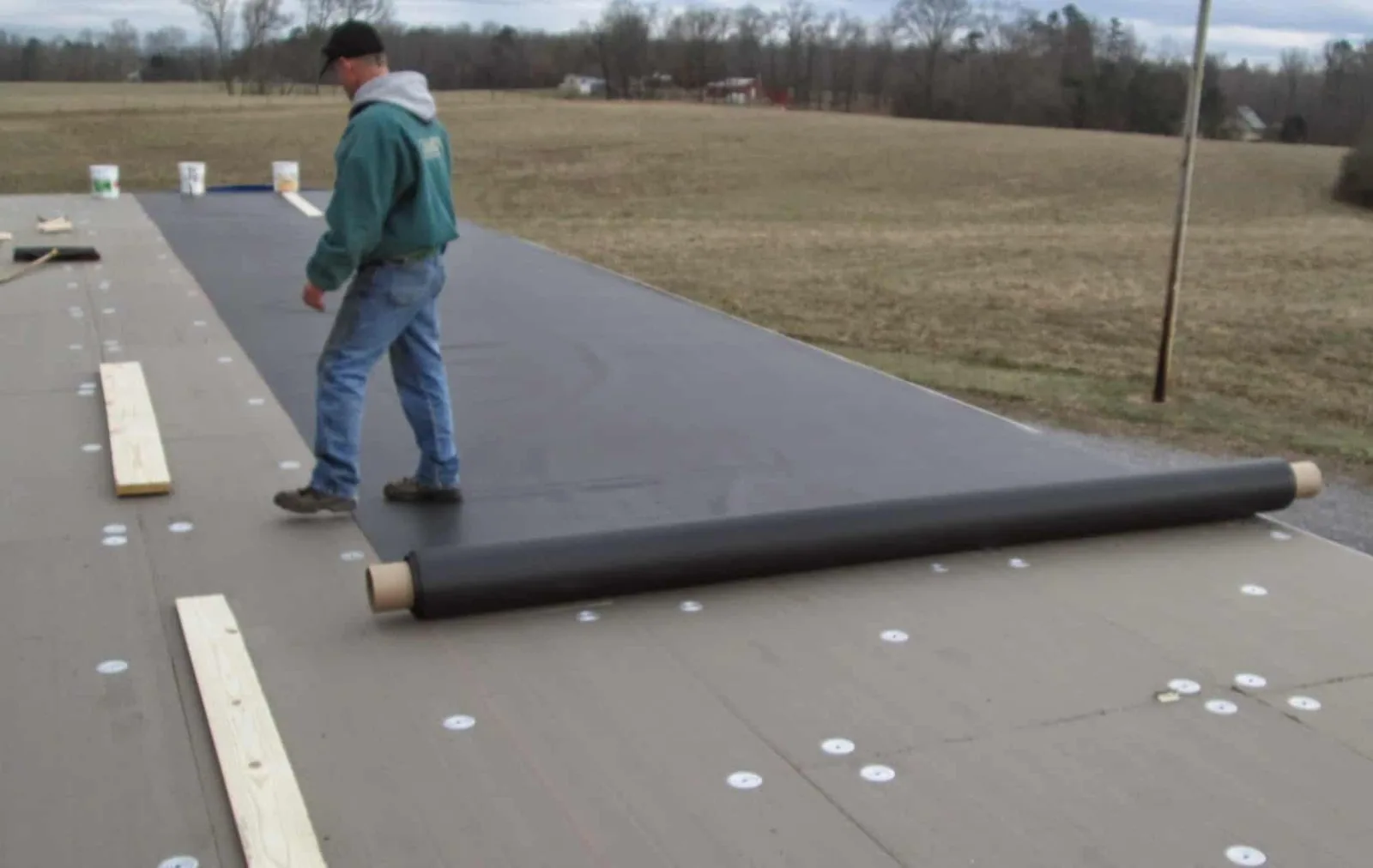
A short loose section with sound metal and substrate may be re-secured if the existing configuration supports a durable repair. Corroded, distorted or repeatedly opening joints may call for replacement of a measured run. We remove failed material as needed, inspect the substrate, restore the membrane termination and install metal that fits the assembly. Corners, end dams, splice plates, cleats and transitions need to be included so a new section does not stop at the first obvious opening.
Metal selection follows profile, exposure, compatibility and the roof system. Dissimilar metals can corrode when they contact under wet conditions, and fasteners need to suit the substrate. If gutters or downspouts are included, we check their slope, connections, outlets and discharge route. A standing-seam roof uses different edge details than a membrane roof, so compare metal roof edge conditions with the assembly installed at the site. For a membrane-to-wall transition, a flashing detail scope can address nearby curbs and penetrations separately.
Gutters and Downspouts
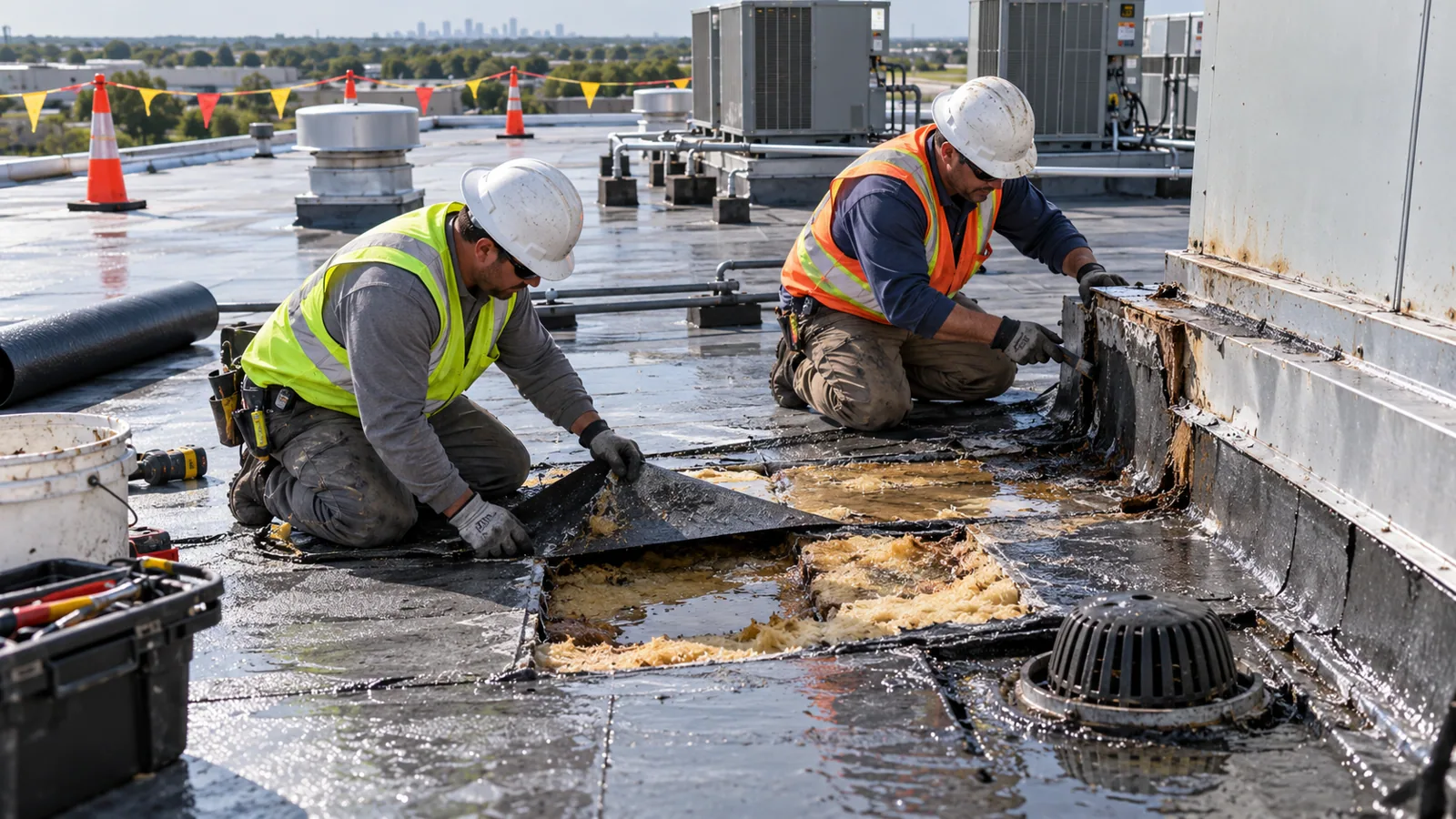
Gutters need a clear path from roof edge to outlet. We look for debris, sagging, open seams, disconnected leaders, corrosion and signs of overflow at corners or end caps. Downspouts should discharge where the building can manage runoff without sending water into a wall, entry or loading area. If the outlet is blocked or poorly aligned, replacing a short gutter section may not resolve the condition. The inspection notes the entire route that affects the repair.
Newport News local engineering data includes intense design rainfall. That makes gutter capacity, overflow and discharge points useful items to document, particularly where the building has a history of water near the perimeter. A roof drain and scupper review can assess interior outlets and secondary drainage alongside gutter work. We distinguish clearing, repair and capacity changes because each calls for different authorization and design review.
Measure Runs and Transitions
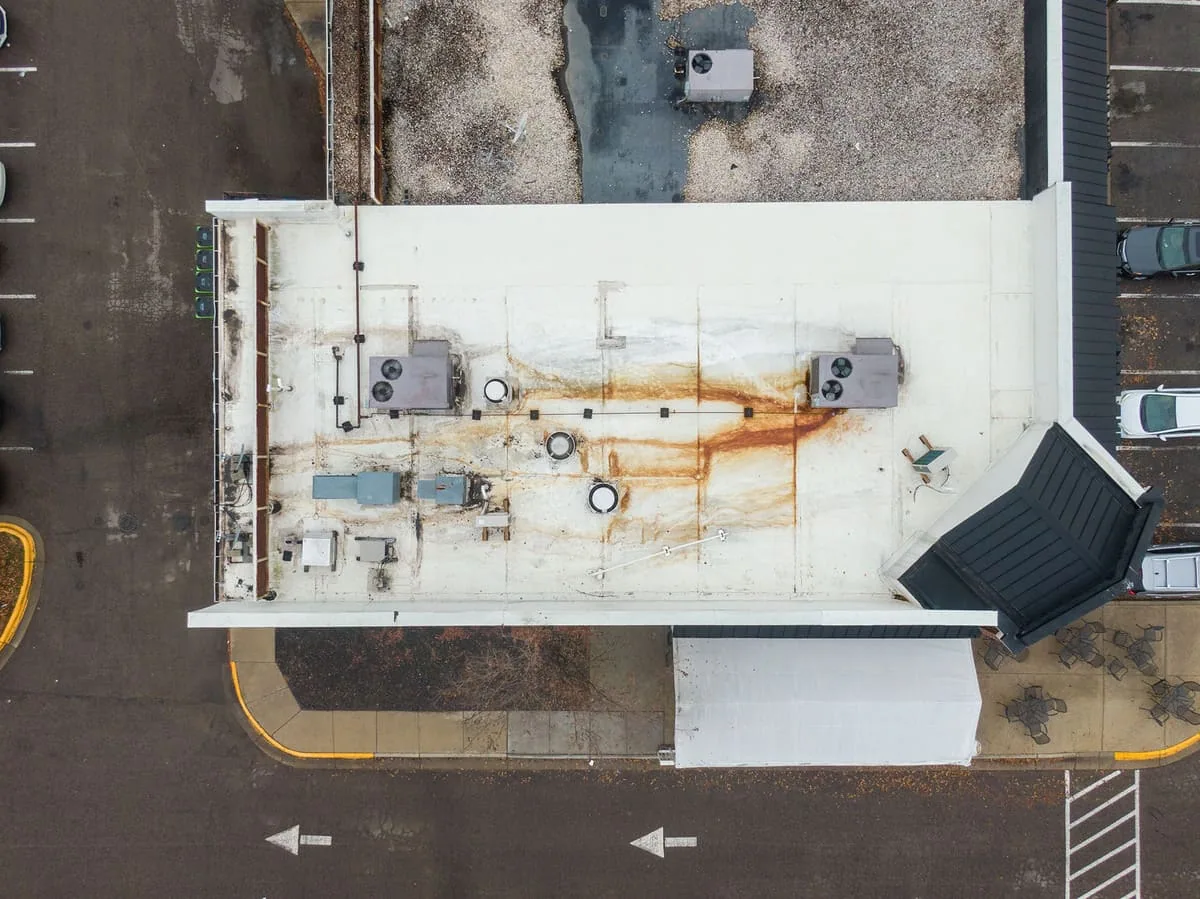
Edge work is priced by the length and complexity of the affected runs, material, access, substrate repair, corners, joints, end conditions, gutter sections and the need to protect occupied areas. A short detail can require substantial setup if the roof is high, the edge is near traffic or a lift must be staged around operations. The scope should list metal profile, finish, attachment method and membrane tie-in. Concealed wood blocking or deck damage is identified as a separate condition if it appears during removal.
For a larger property near I-64 or the James River, perimeter work may need to proceed in sections to keep loading, entrances and tenants in service. We coordinate the sequence and list any shutdown or access window that changes labor. If the edge failure is part of a larger roof replacement, we can price the metal with the full assembly; if it is isolated, a measured repair may be enough. A photo report can show each edge segment and distinguish urgent loose metal from later capital work.
Safe Access Along the Building
Perimeter work may require a lift, scaffold, controlled pedestrian route or roof access from inside the property. We confirm ground clearance, overhead utilities, loading docks, entrances and any area that must remain open. The facility contact provides security procedures and identifies delivery windows. If a gutter empties above an active walkway or dock, temporary controls may be needed while the connection is repaired.
Weather affects sealant, coating and metal installation. Rain on a wet substrate can prevent a reliable bond, while strong wind can make edge handling unsafe. Newport News summer heat and humidity add cure-time considerations, and recurring freeze-thaw cycling can stress joints. We select a work window that fits the detail and protect completed work before leaving.
Questions About Commercial Roof Edge Metal, Coping and Gutter Repair
Can loose coping be screwed back down?
That depends on the cleat, substrate, metal condition and design requirements. We inspect the connection and state whether re-securement or replacement is appropriate before installing fasteners.
Why does water enter at the roof edge?
Open joints, failed membrane termination, loose cleats, damaged flashing or a blocked gutter can each create an entry point. We inspect the connected details and trace the water path instead of sealing only the visible seam.
Can you replace gutters without replacing the roof?
Yes, when the gutter connection and adjacent roof edge can be integrated with the existing assembly. We measure the affected sections and include any membrane or flashing repair needed to maintain a continuous transition.
How do you protect entrances during edge repairs?
We review lift placement, pedestrian routes, loading areas and access hours with the facility contact. The work plan identifies controlled areas and any temporary protection needed below the roof edge.
Will new metal stop all roof leaks?
A metal repair addresses the perimeter condition included in its scope. If water enters at another detail or wet insulation extends beyond the edge, we document that separately and recommend the next inspection or repair.
Related Roofing Work