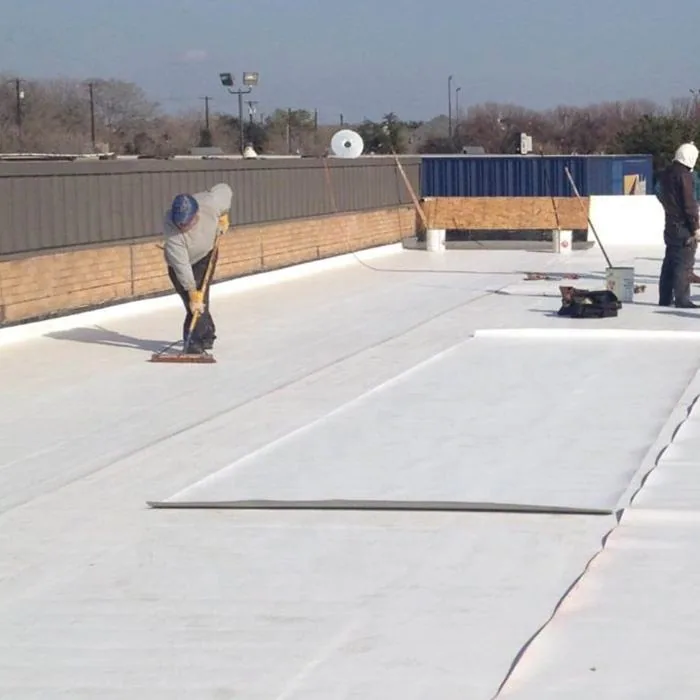
Acrylic Roof Coatings in Newport News, VA
Review acrylic roof coating restoration in Newport News, including drainage, surface preparation, membrane repair and weather timing.
Home / Roof Systems / Acrylic Roof Coatings
Acrylic Roof Coatings
A reflective finish can reduce solar exposure, but it only works as part of a sound roof assembly. Acrylic roof coatings in Newport News, VA may suit certain prepared surfaces where drainage and exposure fit the product requirements. We inspect the existing membrane, repairs, seams, ponding, substrate and flashings before recommending a coating. Summer heat and humidity affect the application window, and heavy rainfall makes surface drainage relevant to the choice. Offices, research facilities and retail buildings around Greater Oyster Point and City Center have different access needs from marine and fabrication properties near Seafood Industrial Park. The building condition determines whether coating is a useful restoration path.
Surface Readiness and Moisture
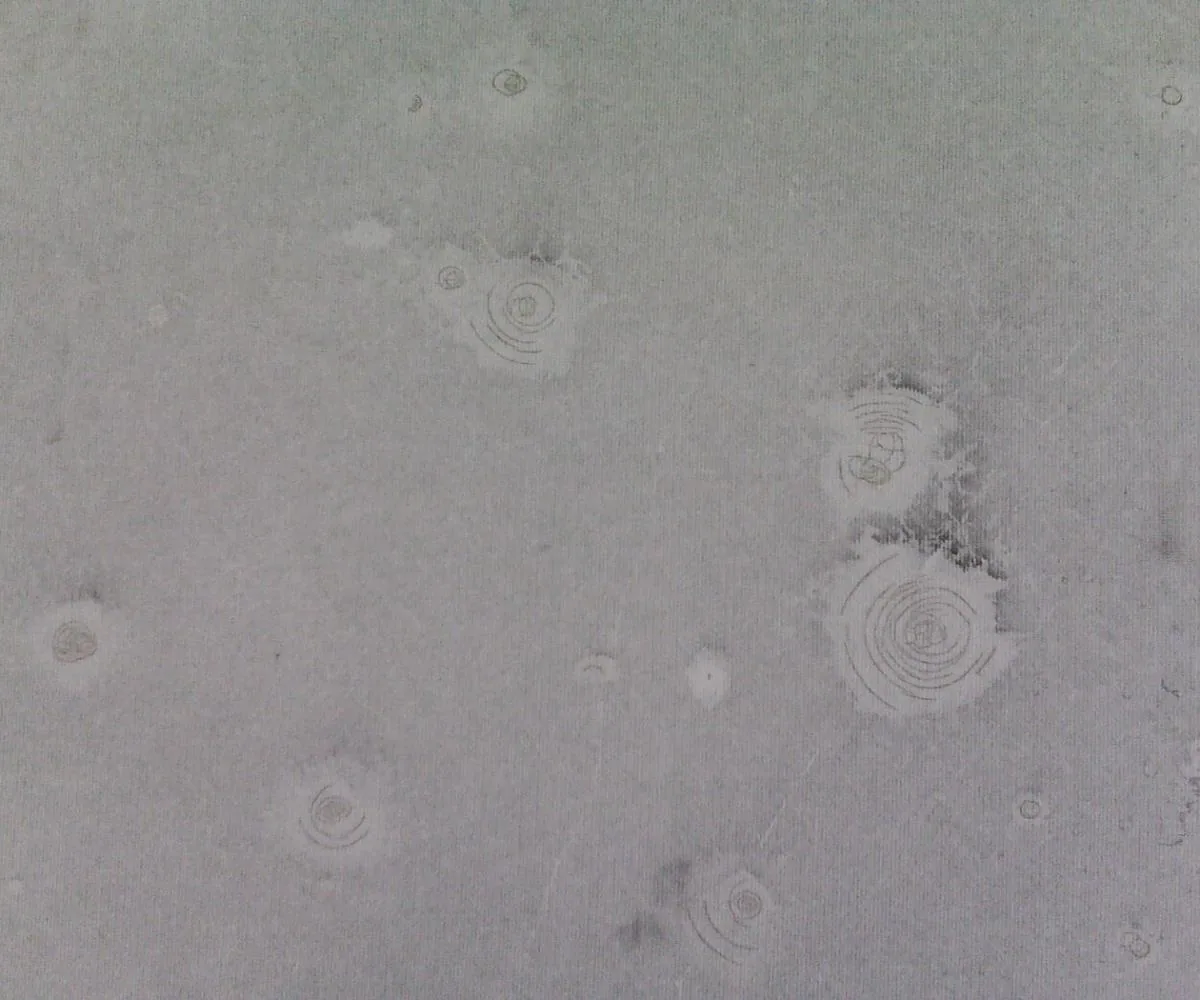
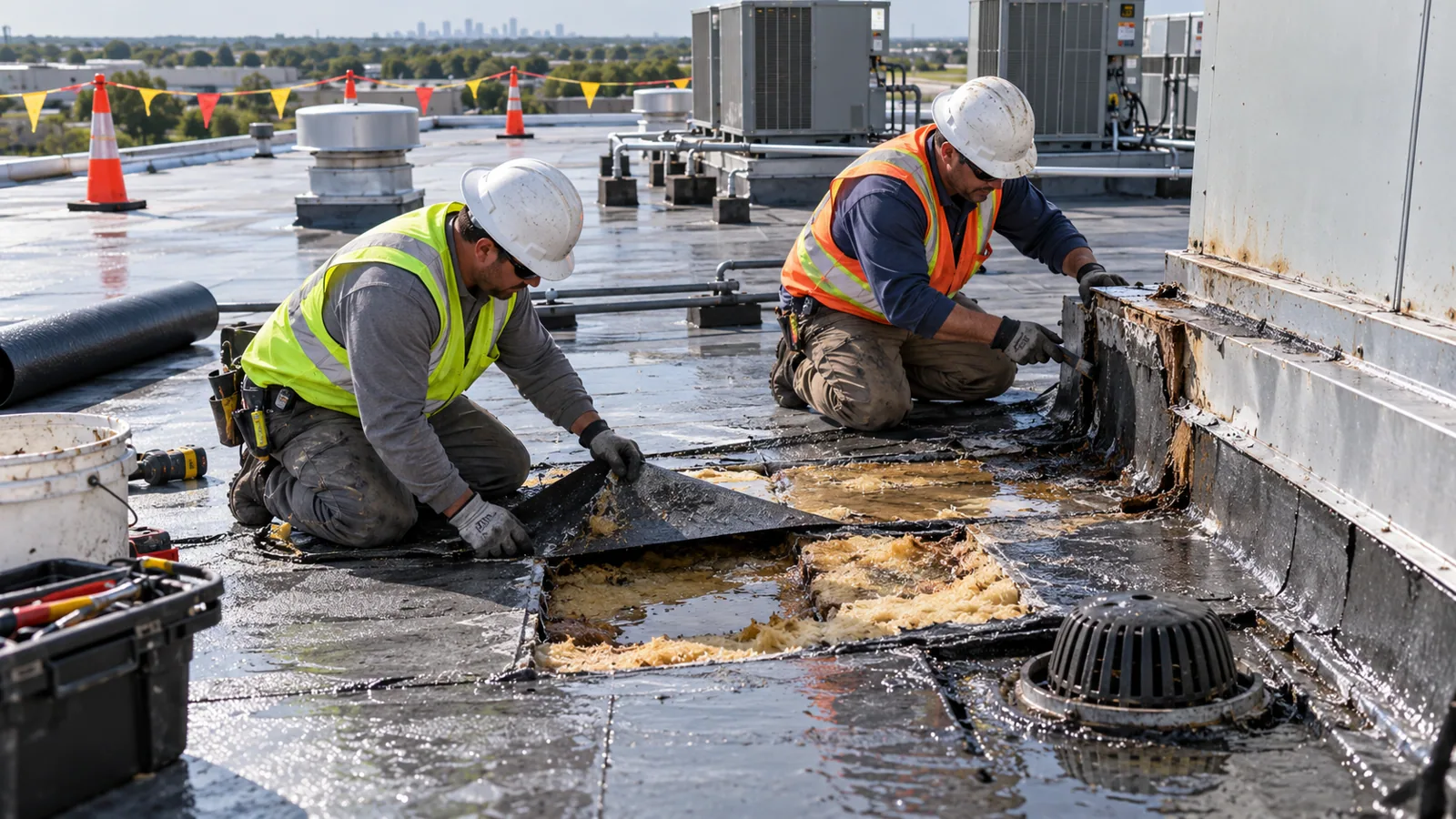
Acrylic coating needs a compatible, clean and properly prepared surface. We look for loose membrane, open seams, coating delamination, blisters, rust, wet insulation and contaminants that could weaken adhesion. Repairs come before broad application. If ponding persists, the owner should understand that coating does not change the roof slope or clear a blocked outlet. We identify the areas that can receive material and the locations where testing or removal is still needed.
Newport News engineering-weather data reports intense design rainfall and recurring freeze-thaw cycles. Those conditions make drainage and flashing details worth reviewing before restoration. A roof inspection can mark surface defects and water paths; infrared moisture testing may help identify suspect wet areas when conditions permit. Any test result is interpreted with visual inspection and, where appropriate, direct verification.
Acrylic, Silicone or Replacement
Acrylic coatings can provide a reflective finish on compatible, well-prepared roofs. Their suitability depends on the existing surface, exposure, slope, weather and product requirements. Persistent ponding may call for a different assessment, while broad membrane failure or wet insulation can make coating inappropriate. We compare restoration with repair, recover and removal after confirming what is under the surface. The scope includes surface preparation, repair details, coats and the expected maintenance steps.
For roofs exposed to extended ponding, compare silicone coating after reviewing the manufacturer limitations and roof condition. If foam is part of the assembly, a spray foam roof review needs to address the foam and its protective coating together. Near Tech Center, research and office schedules can limit roof access, while retail operations along the Patrick Henry Corridor may affect deliveries and lifts.
Review Acrylic Roof Restoration
Share the Newport News address, roof type, leak history and operating hours. We will review surface condition, drainage and repairs before pricing a coating option.
Repairs Before Coating
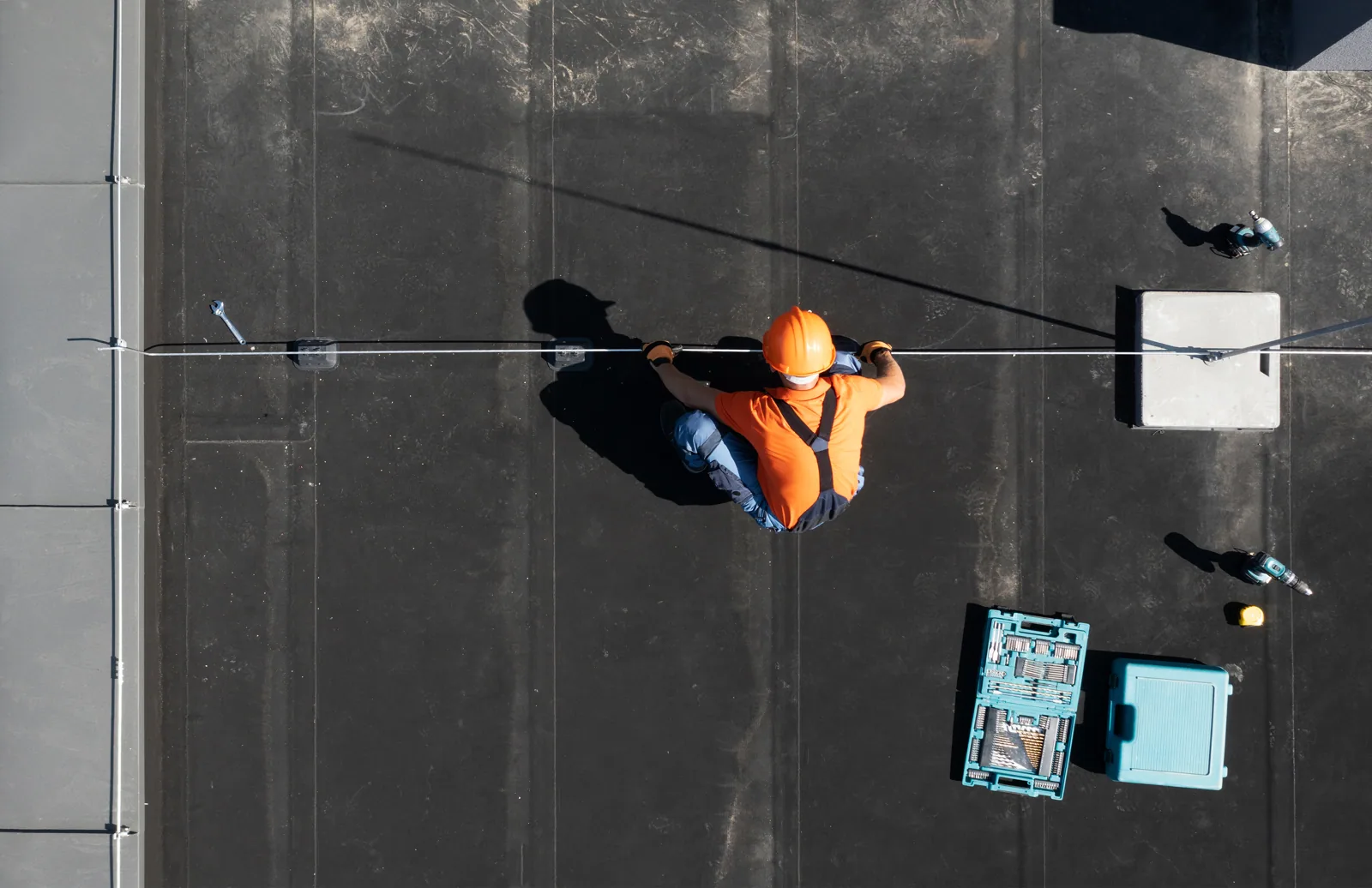
We repair openings at seams, curbs, drains, parapets and penetrations before coating a broad field. Metal edges may need corrosion treatment or replacement, and loose material must be removed to reach a stable surface. The product system may call for primer or reinforcing fabric at transitions. If a repair would leave incompatible materials beneath the coating, we identify that boundary and confirm the right detail before proceeding.
Newport News has a maritime and shipbuilding economy with active equipment and service routes. Rooftop trades can create punctures and traffic paths that need repair before restoration. At properties around Tech Center, equipment access and sensitive interior functions can also influence protection. A drain and scupper check can include outlet flashing and debris, while a perimeter detail review can cover coping, gutters and edge transitions.
Application Area and Cost
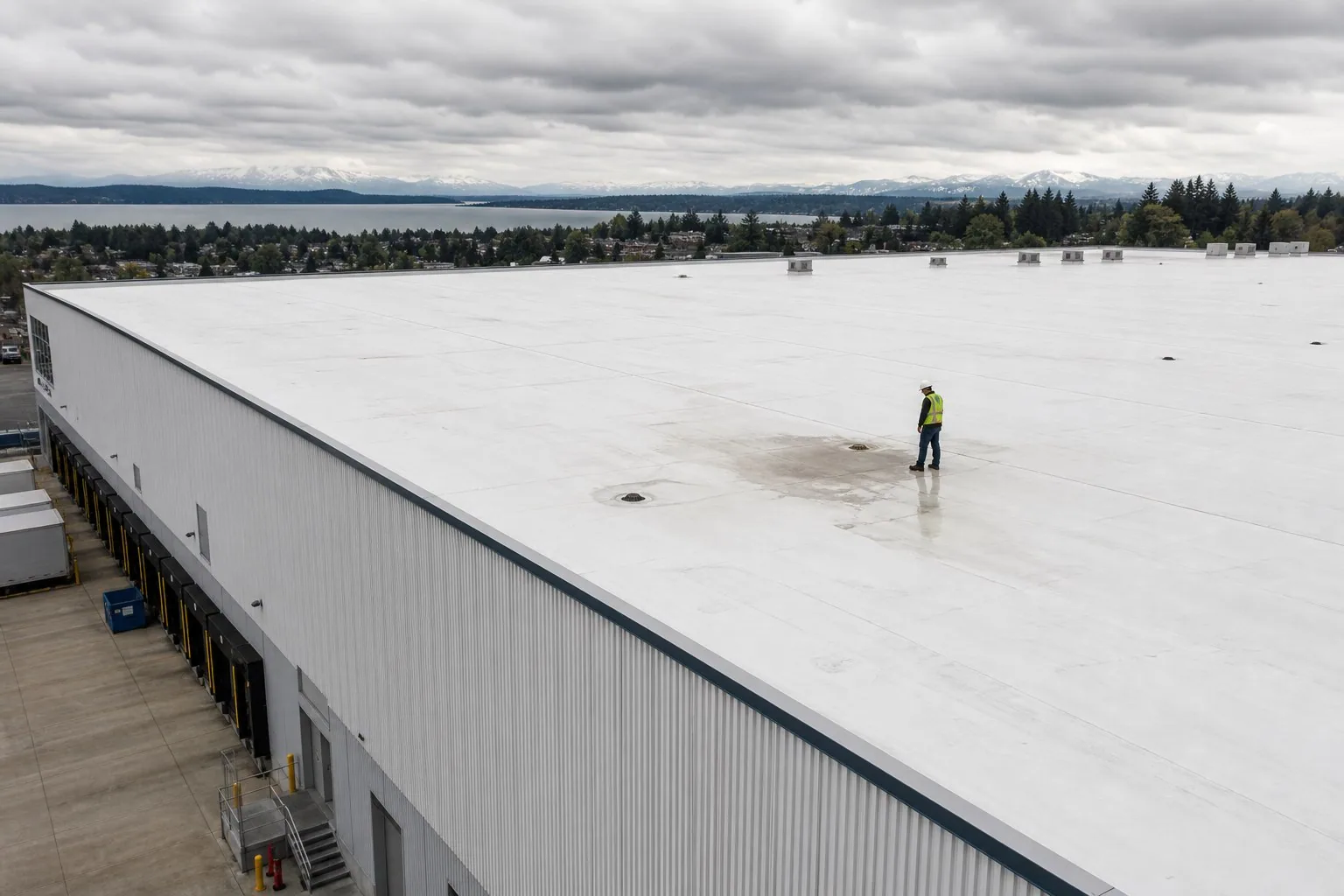
Cost drivers include measured surface area, coating thickness, cleaning, primer, repair quantities, reinforcement, lift access and the number of work visits. Wet insulation or loose membrane can require removal and replacement before a coating is installed. The estimate should show preparation separately from coating material, and it should state what happens if testing finds a larger repair area. That lets the owner compare the cost of restoration with replacement on the same roof conditions.
Summer humidity, surface temperature, dew and forecast rain affect application and cure. Wind can change whether spray equipment is suitable and how adjacent areas are protected. If restoration must be split into phases, we identify section boundaries and how crews will reach each one. A roof restoration scope can include measured areas and repairs; a replacement comparison should identify removal, dry-in and concealed conditions.
Before mobilization, we can review roof plans and prior coating records, mark drains and equipment routes, and set a protected staging area. The work sequence should identify who can approve a change if surface preparation reveals loose membrane or wet insulation. This avoids applying material over a condition that should first be repaired.
Weather and Occupied-Site Planning
Application requires a clean, dry surface and conditions within the coating system's limits. We review forecast rain, humidity, dew and temperature before preparing each section. Air intakes, equipment and nearby surfaces may need protection. The facility contact identifies delivery windows, tenant notices and rooms where odor or noise needs attention. We set a daily boundary that can be completed and left secure before conditions change.
Newport News sites range from industrial operations to healthcare, office, research and retail uses. Around Oyster Point, occupants and equipment can set specific hours; at a waterfront property, access procedures or deliveries may have priority. We coordinate the roof route and protect completed areas from trade traffic. If water is entering before coating can begin, our emergency repair team can review temporary protection and safe next steps.
Acrylic application needs a dry surface and a forecast window that allows each pass to cure before rain or heavy dew. We divide the roof into work areas small enough to protect at the end of a shift, then check edges, seams, and penetrations before coating them. Shaded areas may dry at a different rate from exposed sections, so a single clock time does not establish that the whole roof is ready for the next coat. The site record should identify the coated zones and any area deferred for moisture, repairs, or weather.
Care After Application
Closeout records should list the coating product, preparation, repairs, application sections, drainage observations and maintenance instructions. Photographs document the finished boundary and any locations that were excluded. Facility staff should keep service trades from dragging equipment over the surface and report any puncture before water reaches the underlying membrane. Periodic checks can catch wear, debris and outlet blockage early.
Send the Newport News address, existing roof type, known leak locations and operating schedule. We can inspect the surface, verify the condition and compare coating with other repairs. Include records of prior coatings and site restrictions if available. Use the project contact form to request a measured evaluation.
Questions About Acrylic Roof Coatings
Is acrylic coating suitable for a flat roof?
The existing roof, drainage, ponding, substrate and product requirements determine suitability. We inspect the assembly and identify repairs or tests before recommending a coating.
Can acrylic coating be used in standing water?
Acrylic products have specific exposure limits, so persistent ponding needs to be assessed first. We review slopes and outlets and compare other restoration choices when needed.
Does a coating fix a leaking roof?
A coating may restore a compatible surface after leaks and details are repaired. We trace the water path and correct failed seams, flashings or wet areas before covering the field.
How should a roof be prepared for acrylic coating?
Preparation can include cleaning, drying, removal of loose material, repairs and primer. We follow the selected product system and document which roof areas are ready.
Can you coat while a building is occupied?
Work can often be planned in sections, subject to air intakes, access, noise, odor and weather limits. The facility contact helps set a workable window and protection plan.