Drone Roof Inspection in Newport News, VA
Use drone roof imaging in Newport News to document large or hard-to-access areas, prioritize follow-up and plan hands-on inspection safely.
Home / Commercial Roofing Services / Drone Roof Inspection
Drone Roof Inspection
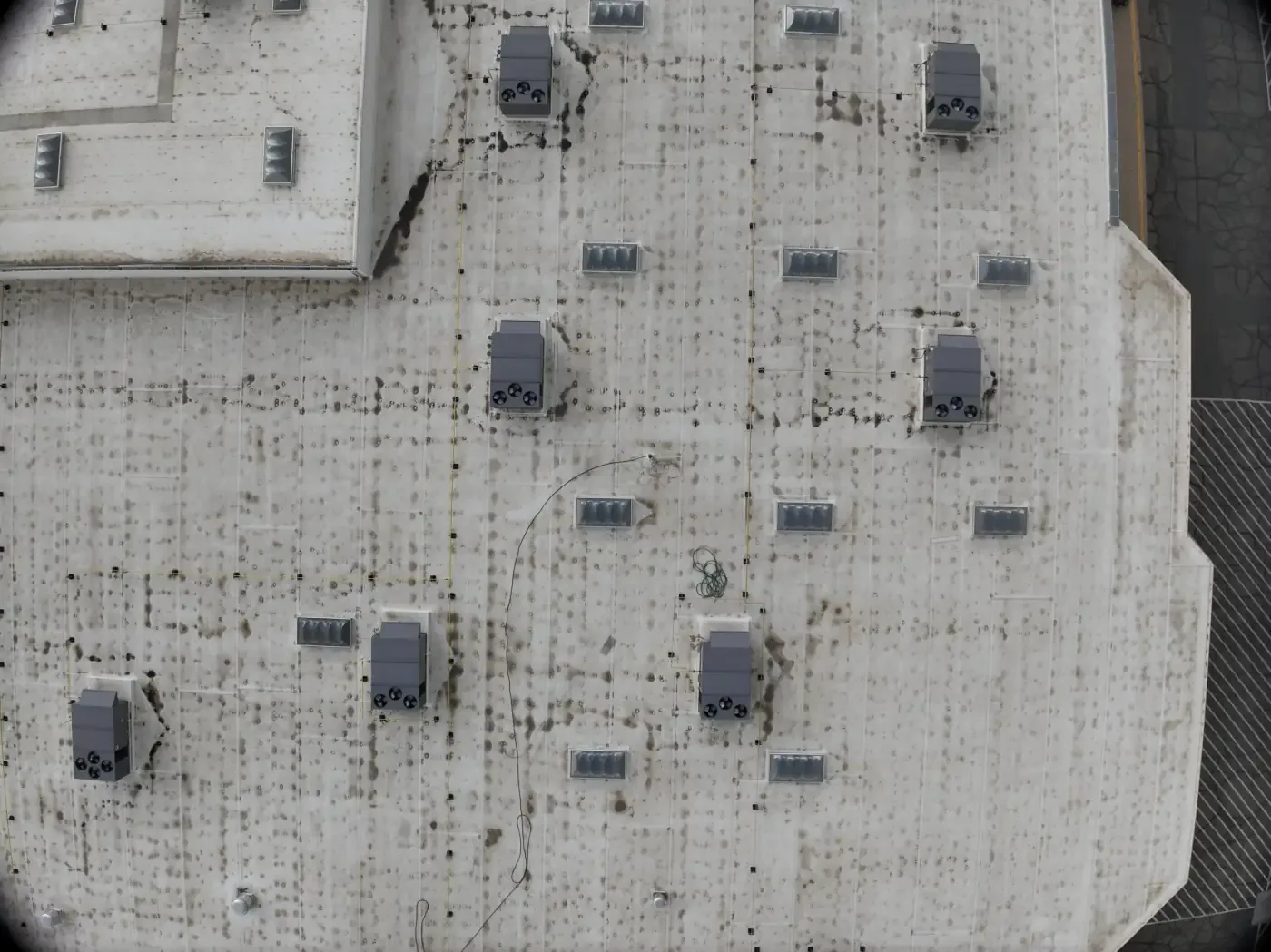
Tall parapets, rooftop equipment and a broad roof field can make a first look difficult to complete from one access point. A drone roof inspection in Newport News, VA captures overhead images of selected areas so owners can review visible conditions and plan the next step. We use the imagery to document roof sections, locate areas that need closer examination and communicate what the camera can and cannot establish. It does not reveal hidden moisture, confirm attachment below the surface or replace a hands-on inspection of seams and details. For a property near Oakland Industrial Park or along the Patrick Henry Corridor, overhead views can help orient a facility team to roof zones before arranging close inspection. The report ties images to locations and identifies questions that require safe roof access, moisture testing or repair measurement.
What Aerial Images Can Show
From above, the camera can document broad membrane areas, roof layout, ponding patterns visible at the time, debris, apparent patch locations, equipment clusters and transitions around rooftop features. The images can help compare sections or record the condition after a storm or before a capital project. We label the images by roof zone and date so the owner can discuss a specific location with the property team. Image quality depends on lighting, wind, flight restrictions, building geometry and whether objects cast shadows across the surface.
Newport News includes maritime manufacturing, offices, research, healthcare and retail districts. A drone image set of a shipyard support property or a City Center office can help the facility manager establish which roof areas need a closer look. Near the James River, wind exposure can affect flight and visibility; airport-controlled airspace and local restrictions also shape where and when a flight can occur. We confirm the location and operating conditions before scheduling. No image should be treated as proof of a defect when the roof detail is not clearly visible.
The Limits of the Camera
Aerial images show surfaces, not the full roof assembly. They cannot confirm the condition of insulation, deck, fasteners, concealed flashing or the underside of a membrane. A dark area may be moisture, dirt, shadow or a surface variation; an image alone cannot decide which. A camera may also miss a small puncture at a curb, an open seam under equipment or a failing drain connection hidden by debris. If imagery suggests a concern, we mark it for a hands-on visit or test rather than writing a repair quantity from pixels alone.
For suspected wet insulation, infrared and core-cut moisture testing can provide a separate evidence set. For a complete condition review, our hands-on commercial inspection checks accessible seams, flashings, drains, roof edges and equipment details. Those services answer different questions. Combining them can be useful when the owner needs both a broad visual map and confirmation of specific roof conditions.
Plan a Drone Roof Survey
Send the property address, roof question and operating schedule. We will review access and flight conditions, then explain whether drone imaging or a hands-on visit best fits the decision.
A Flight That Fits the Property
We begin with the address, roof height, access conditions, flight restrictions, site operations and the decision the images need to support. A drone flight requires safe takeoff and landing space and clear separation from people, traffic and active work. The facility contact should identify sensitive operations, security rules, occupied areas and a time when the roof perimeter can be controlled. Airspace restrictions near an airport or military installation may limit the flight or require coordination, so the schedule is confirmed only after the location is reviewed.
In Greater Oyster Point and City Center, office and research properties may have equipment and tenant schedules to coordinate. At Downtown and the Yard District, shipyard, port and waterfront activity can add security and operating limits. We set the image route to capture the target roof zones without interrupting business more than necessary. If flight conditions are not suitable, we explain the limitation and recommend a ground or hands-on inspection route.
Images With a Decision Attached
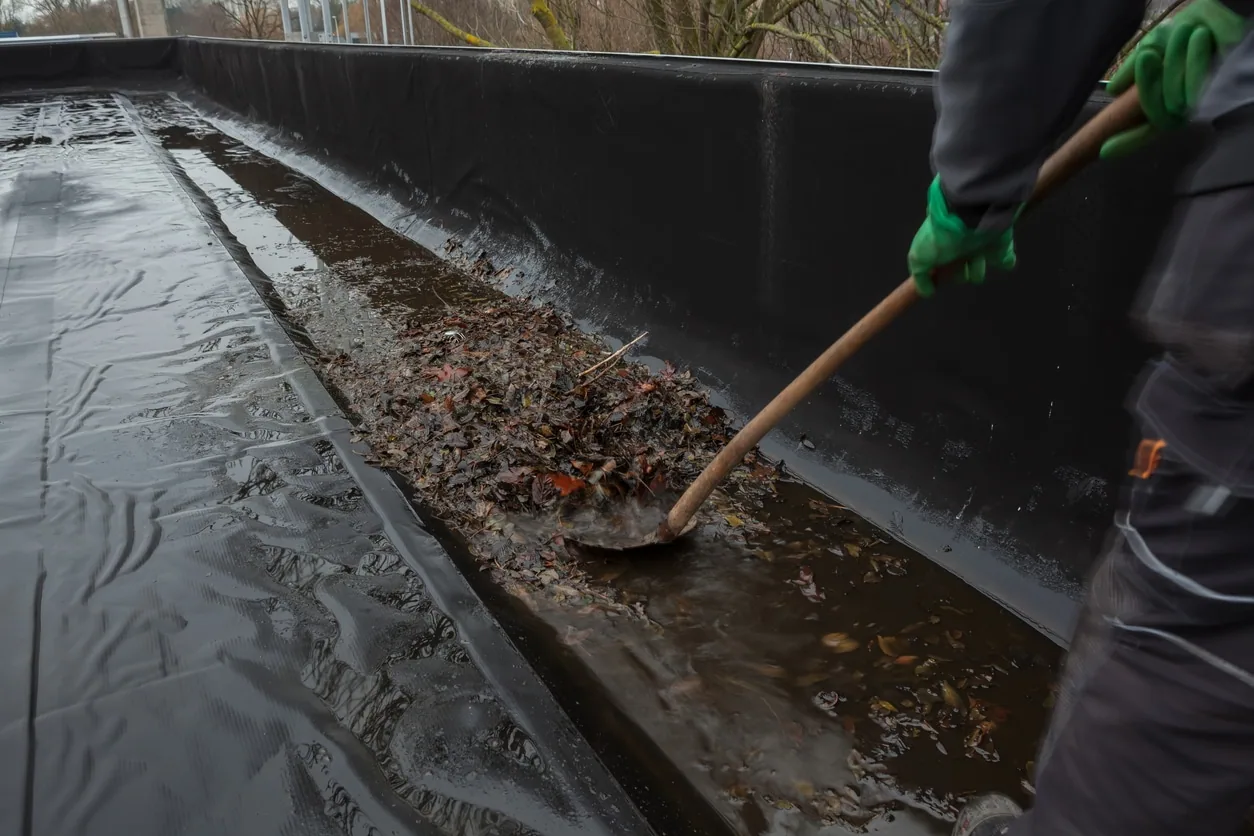
A useful drone report is organized by roof area, not delivered as an unlabeled folder of pictures. We identify visible observations, note image limitations and point out locations for follow-up. The report can support a maintenance review, post-weather documentation, a buyer's initial look or planning for a hands-on visit. It should not state that hidden layers are dry or that a roof is sound merely because the surface looks uniform from above.
Newport News local engineering-weather data records strong wind and heavy design rainfall. Those conditions make imagery of edges, drains and broad surface areas useful as a starting record, while the inspection team still needs to verify attachment, outlet condition and concealed layers directly. A roof condition report can bring drone images together with ground observations and repair priorities. If a leak is active, aerial documentation should not delay temporary protection or water-path tracing.
Before flight, we agree which views will help answer the owner's question: the overall roof layout, the perimeter, drainage points, rooftop equipment or a reported area. The route then captures each zone with enough context for the facility team to orient the image. If airspace, wind or site rules limit a view, the report identifies the uncovered area and proposes a ground or hands-on check. An omitted angle should never be mistaken for a confirmed clear roof condition.
Choose the Right Next Visit
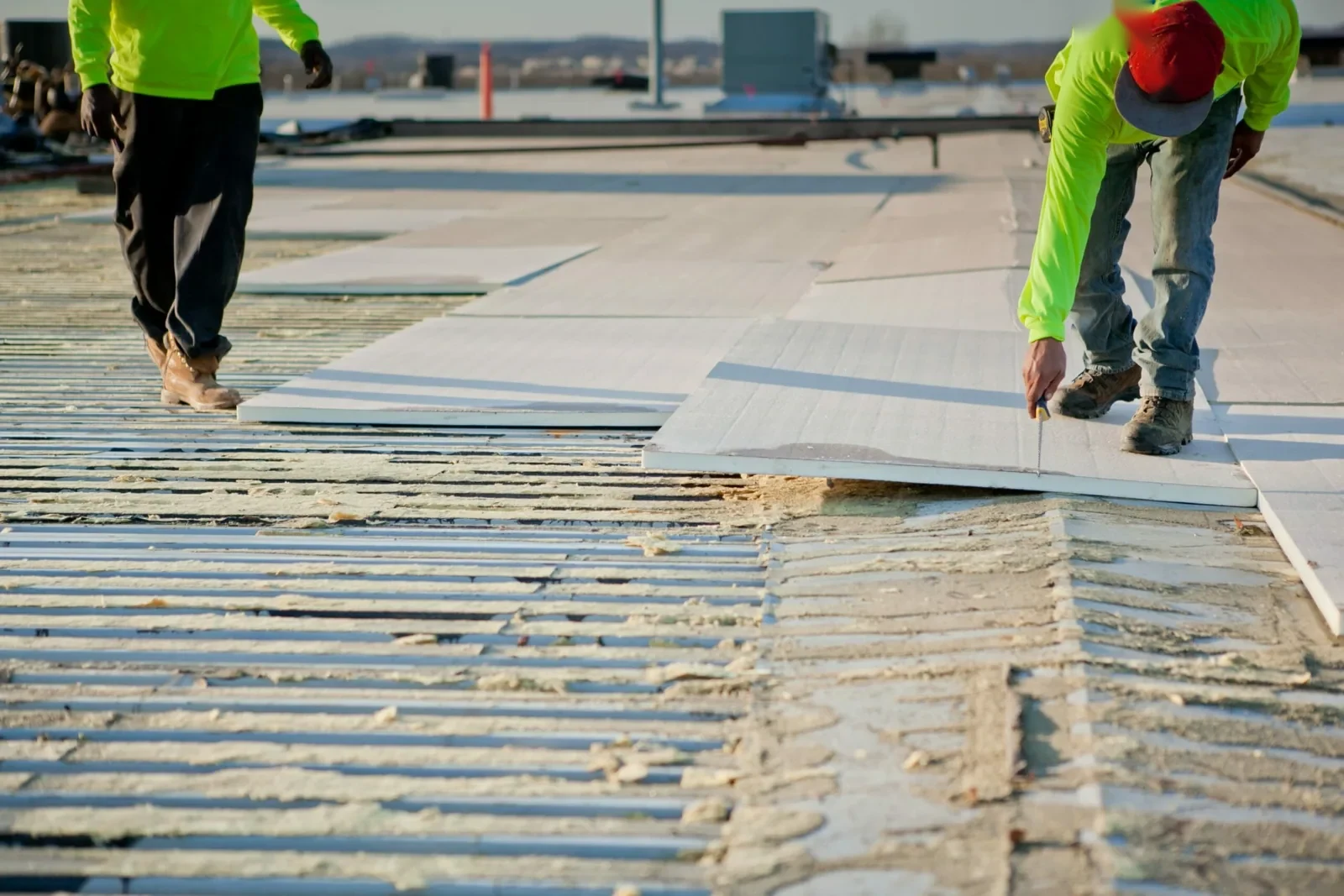
Drone imaging works best when the owner has a concrete question: which zones need close inspection, where is visible debris collecting, or what does the roof layout look like before a larger project? It is less useful when the decision depends on hidden moisture or precise repair quantities. We will state whether the images answer the question and identify where another method is needed. If access, wind, rain or airspace restrictions prevent a safe flight, we will explain the reason and suggest an alternate inspection.
Share the property address, roof concern and preferred work window. Tell us about site access, nearby operations and any area that should not appear in images. We can plan a flight, label the visible findings and recommend follow-up where necessary. For a facility in the Seafood Industrial Park, the site contact can identify vessel-service activity and safe perimeter conditions. A hands-on inspection remains available when the next decision depends on seams, flashing or substrate condition.
Questions About Drone Roof Inspection
Can drone images confirm a roof is leak-free?
No. Images document visible surfaces and layout but cannot confirm hidden moisture or every seam and penetration. We recommend hands-on inspection or testing when the decision depends on conditions below or between visible surfaces.
Can you fly near Newport News/Williamsburg International Airport?
The address and current airspace restrictions determine whether a flight is permitted and what coordination is required. We review the location before scheduling and will recommend another inspection method if flight cannot proceed safely.
Will the drone inspect rooftop equipment and drains?
The images may document visible equipment clusters and drain locations, but they do not replace close inspection of connections, curbs or outlets. We identify those details as follow-up items when a camera angle cannot establish their condition.
How are the images delivered?
We organize images by roof zone and describe visible observations, limitations and recommended follow-up. The report is meant to help the facility team locate areas for inspection or maintenance, not stand alone as an engineering determination.
When should I request a hands-on inspection instead?
A roof walk is needed when you need measured repair quantities, seam or flashing review, access to equipment details, or evidence about hidden moisture. Drone imagery can help plan that visit but cannot provide those findings by itself.
Related Roofing Work