Commercial Hurricane Damage Roof Repair in Newport News, VA
Commercial hurricane roof inspections and repairs in Newport News, VA, with clear documentation of wind, rain intrusion, roof access and repair scope.
Home / Roof Damage Repair / Commercial Hurricane Damage Roof Repair
Commercial Hurricane Damage Roof Repair
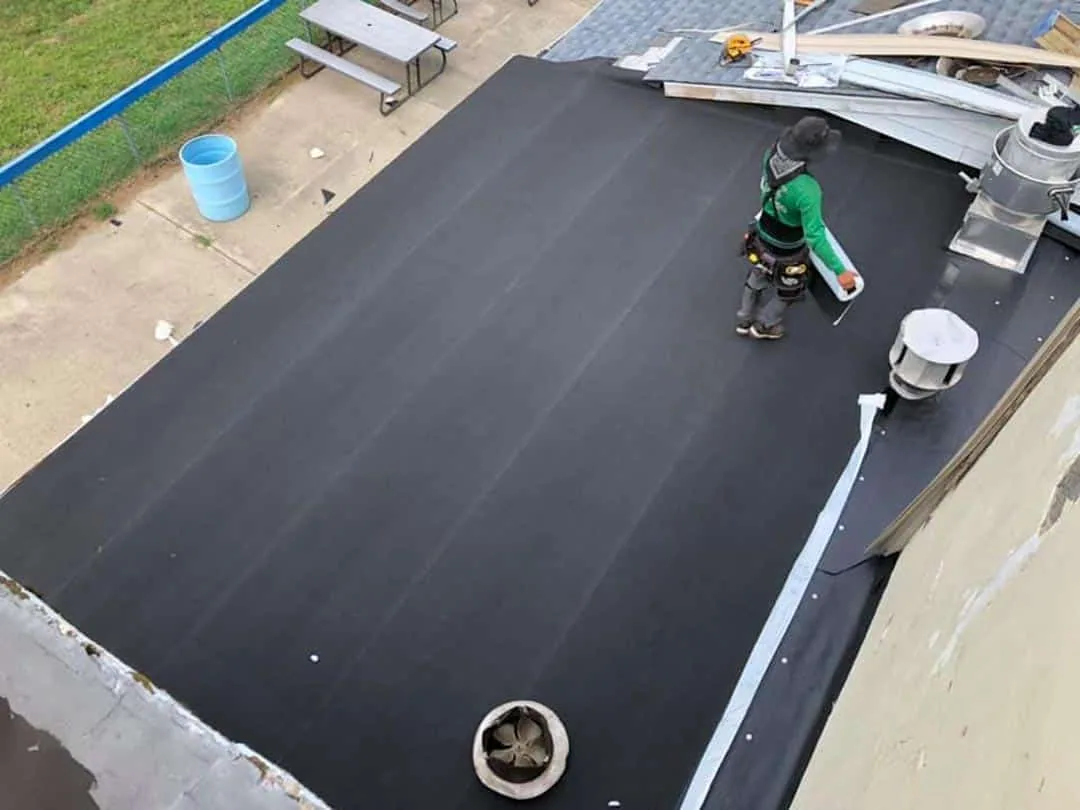
After a hurricane, the roof may have lifted edges, opened seams, punctures or water trapped under the membrane. In Newport News, VA, we inspect each affected area and document visible conditions before setting the repair boundary. The visit separates urgent water control from permanent work and identifies where testing is needed to confirm concealed moisture. An event name alone does not tell us which roof components failed.
Hurricane Isabel affected Newport News and the lower Peninsula with wind and storm surge; gusts at the local airport reached 65 mph. That is regional history, not evidence of damage at a particular property. We connect the inspection record to the event information provided by the site contact and conditions found on the roof.
Check the Roof After Wind and Rain
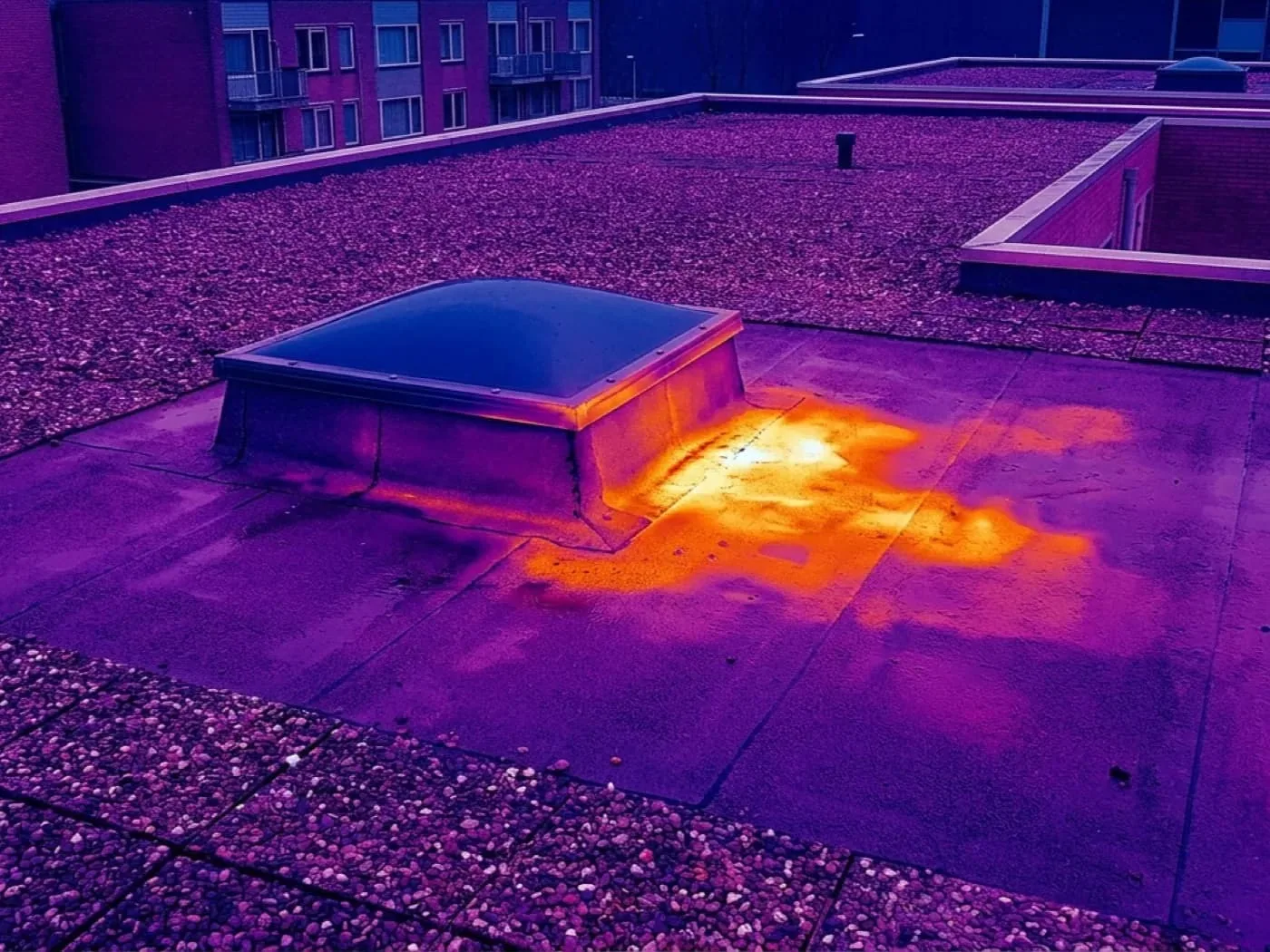
We inspect edges, corners, coping, membrane seams, penetrations and drains for movement, separation or impact. Rain can enter through a small opening and travel beneath the surface, so a ceiling stain may not sit below the roof defect. We mark the visible damage, note nearby conditions and identify whether the assembly needs moisture testing or a controlled opening.
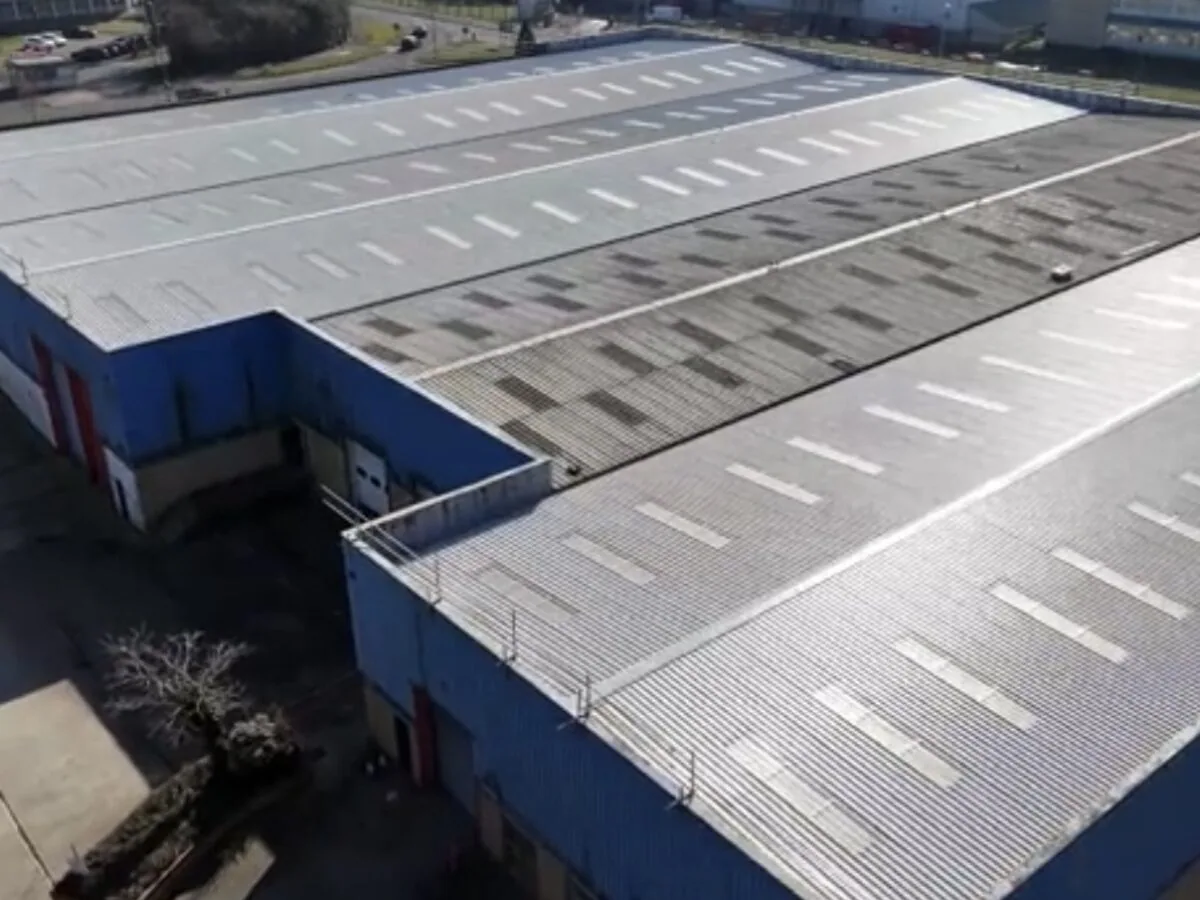
A storm damage roof inspection can include photos and a roof plan to identify affected locations. Drone imagery helps map broad areas, while hands-on inspection checks accessible attachment and flashing. We record any roof zone that could not be reached and avoid describing suspected wet insulation as a confirmed quantity.
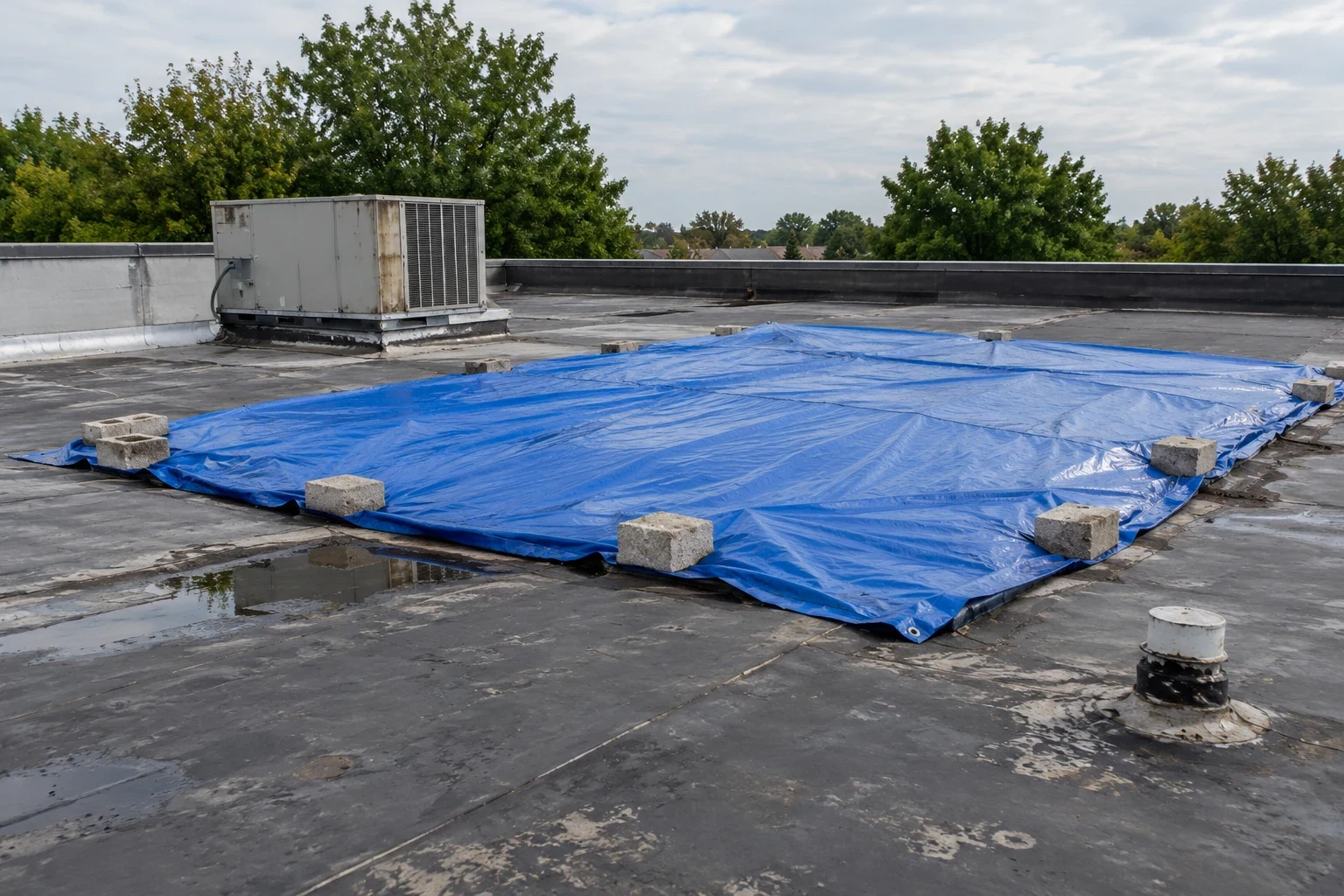
After storm damage, call day or night if water is entering; we will first confirm safe access and what temporary protection the roof needs. We can address urgent entry when safe access is possible, document temporary protection and return with a permanent scope as conditions allow. If the building has debris, standing water or ongoing restoration activity, the site contact helps establish a safe sequence. Share when the leak began and any temporary covering installed since then. Those details help us separate the roof's present condition from measures taken during the first response, without treating an event report as a substitute for inspection.
Control Entry Before the Next Rain
Temporary stabilization may be needed before the complete damage area is known. We document what was protected, how far the temporary measure extends and what still requires inspection. The permanent repair scope identifies the membrane, edge, flashing or drain detail to be restored, with measured area and material assumptions stated separately. We compare the inspection photos with any mitigation record and note which openings were already covered. That prevents temporary materials from obscuring a defect that still needs permanent attention.
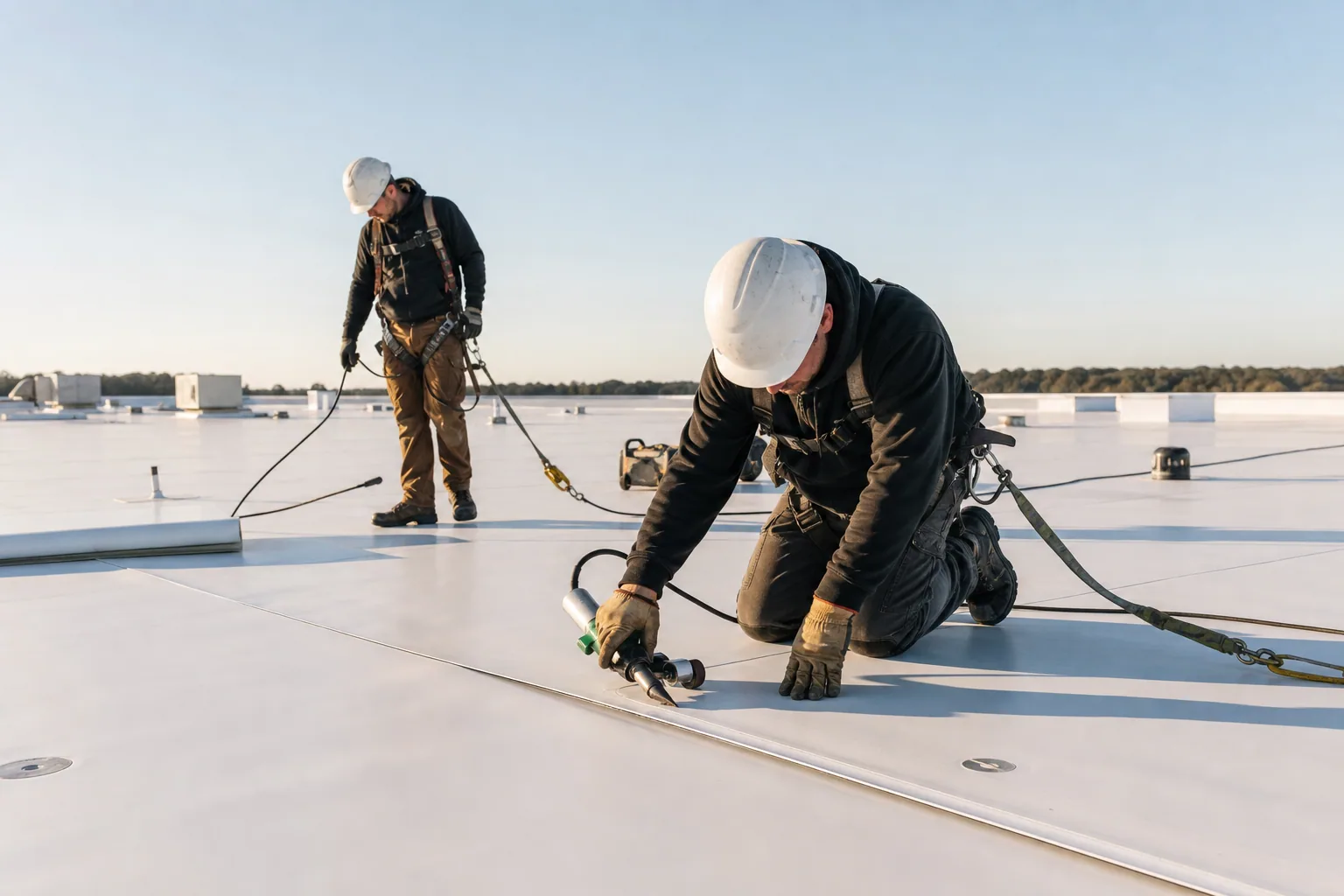
If wind has loosened an edge, repairing only the field membrane may leave the adjacent attachment vulnerable. A seam split may need welding or compatible reinforcement, and a puncture may require evaluation of insulation below it. We inspect those connections and add work only where findings support it.
Related wind damage repair and drainage repair can be listed as separate items where the roof shows those conditions. This helps ownership distinguish event-related work from a pre-existing drainage or maintenance issue that requires its own review.
Inspect Hurricane-Related Roof Conditions
Share the Newport News property address, event timing, water reports and access contact. We will document the roof condition and define urgent and permanent work separately.
Use Evidence to Set the Permanent Scope
Localized displacement with sound surrounding material may be repairable. Broad attachment failure, wet insulation, repeated openings or damage across several roof zones can support a larger project. We describe the evidence behind each option and identify what additional testing may change the area. A patch, coating, recover or replacement is selected according to the assembly and observed condition.
Coating will not correct loose attachment or wet insulation. A recover must be compatible with the existing layers and meet applicable requirements. Replacement may be appropriate if storm conditions exposed widespread deterioration or if the roof cannot support another layer. We separate those capital options from immediate work required to stop water entry.
Newport News points nonresidential building design review to Chapter 16 under Virginia Construction Code. A roof project that changes attachment or assembly may require applicable review. We describe the work being proposed and its assumptions for the owner and project team to evaluate.
Coordinate Access After the Event
Storm recovery can involve mitigation, contents protection and other trades at the same time. We coordinate roof entry with the property contact, confirm staging and delivery, and identify any building areas that need to stay clear. If utilities, equipment or interior cleanup affect access, the work sequence can wait for the responsible site lead to clear the roof route. The inspection can also document whether temporary work or debris affects access to the roof detail.
At Greater Oyster Point, office, research, retail and healthcare uses sit within a dense commercial district. The James River waterfront includes maritime facilities and the Newport News Seafood Industrial Park supports vessel repair and fabrication. These places have different operating needs; we confirm the actual roof access plan and do not infer site conditions from the storm map.
For claim records, insurance and restoration documentation can distinguish visible roof findings from unconfirmed extent. A condition report can retain photos, measured areas and follow-up questions for the property record.
Document the Repaired Areas
When permanent work is complete, we can identify the affected roof sections, repairs made and areas that remain outside the authorization. Photographs and notes can show whether the work covered the original opening, adjacent flashing or another confirmed condition. If more testing is needed after access improves, the report names the area and reason.
Send the Newport News address, event timing, interior reports and any temporary mitigation details. We will inspect accessible areas, document visible roof conditions and recommend the permanent scope. If water is entering now, call at any hour for emergency response, including holidays. We can coordinate roof access with mitigation staff and note where temporary measures should be checked during permanent repair. We keep the record with the property file for future maintenance review.
Following a major wind-and-rain event, prioritize safe access, temporary dry-in and documentation of the affected perimeter before broad repair decisions. Photograph displaced edge metal, lifted membrane, debris impact and interior reports with location references. Check whether water entered at an opening or traveled from a separate defect, and keep temporary work distinct from permanent restoration. If conditions remain unsafe, record the access limit and return criteria so the owner understands what evidence is still missing.
Keep temporary stabilization, permanent repair and any deferred testing in separate entries. This makes later review clear even when access changes after the storm.
Questions About Commercial Hurricane Damage Roof Repair
How soon should the roof be inspected after a hurricane?
Arrange an inspection as soon as roof access is safe, especially if water is entering. We can document temporary protection, visible damage and areas that need follow-up testing.
Can you confirm a roof was damaged by a named storm?
We document the roof condition and information supplied about the event. A date or regional storm report does not establish damage at a particular building by itself.
Can emergency work happen before the full scope is known?
Yes. We can stabilize urgent water entry and record the temporary work, then inspect further and prepare permanent repair quantities when access permits.
What if water moved under the membrane?
We mark the suspected area and explain what testing or opening the assembly could confirm. The proposal separates the visible defect from any unmeasured moisture area.
Will storm damage always require replacing the roof?
No. A limited opening may be repairable when surrounding material remains sound. The extent of attachment failure, wet insulation and other roof conditions determines whether a larger project should be compared.
Related Roofing Work