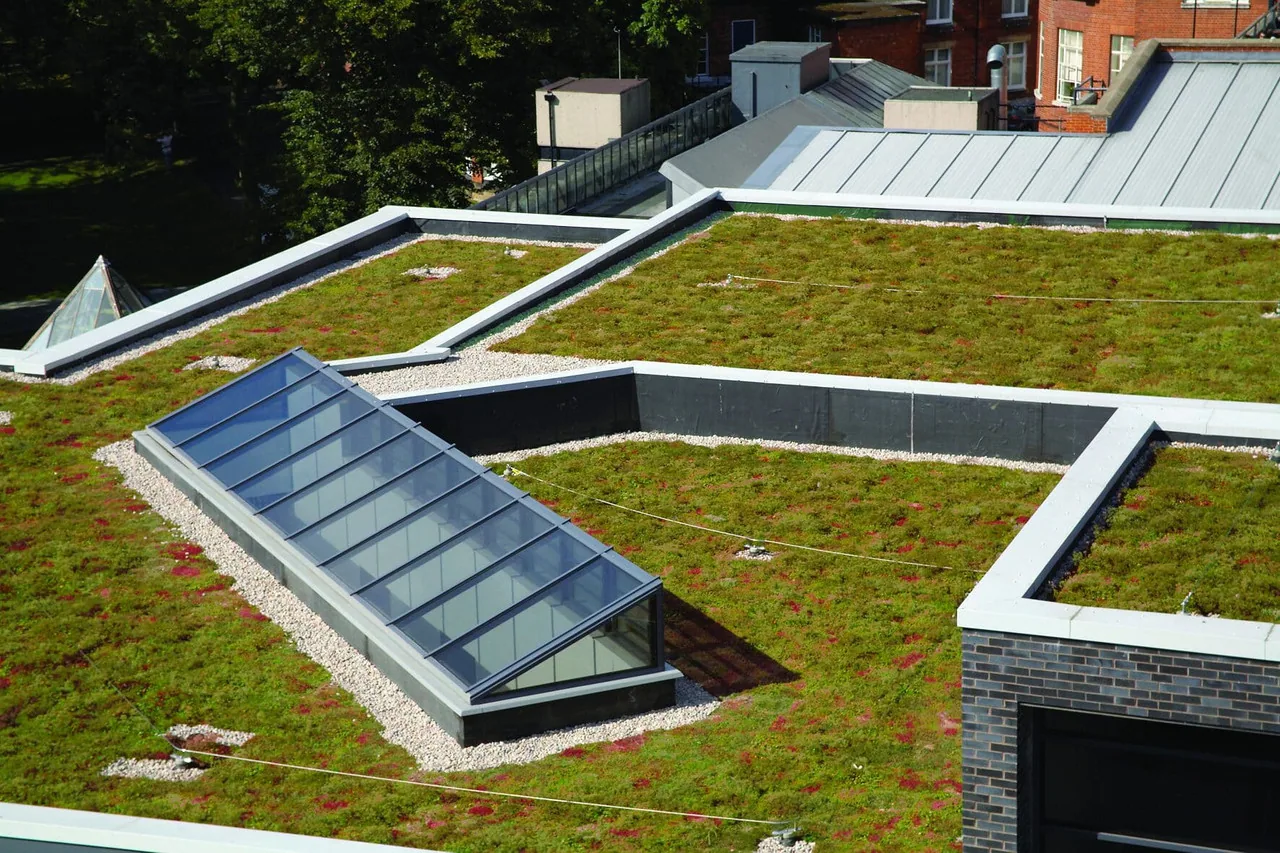
Commercial Ponding Water Roof Repair in Newport News, VA
Commercial roof drainage inspections and ponding water repairs in Newport News, with attention to drains, slope, membrane condition and insulation.
Home / Roof Damage Repair / Commercial Ponding Water Roof Repair
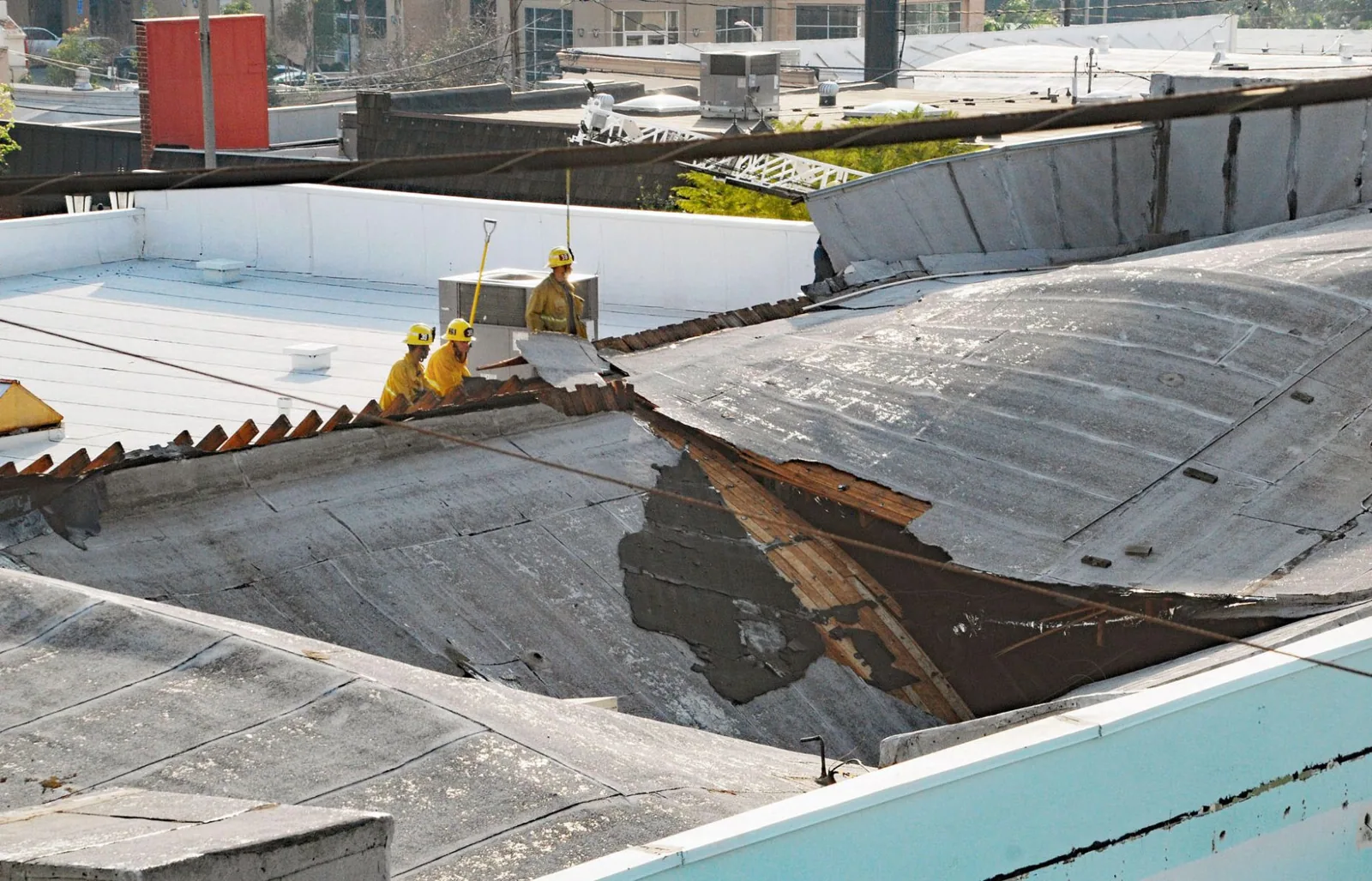
Commercial Ponding Water Roof Repair
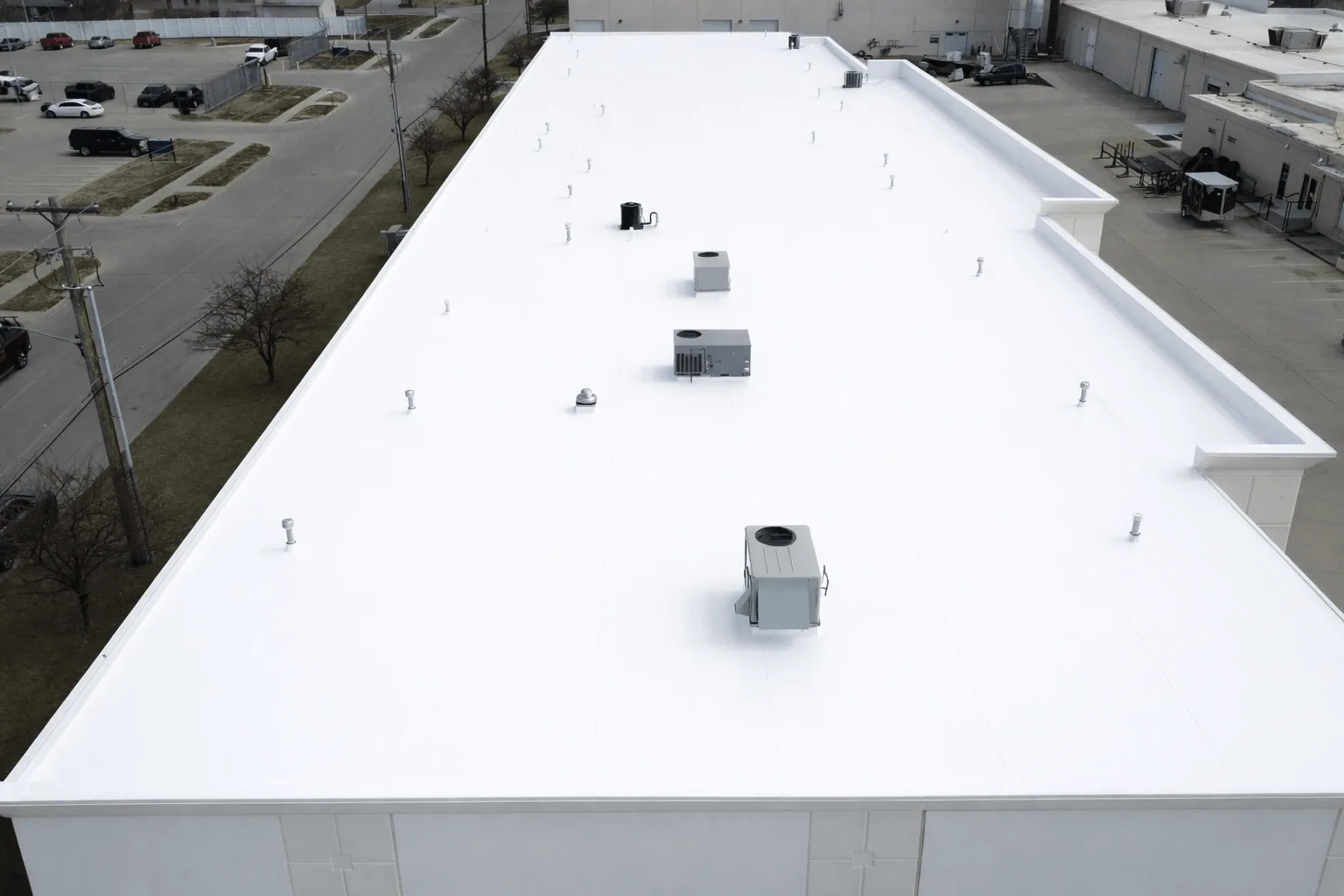
Standing water hours after rain can point to a blocked drain, a low area or a roof assembly that has changed under load. For commercial properties in Newport News, VA, we inspect the ponding boundary, drainage path and surrounding membrane before deciding whether the problem is maintenance or repair. We document the depth and location we can observe, then note what needs testing below the surface. The measured condition sets the next step.
Newport News engineering-weather data lists a 100-year rainfall rate of 3.4 inches per hour and roughly 50 annual freeze-thaw cycles. We map ponding at the property and inspect deck slope, outlet elevations and drainage paths before recommending correction. At City Center and Oakland Industrial Park, different property uses can also change access and inspection windows.
Follow the Water to Its Outlet
We check whether drains, scuppers and gutters are open, whether strainers are present and whether water can reach the outlet without crossing a raised seam or damaged flashing. We look for membrane wrinkles, soft areas, displaced insulation and signs that ponding follows a low spot. A small puddle after a storm does not by itself show a structural problem, and a roof visit cannot establish concealed deck condition without further inspection.
Our drain and scupper service can address blocked or damaged outlets and related roof details. A broader inspection checks the surrounding system and records photographs, water paths and areas that may need testing. Drone imagery can help establish the roof layout; hands-on access is needed to evaluate many drain and membrane details.
If water is entering the building, emergency response is available at any hour, including holidays. We can stabilize the leak, document the affected area and return with a repair scope after the water path is clear. For a property near the James River waterfront, we also confirm safe roof access and whether operations or deliveries limit the visit window.
Restore the Drainage Path
A blocked outlet may need clearing; a damaged drain bowl, failed flashing or separated scupper can call for repair. If the roof slopes direct water into a depression, the membrane alone may not be the cause. We identify what can be corrected at the surface and whether insulation or deck conditions should be evaluated before specifying a wider change.
Water sitting around seams or penetrations can expose defects that remain hidden on dry days. We inspect adjacent laps and flashing and look for blistering, splits or movement. If wet insulation is suspected, we mark the area for moisture testing or a test cut. The scope keeps confirmed membrane work separate from any area that remains unmeasured.
For related membrane damage, flashing repair or seam repair may need to be coordinated with the drainage fix. A roof with repeated ponding and widespread deterioration may require restoration or replacement analysis. The estimate states whether the work restores an outlet, corrects a local detail or depends on further evaluation of the assembly.
Trace the Ponding Area and Drainage Route
Share the Newport News roof address, ponding location, nearby outlet and any interior leak report. We will inspect the drainage path and document repair options.
Surface Repair or Roof-Level Correction
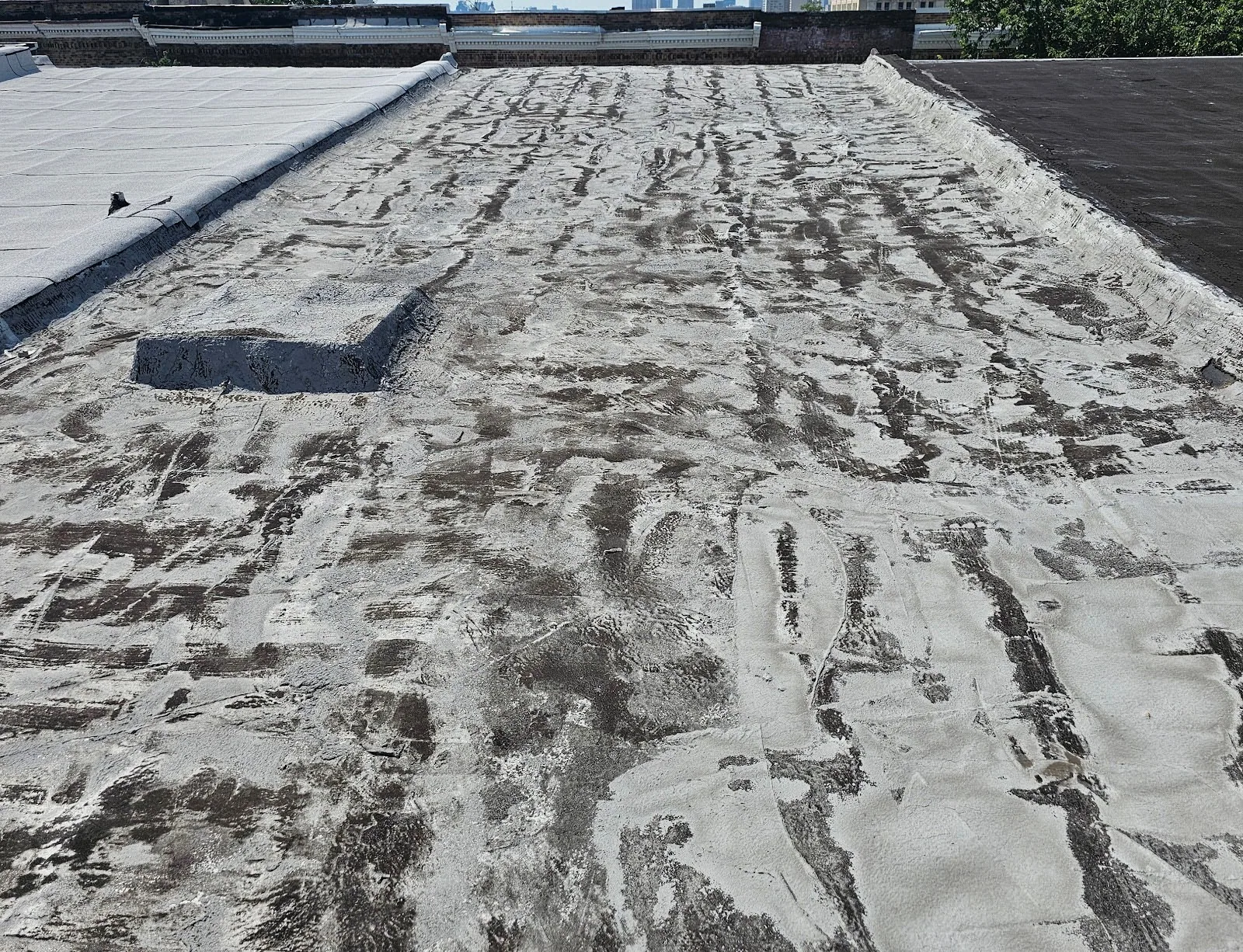
A local outlet repair can be enough when the roof surface and surrounding insulation remain sound. If ponding repeats because slope is inadequate or the assembly has settled, a more extensive correction may be needed. We show where water collects and how it reaches the drain, then identify the options supported by inspection. Altering slope or adding insulation requires review of the existing roof, drainage design and applicable requirements.
Coating does not correct a depression by itself. A recover or replacement may create an opportunity to adjust slope if the assembly, loading and code review allow it. We can describe those options separately from an immediate drain repair so the owner can weigh near-term water control against planned capital work.
City guidance for nonresidential building design cites Chapter 16 of Virginia Construction Code. A change affecting roof slope, drainage or assembly may require design or permit review. We define the proposed roofing work and its assumptions; the project's responsible design and building review determine applicable approval steps.
Inspect After the Water Has a Route
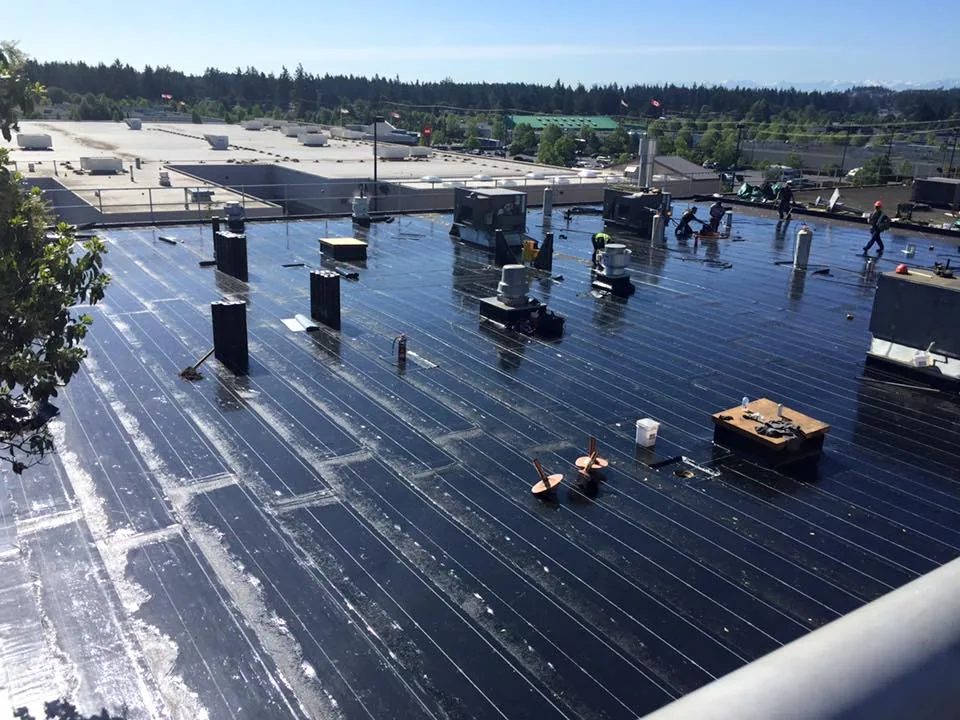
When possible, note when the ponding began, how long it remained and whether it changes after a drain is cleared. Photos from safe vantage points can help us locate the area, but staff should not walk onto a wet roof. We coordinate roof access, service interruptions and the visit time with the building contact. If water is actively entering, call for emergency response rather than wait for a routine inspection.
City Center includes commercial buildings with retail and office uses, while Oakland Industrial Park is a large business park with advanced manufacturing and heavy industry. The roof issue may look similar in a photo, but occupancy, equipment and deliveries shape how we access and repair each one. We confirm the property's contact and operating window before scheduling a work zone.
A condition report can record the outlet, water path, ponding area and testing required. For an owner coordinating more than one building, capital planning can separate immediate drainage repairs from work that needs a design review or future phase.
Confirm the Outlet and the Open Questions
After work, we can note the repaired drain or membrane detail, photograph the area and identify any remaining low spot outside the authorized scope. If follow-up observation is useful after rainfall, the closeout names the area and timing to review. That allows staff to distinguish a cleared outlet from a broader drainage issue still under evaluation.
Provide the Newport News address, the approximate ponding location, nearby drain or scupper and any interior report. We will inspect the water path, document the roof condition and recommend a repair or further test. The scope explains which correction can proceed and which question needs additional review.
A useful drainage review distinguishes a temporary puddle after rain from water that remains after surrounding areas have cleared. Note the approximate limits, depth where measurable, outlet condition, overflow path and any deflection or debris. Do not assume a surface coating will correct a low slope or blocked drain. Where correction requires design input or structural evaluation, identify that need clearly and keep the immediate leak repair within a safe, documented boundary.
Record whether drains and overflow routes were clear at inspection. If a design or structural review is needed, name that next step rather than assigning a repair solution prematurely.
Questions About Commercial Ponding Water Roof Repair
Does standing water mean the roof must be replaced?
Not by itself. We check the outlet, slope, membrane and surrounding assembly, then separate a localized repair from broader deterioration or an unresolved drainage design issue.
How long can ponding water remain before it becomes a problem?
The roof system and drainage design determine how water should clear. We inspect the location and duration reported, then document any membrane, seam or insulation concern rather than apply a universal time threshold.
Can a drain be repaired without changing roof slope?
Yes, if the outlet is the confirmed issue and the surrounding drainage path works. If water repeatedly collects in a low area, correcting the drain alone may not resolve the condition.
Should staff photograph standing water?
Photos from a safe place can help locate the area and show how it changes after rain. Do not walk on a wet roof; share the location and call if water is entering the building.
What can change a ponding repair estimate?
Outlet condition, membrane damage, wet insulation, slope correction, access and whether design review is needed all affect scope. We state confirmed tasks separately from testing and possible assembly changes.
Related Roofing Work