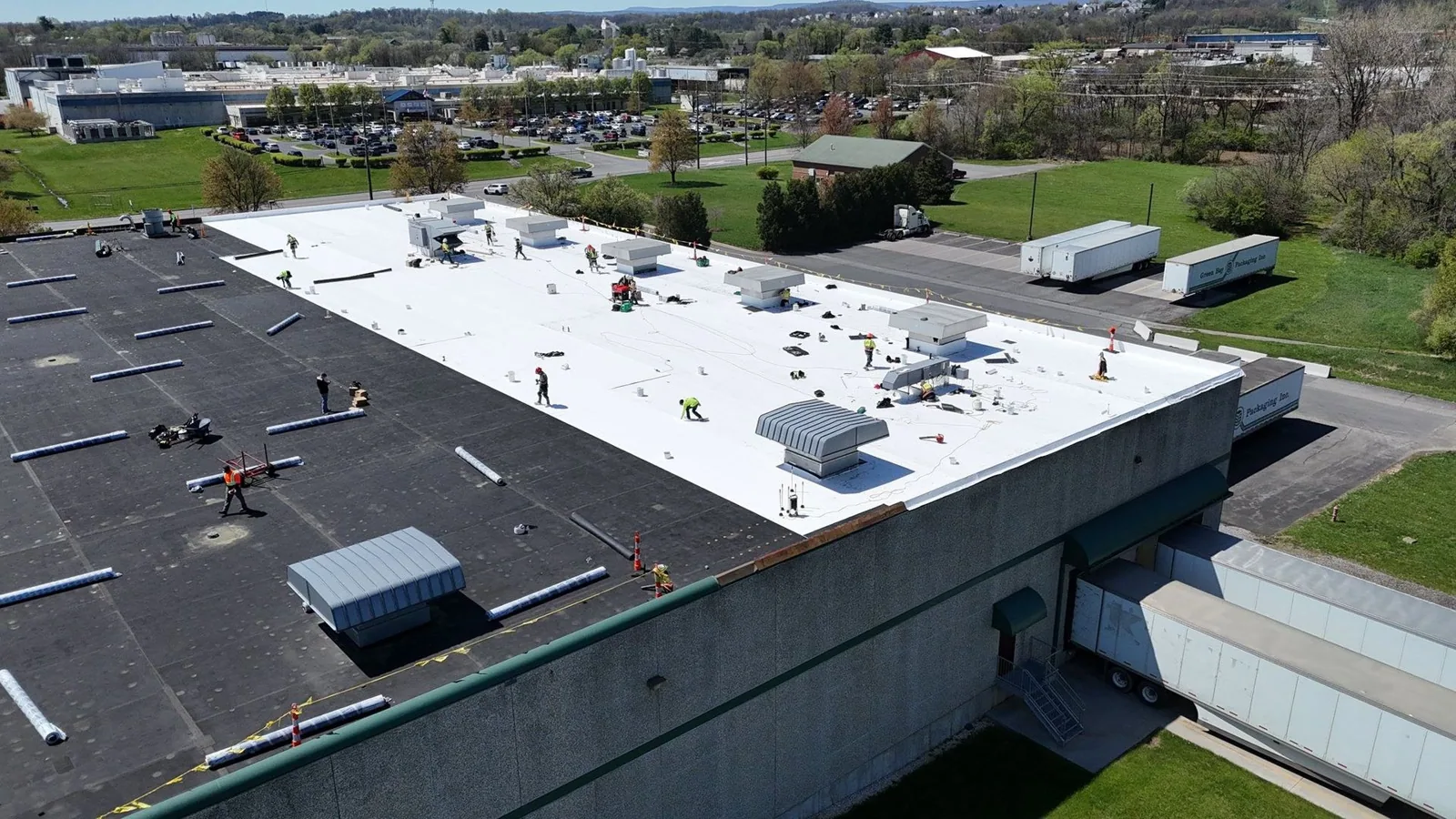
Commercial Heat and UV Roof Damage Repair in Newport News, VA
Commercial roof inspection and repair for heat and UV damage in Newport News, VA, including brittle membranes, exposed seams and coating wear.
Home / Roof Damage Repair / Commercial Heat and UV Roof Damage Repair
Commercial Heat and UV Roof Damage Repair
A membrane that has lost flexibility can split at a seam or pull away from a penetration when the roof moves. In Newport News, VA, we inspect surface wear alongside attachment, flashing and drainage before labeling it heat or ultraviolet damage. The scope identifies what has deteriorated, where the material remains sound and whether wet insulation testing is needed. That evidence separates a local repair from a larger renewal discussion.
Newport News design-weather records list a median extreme-high condition of 98 degrees Fahrenheit dry bulb and 79 degrees wet bulb. We use these local conditions to plan inspection and application windows. Around Greater Oyster Point and the Patrick Henry Corridor, we inspect the building assembly itself and plan access with the site's operating contact.
Look for Changes Across the Surface
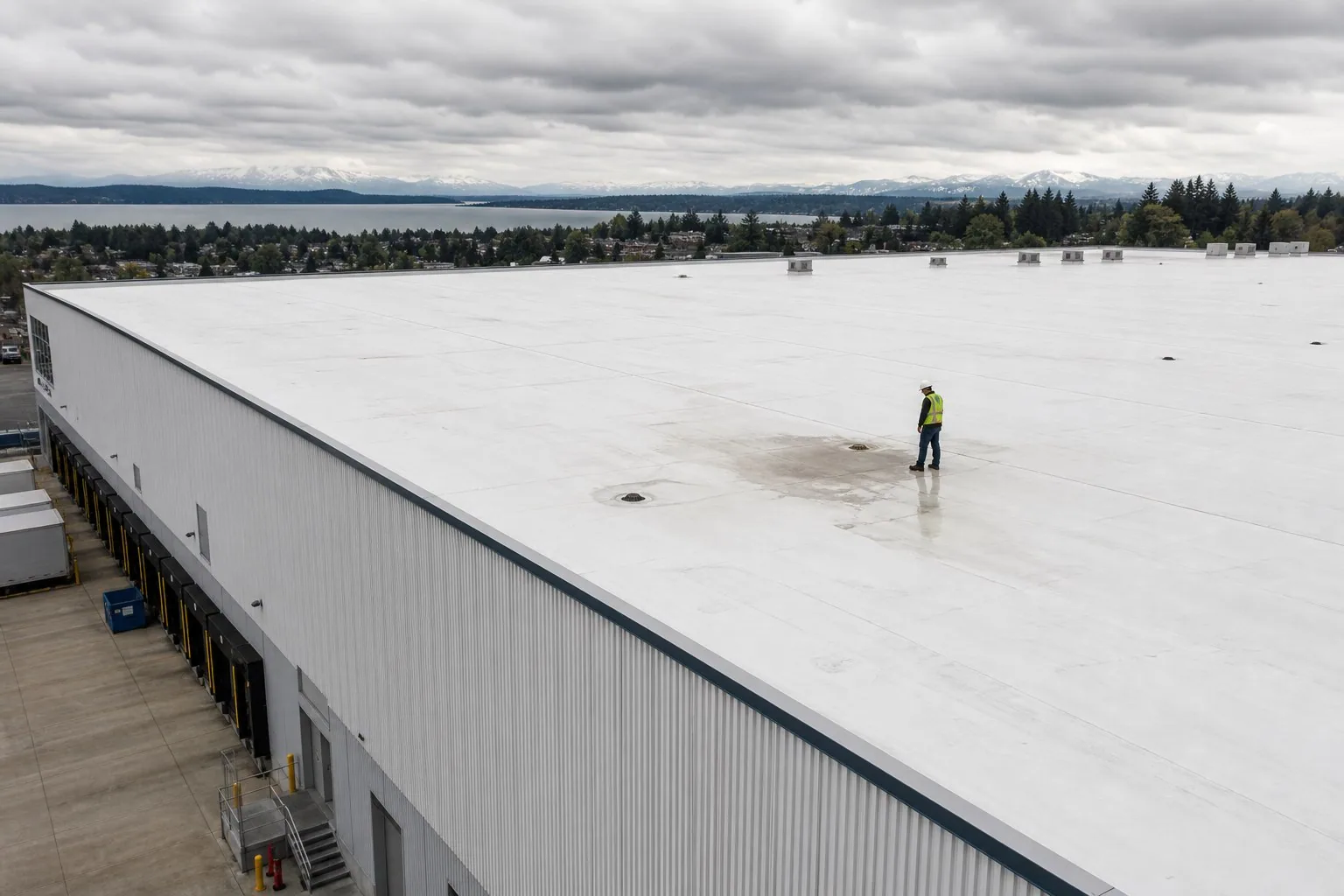
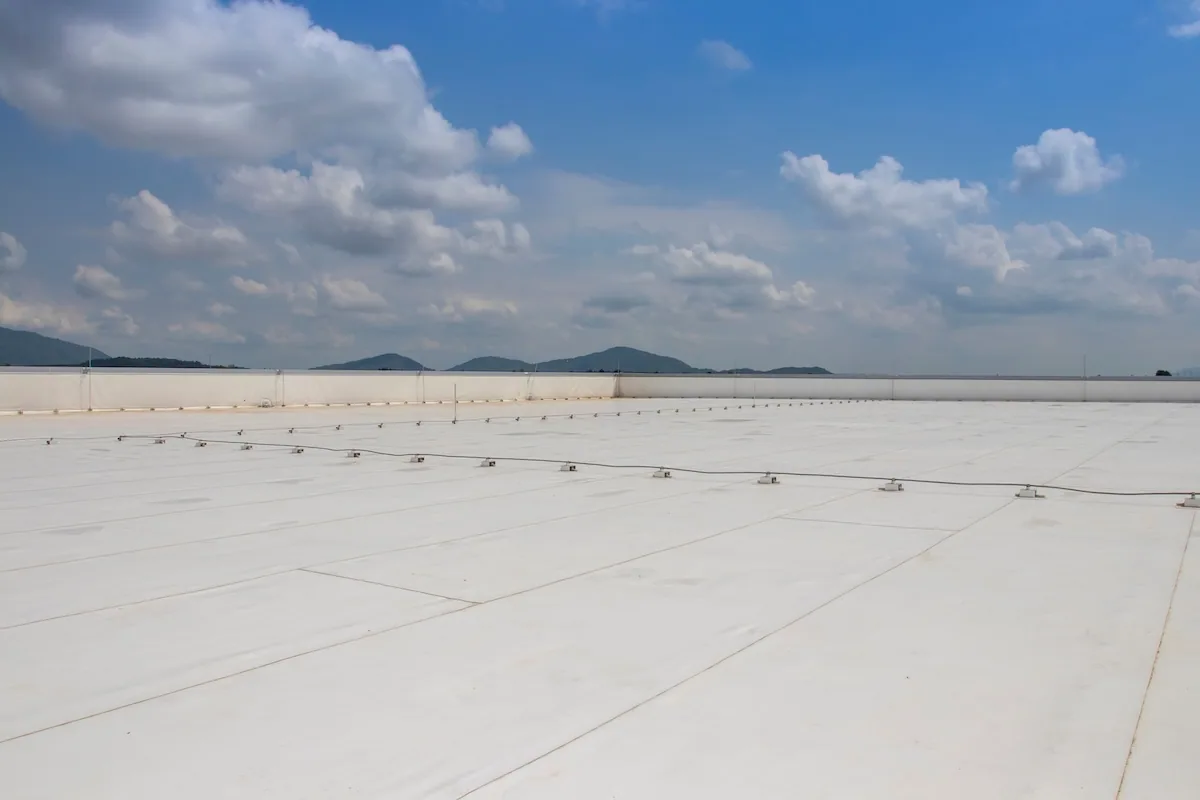
Heat and sun can age exposed surfaces, but we look for specific effects: cracking, loss of coating, brittle edges, open seams, shrinking membrane or failed sealant. We check whether the damage continues around roof penetrations or appears in separate patches. The inspection also checks drains and flashing because a surface change can expose those details to water.
A commercial roof inspection can record photographs, system observations and the areas recommended for repair. Where a roof is difficult to access, drone imagery can help map surface conditions. If the assembly may hold moisture, we mark areas for testing rather than conclude the full insulation condition from exposed wear.
Humidity and heat can affect how a roof surface performs during installation and repair. We confirm the existing membrane type, substrate and compatible repair method before selecting materials. A coating that appears weathered does not necessarily mean the full assembly needs replacement, and a surface that looks acceptable from above can still hide a failed seam beneath a prior patch. We compare exposed color or surface texture with the condition at seams, corners and penetrations. Where coating has thinned, the repair may be limited to that area if the substrate remains sound; broad loss or brittleness calls for a wider condition review. We note whether surface wear reaches a seam or remains confined to the exposed field.
Restore Exposed and Brittle Details
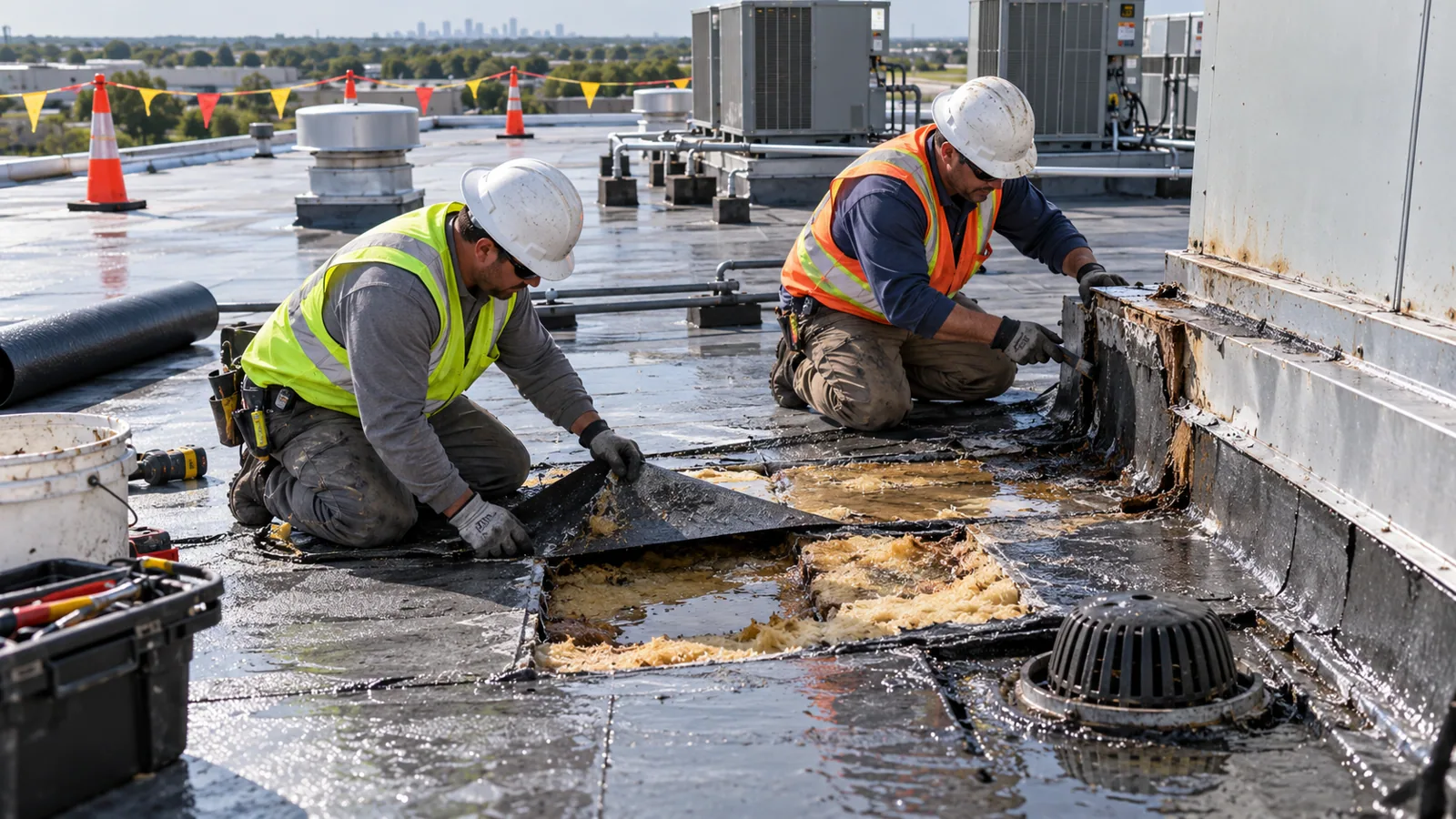
A local crack or split can be repaired when material around it remains secure and sound. We prepare the surface and use a compatible system detail, extending the work to stable material beyond the defect. If seams have separated or flashing has become brittle, those connections may require individual repair rather than a surface coating alone.
Where the damage continues across a field, we measure the affected area and assess whether the substrate and attachment can support restoration. Wet insulation or a loose assembly may require removal and replacement of affected sections. The proposal shows the measured work and any suspected area that needs testing before final quantity is established.
If the surface deterioration involves open seams or failed flashing, we list those repairs separately from coating preparation. A system-specific repair can include seam treatment or a new flashing connection, but only if the existing assembly and product requirements support it.
Inspect Heat and UV Wear Before It Opens
Share the Newport News property address, roof material, visible surface changes and any leak report. We will document the assembly and define suitable repair options.
Coating Is One Option, Not the Repair by Default
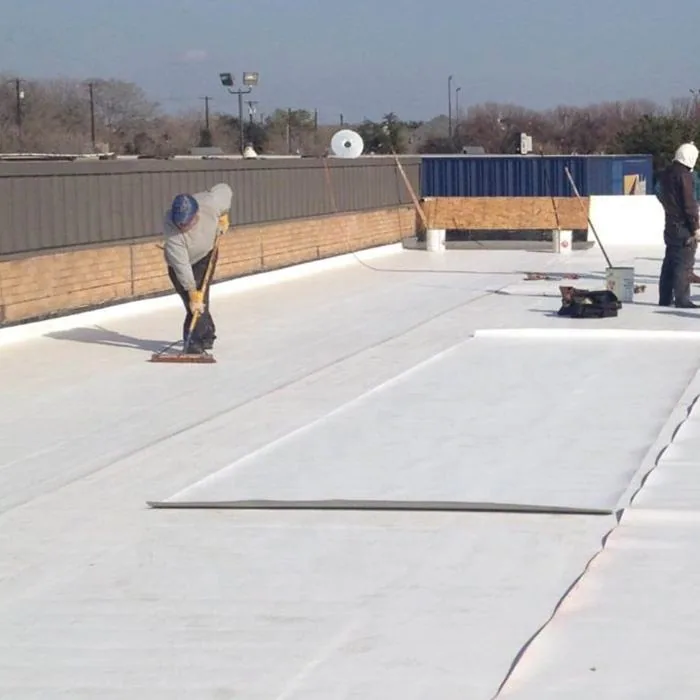
A coating may help protect a suitable roof surface when the membrane and substrate remain serviceable. It will not correct widespread brittleness, loose attachment or wet insulation without addressing those conditions first. We inspect adhesion, seams, penetrations and prior repairs, then explain whether restoration is reasonable or the roof needs a different scope.
Recover or replacement may be appropriate if deterioration extends across the assembly or if the existing roof cannot support another layer. Those choices involve insulation, tear-off, deck condition, flashing and code requirements. We compare them with localized repair using measured findings and stated assumptions, not a general claim that every older roof should be renewed.
Chapter 16 in Virginia Construction Code contains design criteria the city applies to nonresidential buildings. If a project changes the assembly or attachment, applicable review depends on the work. We define the roof scope and note what information should be reviewed by the project team before construction. If a repair changes drainage or attachment, those interfaces should be stated alongside the membrane work so the project review considers the complete detail.
Plan Repairs for Weather and Access
Heat, humidity and rain can affect the work window for a roof repair or coating application. We coordinate access, staging and the installation conditions required by the selected system. The facility contact can identify shutdown periods, roof equipment access and any area that should remain clear while surface preparation and repair proceed. We also confirm whether rooftop equipment can be isolated and if adjacent work could introduce dust or foot traffic onto fresh materials.
Greater Oyster Point includes research, office, healthcare and retail uses, while the Patrick Henry Corridor sits near the airport and commercial destinations. An occupied office roof may have a different access pattern from a retail property or production site. We confirm building hours and equipment restrictions with the owner rather than infer them from the district.
For a broad maintenance program, condition reports can track brittle areas, coating wear and repairs by location. A capital plan can separate urgent split repairs from longer-term restoration or replacement review.
Keep Surface Findings in Context
Closeout can note repaired cracks, seams or flashing, show photographs and list other areas that remain outside the authorized work. If the inspection found coating loss but no confirmed leak, the file can identify it as a maintenance item rather than an active water entry. That keeps the condition record specific as the roof ages.
Send the Newport News address, roof type if known, visible surface concern and any leak report. We will inspect the assembly and distinguish confirmed repair from conditions that need a closer test. Emergency response is available around the clock for active leaks, including weekends and holidays.
Surface aging should be assessed alongside seams, penetrations, drainage and insulation rather than judged by color alone. Compare representative roof areas and note whether cracking, exposed reinforcement or loss of adhesion is localized or widespread. A coating may be appropriate only when the existing assembly is sound and preparation, thickness and drainage details are addressed. The estimate should state the testing needed to confirm suitability and avoid treating a reflective finish as a substitute for correcting wet materials.
A follow-up inspection should compare the same representative zones and record any change in exposed or brittle areas, rather than relying on a general visual impression.
Questions About Commercial Heat and UV Roof Damage Repair
How do you tell heat aging from storm damage?
We document the visible material condition, pattern and nearby roof details, then compare those findings with the event information available. The inspection does not assign a cause beyond what the evidence supports.
Can a brittle membrane be coated?
Only if the membrane and substrate meet the coating system requirements and remain suitable. We check adhesion, seams, attachment and moisture before recommending a coating.
Does surface discoloration mean the roof is failing?
Discoloration alone does not confirm a leak or assembly failure. We inspect for cracking, open seams, loss of material, flashing condition and moisture evidence before defining repair.
Can heat-damaged areas be repaired without replacing the roof?
A localized crack or split can be repaired if the surrounding material remains sound. Broad brittleness, loose attachment or wet insulation may support a wider scope.
What affects a roof coating schedule?
Surface preparation, humidity, temperature, rain forecast, access and the system's application requirements all affect timing. We coordinate the work window with the facility contact.
Related Roofing Work