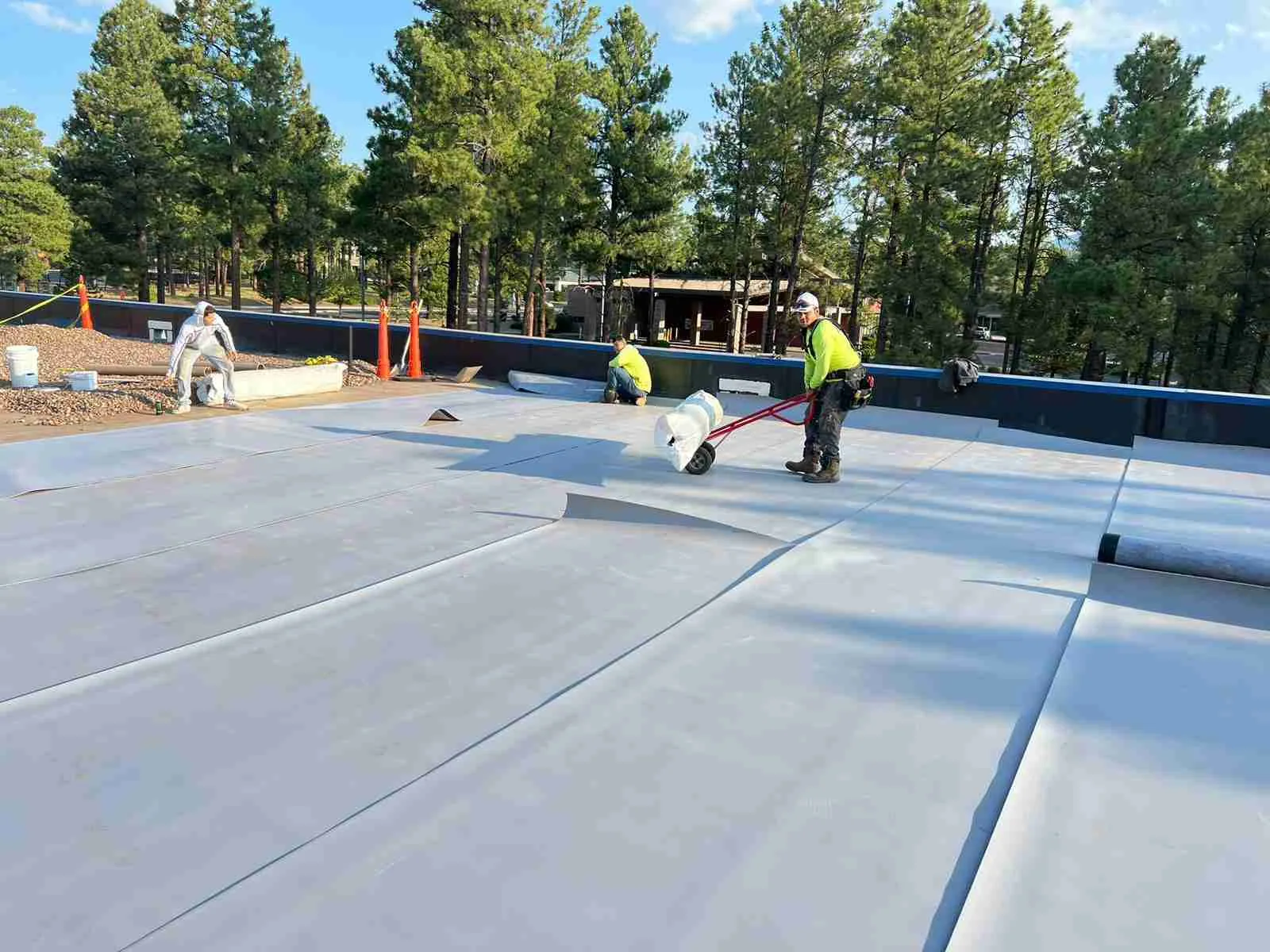
Soprema Roofing Systems in Newport News, VA
Review Soprema SBS, PVC and liquid-applied roof options in Newport News, VA, with repairs and replacement scoped to the existing deck and building use.
Home / Roofing Manufacturers / Soprema Roofing Systems
Soprema Roofing Systems
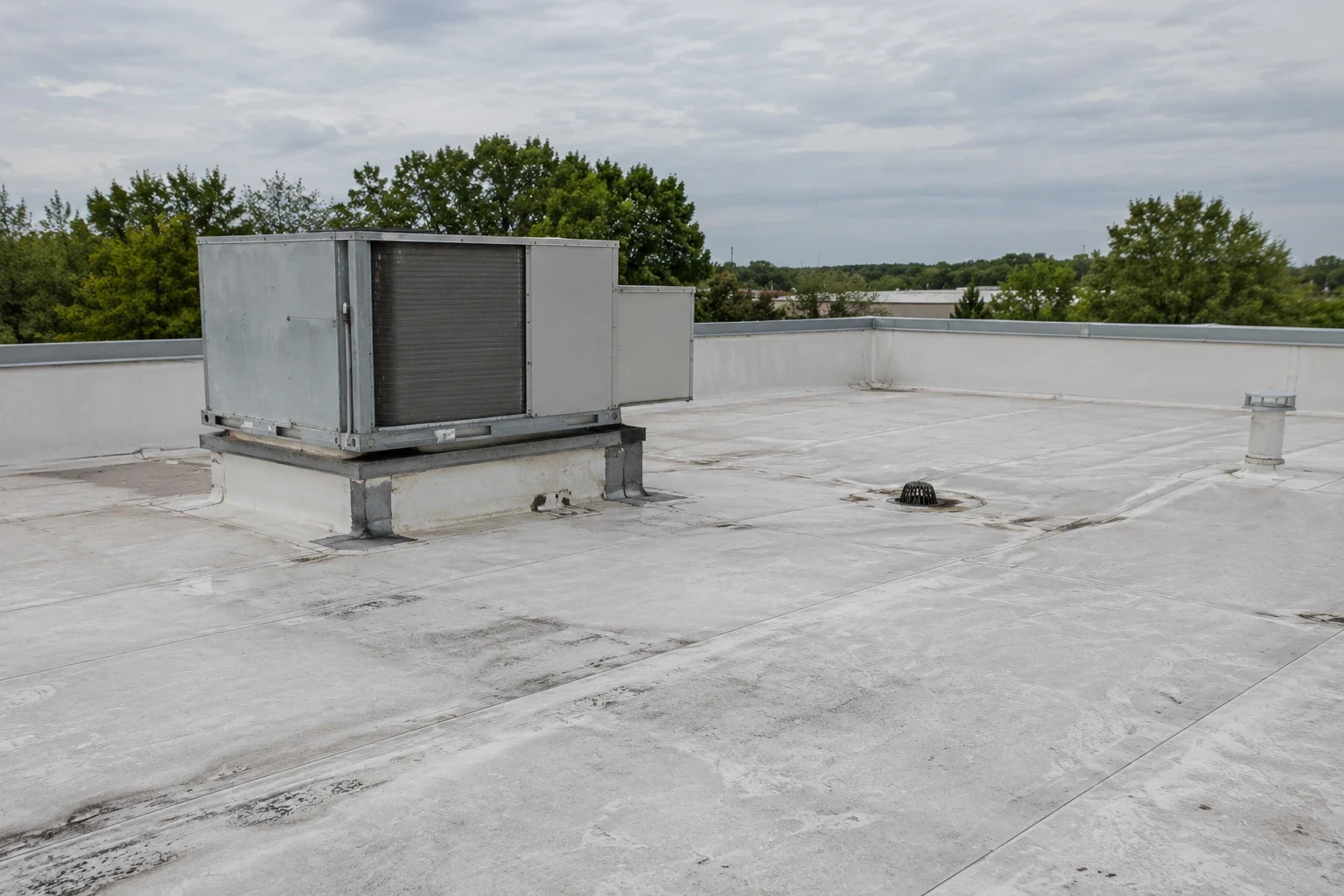
A blister in an SBS modified-bitumen roof does not show by itself whether the cap sheet, interply or insulation has failed. We inspect the affected area and its water path before proposing a repair. Soprema makes SBS membranes, PVC single-ply products and polymeric liquid-applied membranes for commercial roofing. Those systems use different installation and repair details, so the product record, substrate and condition on the Newport News roof need to line up before work is priced.
The waterfront includes maritime repair and fabrication at Newport News Seafood Industrial Park, while Greater Oyster Point / City Center brings offices, healthcare, research and retail. The roof condition and building schedule determine whether work can proceed as one area or in phases.
Check the Layer That Is Failing
SBS modified bitumen is a multi-ply system, so an open surface lap may be only one part of the problem. We inspect the cap sheet, seams, flashings and transitions, then check whether water has moved into lower plies or insulation. On a PVC roof, the review shifts to welded seams, punctures, perimeter attachment and membrane-to-wall details. A liquid-applied surface needs its own review of thickness, reinforcement, adhesion and the condition of the substrate beneath it.
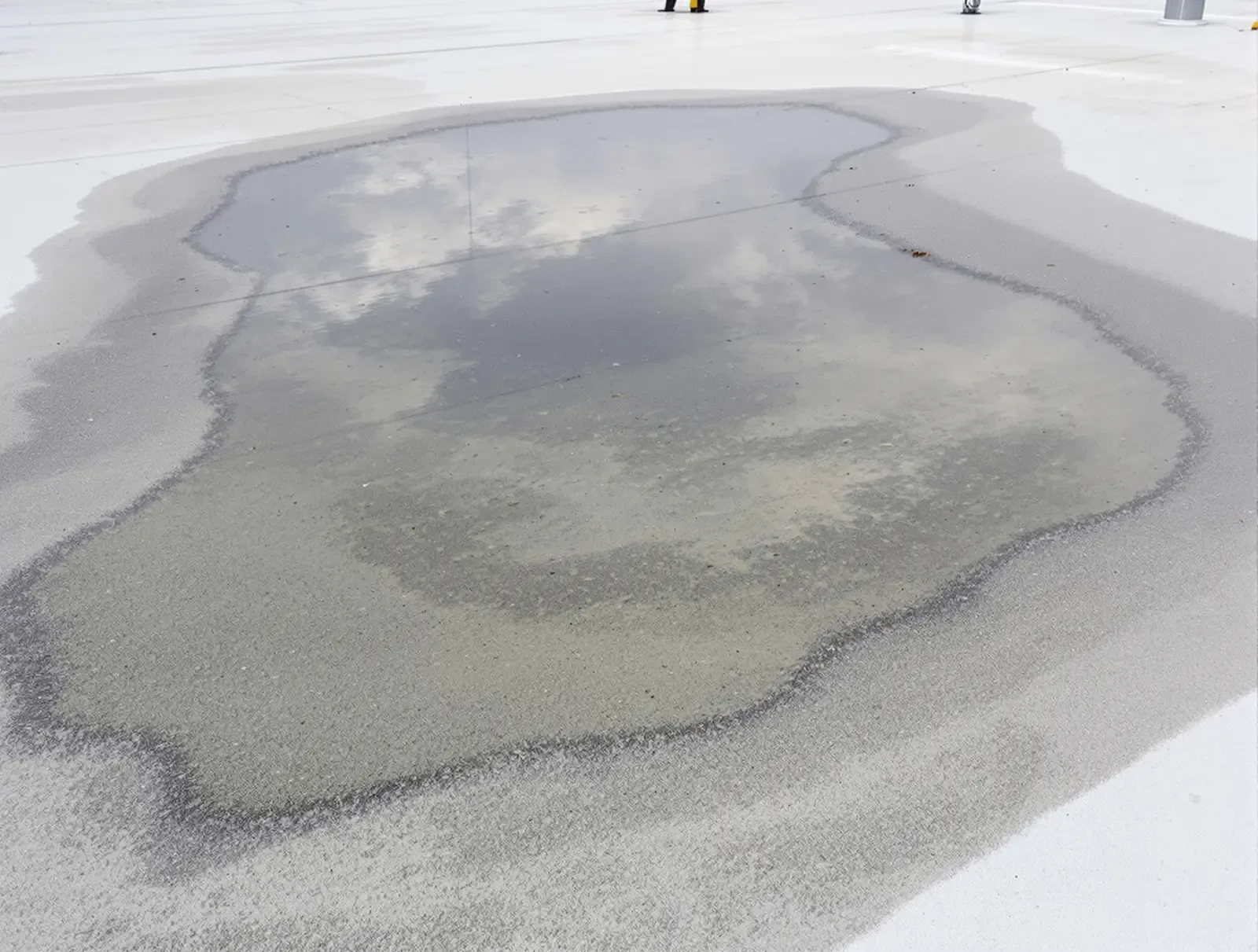
At a drain or scupper, debris and low areas can hold water against laps and flashing. Near rooftop equipment, vibration and repeated service traffic can stress terminations. We photograph the roof, map visible damage and note any location where a test opening or moisture survey would help establish the repair boundary. The written scope keeps measured damage separate from an area that remains under investigation.
Our commercial roof inspection records the assembly and condition. Where an owner is weighing a renewed surface, our coating and restoration review checks whether the substrate can support that approach instead of covering a layer that needs removal.
Choose Between Multi-Ply and Single-Ply
SBS systems use reinforced bituminous sheets in multiple plies. Soprema's technical guidance describes application choices such as heat welding, cold adhesive, mechanical fastening and self-adhered installation, each with details that depend on the project and product instructions. PVC is a single-ply synthetic membrane with heat-welded seams, while liquid-applied systems create a continuous surface over a prepared substrate. The selection affects tear-off, staging, installation method, roof traffic and future repair access.
The right comparison starts with the existing deck, insulation, drainage and use of the building. A multi-ply roof may allow a localized repair when the surrounding sheets remain bonded and dry. Widespread moisture, recurring openings or an unstable substrate can make patching a poor long-term scope. A single-ply replacement has its own edge, penetration and attachment requirements. We compare the evidence, then state which condition makes repair, recover or replacement the workable choice.
Owners can compare Soprema's documented assemblies with Versico or Duro-Last after the existing roof has been identified. The choice is tied to the project requirements, not to a product label or a single feature.
Review a Soprema Roof in Newport News
Provide the property address, leak location, available system records and operating schedule. We will inspect the assembly and identify the repair or renewal decision.
Make the Repair Scope Measurable
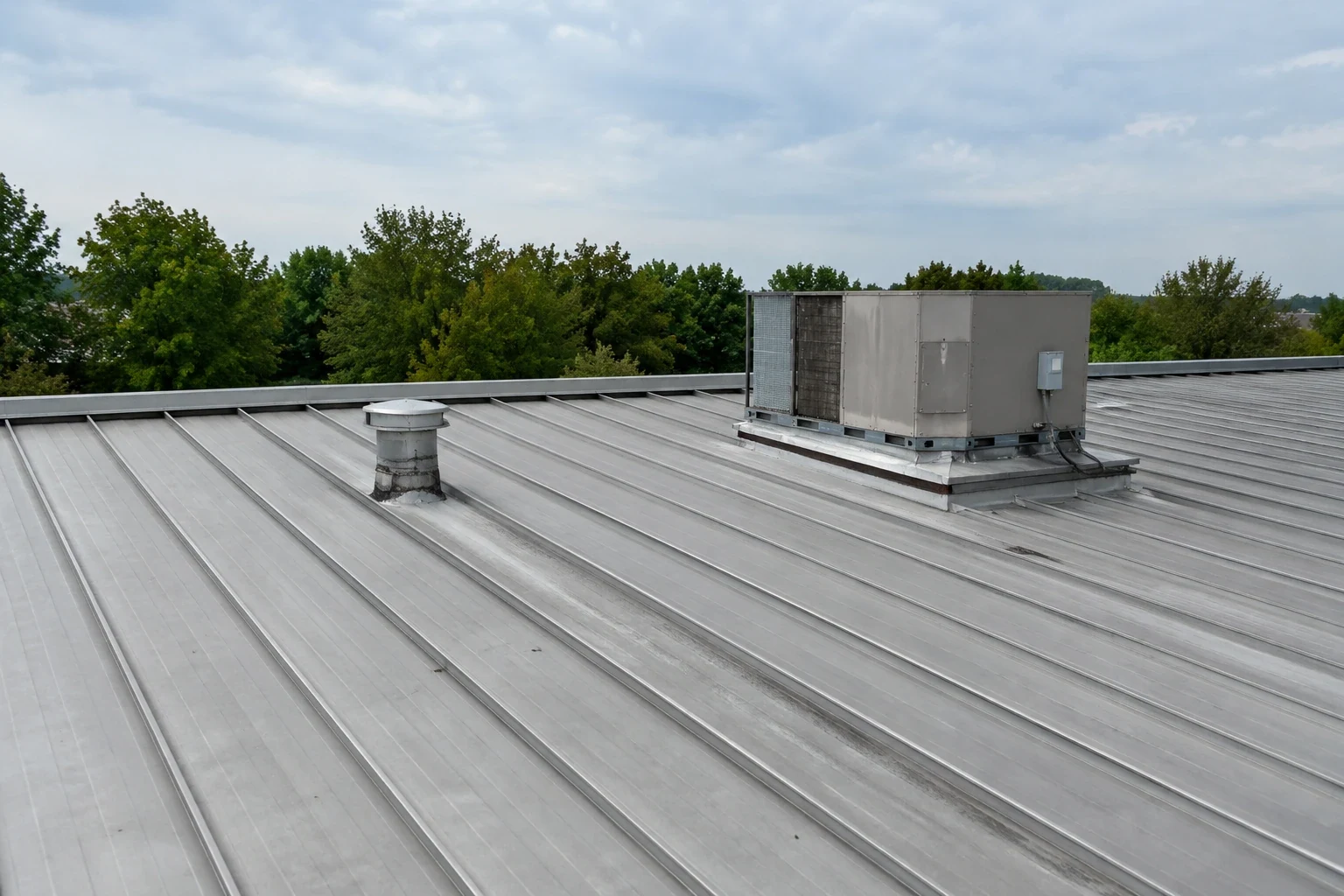
For an isolated split, blister or puncture, we measure the affected material and inspect the adjoining area before limiting the repair. If wet insulation extends beyond the visible opening, testing can identify how far removal should go. The estimate lists the confirmed area, any required opening or moisture survey, and the steps that depend on what testing finds. That separation gives a property manager a useful scope even when the roof file is incomplete.
A liquid-applied repair requires a clean, sound surface and a detail suited to the membrane and transition. Bituminous repairs may involve rebuilding one or more plies and restoring the cap surface. PVC repair calls for a compatible patch and sound weld. We explain the repair method and what condition it addresses, then identify whether the rest of the assembly can remain in service. If failures recur across several areas, a wider renewal may be more sensible to evaluate than repeated callouts.
Our commercial roof repair addresses the confirmed defect, while a heat and UV damage review checks for broader surface wear. Emergency response is available at any hour, including weekends and holidays, when active water entry needs immediate attention. Stabilization and permanent restoration stay separate in the work description.
Account for Access and Application Conditions
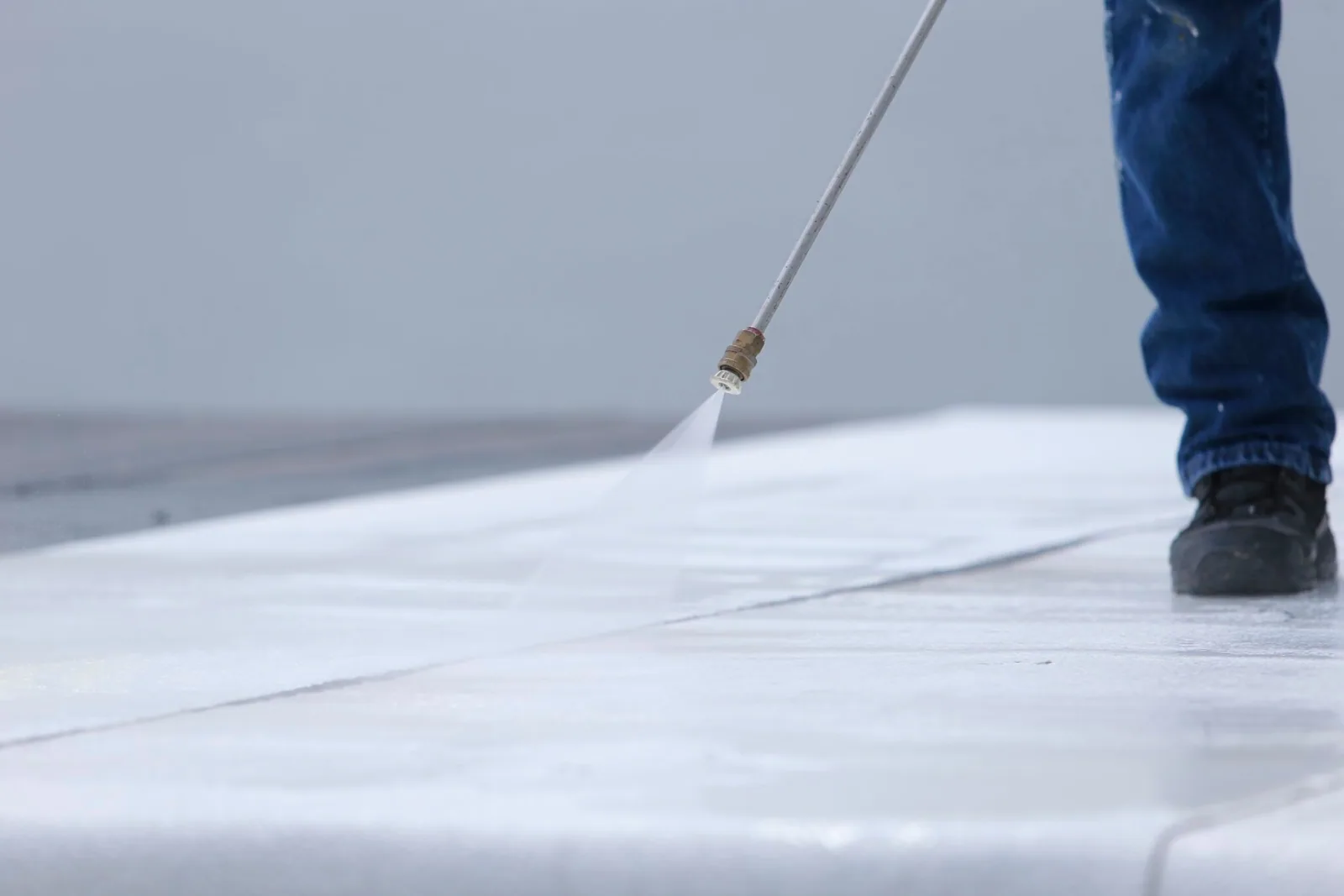
Heat-welded work, adhesive application and liquid-applied materials each need specific surface and weather conditions. Rain, humidity, substrate moisture and the size of an open area can change the workable sequence. We identify which surfaces need preparation, how much roof will be open at once, and whether equipment or tenant access must remain available. The schedule notes weather dependencies so the facility can plan the work window without treating the roof as an isolated jobsite.
At Newport News Seafood Industrial Park, nearby activity includes vessel equipment repair, fabrication, marine towing and processing. Greater Oyster Point / City Center includes healthcare and office uses alongside retail. We confirm loading, staging, roof access and operating restrictions with the contact for the specific building. For occupied facilities, work can be divided by area when that lets entrances and equipment remain accessible while the repair proceeds.
Before mobilization, share the address, roof records, leak location, access contact and operating schedule. A marine-industry roof and a City Center building require separate entry plans, so provide the selected address and its access rules before dispatch.
Retain a Useful Roof Record
Once the work is complete, the property file can hold the system identified, the repair location, materials used, photographs and any areas that need another check. For Soprema products, we record whether the observed roof was an SBS system, PVC membrane or liquid-applied surface, and note which documents support that identification. If the available information does not settle a detail, that uncertainty remains visible in the record rather than becoming an assumption for the next project.
Maintenance reviews can revisit drains, seams, flashing, roof edges and areas with prior moisture. We list the inspected locations and separate completed repairs from follow-up work. If a warranty document governs inspections or repairs, its own terms control those obligations; our condition record describes what we observed and did. Photos tied to the roof plan can help an owner compare later findings with the original repair boundary.
For portfolio planning, a roof condition report can keep observations and open testing tied to each property. That makes the next budget review more precise, especially when maintenance has passed between facility contacts.
Questions About Soprema Roofing Systems
Can an SBS blister be repaired without replacing the whole roof?
The membrane and layers beneath it determine that boundary. We inspect the blister and surrounding sheets, test where needed, then state whether a local repair can remain isolated.
How does Soprema PVC differ from its SBS roof systems?
PVC is a single-ply membrane with heat-welded seams. SBS uses reinforced bituminous plies. The installation method, repair materials and substrate conditions differ, so identification comes first.
Will a liquid-applied repair work over any existing membrane?
No. The surface must be compatible, sound and properly prepared for the selected material. We inspect adhesion, moisture and transitions before including a liquid-applied detail in the scope.
What affects the timing of Soprema roof work?
Application type, forecast, surface moisture, preparation and access all influence sequencing. We identify those conditions and coordinate the exposed area with the facility's operating schedule.
How do you handle a leak that is active after hours?
Emergency response is available around the clock, including holidays. We assess immediate water entry, stabilize the affected area where feasible and document permanent work separately.