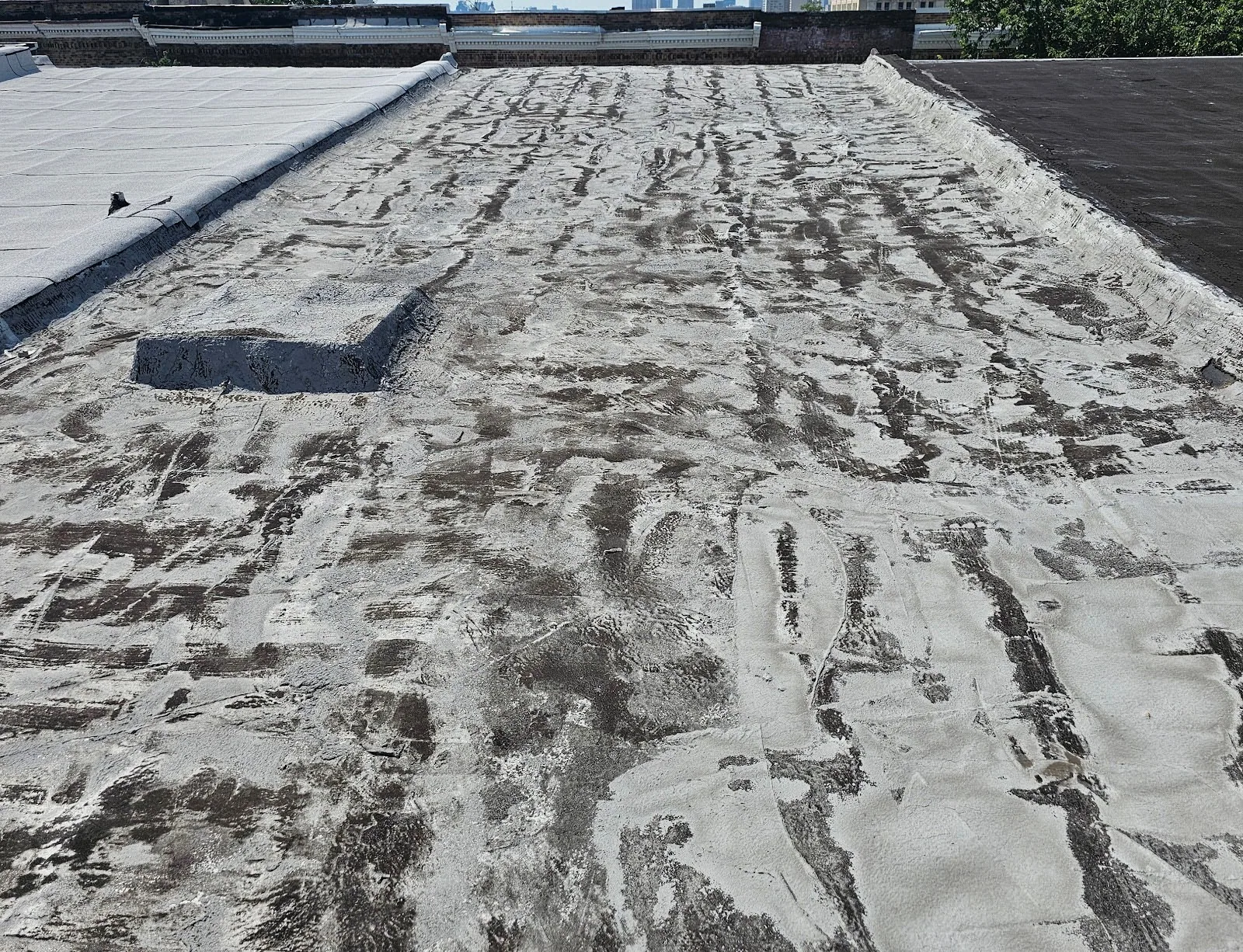
Commercial Roofing at Langley Research & Development Park, Hampton, VA
Plan roof inspection and repair at Langley Research & Development Park in Hampton, VA, with research operations, access and project timing considered.
Home / Service Areas / Langley Research & Development Park, Hampton
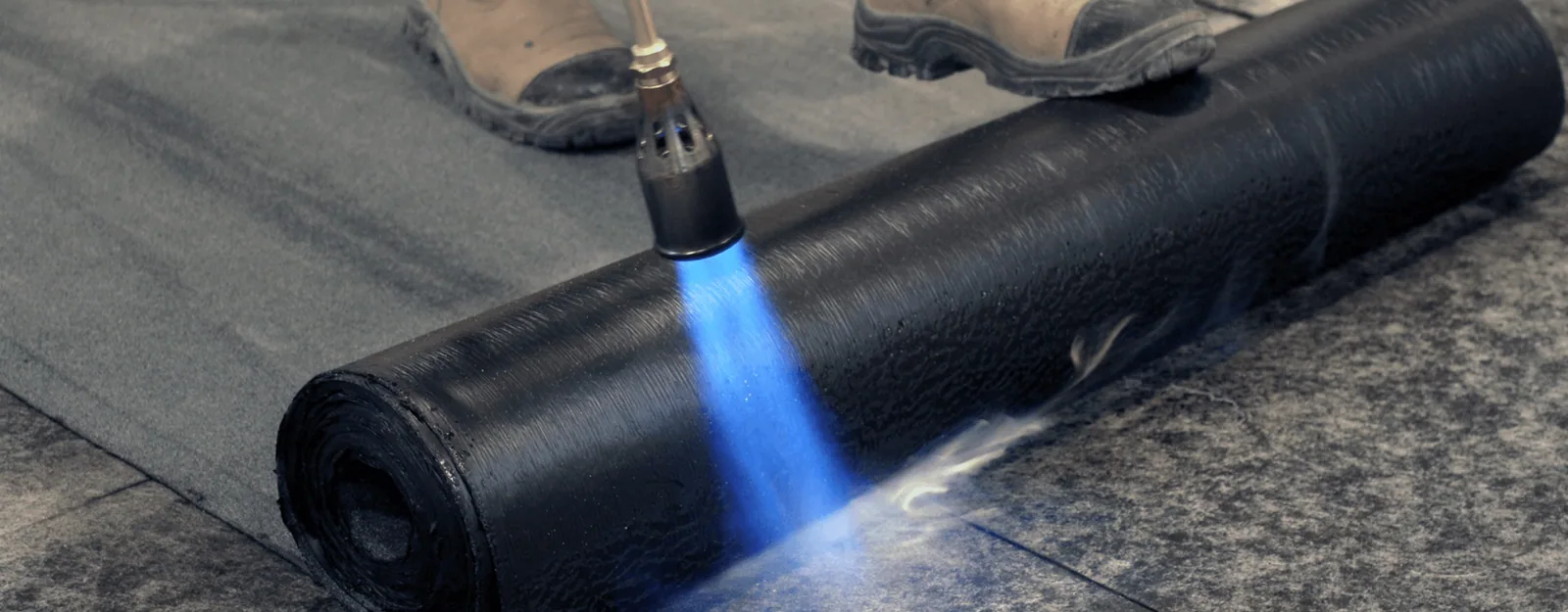
Langley Research & Development Park, Hampton
Research and development work makes roof access and equipment planning part of the first conversation at Langley Research & Development Park. The 150-acre park sits just outside NASA Langley's south gate, about a mile from Interstate 64, and Hampton describes it as suitable for research-and-development businesses within a state Enterprise Zone. We confirm tenant operations, facility rules and the installed roof assembly with the contact for each Langley Park address. We inspect the address and coordinate the work window with its contact.
Nearby Hampton Roads Center North Campus has its own aerospace, automotive and research-and-development planning context. Its roof conditions and access procedures remain separate from those at Langley Research & Development Park.
Start with Equipment, Seams and Water Paths
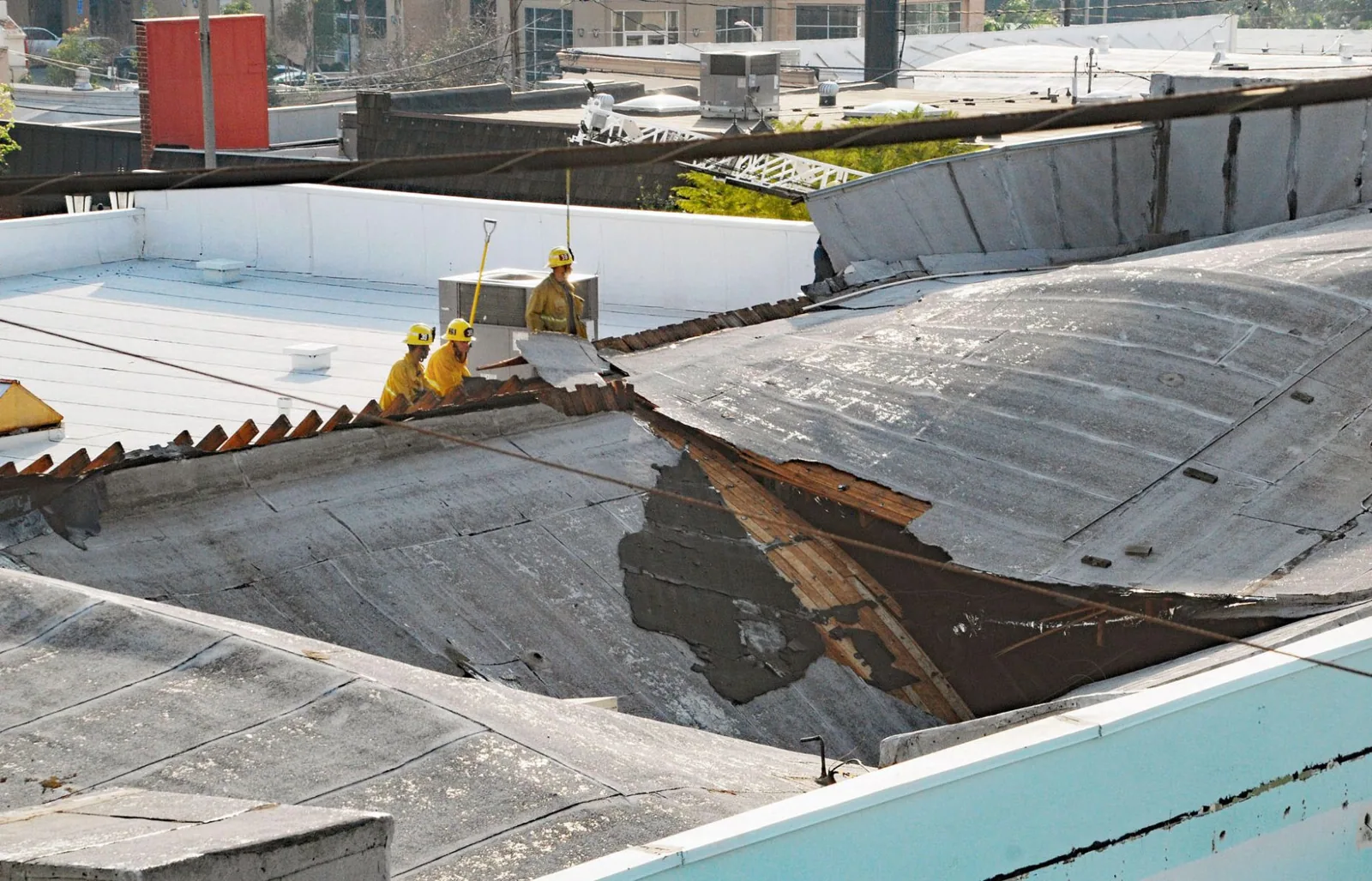
We check the membrane or metal system, attachment, seams, flashing, drains, curbs and penetrations. At research facilities, the site contact can identify equipment, air intakes and access areas that need attention before a roof opening is planned. An interior leak does not always sit directly below the roof defect, so we trace the likely water path and photograph the relevant transitions. If wet insulation may extend beyond the visible entry, a survey or test opening can help establish the repair boundary.
The park sits outside NASA Langley’s south gate. The property owner or facility contact confirms the project address, roof access and any procedures that apply to that site. We inspect only the roof area included in the visit and record any zone that could not be reached. Our commercial roof inspection can pair condition photographs with the operating constraints provided by the facility.
We inspect attachment and drainage at the Langley Park building and apply project criteria and field findings.
Set a Work Path from Confirmed Conditions
An isolated puncture, seam split or flashing defect may fit a local repair when the surrounding roof remains dry and secure. Repeated failures, broad moisture, loose attachment or a damaged substrate can require testing or larger work. We measure the confirmed area and list suspected conditions separately. If a test opening could determine whether insulation must be removed, the scope names that step instead of assigning a quantity without evidence.
A recover is considered only when the existing layers, attachment, deck and drainage support another assembly. A coating needs a compatible substrate and will not correct trapped moisture. Replacement allows removal of failed material but affects staging, noise, debris and interior protection. We compare the options against what inspection found and the operating window the research business can provide.
For a property that needs additional roof testing, an infrared moisture survey can help identify areas for confirmation when conditions are suitable. A phased reroof plan can set daily boundaries and identify which equipment or work areas must stay active.
Arrange a Langley Park Roof Review
Share the Hampton address, roof concern, available plans and research or access requirements. We will inspect the assembly and document repair and testing needs.
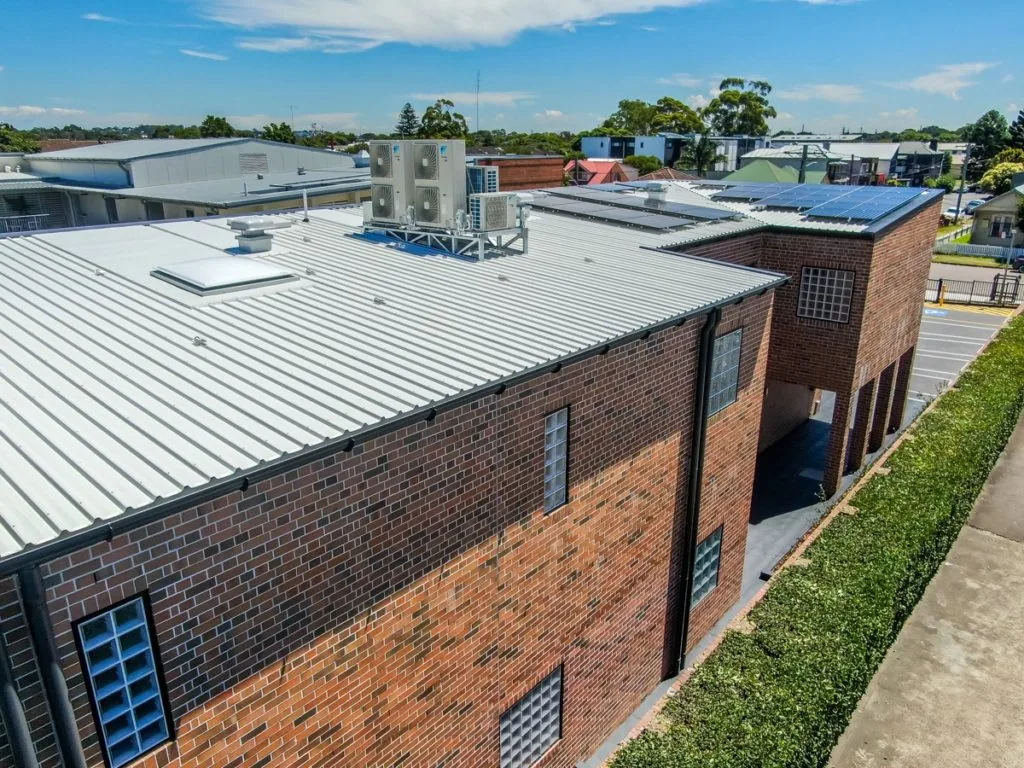
Make the Estimate Fit the Building
Budget drivers include the measured area, roof type, insulation, cover board, flashing, drains, edge metal, curbs, removal, disposal and the access needed to complete the work. We measure each roof separately; the park’s 150-acre site area is not used as a building roof quantity. We record the field measurements and the assumptions for material staging, roof entry and work hours. If concealed conditions appear during removal, we document the finding and ask for approval before expanding the scope.
The facility contact identifies equipment that must stay active, protected zones, air-intake restrictions, delivery procedures and any shutdown window. We distinguish those site requirements from roofing quantities so the owner can review material scope and coordination effort separately.Langley Research and Development Park tenants can call about live roof leaks overnight, on weekends and holidays; we coordinate access with the facility contact. Temporary stabilization can be scoped separately from permanent work. A condition report can retain photographs, testing needs and completed repairs. For multiple properties, multi-site roof programs can keep each address and operating plan distinct.
Langley Research and Development Park's 150-acre footprint describes the park, not the roof at a tenant address. The estimate should therefore show the inspected roof area, test locations and equipment-related access separately. If an air intake, rooftop instrument or service path must remain available, the facility contact can identify it before staging is fixed. That information may change the order of work without changing the repair quantity. We keep schedule assumptions visible so the owner can compare a targeted repair with a phased renewal on equal terms.
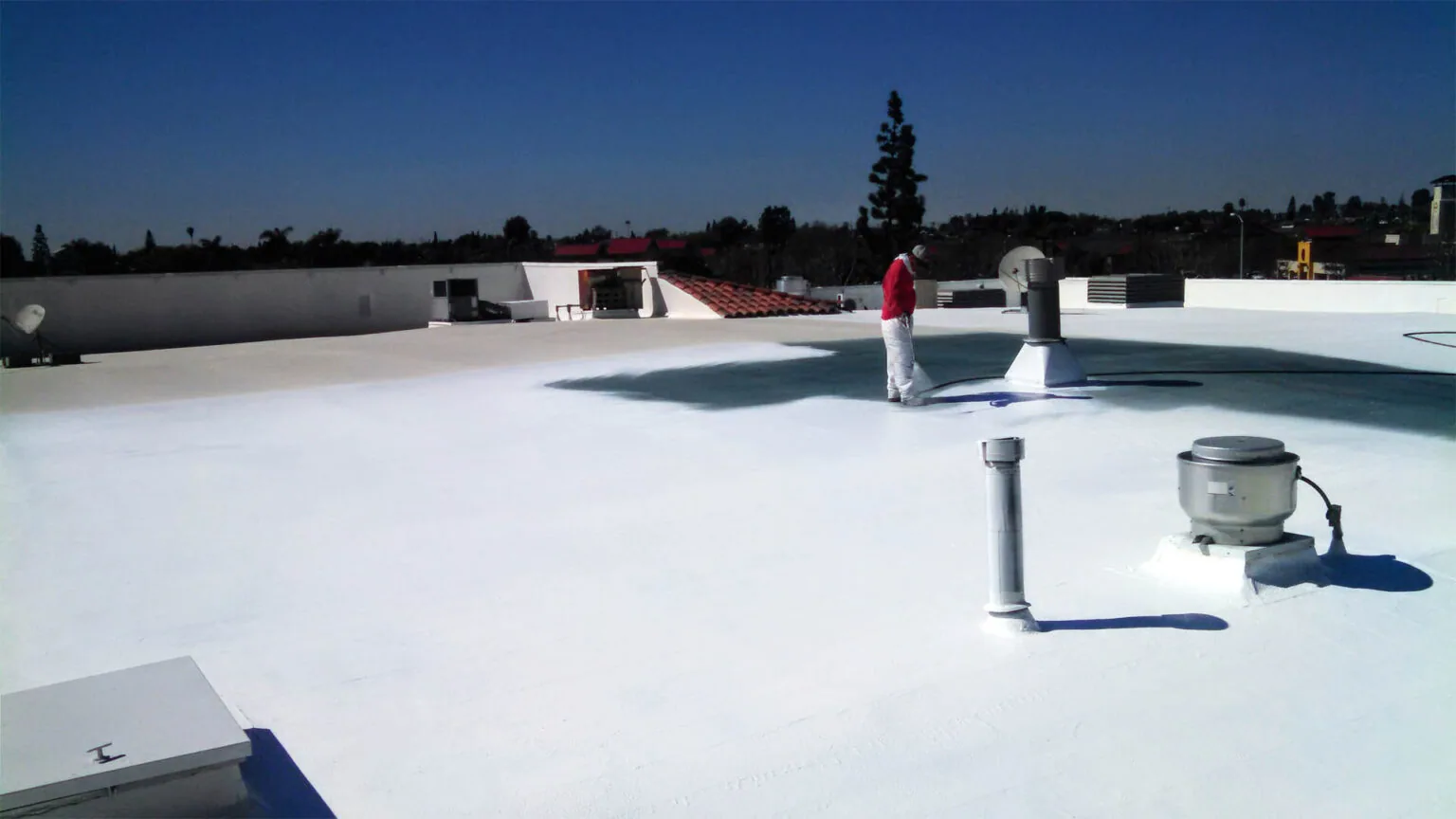
Coordinate Site Entry and Work Hours
Before mobilization, we confirm the building address, property contact, roof entry, permitted work hours, equipment clearances and delivery route. The site contact confirms authorization and route requirements for each project address outside NASA Langley’s south gate. We follow the instructions for the property being serviced and document any restriction that changes roof staging. If research equipment needs a shutdown or special protection, the facility contact identifies that condition before a crew is dispatched.
Rain, wind, temperature and surface moisture can change when a roof can be prepared and how much material can be opened during a shift. We plan a daily work area that can be protected and closed under expected conditions. If testing shows the repair area is wider than first measured, we review the change before extending the work zone or rescheduling deliveries.
Wythe Creek Commerce Park is another Hampton park near NASA Langley’s north gate and is identified for construction and light manufacturing. We confirm Langley Park’s route, schedule and roof assembly with its property contact.
Keep Condition and Access Notes Together
Closeout documentation can identify the roof system observed, repair boundary, materials used, photographs and any test or repair that remains open. A marked plan helps another facility contact see where work occurred and which sections were not accessible. If product records disagree with field details, we note the uncertainty so later maintenance does not assume an unsupported assembly.
Maintenance reviews can revisit seams, drains, flashing, roof edges, equipment supports and areas with prior leaks. We list what was inspected and identify the next check needed. If warranty documents apply, their terms set their own service requirements. Each Langley Research Park closeout lists the inspected roof areas, repairs and unresolved test items; policy interpretation stays with the insured and carrier.
Send the Hampton address, roof concern, available plans, operating hours and access contact to arrange a visit. We can inspect the assembly, document measured areas and outline repair, testing or renewal. If an upcoming research project has a date that affects staging, include it so the work window can be reviewed before scheduling.
Questions About Langley Research & Development Park, Hampton
Does proximity to NASA Langley authorize access to the installation?
The property contact confirms the approved entrance, authorization and site procedures for the building being serviced.
Does the 150-acre figure indicate roof area?
No. It describes the park. We measure the roof at the specific property and price the work from the confirmed area and assembly.
Can roof work be scheduled around research activity?
We coordinate roof entry, equipment restrictions, operating hours and shutdown needs with the facility contact. The work plan identifies the sections and timing that can be approved.
How do you set a boundary when moisture is suspected?
We map visible findings and identify where a moisture survey or test opening can confirm the wet area. The estimate separates verified removal from locations needing further review.
What should I provide before roof work is scheduled?
Share the property address, leak location, roof plans, operating schedule, equipment limits and access contact. Those details help set a safe route and workable installation window.