Commercial Fire Damage Roof Repair in Newport News, VA
Commercial roof inspection and repair after fire exposure in Newport News, VA, with documented membrane, flashing, insulation and deck conditions.
Home / Roof Damage Repair / Commercial Fire Damage Roof Repair
Commercial Fire Damage Roof Repair
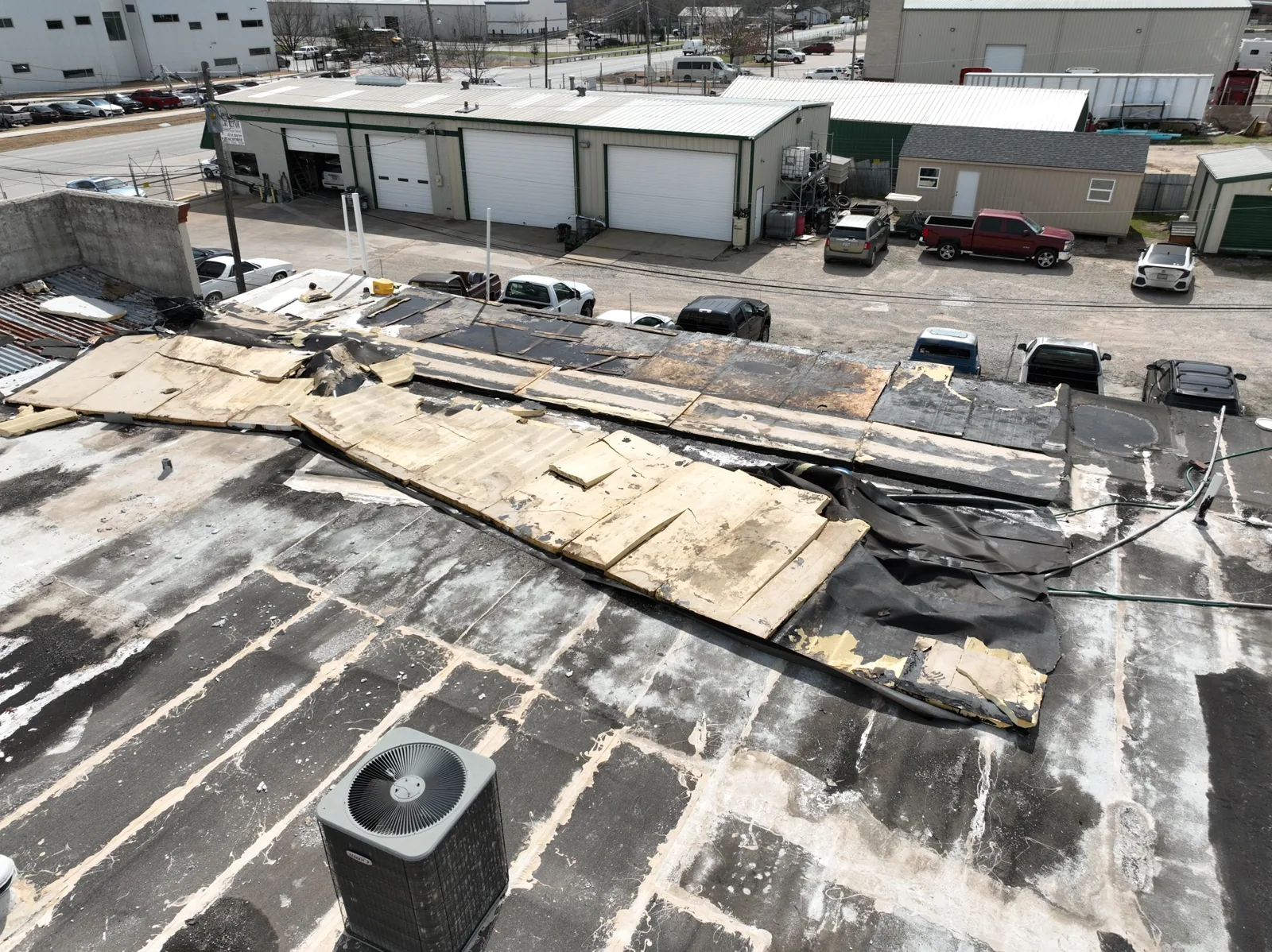
After a fire, the roof can show blistered membrane, damaged flashing or openings where suppression water entered. In Newport News, VA, we inspect the affected roof zone and adjacent details, then document visible heat, smoke and water conditions without assuming the assembly beneath is sound. The repair scope separates temporary protection from permanent work and identifies areas that need further testing before quantity is confirmed.
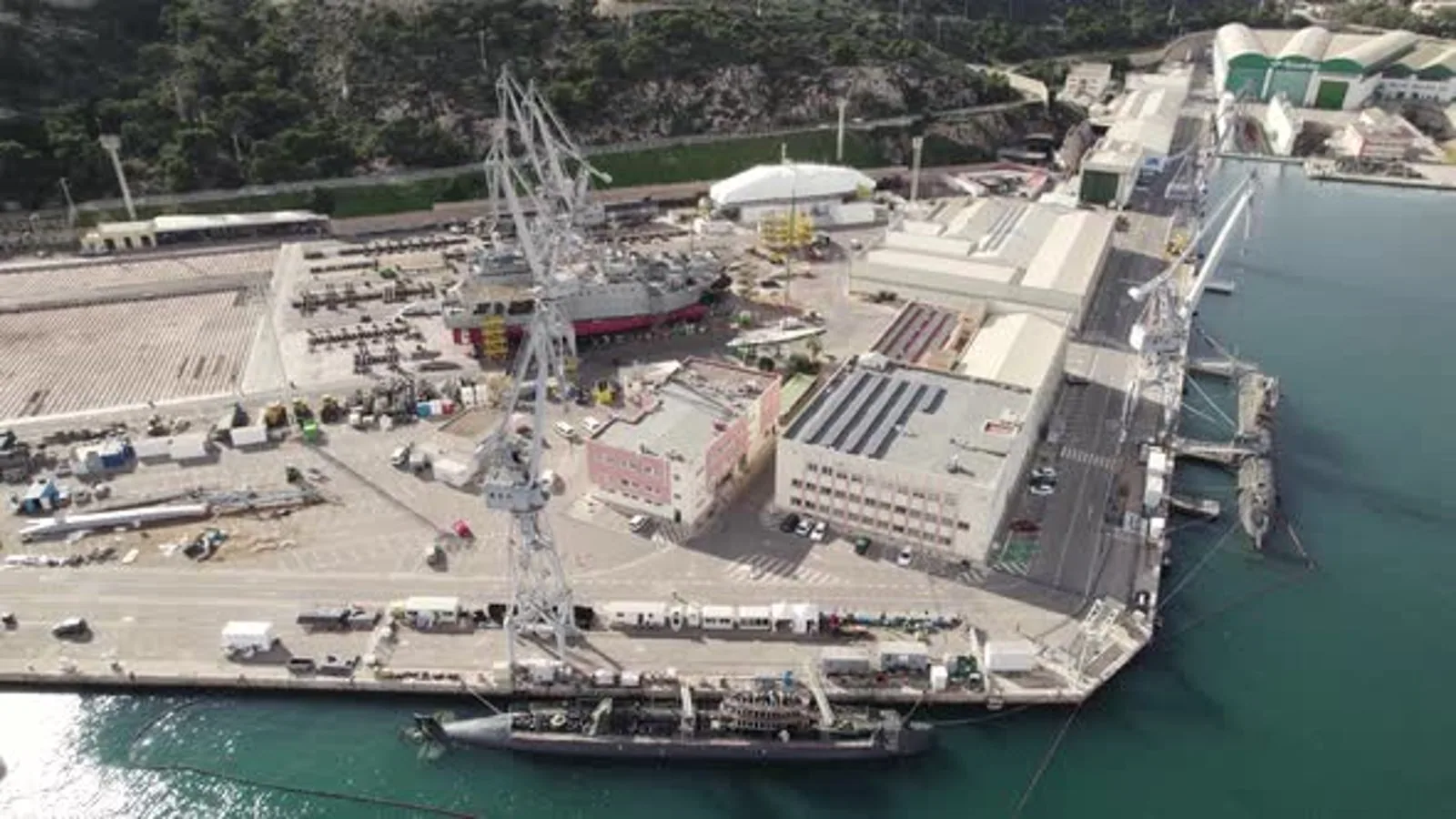
Newport News has industrial, maritime and office districts, including the Newport News Seafood Industrial Park and Greater Oyster Point. A fire-related roof visit may require coordination with facility staff, restoration crews and site access controls. We confirm those requirements at the property and base the roofing recommendation on the observed assembly.
Map Heat and Water Exposure
Heat may affect membrane, insulation, adhesives, coatings and metal details beyond the visible burn mark. Firefighting water can create a separate moisture path under the roof. We inspect the surface, seams, penetrations, edge conditions and nearby drainage, then photograph areas that show distortion, blistering, char or separation. The report distinguishes visible damage from concealed conditions that need testing or an opening. We note whether the observed effect appears to involve the membrane only, flashing and edge metal, insulation, or a transition into a wall or equipment curb. Those distinctions matter because each component can need a different repair detail and may require separate access. If the roof cannot be entered safely while other fire response or structural work is underway, we record the limitation and return when the responsible site contact clears access.
Our commercial roof inspection can include a marked roof plan, photos and accessible-area notes. Infrared survey work may help locate areas for further investigation when site conditions support the method. We coordinate with the restoration contact so roofing access does not interrupt stabilization or other building work already underway.
When fire-related roof damage allows water to enter, contact us after hours as well; we will coordinate temporary protection through the facility lead. Temporary protection can limit further exposure while the permanent repair is planned. We record the temporary action and the affected area so it remains clear which work is complete and which roof condition still needs review.
Repair Only After the Substrate Is Understood
A patch over heat-damaged or softened material may not hold. Before selecting a repair, we determine whether the membrane remains attached and whether the substrate needs removal or replacement. Affected flashing, curbs, drains and edge metal may require separate work. If the fire exposure is broad or the roof assembly cannot be evaluated safely, we state the inspection limits and additional access needed.
Suppression water can migrate away from the burn zone, so a dry-looking surface does not prove that insulation is unaffected. We mark likely water paths and recommend testing where needed. The measured repair area stays separate from a suspected area until the evidence confirms its extent.
Related damage may include failed flashing or membrane openings created during emergency access. We list each roof condition separately, with photographs and repair quantities. If a larger area needs replacement, the proposal identifies the assembly and material removal required.
Inspect Fire-Exposed Roof Areas
Send the Newport News building address, known fire and water areas, restoration contact and roof access limits. We will document the condition and define the next roofing work.
Set a Repair Scope Before Reopening
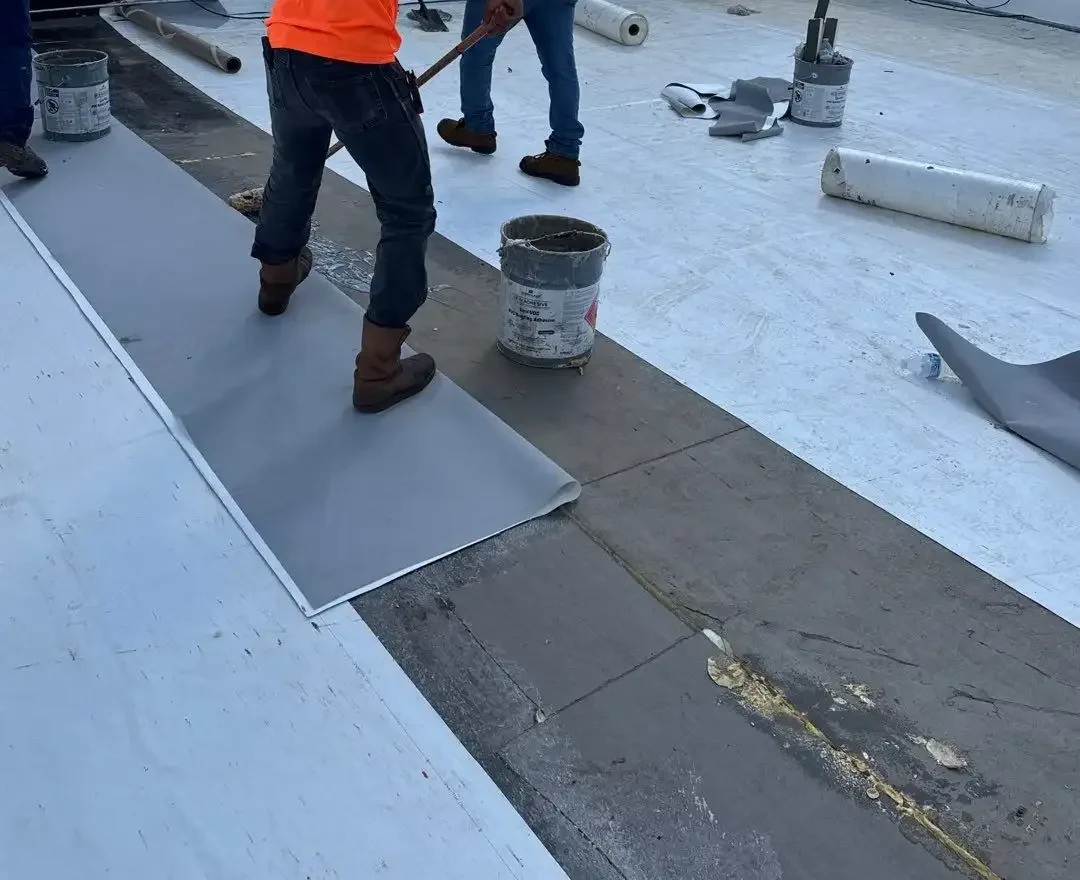
A localized heat or water effect may be repairable if the membrane, insulation and attachment around it remain serviceable. Broad blistering, char, melted material or wet insulation can require removal across a larger area. We explain which observations support the immediate repair and which additional test would clarify the full scope. The building team can then coordinate roof work with interior restoration and reopening decisions.
Coating or recover is not a substitute for removing compromised material. Replacement may be the appropriate comparison when damage is extensive or the existing assembly is unsuitable for another layer. We identify code or permit review that may apply if the work changes the assembly, and describe the work for the project team to route. The owner can compare a defined roof scope with interior repairs and equipment work, keeping the budget line items tied to separate conditions.
For an occupied property, phased reroofing can define zones and protection measures while other restoration proceeds. A fire project often has dependencies outside the roof trade. We state the roofing sequence, access and items that must be resolved before permanent installation begins.
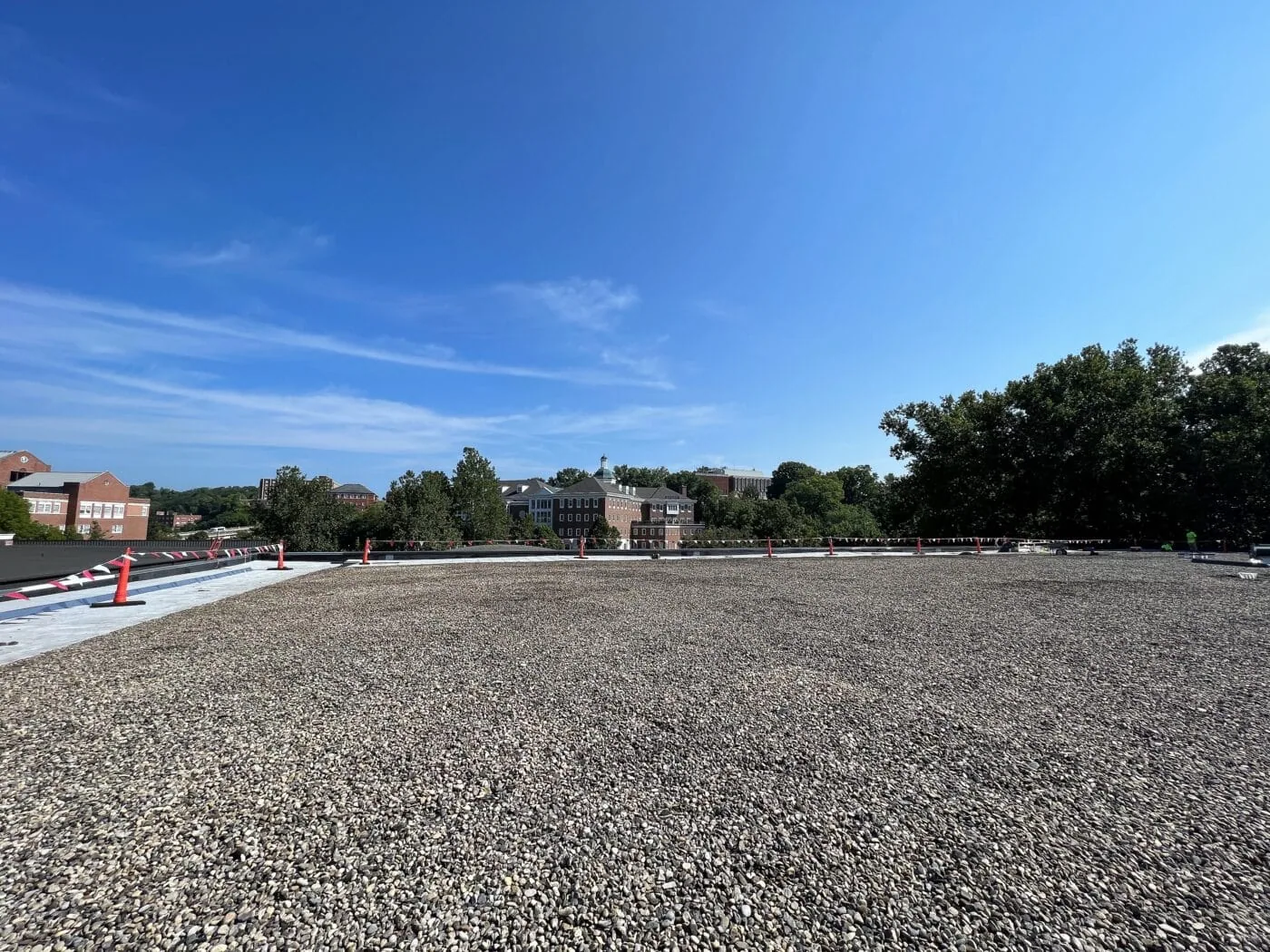
Coordinate with Restoration and Operations
Before mobilizing, we need the building address, fire-affected roof area, restoration contact and any limits on entry. We confirm whether suppression cleanup, structural review or equipment removal affects access. If the building remains partially occupied, the property team can identify open areas, delivery routes and work hours to consider in the roofing sequence.
The Seafood Industrial Park has vessel repair, fabrication and processing operations, while Greater Oyster Point includes research, office, healthcare and retail properties. A restoration schedule at those districts can involve distinct site contacts and access restrictions. We use the address and facility instructions to plan work, not assumptions about the area's business type.
For claim or restoration records, insurance and restoration roofing documentation can separate observed condition from repair quantities. A condition report can preserve photographs, affected locations and open testing questions for the property file.
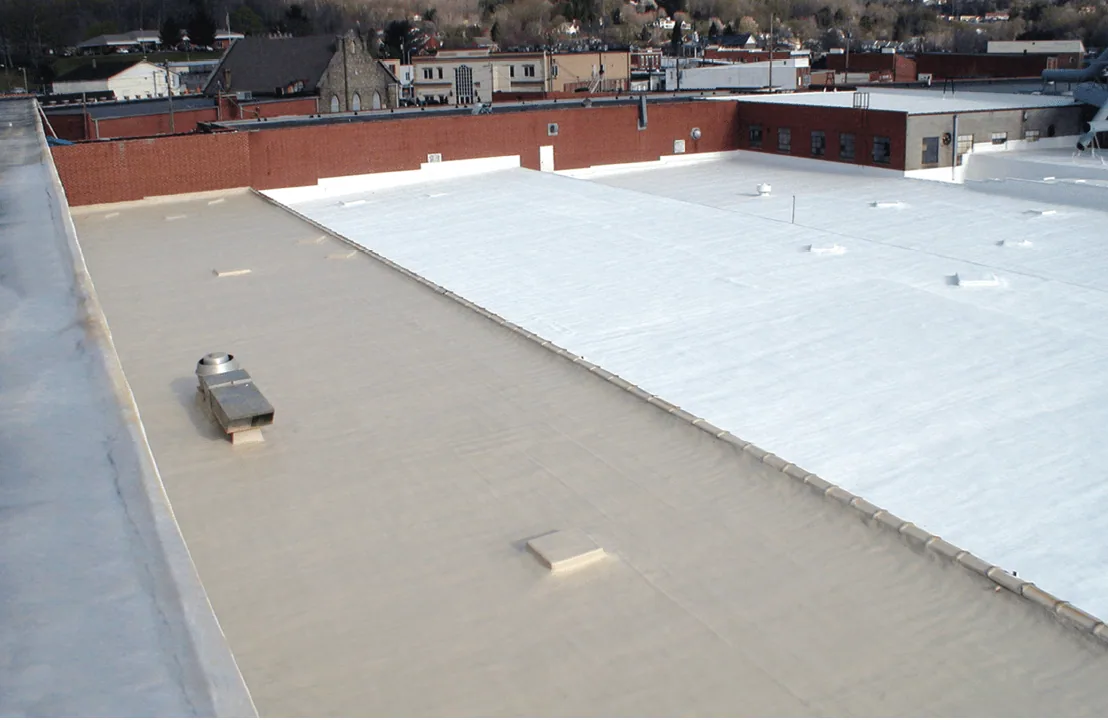
Document the Roof After Restoration
When permanent work is complete, we can record replaced or repaired areas, photographs, materials and any condition left outside authorization. The closeout can identify a follow-up inspection if the assembly needs observation after additional restoration. This helps the facilities contact keep the roofing scope separate from other repairs underway in the building. We can also list outstanding test results or access needs that should be addressed before the next roofing phase is priced.
Provide the Newport News address, known fire and suppression-water areas, restoration contact and roof access instructions. We will inspect accessible roof sections, document visible conditions and state what additional testing is needed to define permanent repair. The record can then be reviewed alongside the facility restoration timeline and roof maintenance history.
After a fire, water from suppression and weather exposure can complicate what is visible at the roof surface. Document the affected footprint, adjoining roof sections, penetrations and any temporary opening before selecting repair materials. Coordinate access with the restoration lead, and make clear whether the roof is safe to open or still requires separate review. A repair record should distinguish observed roof damage from interior or structural conclusions that belong to other qualified professionals.
Questions About Commercial Fire Damage Roof Repair
Can fire heat damage roof material beyond the burned area?
It can affect membrane, insulation, adhesive or flashing outside the visible mark. We inspect the surrounding assembly and identify where testing is needed to determine the extent.
Does firefighting water affect roof insulation?
Water may enter at an opening and move beneath the roof surface. We document visible conditions and mark areas for testing rather than infer concealed moisture from the fire location alone.
Can a roof be temporarily protected before final repairs?
We can inspect and address urgent water entry when access is safe. Temporary protection is documented separately while permanent repair scope is developed.
Can roof repair proceed while interior restoration continues?
We coordinate access and work zones with the restoration and facility contacts. The sequence depends on safe entry, substrate conditions and whether other work affects the roof area.
What should be provided for a post-fire roof inspection?
Share the address, affected areas, restoration contact and any access or safety restrictions. Existing photos and known suppression-water locations can help focus the inspection.
Related Roofing Work