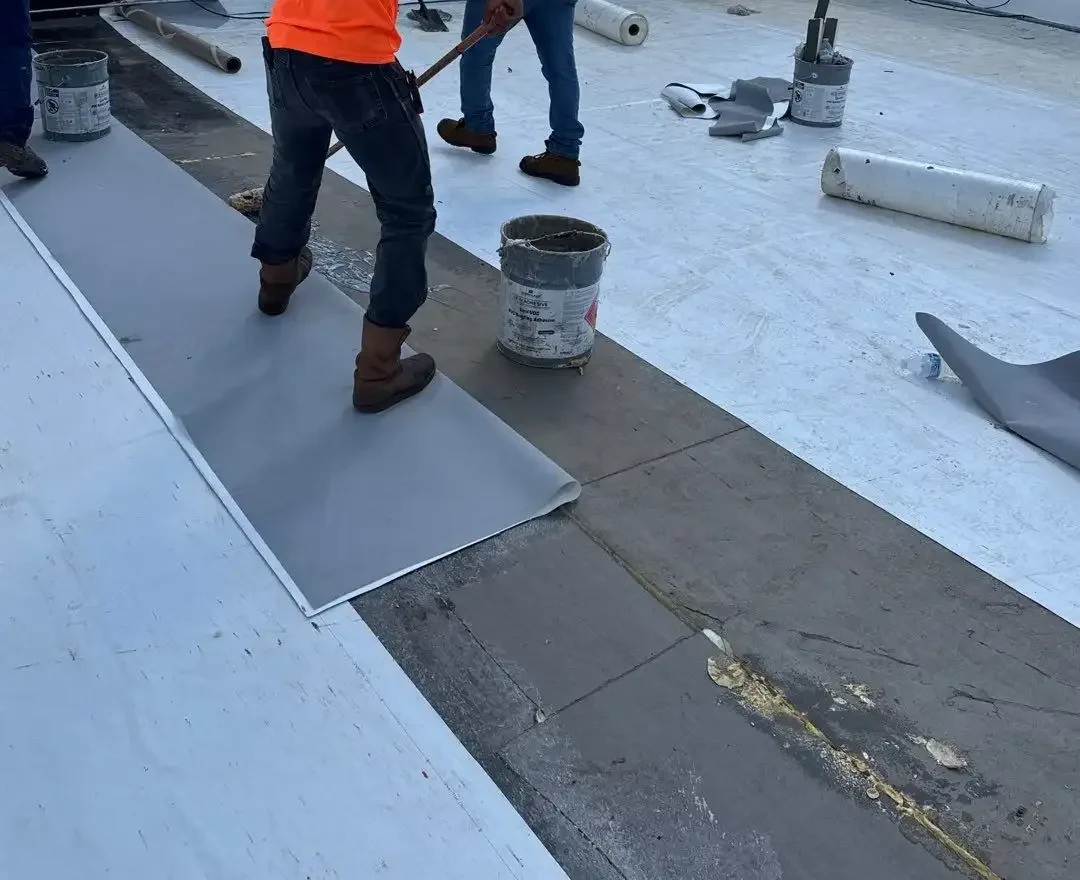
Commercial Roofing on Capitol Landing Road, Williamsburg, VA
Plan roof inspection and repair on Capitol Landing Road in Williamsburg, VA, with operating hours, access routes and measured roof conditions considered.
Home / Service Areas / Capitol Landing Road, Williamsburg

Capitol Landing Road, Williamsburg
Office and service properties along Capitol Landing Road need a roof plan that accounts for how the building is used. Williamsburg describes the corridor as supporting local shopping, hotels, restaurants and tourism retail. Its commercial land-use area continues between Merrimac Trail and the Colonial Parkway, with office uses included as a transition toward residential areas. We confirm the tenant, roof construction and work rules with the contact for each address.
We inspect the assembly and confirm access with the property's contact before setting scope. Second Street has its own tourism-oriented lodging and restaurant context. Merchants Square and downtown include retail adjacent to the Colonial Williamsburg Historic Area and William & Mary. Each location needs its own measured findings.
Identify the Roof and the Building's Use
We look at seams, flashing, drains, wall transitions, curbs, penetrations and perimeter details. The leak report points toward a starting area, but water may enter at a different seam or transition and travel below the surface. A roof sketch and photos help show what inspection confirmed. If the suspected water path extends into insulation, a survey or test opening can distinguish wet material from areas that remain serviceable.
The corridor plan includes office use; the property contact confirms the active tenant and occupancy pattern. We review available plans and repair records, then compare them with field details. The commercial roof inspection documents the visible assembly and accessible areas. For a building where moisture extent is uncertain, an infrared survey can help target follow-up testing.
Hotels, restaurants, shops and offices can have different roof equipment, delivery periods and interior sensitivities. We confirm which conditions apply at the address rather than treating the corridor's uses as building facts. The contact can identify rooftop equipment that must remain in service, any area with restricted entry and whether interior occupants need notice before roof work.
Set the Repair Boundary Before Selecting a System
A local puncture, seam split or flashing defect may be repairable if the nearby assembly remains stable. Multiple leak locations, soft insulation, loose edges or a damaged deck can change the scope. We measure confirmed conditions and explain whether another test could change the repair boundary. If the roof is sound beyond one detail, a targeted fix can be compared with renewal without assigning unverified damage to the whole roof.
Recover depends on the existing layers, deck, attachment, drainage and clearance at curbs or parapets. Coating requires a compatible and stable surface; it will not correct moisture beneath the roof. Replacement removes failed layers, while tear-off, disposal, temporary protection and tie-ins affect the schedule. We set out which findings support each option, then compare the disruption for the site's operating hours.
For an aging membrane, commercial roof repair may be appropriate when damage remains localized. If moisture or failed attachment spans more area, replacement planning may address the complete assembly. A restoration assessment can check whether the substrate will accept a coating before that approach is priced.
Arrange a Capitol Landing Road Roof Review
Send the Williamsburg property address, roof concern, operating hours and access instructions. We will inspect the roof and document the repair boundary.
Make Access Assumptions Visible in the Estimate
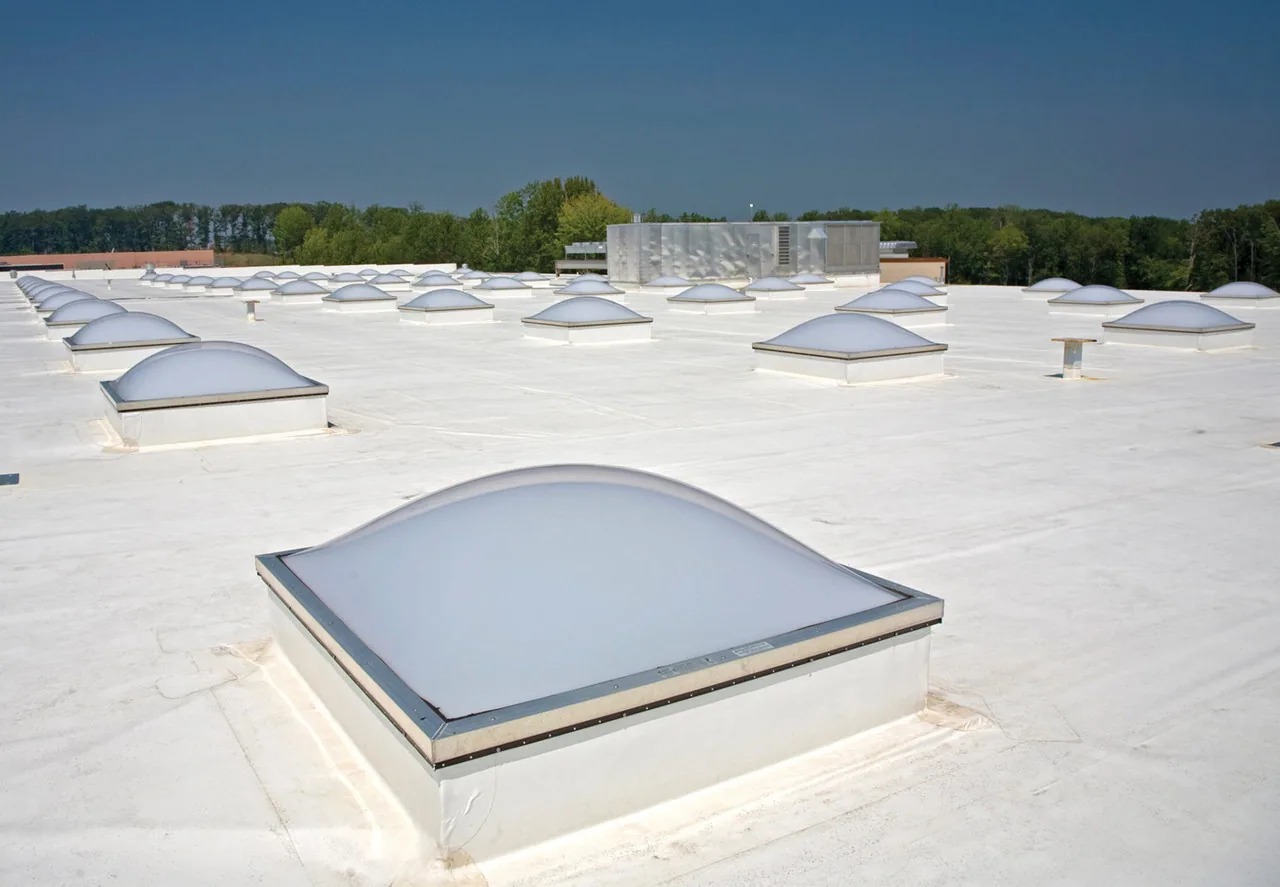
Roof cost follows measured area, membrane or panel type, insulation, cover board, flashing, drains, curbs, edge metal, removal and disposal. A constrained staging location, lift plan, delivery hours or protection for occupied space can affect labor. We separate those access assumptions from the measured roof quantities. If concealed wet insulation or deck damage appears after testing, the added area is photographed and discussed before the scope changes.
We inspect roof drainage and attachment against the criteria that apply to the Williamsburg building and conditions observed during the site visit.
Emergency service is available around the clock, including holidays and weekends, when an active leak needs attention. We can scope temporary water control separately from permanent repair. A roof condition report can preserve photographs and measured areas; capital planning can compare near-term repairs with phased renewal and later testing.
Along Capitol Landing Road, a property may need material access coordinated with its own service entrance and operating hours. We confirm where a truck can stop, whether a lift can reach the roof, and which public or tenant routes must remain clear. That information affects delivery and protection, while the roof walk establishes repair quantities. When those two parts are listed separately, a manager can revise a work window or staging plan without losing track of what the inspected assembly needs.
Coordinate Deliveries and Work Hours
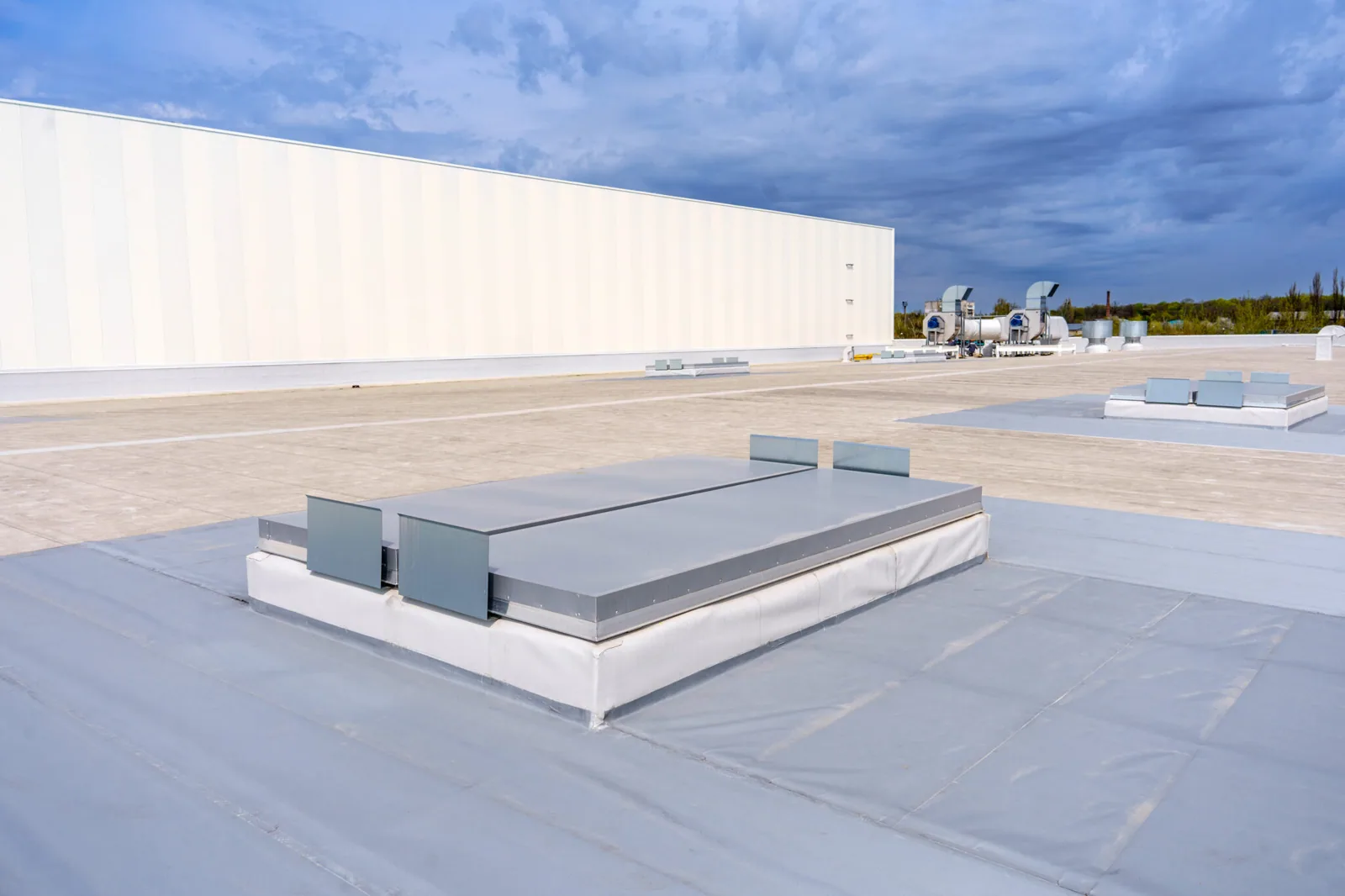
Before mobilization, we confirm where the crew can enter, where material can be staged, how deliveries reach the roof and which hours are available. The corridor's planned transition between commercial and residential uses makes it useful to identify nearby occupied routes, but the site's contact determines what applies to the property. We document pedestrian access, customer or tenant requirements and any equipment shutdown before work begins.
Roof preparation depends on weather, surface moisture and material requirements. We limit the open area to what can be protected and closed during the shift. If a test opening finds wet insulation beyond the planned repair, we secure the section, record the new boundary and review added staging or schedule needs before continuing.
For buildings that remain in service, occupied-building reroofing can identify phased boundaries and temporary protection. Hotels and restaurants may request a particular quiet period or delivery window, but we confirm that with the facility contact rather than guessing. The work calendar then states the planned crew arrival, roof zone and contact for any day-of adjustment.
Record What the Work Resolved
At closeout, the property file should show areas inspected, roof details observed, repairs performed, materials used and remaining recommendations. A marked plan makes later review easier when a new leak occurs near an earlier repair. If attachment, insulation or a membrane type could not be confirmed, we identify that uncertainty and state what inspection or record could resolve it.
Maintenance can revisit drains, flashing, seams, penetrations, edges and equipment supports. We report accessible areas and any follow-up that remains open. Written product or warranty documents set their own requirements. Our report summarizes the observed condition and completed service without making a coverage decision.
To request a roof review, share the Capitol Landing Road address, concern, business hours and access contact. Provide available roof plans and prior repair records if they exist. We will inspect the assembly, document the measured repair area and outline the next step in a sequence the property can use.
Questions About Capitol Landing Road, Williamsburg
Does the corridor plan tell you whether my building is an office or hotel?
It allows office, hotel, retail, restaurant and tourism-related uses in the area, but not the current occupant at a given address. We confirm the property's use and schedule with its contact.
What if water appears far from the roof opening?
We trace the likely path across seams, flashing and transitions, then test where moisture may have moved below the membrane. The repair boundary follows measured conditions, not only the interior stain.
Can work be planned around a hotel or restaurant schedule?
We coordinate access, material deliveries, noise limits and available work hours with the property contact. The daily plan identifies any occupied areas that need protection.
Does a coating correct a wet roof assembly?
No. Coating needs a compatible, stable substrate and does not remove trapped moisture. We inspect or test the assembly before including restoration as an option.
How do you handle a change after tear-off begins?
We photograph and measure the newly exposed condition, secure the roof boundary and review added quantities with the authorized contact before extending the work.