
Commercial Roofing for General Contractors in Newport News, VA
Commercial roofing scopes, repair crews and phased installation for general contractors managing active building projects in Newport News, VA.
Home / Industries We Serve / General Contractors
General Contractors
A roof package can sit on the critical path even when the membrane is not the first trade on site. For general contractors in Newport News, VA, we define the roofing scope, access assumptions and coordination points before they become field conflicts. We inspect the substrate and roof details, identify penetrations and transitions, and separate measured work from conditions that need confirmation. The GC can then fit the roofing task into the schedule with a clear scope boundary.
Newport News construction spans maritime, manufacturing, healthcare and commercial property. At the Seafood Industrial Park, vessel repair and fabrication operate alongside processing and marine services. At Greater Oyster Point, office, research, retail and healthcare uses share a business district. These settings call for different delivery and access conversations; project-specific plans determine the sequence.
Define the Roofing Interface
Before mobilization, we review roof plans, details, substrate condition and the sequence for curbs, equipment, penetrations and edge metal. If existing conditions differ from the drawings, we identify the location and explain what needs a field decision. The scope should say which trade provides blocking, support steel, temporary protection and equipment coordination, instead of leaving those interfaces to the day roofing begins.
Our roof inspection can document the existing assembly and repair conditions before a renovation or addition. For replacement, we identify tear-off or recover assumptions, insulation, membrane attachment, flashing and drainage work. A proposal can list what is included, exclusions and work dependent on substrate exposure. That gives the GC a cleaner basis for package review.
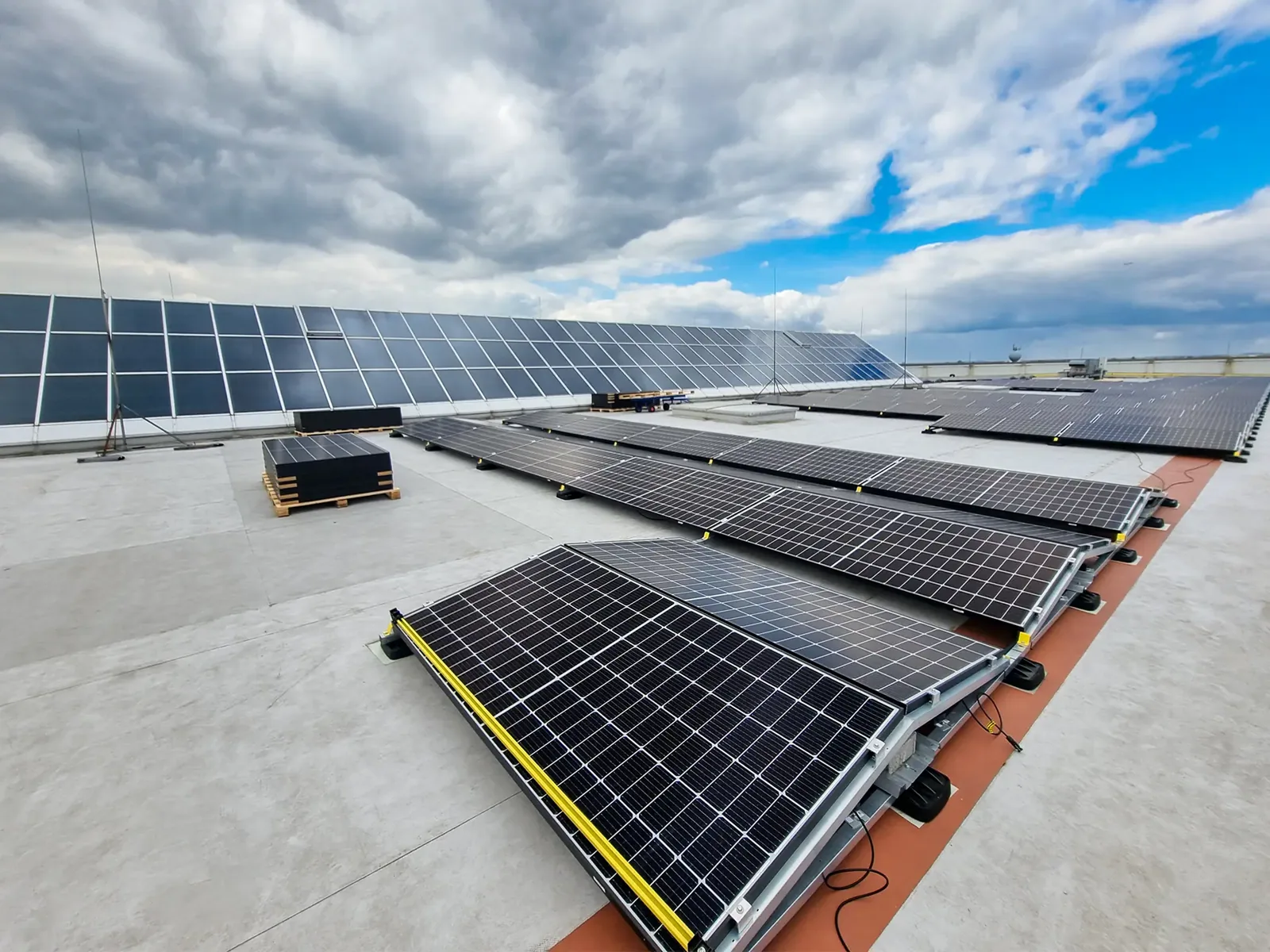
We can also review roof areas around HVAC or solar work and state which flashing and support details are included. The existing roof system and project documents govern the repair; we do not assume a new curb or penetration is covered by the roofing package unless the scope says so.
Fit Roofing into the Site Sequence
Roofing production depends on when the deck is ready, when equipment reaches the site and how materials can be moved to the work area. We coordinate the planned start, daily access and weather protection with the superintendent. If the building remains occupied, we mark work zones and the entrances or service areas that need a separate route.
I-64 crosses Newport News and connects the Peninsula to Hampton; Route 17 is a primary north-south approach to industrial districts and Fort Eustis. At Patrick Henry Corridor and AirCommerce Park, the airport and business activity can influence deliveries. We use those corridor details to identify logistics questions, then confirm the route, staging and site rules with the GC.
For phased work, occupied-building reroofing can separate roof zones and describe temporary protection by phase. When repair is part of a larger commercial project, our manufacturing roof coordination or public building scopes may help clarify operational constraints at those facility types. The work plan stays tied to the current project documents and verified conditions.
Coordinate the Roofing Package
Send the Newport News project address, roof plans or scope, schedule and site contact. We will identify roofing interfaces, access assumptions and conditions needing review.
Resolve Existing Conditions Early
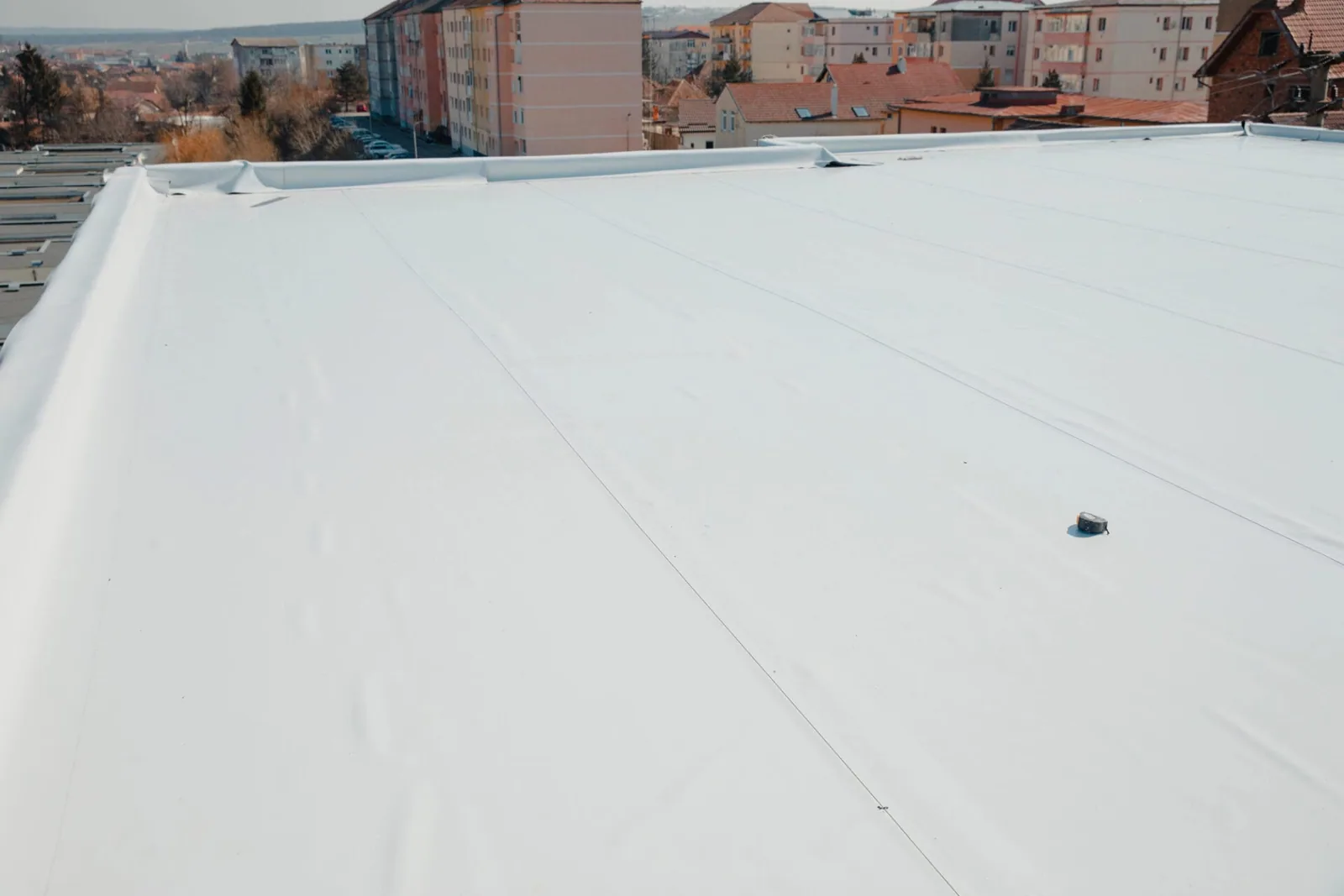
When an old roof has prior patches, concealed layers or wet insulation, that condition can change removal and schedule. We mark what can be observed before work and identify what cannot be verified until the assembly is opened. If the deck or insulation differs from the assumed condition, we document it and return a scope change for review before expanding authorized work.
Repair, recover and replacement each require a different substrate and assembly check. A coating needs a suitable existing surface. Recover depends on the current layers and attachment. Replacement may be warranted when deterioration is widespread or the roof cannot support another system. We can provide the roof portion as a defined package and state any review needed for code, permit or manufacturer requirements.
A consistent roof condition report helps the project team retain photos, repair boundaries and open questions. It gives the superintendent and owner a record of the observed condition without representing an unexposed assembly as fully known.
Coordinate Safety and Closeout
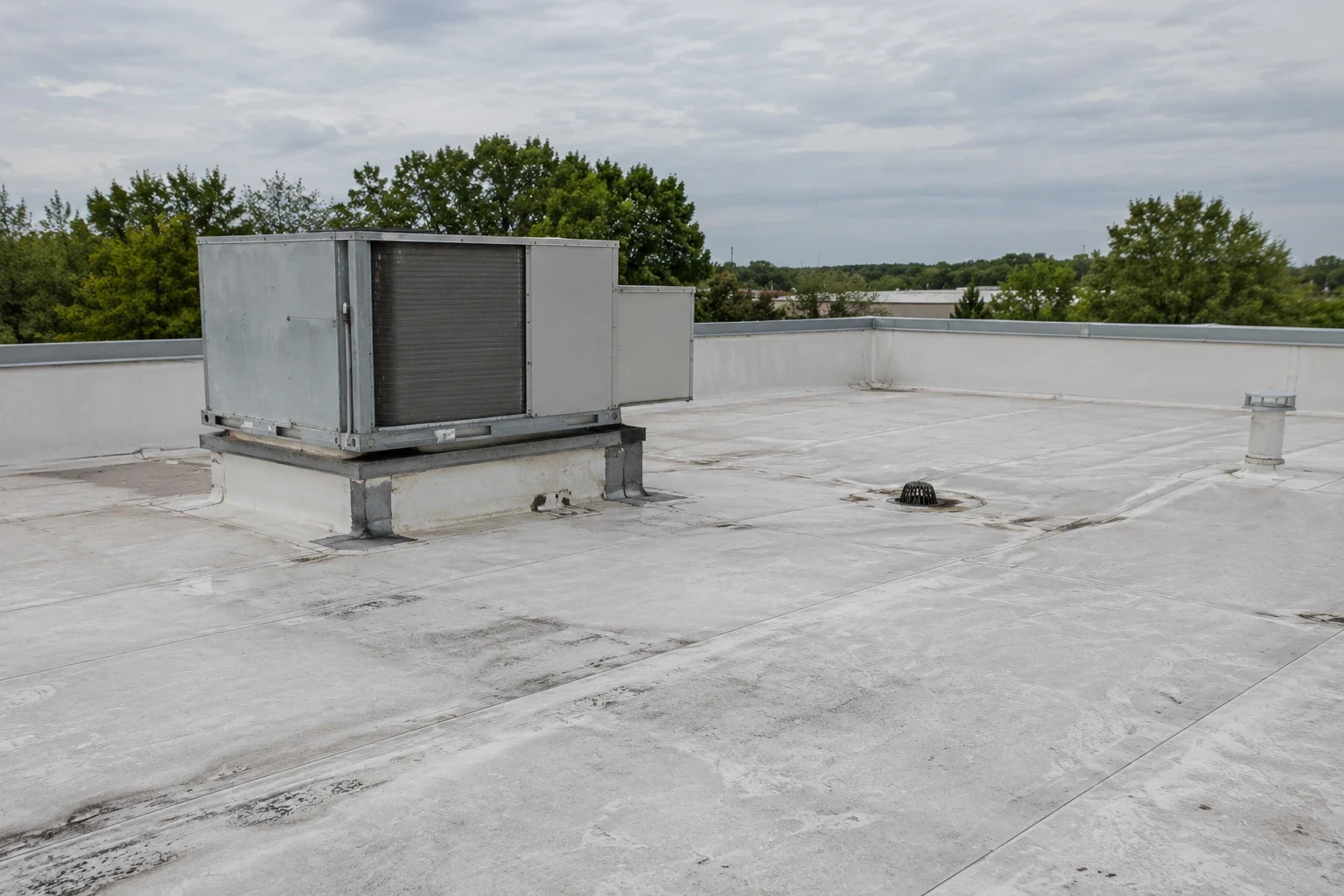
Before roofing starts, we confirm the access path, material laydown, fall-protection interface and areas where other trades remain active. We align daily tasks with the superintendent and identify how open roof areas will be protected if weather interrupts work. Those controls belong to the site plan and project responsibilities, with roofing-specific details stated in the task sequence.
Newport News weather data includes intense design rainfall, high basic wind and recurring freeze-thaw cycles. Weather can affect safe installation and temporary exposure, so the project schedule should account for forecast conditions and the selected system's installation requirements. Regional design data does not replace project-specific engineering or establish a roof condition.
At closeout, we can provide product and installation records for the work completed, photographs and a list of remaining items or excluded areas. If the project uses phased turnover, each roof section can be identified separately. That gives the GC a clear handoff record for owner review and future service.
Price a Complete Package
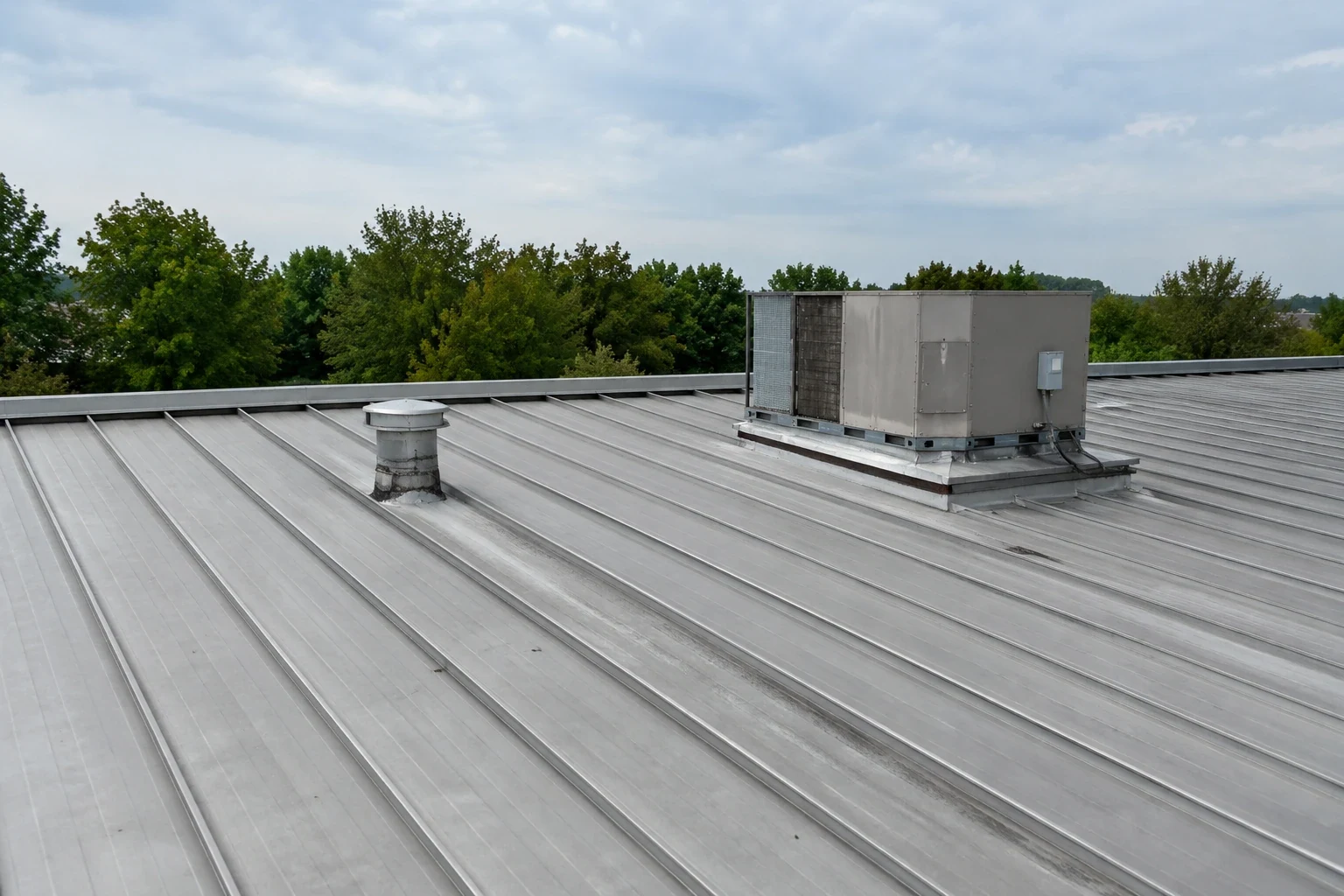
Roof cost reflects measured area, assembly, insulation, deck condition, penetrations, curbs, edge details, tear-off, disposal, lifts and staging. Schedule compression, restricted access and work beside active operations can also change labor. We state those assumptions in the proposal so the GC can evaluate scope alongside other trade packages.
For a building with several additions or roof elevations, we identify each area and the details that differ. A work phase may need distinct material, flashing or protection. If drawings leave a condition unresolved, we name it as an open item and explain what would be needed to confirm price and timing.
When ownership is planning later work beyond the current contract, capital planning can keep future roof needs separate from the construction package. The GC receives the authorized scope and project handoff; owner maintenance items remain visible without quietly adding them to the bid. A clear boundary also helps each trade plan its work without assuming another package covers a roof detail.
A roofing bid is easier to coordinate when the GC receives a defined interface: protection limits, deck assumptions, substrate acceptance, temporary dry-in, crane or lift needs, and the party responsible for adjacent trades. Record allowances separately from measured quantities so they can be reconciled when concealed conditions are exposed. The closeout package should identify inspections, warranty documents and unresolved exclusions before the roof area is turned over to the owner.
Questions About General Contractors
Can you provide a roofing scope for bid review?
We can state the measured roof area, system, included details, exclusions and access assumptions in a proposal. Any condition that needs exposure or testing is called out separately.
How do you handle a deck or insulation condition that differs from the drawings?
We document the exposed condition and its location, then submit the added or changed work for review. Work beyond the agreed scope proceeds after the appropriate project authorization.
Can roofing work be sequenced with other trades?
Yes. We coordinate access, equipment setting, penetrations, staging and daily protection with the superintendent. The sequence depends on the project schedule and which areas are ready for roofing.
What needs to be clarified before mobilization?
Confirm substrate readiness, roof access, material laydown, penetrations, equipment installation and who handles temporary protection. We can review the roofing-specific interfaces with the GC before material delivery.
Do you document roofing work at each phase?
Each completed phase can be recorded with its roof zone, photographs, materials and remaining items. That gives the GC and owner a traceable handoff for phased turnover.